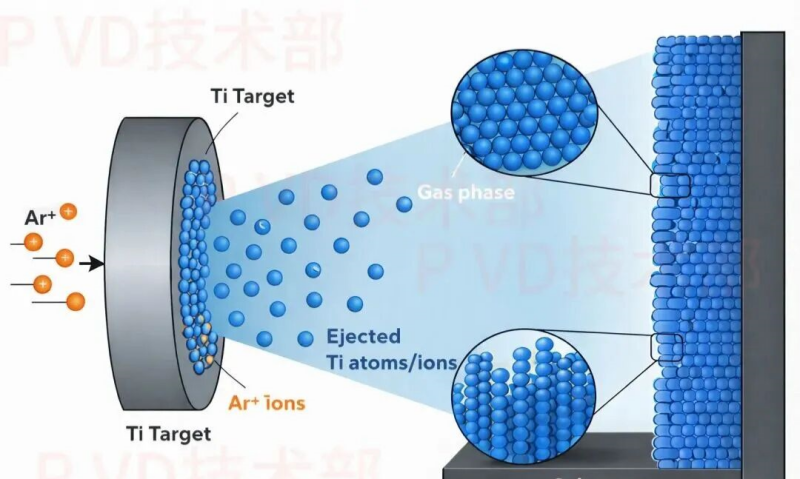
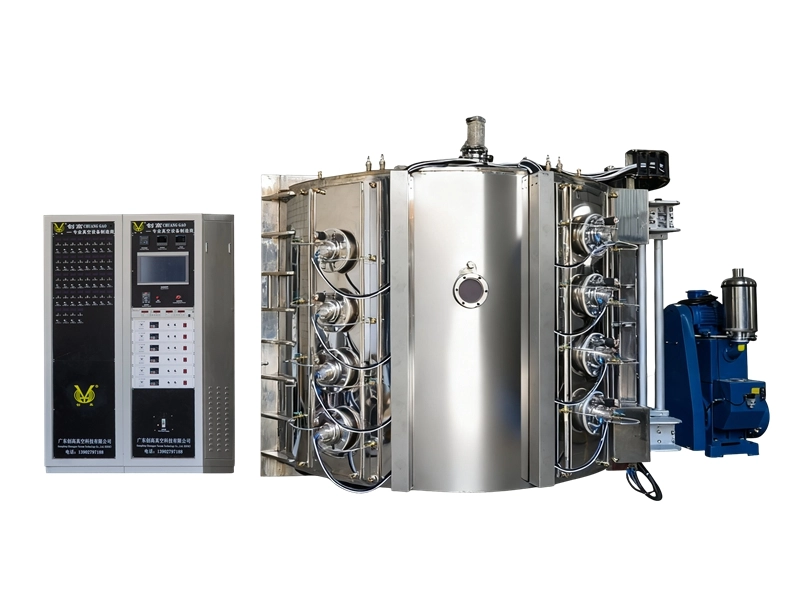
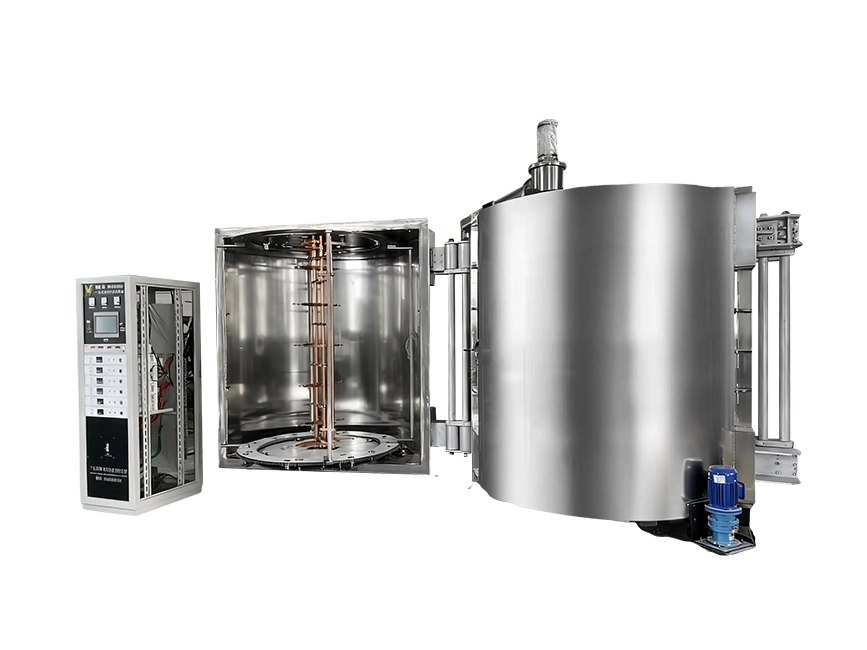
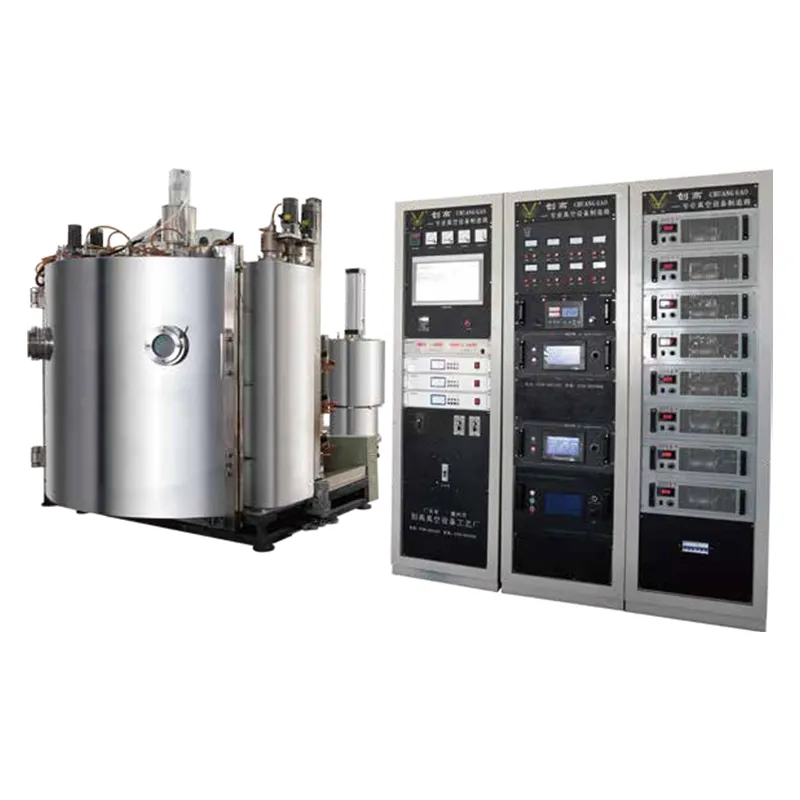
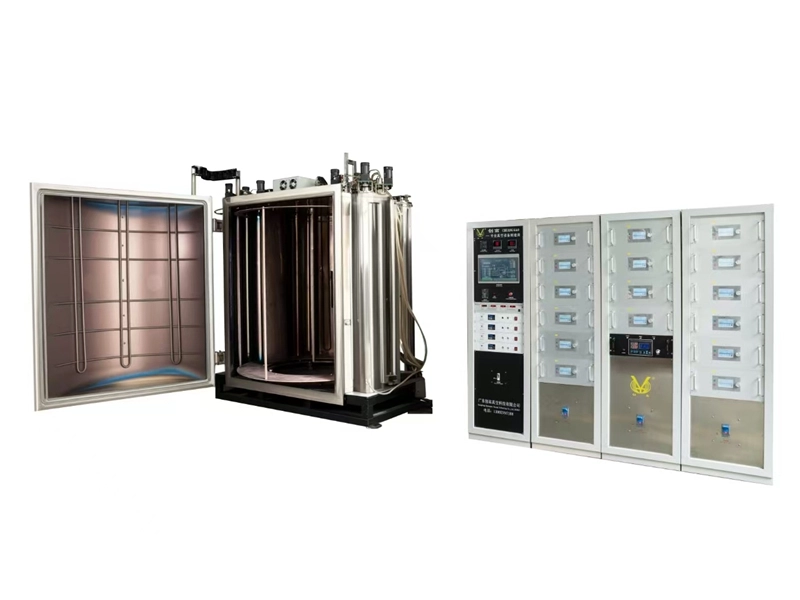
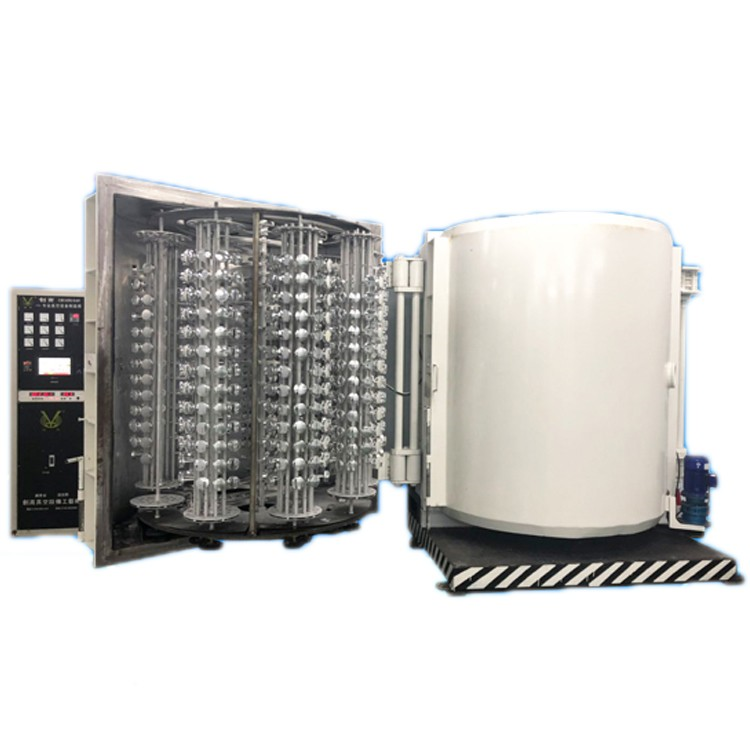
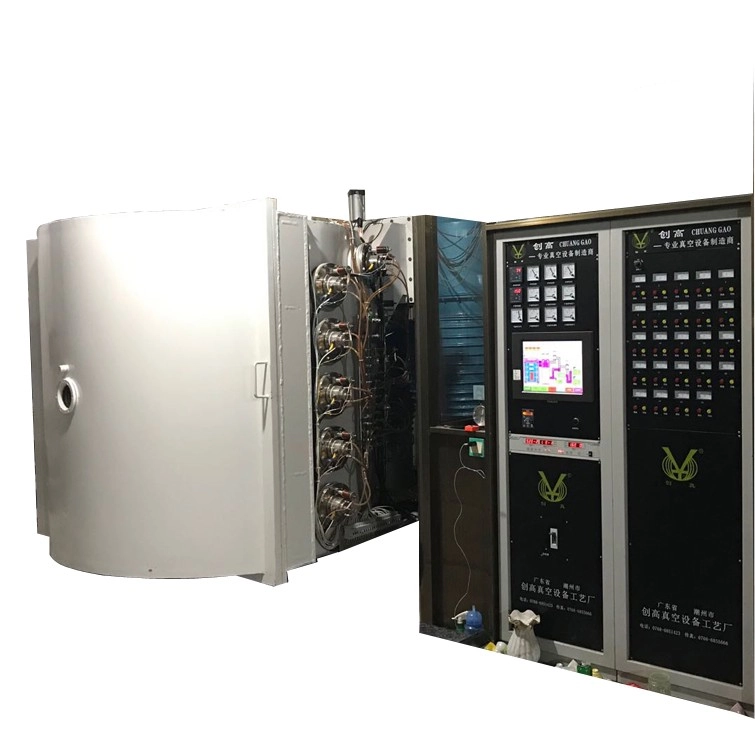
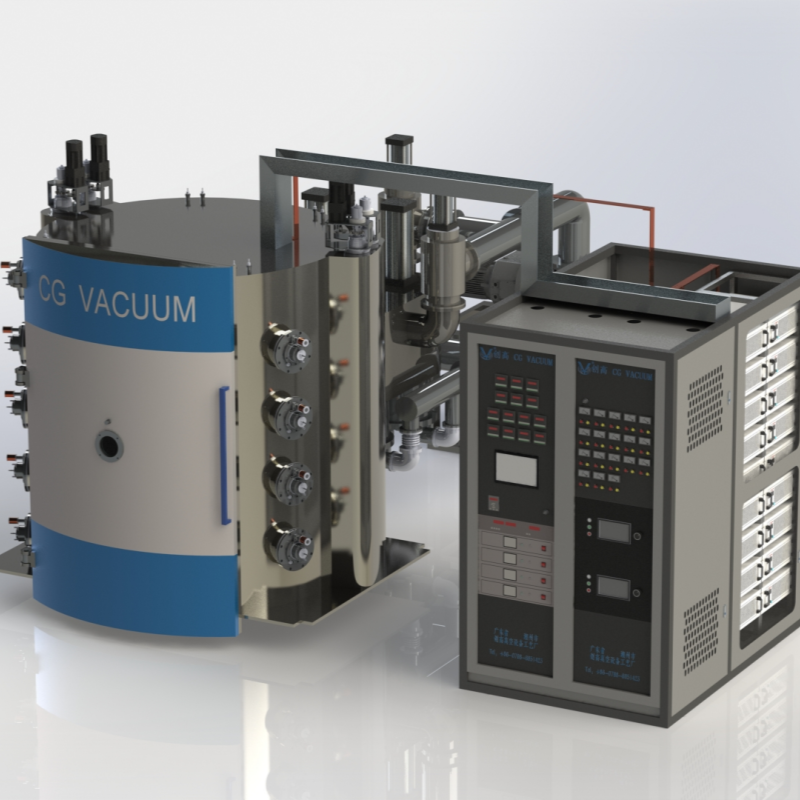
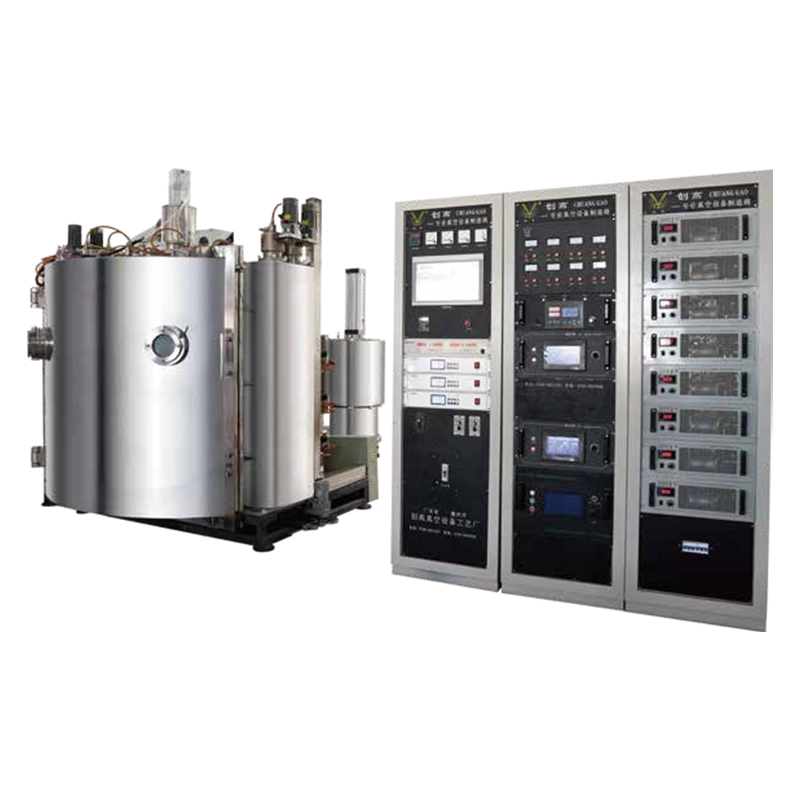
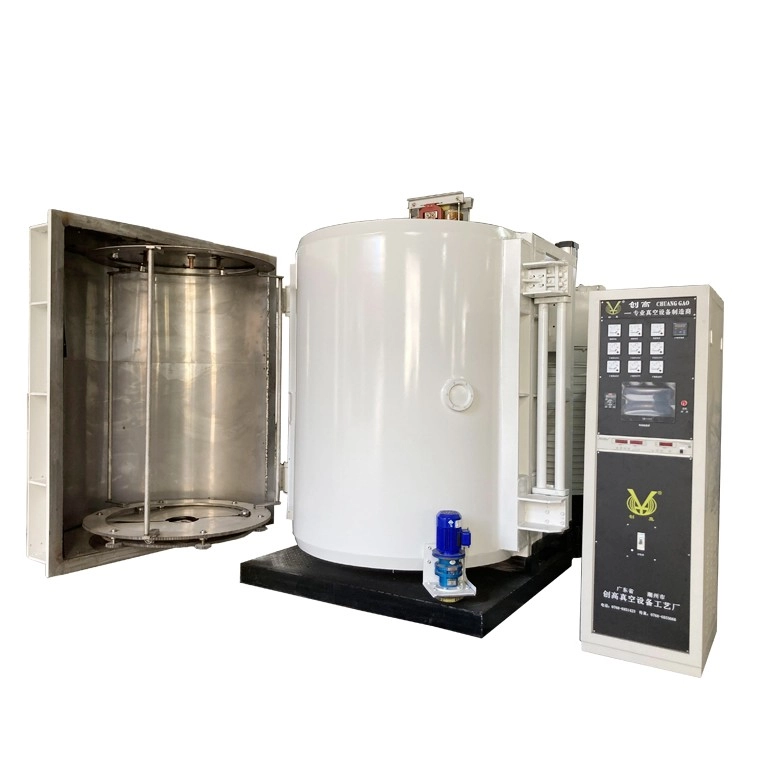
In modern decorative and functional vacuum coating, PVD (Physical Vapor Deposition) is a preferred method for achieving high-quality metallic finishes. Its durability, hardness, and aesthetic appeal make it essential for bathroom hardware, electronics, jewelry, and luxury products. However, maintaining consistent PVD coating color across batches and complex parts is a common challenge for manufacturers. Though it seems simple to say “the colors don’t match,” the underlying causes are complex, involving vacuum environment, physical reactions, and equipment performance. At CGVAC, we combine practical production experience with industry principles to identify and control these sources of PVD color variation.

Understanding PVD Coating Color Formation
PVD coatings, including gold, rose gold, titanium, or zirconium finishes, derive their color from a combination of:
- Elemental composition of the deposited layer
- Microstructure and crystallographic arrangement
- Deposition conditions such as energy, plasma density, and gas composition
Any variation in these parameters can result in perceptible differences in color. Controlling these variables is key to achieving uniform, repeatable decorative finishes.

Key Scenarios of Color Variation and How to Manage Them
Differences Between Furnaces
Even with identical process settings, different PVD systems may produce slightly different colors due to:
- Variations in furnace size, shape, and target positioning
- Magnetic field strength and distribution
- Vacuum pump efficiency and power supply stability
Solution: Regular calibration and benchmarking of all furnaces ensure consistency across production lines.
2. Variations Between Consecutive Runs
Small shifts in color between batches on the same furnace often arise from:
- Target wear or replacement, affecting particle composition
- Magnet degradation affecting plasma uniformity
- Voltage fluctuations impacting deposition energy
- Cooling water temperature variations
- Residual gas contamination or environmental changes
- Differences in part loading or placement
Solution: Implement monitoring systems, standardize loading, and adjust process parameters to compensate for these factors.
3. Local Variations Within a Furnace or Part
Even within a single batch or part, variations can appear due to:
- Uneven plasma or magnetic field distribution
- Gas flow inconsistencies
- Part geometry creating shadows, corners, or recesses
- Limitations in rotation or movement during deposition
Solution: For intricate hardware, complete uniformity is extremely difficult, but CGVacuum uses optimized fixtures, rotation mechanisms, and deposition profiles to minimize local color differences.
About CGVacuum PVD Coating Machine Manufacturer
CGVAC, a professional manufacturer of PVD vacuum coating systems, delivers both decorative and functional finishes for hardware, electronics, and luxury goods. Our solutions include:
- High-precision magnetron sputtering systems for uniform coatings
- Customizable process control to minimize color variation
- Integrated monitoring of vacuum, plasma, and gas composition
- Global technical support and consultation to optimize production efficiency
We help B2B manufacturers achieve consistent, high-quality PVD finishes with minimal downtime and maximum reliability.
結論
Consistent PVD color is not about eliminating every variation, but about controlling key process variables:
- Furnace calibration and maintenance
- Target and magnet condition monitoring
- Stable power and cooling systems
- Environmental and loading consistency
- Optimized part placement and rotation
By addressing these factors systematically, manufacturers can maintain industry-standard color consistency across batches and complex parts. For reliable, high-quality PVD coating solutions, contact CGVAC today to discuss custom vacuum coating systems and expert process control services.