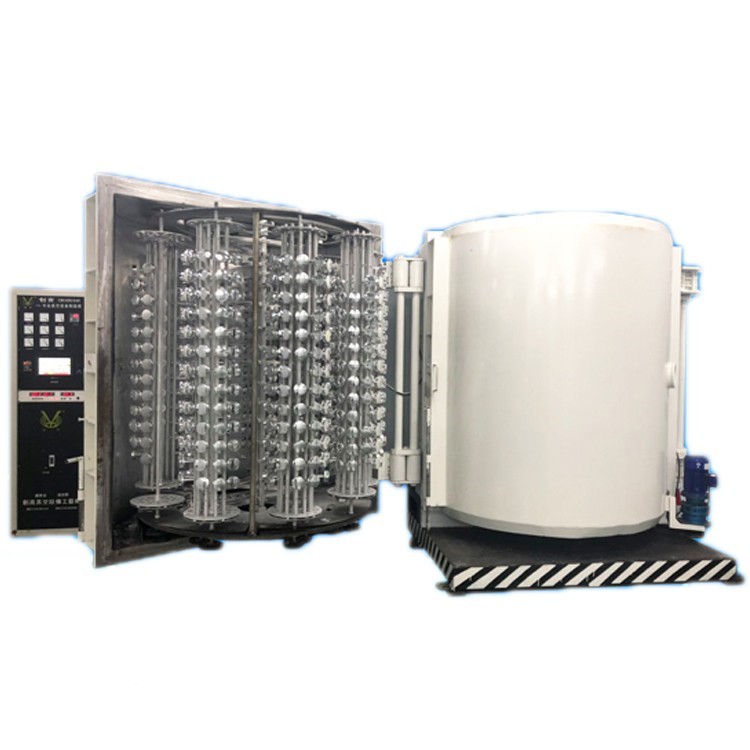
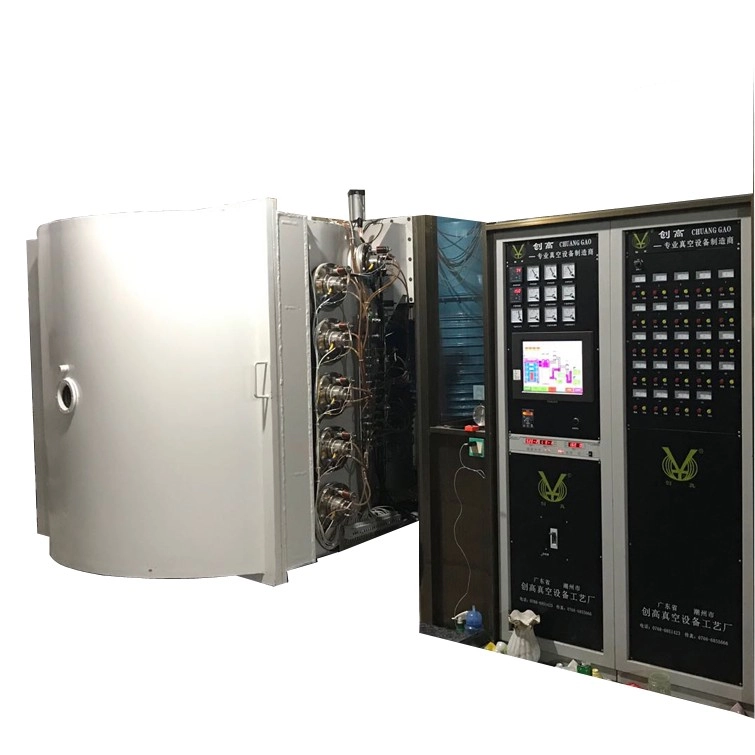
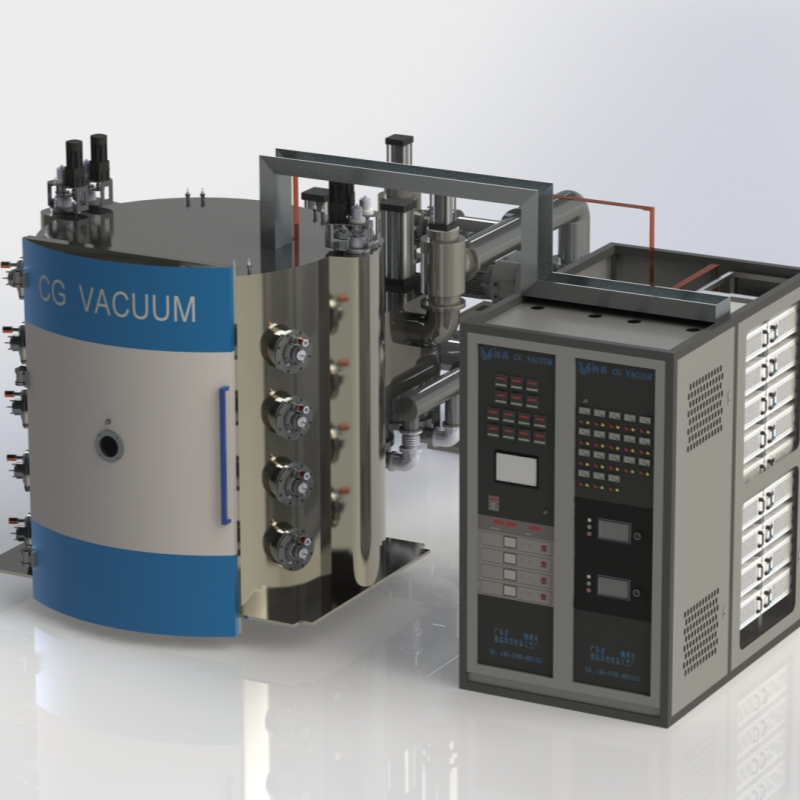
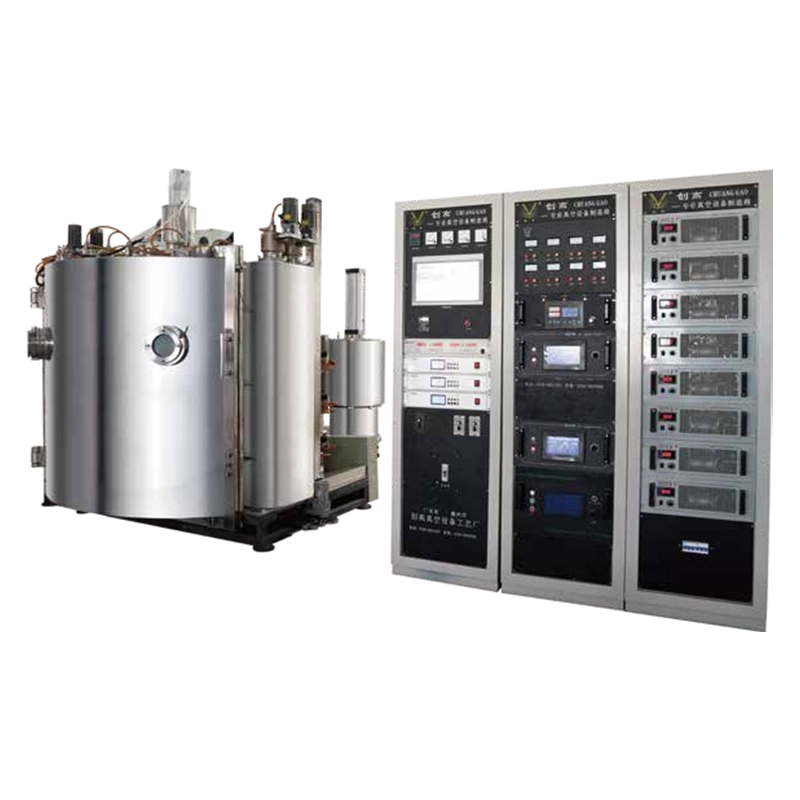
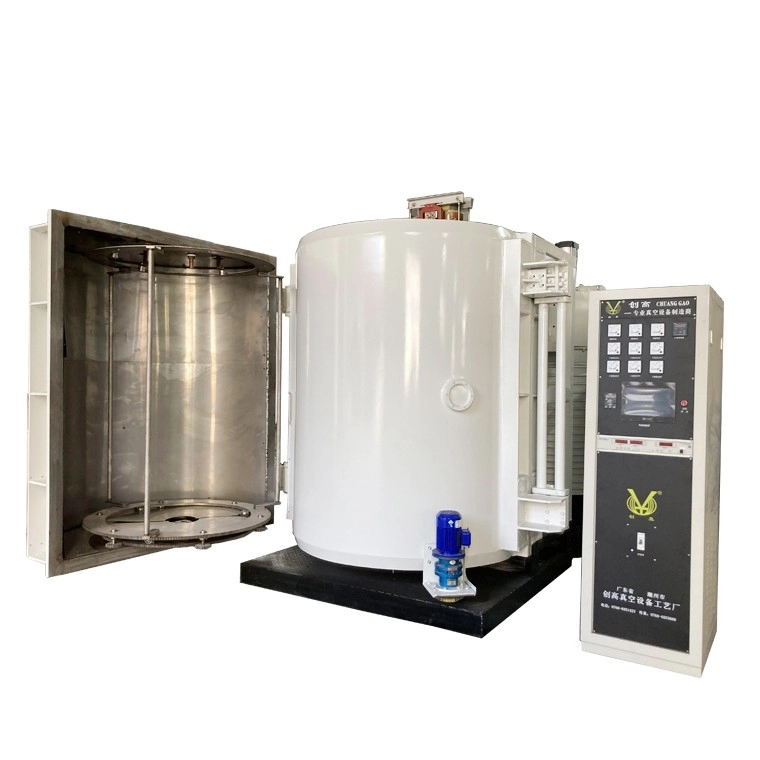
A PVD coating machine operates through the coordinated performance of the vacuum system, deposition sources, cooling system, gas control, fixtures, power supplies, and electrical controls. When one of these systems gradually loses stability, the first sign may not be a complete machine failure—it may appear as longer pumping time, unstable coating color, poor film uniformity, abnormal arcs, or lower production yield.
For manufacturers using a PVD vacuum coating machine in continuous production, preventive maintenance is therefore part of production control rather than simply an after-sales task. A structured PVD coating machine maintenance checklist helps identify problems before they cause unplanned downtime, coating defects, or higher operating costs.
Why Does a PVD Coating Machine Need a Preventive Maintenance Plan?
A vacuum coating system operates under demanding conditions. During repeated coating cycles, deposits accumulate inside the chamber, targets gradually wear, seals age, pump performance may change, and cooling lines can become contaminated or restricted.
Without regular PVD equipment maintenance, these small changes can gradually affect:
- Pumping speed
- Ultimate vacuum
- Plasma stability
- Coating uniformity
- Color consistency
- Target performance
- Equipment uptime
Preventive maintenance allows operators to detect these changes early instead of waiting until a failure interrupts production. The ideal maintenance interval is not identical for every factory. Machine utilization, coating process, target materials, chamber loading, and production hours should all be considered.
Daily PVD Coating Machine Maintenance Checklist
Daily maintenance should focus on conditions that directly affect the next coating cycle. These checks are generally simple but important for identifying abnormal changes at an early stage.
Check Vacuum Performance
Record the base vacuum and pumping time before production. A gradual increase in pumping time may indicate chamber contamination, leakage, seal deterioration, or declining pump performance.
Check Cooling Water
Confirm water flow, temperature, and pressure for coating sources, power supplies, and other heat-generating components. Abnormal cooling conditions should be corrected before production continues.
Check Process Gas Supply
Verify gas pressure and supply status. Unstable gas delivery can affect plasma conditions and coating repeatability.
Inspect the Chamber and Sealing Area
Check whether sealing surfaces are clean and whether there are obvious deposits, contamination, or damage around doors and seals.
Review Alarms and Operating Records
Do not simply reset repeated alarms. Recording abnormal pressure, temperature, current, or cycle behavior makes later troubleshooting much easier.
Weekly PVD Coating Machine Maintenance Checklist
Weekly maintenance should focus on parts where contamination, wear, or mechanical changes gradually accumulate.
Clean Chamber Deposits
Inspect chamber walls, shielding plates, and areas near coating sources. Excessive deposits may flake off and become a source of particles or contamination.
Inspect Targets and Deposition Sources
Check target erosion, surface condition, mounting, and abnormal burning or arcing.
For a magnetron sputtering vacuum coating machine, uneven target erosion or abnormal source conditions can influence deposition stability and coating uniformity.
Inspect Seals
Check O-rings and sealing surfaces for dirt, cracks, flattening, or other visible deterioration.
Check Vacuum Pump Condition
Observe oil condition where applicable, operating temperature, noise, and vibration. Changes should be recorded instead of waiting for pumping performance to deteriorate significantly.
Inspect Fixtures and Rotation Mechanisms
Make sure fixtures rotate smoothly, and product holders remain secure. Irregular movement can lead to uneven film thickness.
Monthly PVD Coating Machine Maintenance Checklist
Monthly maintenance should move beyond basic cleaning and focus on the performance of major machine systems.
Vacuum System
Check pumps, valves, vacuum gauges, pipelines, and connections. Compare current pumping performance with previous operating records.
Cooling System
Inspect filters, water lines, joints, pumps, flow sensors, and temperature conditions. Deposits or restricted flow can reduce cooling efficiency.
Gas Control System
Inspect pipelines, valves, pressure regulators, and mass flow controllers for abnormal behavior or leakage.
Electrical and Power Systems
Check cable connections, terminals, cooling fans, power supplies, and electrical cabinets for overheating, looseness, dust, or abnormal operation.
Safety Interlocks
Confirm that vacuum, cooling, door, power, and emergency protection functions respond correctly.
What Should Be Checked on the Main PVD Machine Components?
The following table can be used as a quick PVD coating machine maintenance checklist:
| Component | Main Maintenance Focus | Common Warning Signs |
|---|---|---|
| Vacuum Pumps | Oil, temperature, vibration, pumping performance | Longer pumping time, abnormal noise |
| Sealing Rings | Cleanliness, cracks, deformation | Vacuum leakage, unstable pressure |
| Targets | Erosion, contamination, mounting | Unstable arc, deposition variation |
| Cooling System | Flow, temperature, filters, connections | High temperature, low flow alarms |
| Vacuum Chamber | Deposits, flakes, contamination | Particles, poor coating quality |
| Fixtures | Rotation, bearings, product holding | Uneven coating |
| Gas System | Pressure, flow stability, leakage | Color or process instability |
| Power Supply | Output stability, cooling, connections | Abnormal current, frequent alarms |
| Control System | Sensors, recipes, alarm records | Inconsistent cycle execution |
When Should Maintenance Be Performed Earlier Than Scheduled?
A maintenance calendar provides a useful baseline, but actual machine condition should always take priority.
The following changes may indicate that a vacuum coating machine needs inspection before the next scheduled maintenance:
- Pumping time becomes progressively longer
- The chamber no longer reaches its normal vacuum level
- Coating color begins to vary between batches
- Film thickness or uniformity becomes unstable
- Arc faults or abnormal discharges increase
- Cooling temperature rises
- Unusual vibration or noise appears
- Alarm frequency increases
These signs should not be treated as isolated production problems. When several occur together, they may indicate deterioration in a shared machine system.
For example, longer pumping time combined with unstable coating quality may point to vacuum leakage, chamber contamination, or pump performance rather than a process recipe alone.
Build a Preventive Maintenance System, Not Just a Checklist
A PVD coating machine maintenance checklist is useful, but stable production requires more than fixed daily, weekly, and monthly tasks. Maintenance intervals should also reflect machine operating hours, coating process, target usage, chamber contamination, and actual vacuum performance.
A practical maintenance system should combine scheduled inspection + condition monitoring + maintenance records. By tracking pumping time, vacuum level, target replacement, chamber cleaning, cooling performance, and recurring alarms, manufacturers can identify changes before they develop into production downtime or coating defects.
Machine Design and Supplier Support Matter in Long-Term Maintenance
After the maintenance process is standardized, the next factor is the machine itself. A well-designed PVD coating machine should make chamber cleaning, target replacement, seal inspection, vacuum-system checks, and routine servicing easier, reducing downtime and maintenance complexity. For B2B buyers comparing PVD coating machine manufacturers, evaluate long-term maintainability alongside coating performance, production capacity, and purchase price.
This becomes especially important for specialized systems such as a PVD coating machine for jewelry or a magnetron sputtering vacuum coating machine, where production consistency depends on frequent batch operation and stable process repetition.CGVAC develops PVD systems around actual product, coating, and production requirements, while also considering long-term operation and maintenance. Its value is not limited to supplying equipment, but extends to process matching, commissioning, training, and continued technical support.
Application-Based Machine Configuration
CGVAC configures the chamber, targets, fixtures, vacuum system, and controls according to actual production needs, helping reduce mismatch between standard equipment and real applications.From jewelry and sanitary ware to ceramics, stainless steel, glass, plastics, and electronics, CGVAC configures PVD systems around the actual product, coating process, and production target.


Maintenance-Friendly Equipment Design
Key service areas are considered during equipment design, making routine cleaning, target replacement, inspection, and maintenance more efficient.
Process and Machine Matching
Equipment configuration is aligned with coating requirements and production conditions, helping maintain coating stability during long-term batch operation.
Testing and Commissioning Support
Sample testing and machine commissioning help verify process suitability before mass production and reduce later adjustment risks.
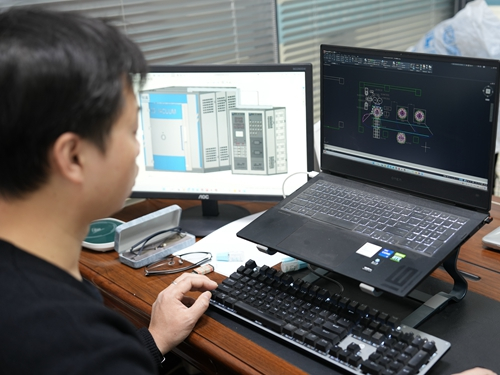

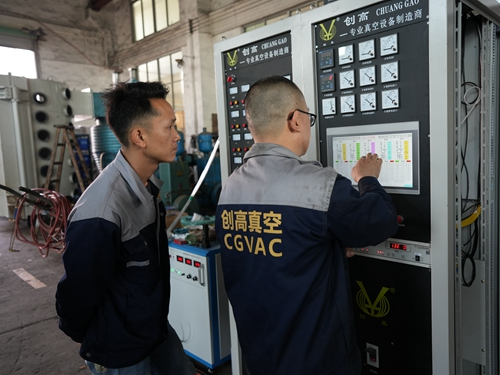
CGVAC supports customers after installation with operation guidance, maintenance assistance, process adjustment, and future production expansion.

Conclusion: Maintain PVD Equipment for Stable Production
Regular PVD coating machine maintenance helps protect vacuum performance, coating consistency, equipment uptime, and long-term operating cost. Daily, weekly, and monthly maintenance should therefore work together with equipment-condition monitoring rather than being treated as isolated tasks.
If you are planning a new PVD vacuum coating machine or want equipment designed for stable operation and easier long-term maintenance, CGVAC can evaluate your products, coating process, capacity, and production requirements. Contact CGVAC for a more suitable PVD equipment configuration and technical solution.