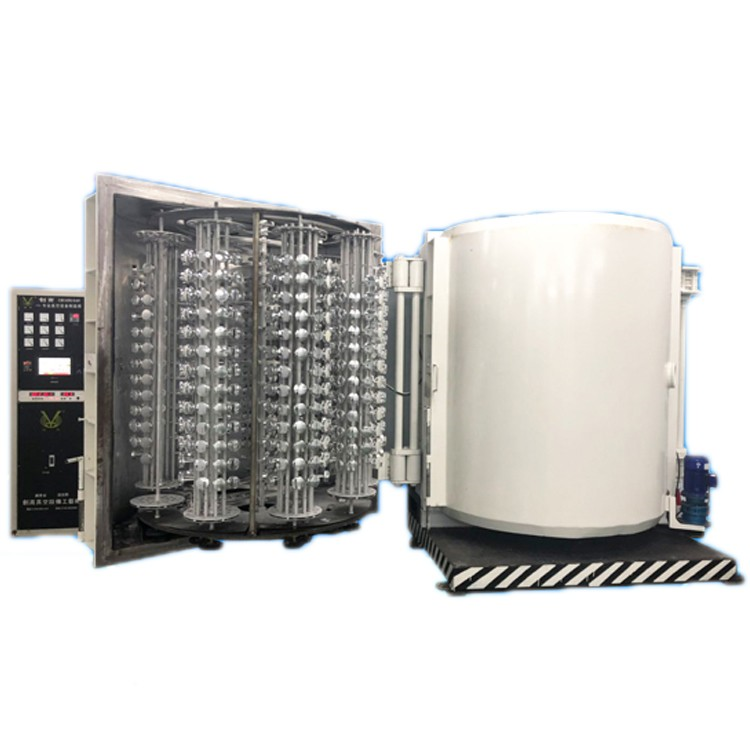
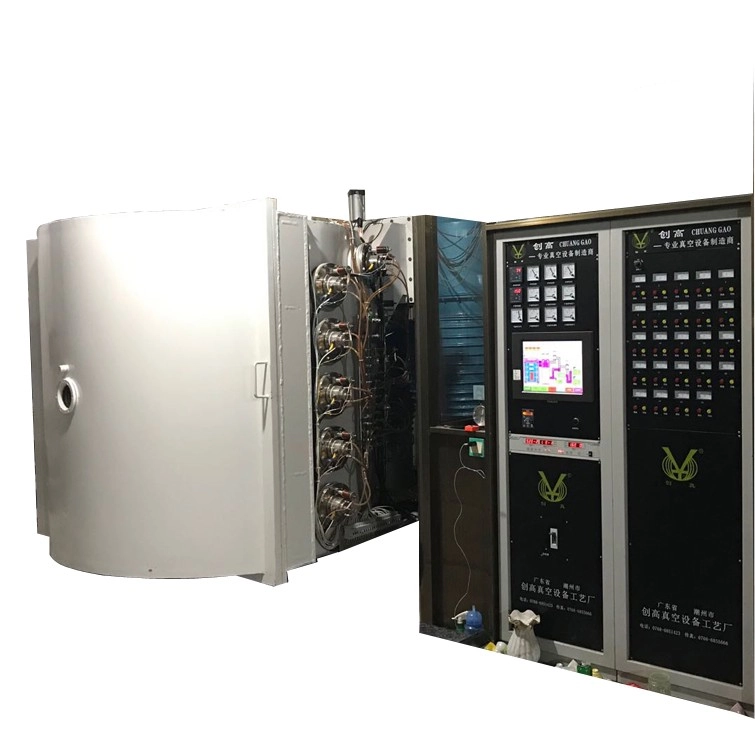
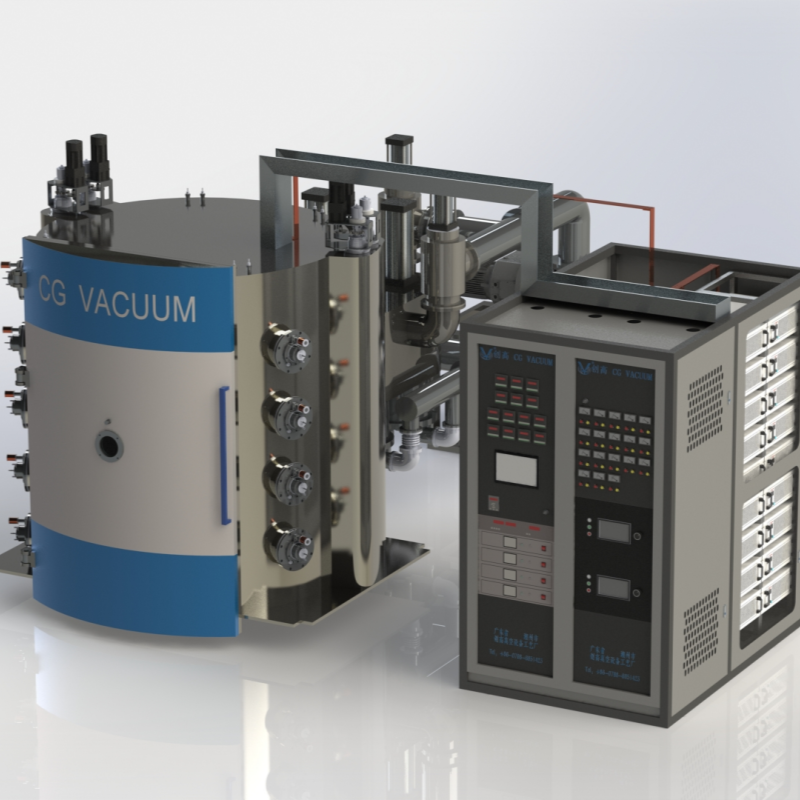
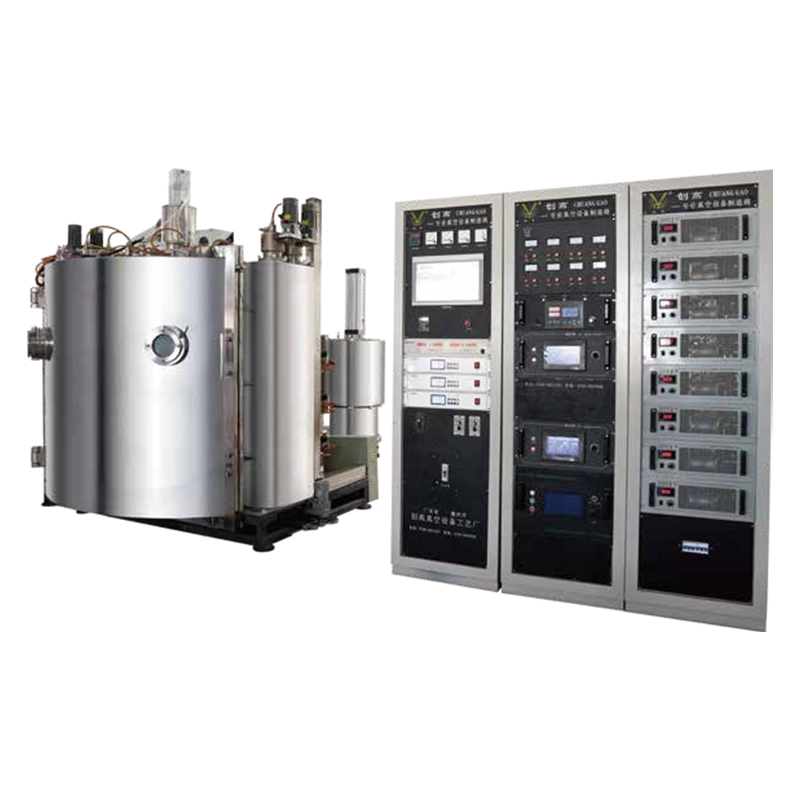
Magnetron sputtering vs arc ion plating is one of the most important comparisons manufacturers face when selecting a PVD coating machine. Both are widely used physical vapor deposition processes, but they differ in coating characteristics, deposition efficiency, surface quality, and suitable applications.
For buyers evaluating a PVD vacuum coating machine, the right choice should not depend on which technology sounds more advanced. It should depend on your substrate material, required coating appearance, adhesion, hardness, production capacity, and end-use requirements. A suitable vacuum coating machine must match the actual product and coating process rather than simply follow one standard configuration.
What Is Magnetron Sputtering?
Magnetron sputtering is a PVD deposition technology in which energetic ions bombard a solid target inside a vacuum chamber. The target releases atoms that deposit onto the substrate to form a thin coating.
A magnetic field helps confine electrons near the target surface, increasing plasma density and improving sputtering efficiency. Because deposition can be precisely controlled, a magnetron sputtering vacuum coating machine is particularly suitable for applications that require smooth surfaces, controlled film thickness, good uniformity, and repeatable coating results.
Typical coating materials can include titanium, chromium, zirconium, stainless steel, and other metals or compounds depending on the process configuration.
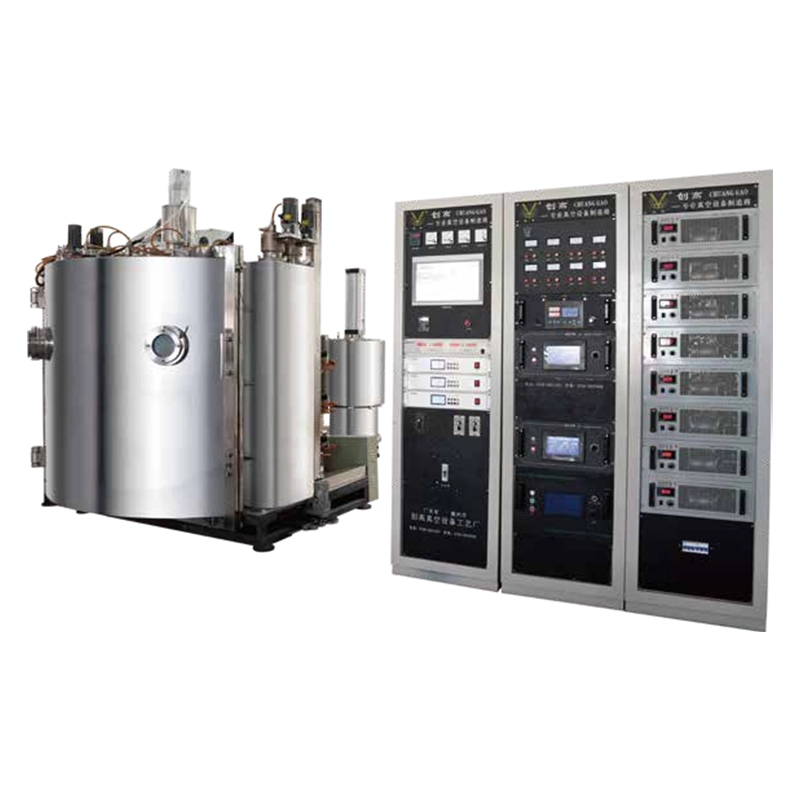
Main Advantages of Magnetron Sputtering
- Smooth and fine coating surfaces
- Good film thickness uniformity
- Precise deposition control
- Low level of macroparticle defects
- Suitable for decorative and functional thin films
- Suitable for electronics, optics, glass, and precision products
For manufacturers whose main concern is coating appearance and precision, a magnetron sputtering coating machine is often an attractive option.
What Is Arc Ion Plating?
Arc ion plating, also known as cathodic arc deposition or multi-arc ion plating in many industrial systems, uses a high-current arc to evaporate material from a cathode target. The process generates highly ionized metal plasma. These energetic ions travel toward the substrate and form a dense coating with strong adhesion.
Compared with conventional sputtering, arc ion plating generally provides high ionization and high deposition efficiency. This makes an arc ion plating machine particularly suitable for hard, wear-resistant, and decorative coatings.
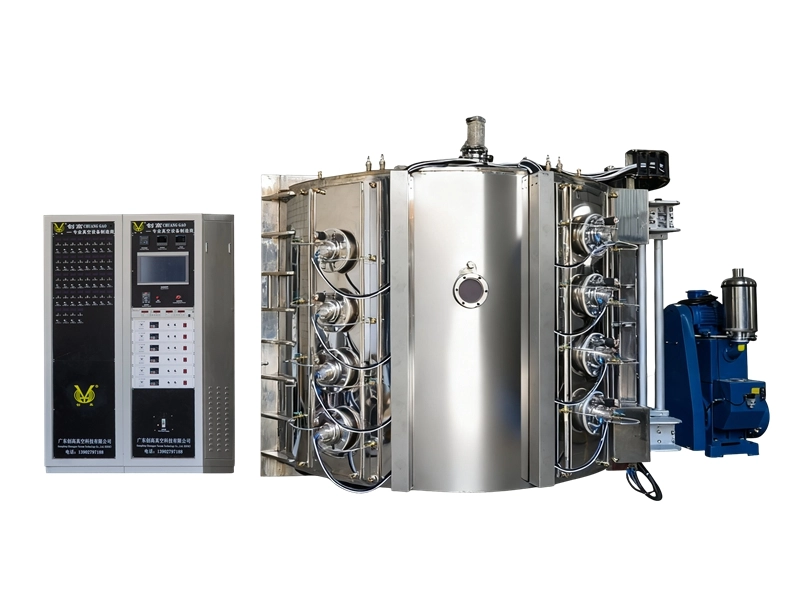
Main Advantages of Arc Ion Plating
- High coating adhesion
- Dense coating structure
- High hardness
- Excellent wear resistance
- High deposition efficiency
- Suitable for industrial batch production
- Good performance on decorative metal products
The main consideration is surface morphology. Cathodic arc processes can generate macroparticles or droplets, so applications demanding extremely smooth, optical-quality surfaces require careful process control or another deposition approach.
Magnetron Sputtering vs. Arc Ion Plating: What Are the Main Differences?
When comparing magnetron sputtering vs arc ion plating, the main differences are reflected in deposition method, coating smoothness, adhesion, deposition efficiency, and suitable applications. The following table provides a quick comparison for buyers choosing a PVD coating machine.
| Comparison Factor | Magnetron Sputtering | Arc Ion Plating |
|---|---|---|
| Deposition Principle | Uses plasma ions to bombard a target and deposit sputtered atoms onto the substrate | Uses a cathodic arc to evaporate and ionize target material before deposition |
| Ionization Level | Moderate | High |
| Surface Smoothness | Excellent; suitable for fine and smooth coatings | Good, but macroparticles or droplets may occur |
| Coating Uniformity | Excellent and easier to control precisely | Good to excellent with proper fixture and process control |
| Coating Adhesion | Good to excellent | Excellent |
| Coating Hardness | Good; depends on coating material and process | Excellent for many hard and wear-resistant coatings |
| Deposition Rate | Moderate | Generally faster |
| Film Thickness Control | Excellent; suitable for precise thin-film deposition | Good, especially for industrial decorative and hard coatings |
| Surface Defects | Fewer particle defects | Higher risk of macroparticles |
| Production Efficiency | Suitable for precision and quality-focused production | Suitable for high-efficiency industrial batch production |
| Typical Applications | Glass, electronics, optics, precision decorative coatings | Stainless steel, sanitary ware, jewelry, ceramics, hardware and tools |
| Main Advantage | Smooth surface, uniformity, and precise coating control | Strong adhesion, hardness, wear resistance and high deposition efficiency |
| Best Choice When | Surface quality and precise film control are priorities | Durability and production efficiency are priorities |
Magnetron sputtering is generally better suited to applications requiring smooth surfaces, coating uniformity, and precise film control, while arc ion plating is often preferred when manufacturers need strong adhesion, high hardness, wear resistance, and higher production efficiency
How Do Magnetron Sputtering and Arc Ion Plating Differ in Coating Performance?
When comparing magnetron sputtering vs arc ion plating, there is no simple answer to which technology produces “better” coating quality because different applications define quality in different ways.
If the priority is surface smoothness, coating uniformity, precise thickness control, and fewer particle defects, magnetron sputtering usually has an advantage. Its stable deposition process makes it suitable for glass, optical components, electronics, and decorative products that require a refined surface finish.
If the project focuses more on adhesion, hardness, wear resistance, and coating density, arc ion plating is often the better option. Its highly ionized plasma helps produce strongly bonded coatings, making it suitable for stainless steel, hardware, tools, sanitary ware, and functional hard coatings.
Therefore, when choosing a PVD coating machine, buyers should first define the most important performance requirements of the final product rather than simply comparing the two technologies.
How Should PVD Technology Be Selected for Different Applications?
Different products require different coating properties, so PVD technology should be selected based on substrate material, appearance, wear resistance, film thickness, and production capacity.
| Application | Recommended Technology | Main Reason |
|---|---|---|
| Jewelry | Magnetron Sputtering / Arc Ion Plating | Sputtering offers smoother finishes; arc plating offers strong adhesion and wear resistance |
| Stainless Steel | Arc Ion Plating | Suitable for decorative, wear-resistant, and batch production applications |
| Sanitary Ware | Arc Ion Plating | Strong adhesion, corrosion resistance, and durability |
| Ceramics | Both | Selection depends on color, appearance, and durability requirements |
| Glass | Magnetron Sputtering | Better suited to uniform, precise, and functional coatings |
| Electronics | Magnetron Sputtering | Suitable for precise film thickness and functional thin films |
| Optical Components | Magnetron Sputtering | High requirements for coating uniformity and surface quality |
| Tools | Arc Ion Plating | Suitable for hard and wear-resistant coatings |
For jewelry manufacturers, there is no single standard PVD coating machine for jewelry. Magnetron sputtering is often preferred for smooth, refined decorative finishes, while arc ion plating is more suitable when durability, adhesion, and production efficiency are the main priorities.
What Practical Production Factors Should You Consider Before Choosing?
After determining the required coating performance and product application, the next step is not simply choosing one technology immediately. Buyers should also evaluate how the system will perform under real production conditions. For B2B manufacturers, a suitable PVD coating machine should not only produce the required coating, but also maintain stable output, consistent quality, and controllable operating costs over long-term production.
Key factors include:
- Batch loading capacity
- Coating cycle time
- Product size and geometry
- Required film thickness and color
- Yield and rework rate
- Target and consumable consumption
- Maintenance requirements
- Future production expansion
For example, high-volume decorative hardware production may benefit more from higher deposition efficiency, while high-value products with strict surface requirements may place greater importance on reducing defects and rework.
Therefore, when selecting a PVD vacuum coating machine, buyers should evaluate the overall production result rather than focusing on one technical parameter alone.
How Do You Turn Technology Comparison into the Right Machine Configuration?
After comparing magnetron sputtering vs arc ion plating, equipment selection should be based on actual production requirements rather than deposition technology alone.
A professional PVD coating machine configuration should consider:
- Substrate material
- Product size and geometry
- Required coating and color
- Film thickness and performance
- Production capacity
- Automation and process stability
These factors directly influence chamber size, target configuration, fixtures, vacuum system, and process control.
When evaluating PVD coating machine manufacturers, buyers should therefore focus on process assessment, equipment customization, and sample testing capabilities—not only machine price and basic specifications.
CGVAC can evaluate magnetron sputtering, arc ion plating, and hybrid PVD systems based on product material, coating requirements, and production capacity, helping buyers select a more suitable PVD vacuum coating machine solution.
Why Does Manufacturer Engineering Capability Matter for a PVD Project?
Once the magnetron sputtering vs arc ion plating process route has been defined, the success of the project depends largely on whether the equipment manufacturer can convert coating requirements into a stable production solution.
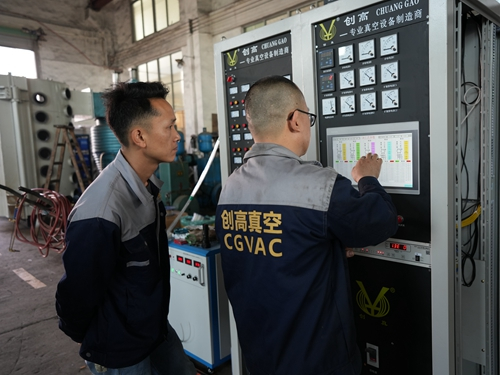
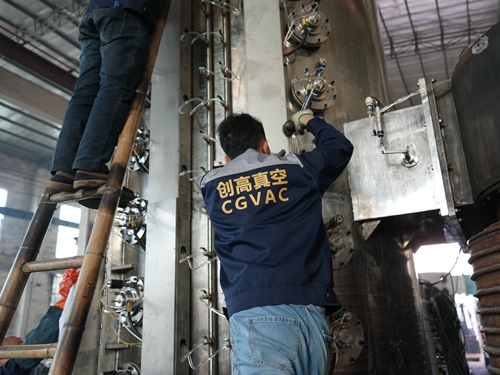
CGVAC focuses on PVD vacuum coating equipment and can configure chamber size, target system, fixtures, vacuum system, and control settings according to different substrates, coating requirements, colors, and production capacity. Compared with applying one standard machine configuration to every project, this application-based approach helps improve coating consistency and long-term production stability.
Process and Machine Configuration Developed Together
CGVAC does not focus only on the machine itself. Equipment configuration is matched with substrate material, coating performance, and production requirements, helping the PVD coating machine better fit the actual application.
Sample Testing and Process Validation
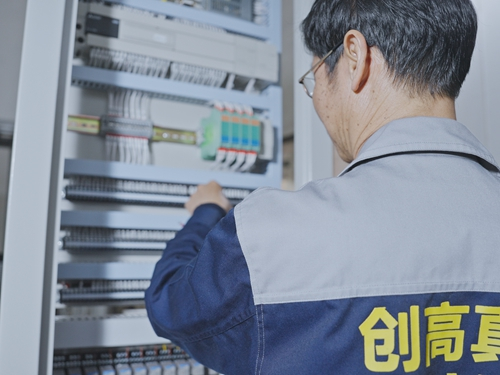
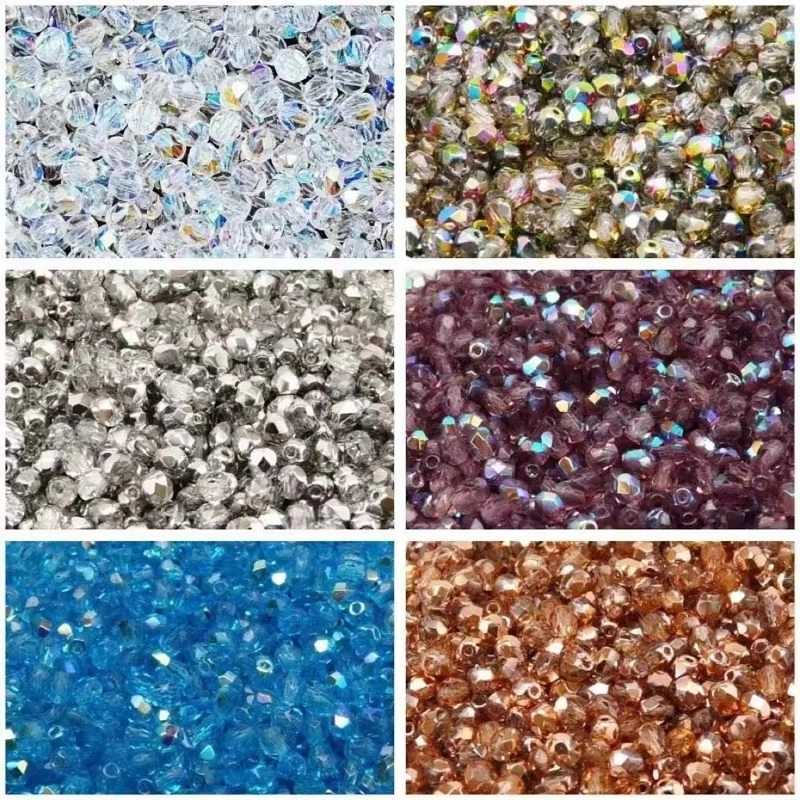
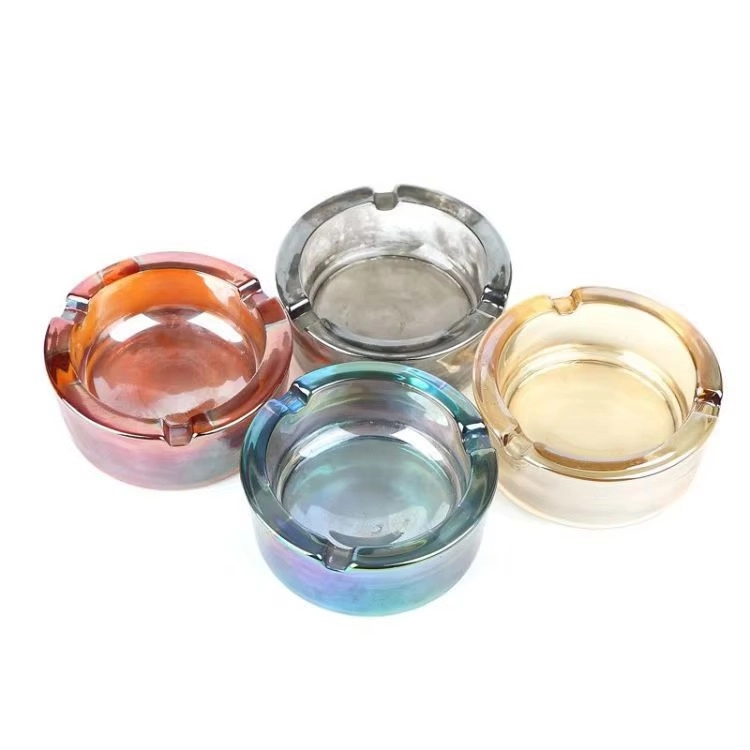
For jewelry, stainless steel, ceramics, glass, hardware, and other products, sample testing can be used to verify color, adhesion, surface finish, and coating uniformity before the final machine configuration is confirmed.
Customization for Long-Term Production
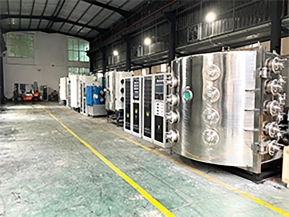
From chamber design and target quantity to fixtures and automation control, CGVAC can adapt the system to different production capacities and product structures, helping buyers balance current production needs with future expansion.
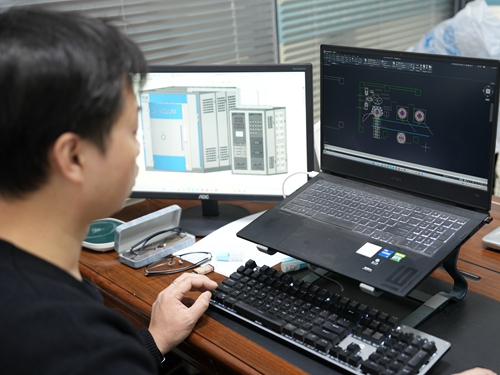
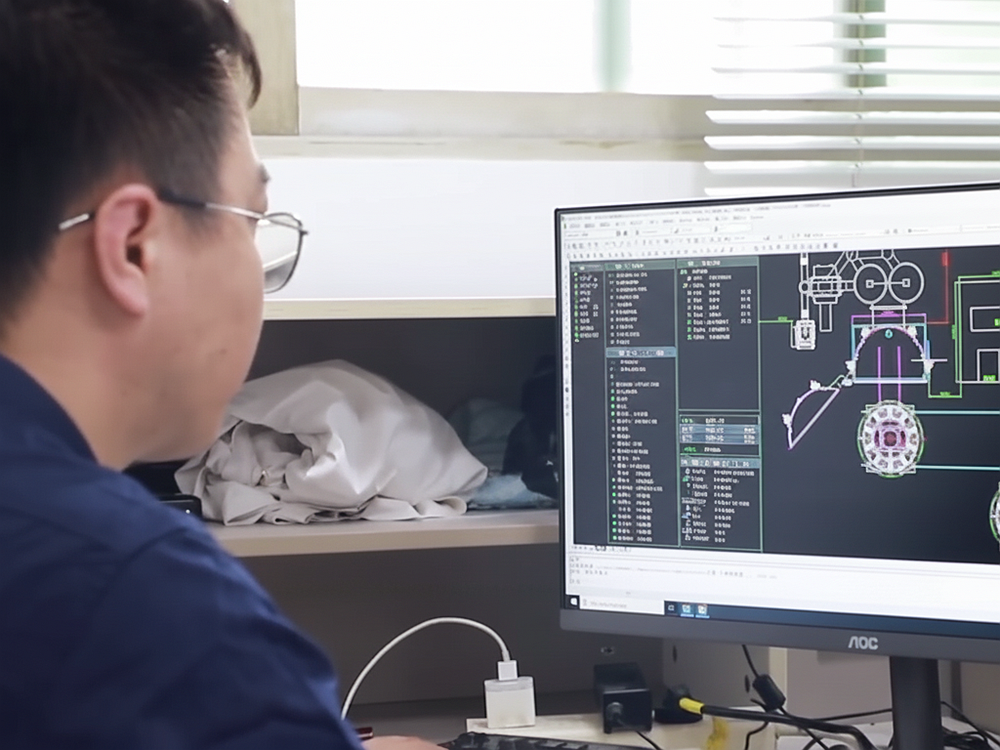
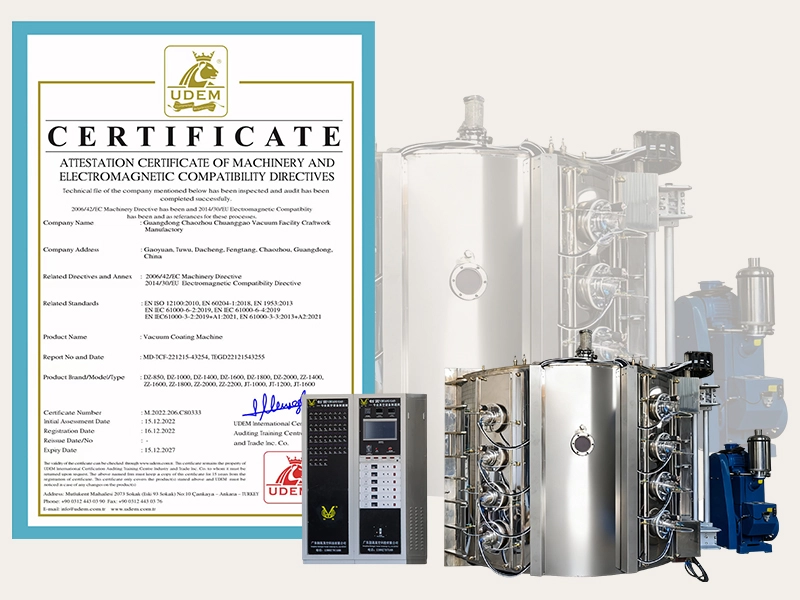
Overall, when evaluating PVD coating machine manufacturers, buyers should look beyond basic machine specifications and focus on whether the supplier can integrate coating requirements, product characteristics, and production targets into a complete solution. Through process evaluation, equipment customization, sample validation, and production matching, CGVAC helps turn the initial technology selection into a practical machine configuration, reducing selection risks and improving long-term production suitability.
Conclusion: Choose the Right PVD Technology for Your Project
There is no absolute winner in magnetron sputtering vs arc ion plating. The right choice depends on how well the process matches your substrate material, coating performance, surface requirements, and production capacity. For B2B buyers, the priority is to select a PVD coating machine that can deliver consistent coating quality, stable production, and long-term reliability.
If you are evaluating magnetron sputtering, arc ion plating, or a hybrid PVD system, CGVAC can provide process evaluation and equipment configuration recommendations based on your product and production requirements.
Contact CGVAC to discuss a more suitable PVD vacuum coating machine solution and quotation.