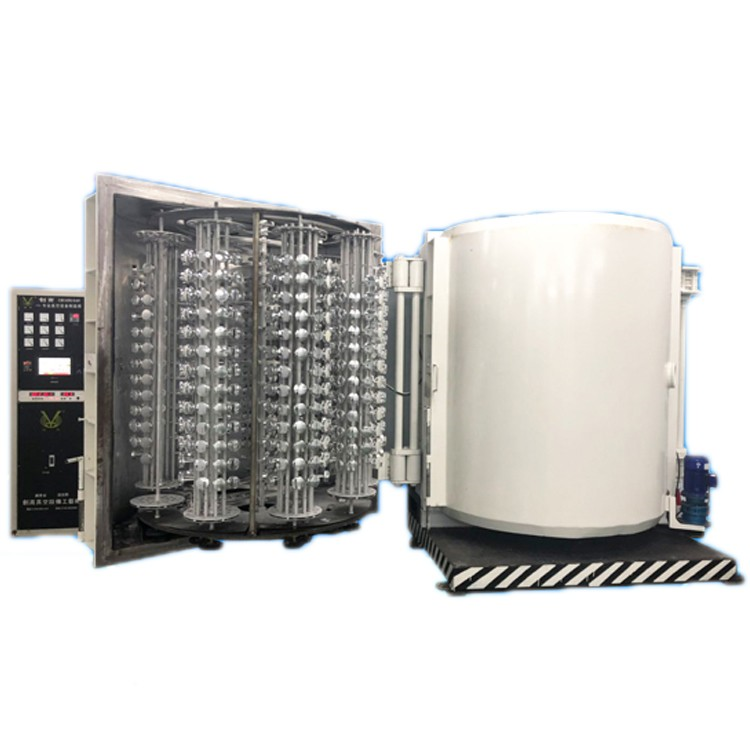
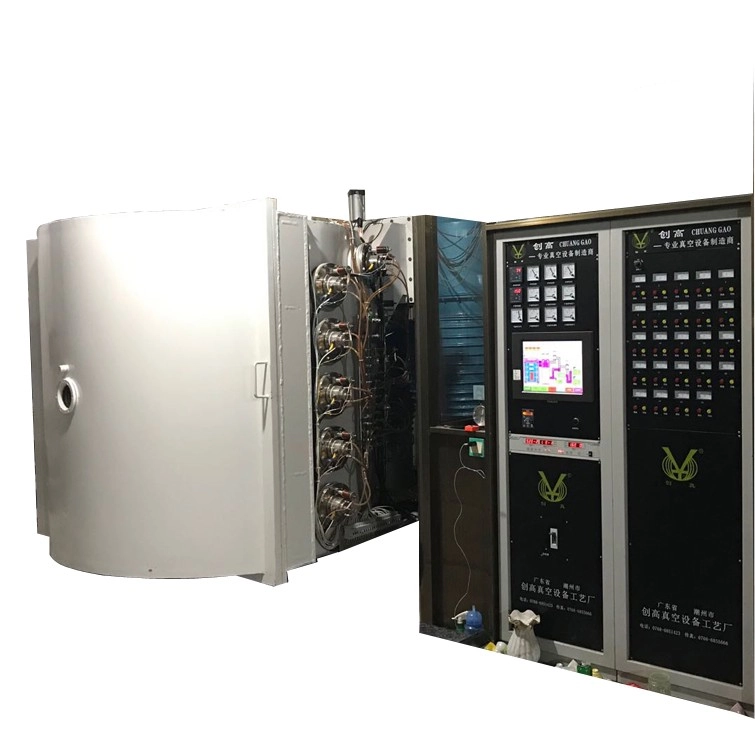
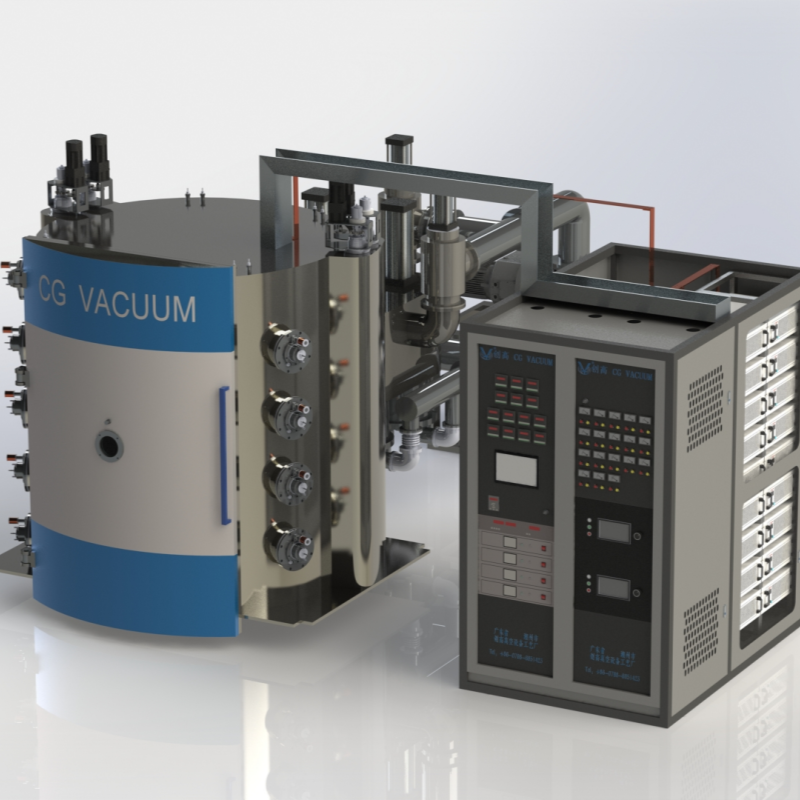
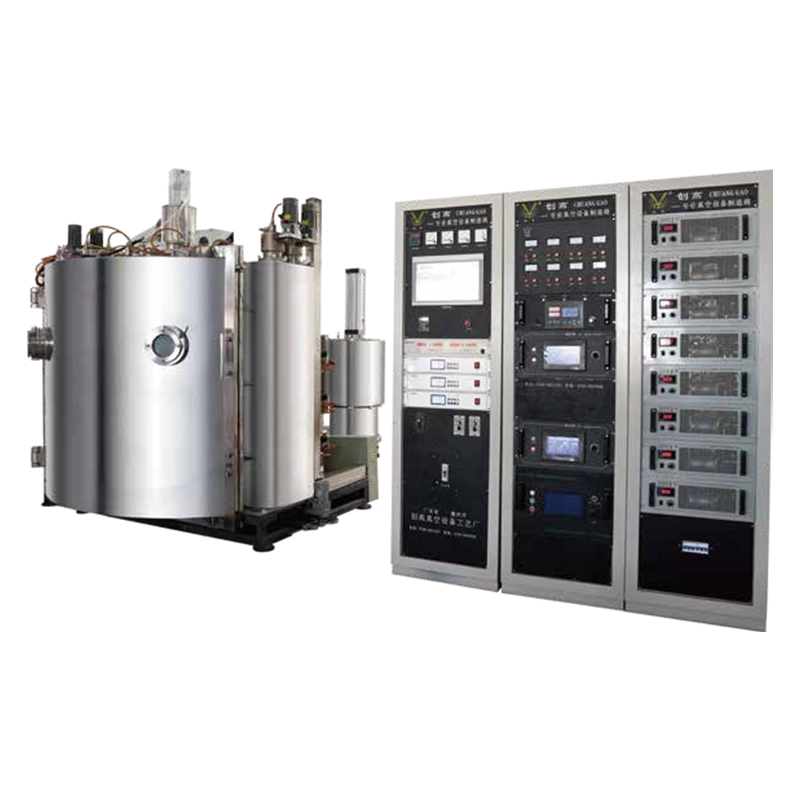
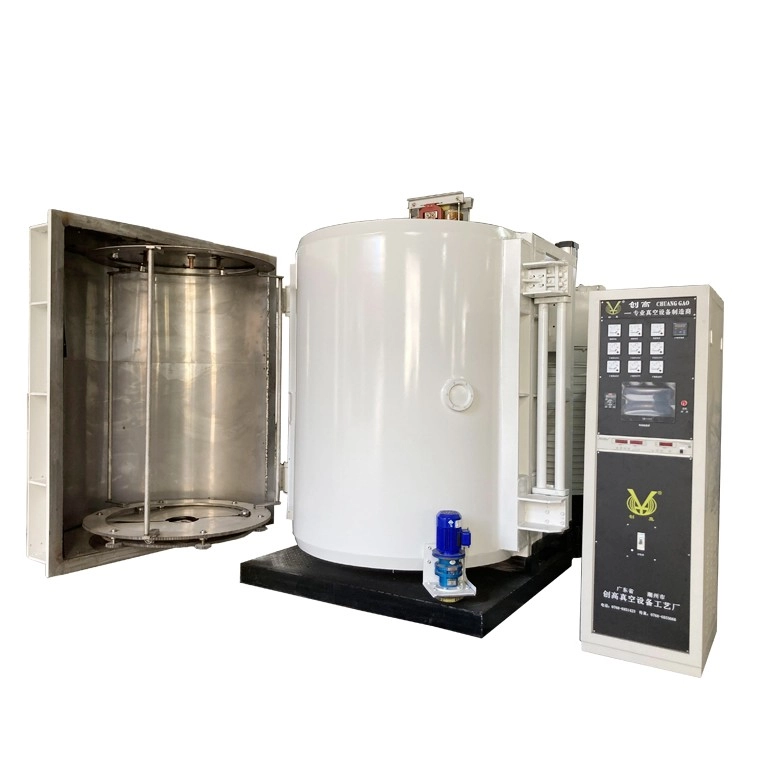
PVD(物理蒸着) is one of the most advanced surface coating technologies widely used in modern manufacturing. It is a vacuum-based process that deposits thin functional films onto materials, improving hardness, corrosion resistance, and decorative appearance. As a professional manufacturer of vacuum coating machines, CGVAC explains the PVD coating technology and focuses on delivering high-performance PVD coating machines for global industrial applications.
What is PVD Coating?
PVD stands for 物理蒸着. It refers to a process in which solid coating materials are vaporized in a vacuum and then deposited onto a substrate surface as a thin film.
In simple terms, PVD is like “dressing the surface of a product with a nano-level protective layer” that enhances both appearance and performance.
Main Types of PVD Coating Technologies
| Technology Type | Working Principle | 主な特徴 |
|---|---|---|
| Vacuum Evaporation Coating | Material is heated and evaporated before deposition | Simple process, but lower film uniformity |
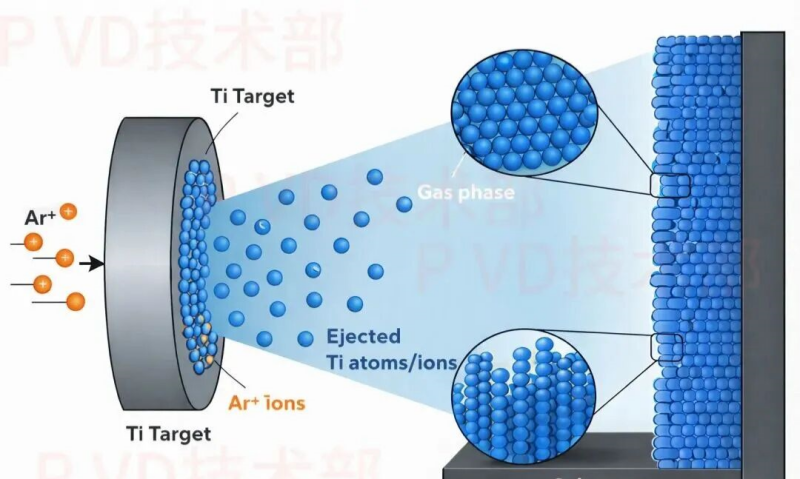
| マグネトロンスパッタリング | Ions bombard the target material to eject atoms | Dense film, ideal for functional coatings |
| Ion Plating (Arc PVD) | Arc discharge ionizes material for deposition | Strong adhesion, widely used in industry |
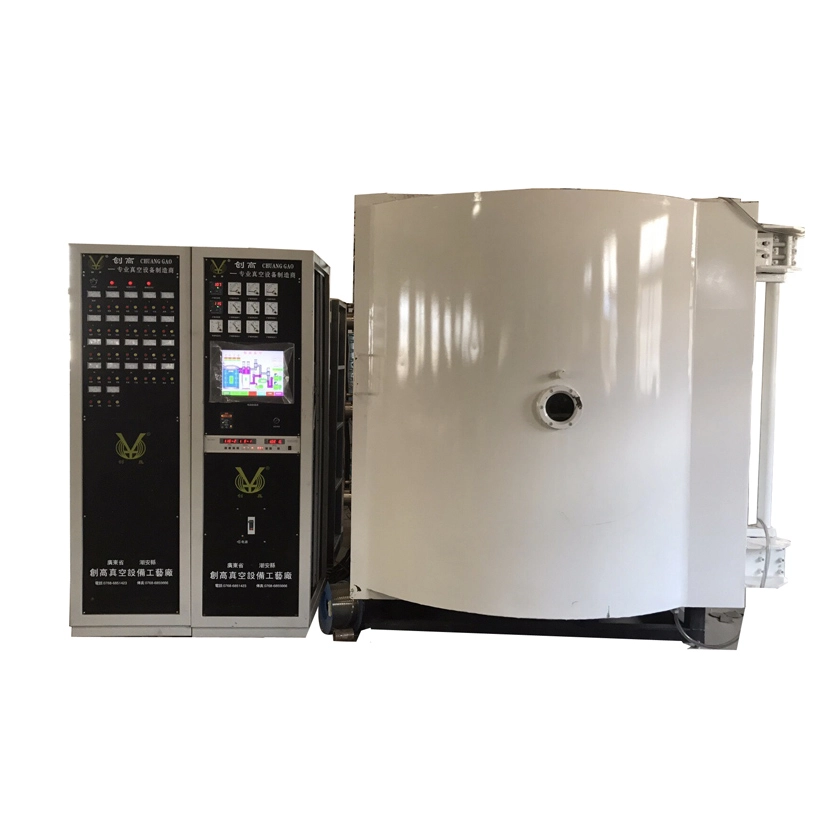
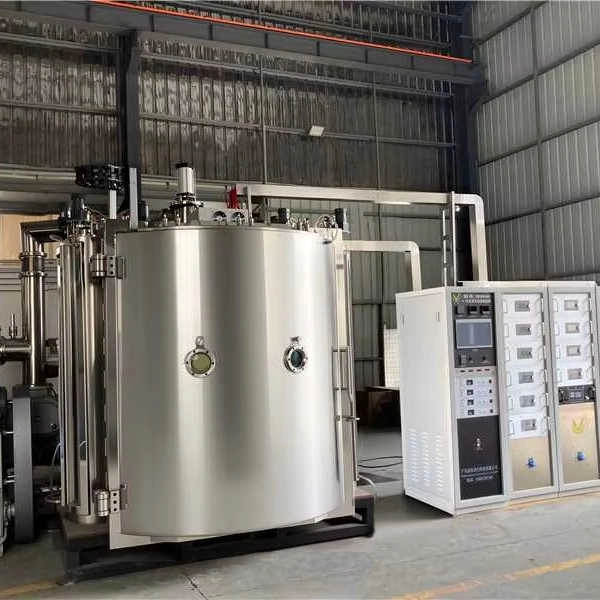
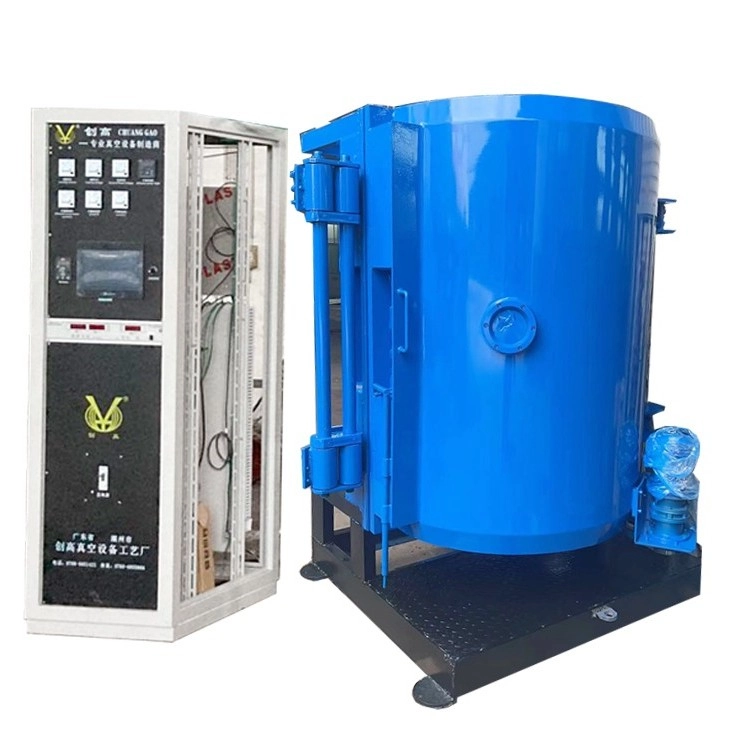
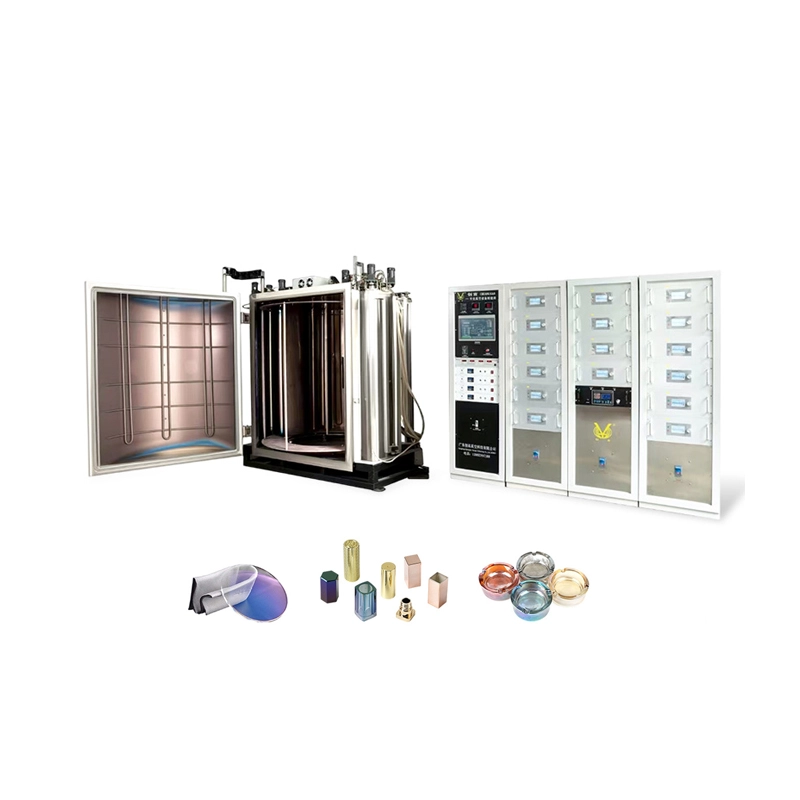
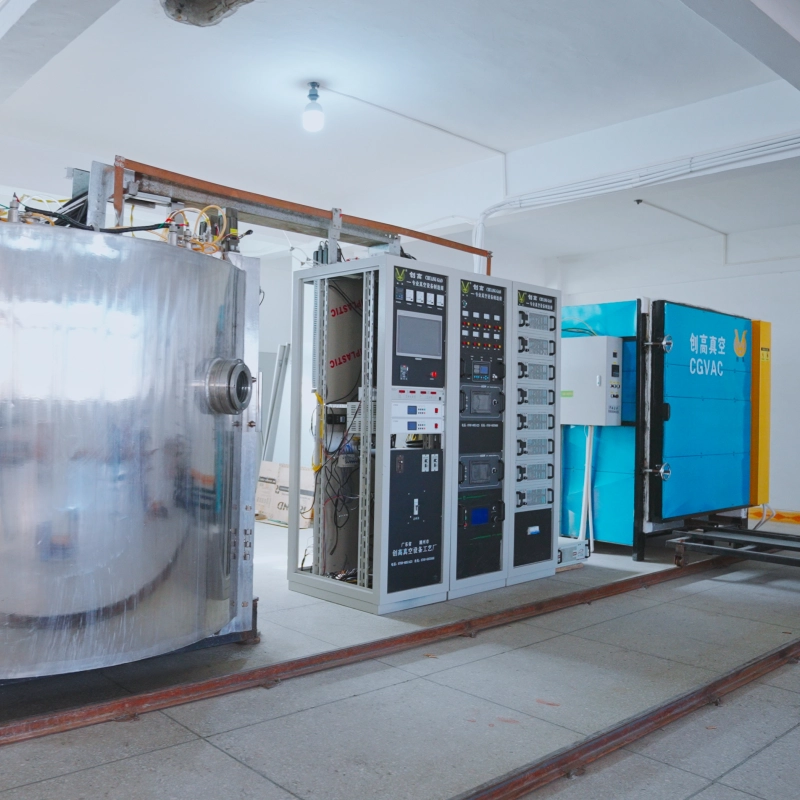
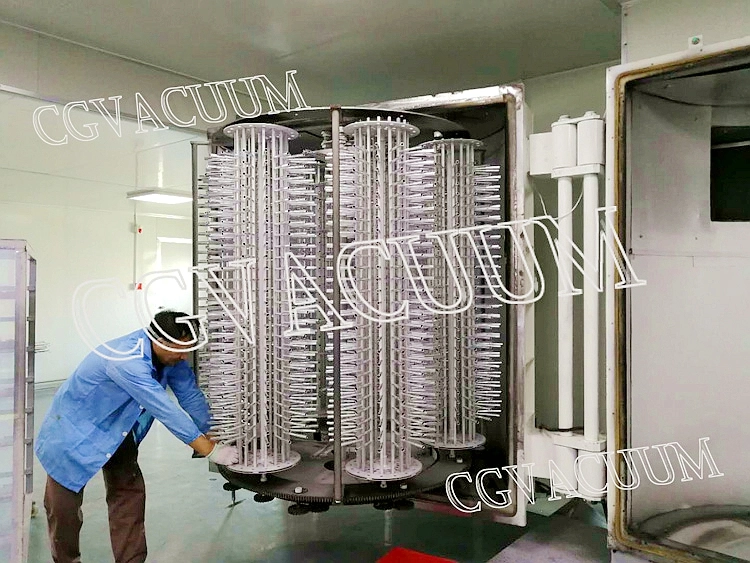
CGVAC PVDコーティング装置 support multiple processes, including magnetron sputtering, multi-arc ion plating, and hybrid systems.
Working Principle of Ion Plating (Arc PVD)
The most widely used industrial method is arc ion plating. The process includes:
- Vacuum Environment: The chamber is evacuated to eliminate contamination.
- Arc Discharge: High current generates an arc on target materials like titanium or chromium.
- Ion Deposition: Ionized particles accelerate and bond tightly to the substrate surface.
This results in a dense, durable, and highly adhesive coating layer.
Key Advantages of PVD Coating Films
High hardness: 3–5 times more wear-resistant than electroplating
Strong corrosion resistance: Performs well in humid and coastal environments
Color stability: No fading even under long-term UV exposure
Ultra-thin coating: 0.3–5μm thickness without affecting dimensions
Eco-friendly process: No toxic wastewater or heavy metal pollution
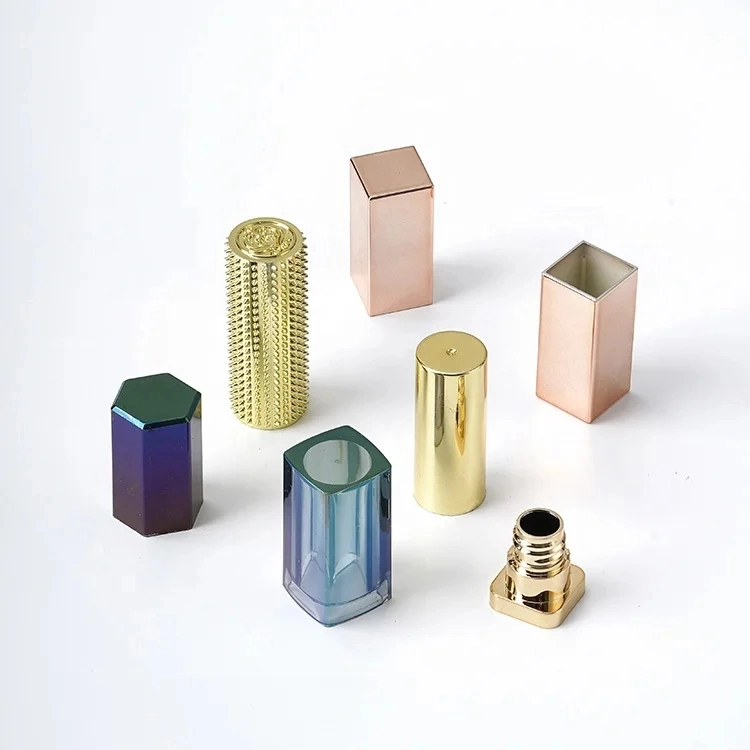
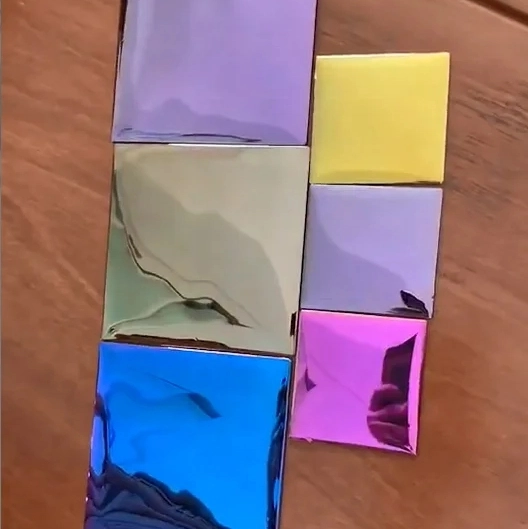
Decorative flexibility: Gold, black, titanium, rainbow and more finishes
PVD Coating Colors and Applications
| Color Category | Typical Finishes | アプリケーション |
|---|---|---|
| Gold Series | Gold, Rose Gold, Champagne | Bathroom hardware, jewelry, luxury decor |
| Dark Series | Black, Gunmetal, Bronze | Tools, architectural hardware, industrial parts |
| Special Colors | Blue, Purple, Rainbow | 電子機器, consumer products, design items |

PVD vs Traditional Electroplating: Which is Better?
| Comparison | PVDコーティング | 電気めっき |
|---|---|---|
| Adhesion Strength | Extremely strong, no peeling under bending | Moderate, may peel over time |
| 耐摩耗性 | High durability and low friction | Lower resistance, easier to wear out |
| 環境への影響 | Vacuum process, no wastewater | Heavy metal pollution risk |
| 耐久性 | Excellent oxidation resistance | Prone to fading and oxidation |
Industrial Applications of PVD Coating
PVD (Physical Vapor Deposition) technology is widely used across decorative finishing, precision tooling, and high-performance industrial components. Its ability to enhance surface hardness, corrosion resistance, and aesthetics makes it a critical surface engineering solution in modern manufacturing.
Decorative Applications
In consumer-facing industries, PVD coating is primarily used to enhance product appearance while improving durability:
- Architectural and sanitary hardware: door handles, locks, faucets, and lighting fixtures with gold, black, or bronze finishes for premium visual appeal
- Jewelry and fashion accessories: stainless steel and titanium components coated with rose gold or rainbow PVD films as a cost-effective alternative to precious metals
- Consumer electronics: smartwatch cases, phone frames, and wearable components requiring both scratch resistance and aesthetic consistency
Industrial and Functional Applications
In industrial environments, PVD coatings are used to significantly improve tool life and mechanical performance:
- Cutting tools and molds: drills, end mills, and inserts coated with TiN, TiAlN, or similar hard coatings can achieve up to 3× longer service life
- Mechanical components: bearings, gears, and sliding parts coated with CrN films to reduce friction and wear
- Medical instruments: surgical tools coated with biocompatible PVD layers such as TiAlN for corrosion resistance and safe clinical use
These applications rely heavily on advanced PVD vacuum coating systems, enabling stable, repeatable, and industrial-scale production.
Evolution of PVD Technology
1970s: TiN coatings for tool hardness improvement
1990s: Development of TiAlN and CrN coatings
2000s: DLC and advanced functional coatings
Today: Low-temperature PVD systems for plastics and complex substrates
Why is PVD Technology Growing Rapidly?
PVD coating technology is widely adopted in modern manufacturing due to its strong balance of performance, efficiency, and environmental sustainability.
Excellent Coating Coverage on Complex Parts: PVD can achieve uniform coating even on complex geometries such as deep holes, threads, and irregular surfaces, making it ideal for precision components.
High Efficiency for Mass Production: Modern PVD systems enable fast cycle times and batch processing, helping manufacturers achieve stable, high-volume production at lower per-unit cost.
Wide Range of Compatible Materials: PVD technology can be applied to stainless steel, titanium, copper alloys, ceramics, and certain engineered plastics, providing strong flexibility for product design.
Stable Performance in Harsh Environments: PVD coatings offer excellent resistance to heat, oxidation, and corrosion, maintaining a stable appearance and performance in both indoor and outdoor conditions.
Low-Maintenance Surface Properties: PVD-coated surfaces are smooth and dense, making them easier to clean, more resistant to dirt adhesion, and requiring minimal maintenance over time.
Future Trends: From Coating to Functional Surfaces
PVD technology is evolving beyond decoration into functional surface engineering:
- Anti-fingerprint coatings for consumer electronics
- Self-cleaning TiO₂ coatings for glass facades
- Thermal conductive coatings for semiconductor applications
With continuous innovation in vacuum coating systems, CGVAC is committed to providing advanced solutions for global manufacturers seeking high-performance surface treatment equipment.
結論
PVD coating technology is reshaping modern manufacturing by combining aesthetics, durability, and environmental sustainability. Whether in decorative hardware or industrial tooling, its applications continue to expand rapidly.
If you are looking for a reliable PVD coating machine manufacturer, CGVAC provides customized vacuum coating solutions for different production needs. CGVACへのお問い合わせ to get a tailored PVD coating solution for your business.
参考文献: WeChat Official Account “PVD Technology Department”, Article “A Comprehensive Guide to PVD Coating Technology: From Principles to Applications”, 元のリンク: https://mp.weixin.qq.com/s/XuLJBGhBx0SnsFKjx7jZAg