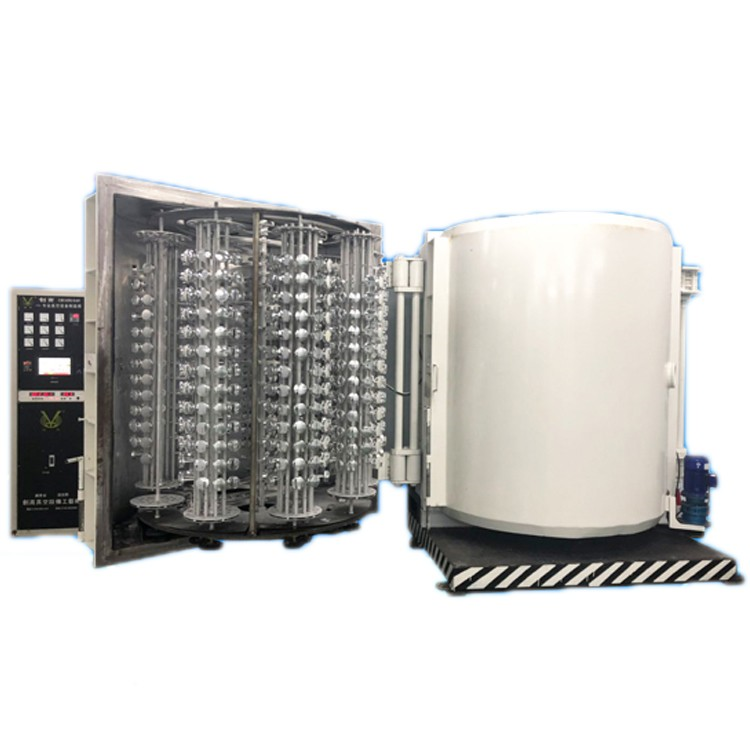
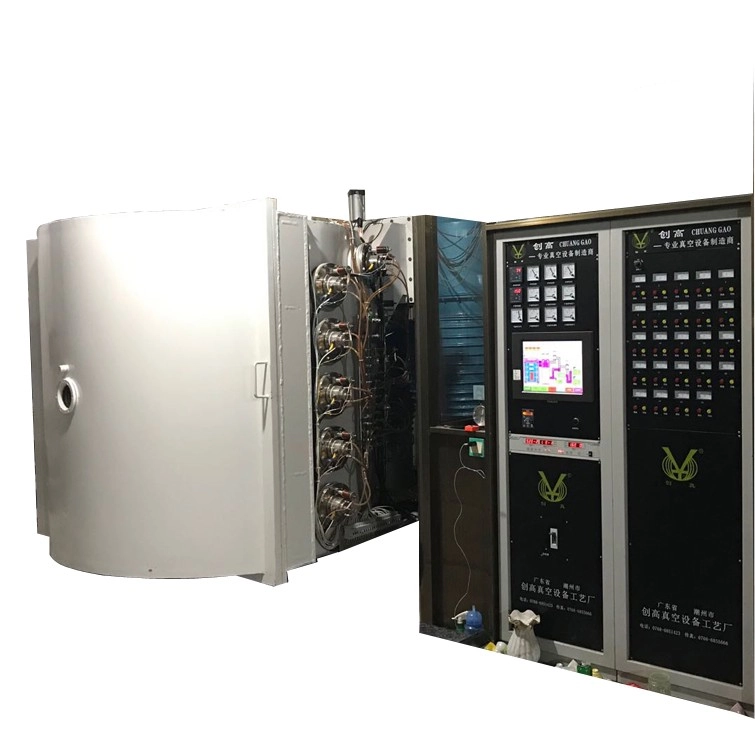
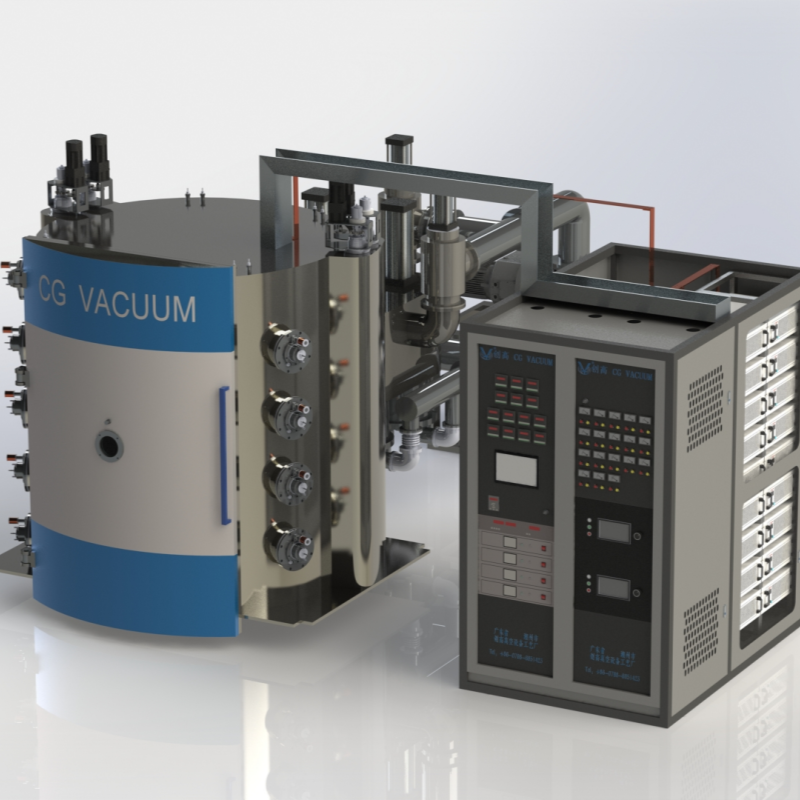
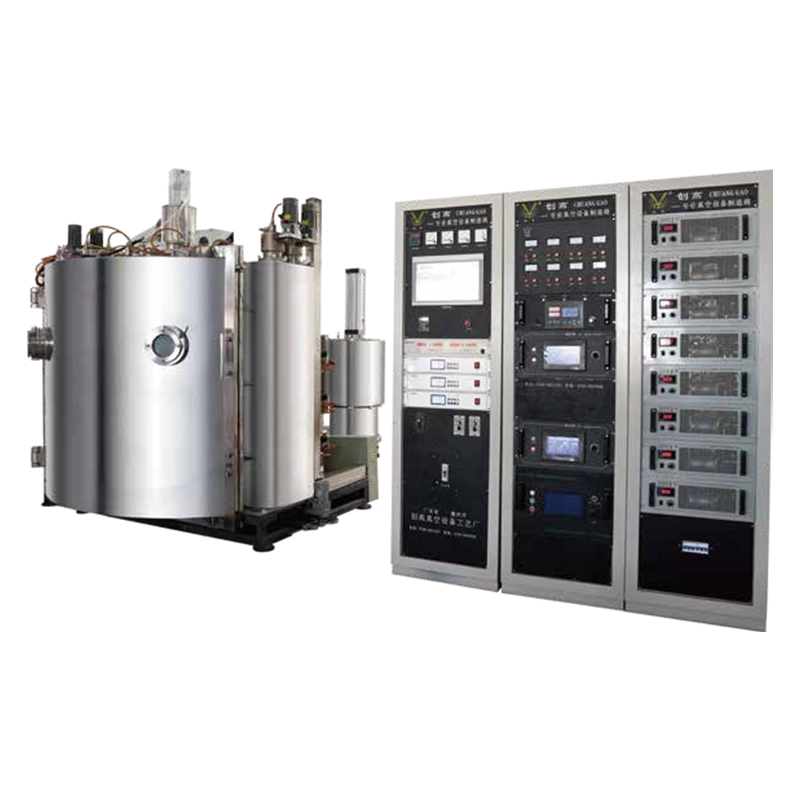
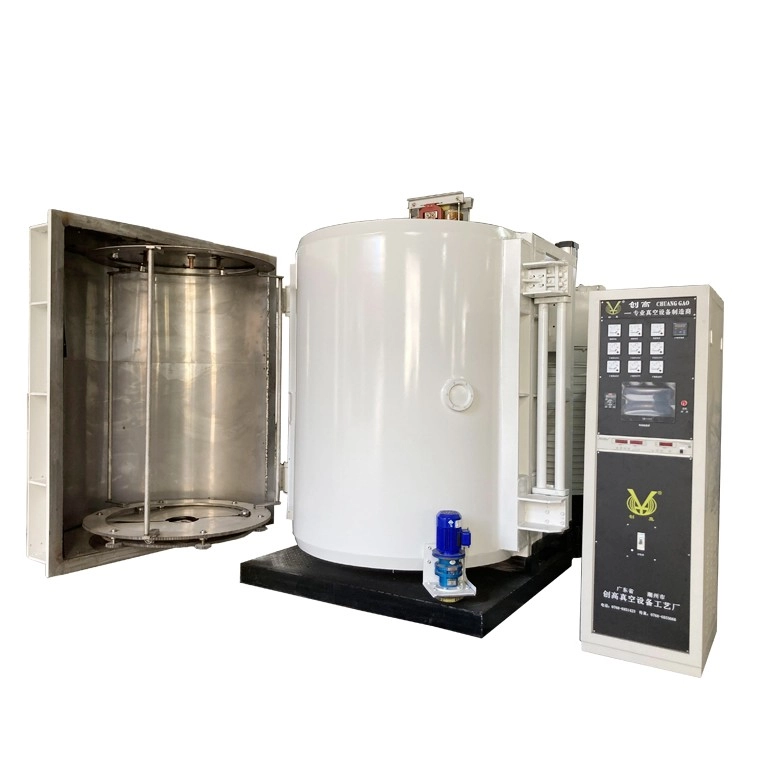
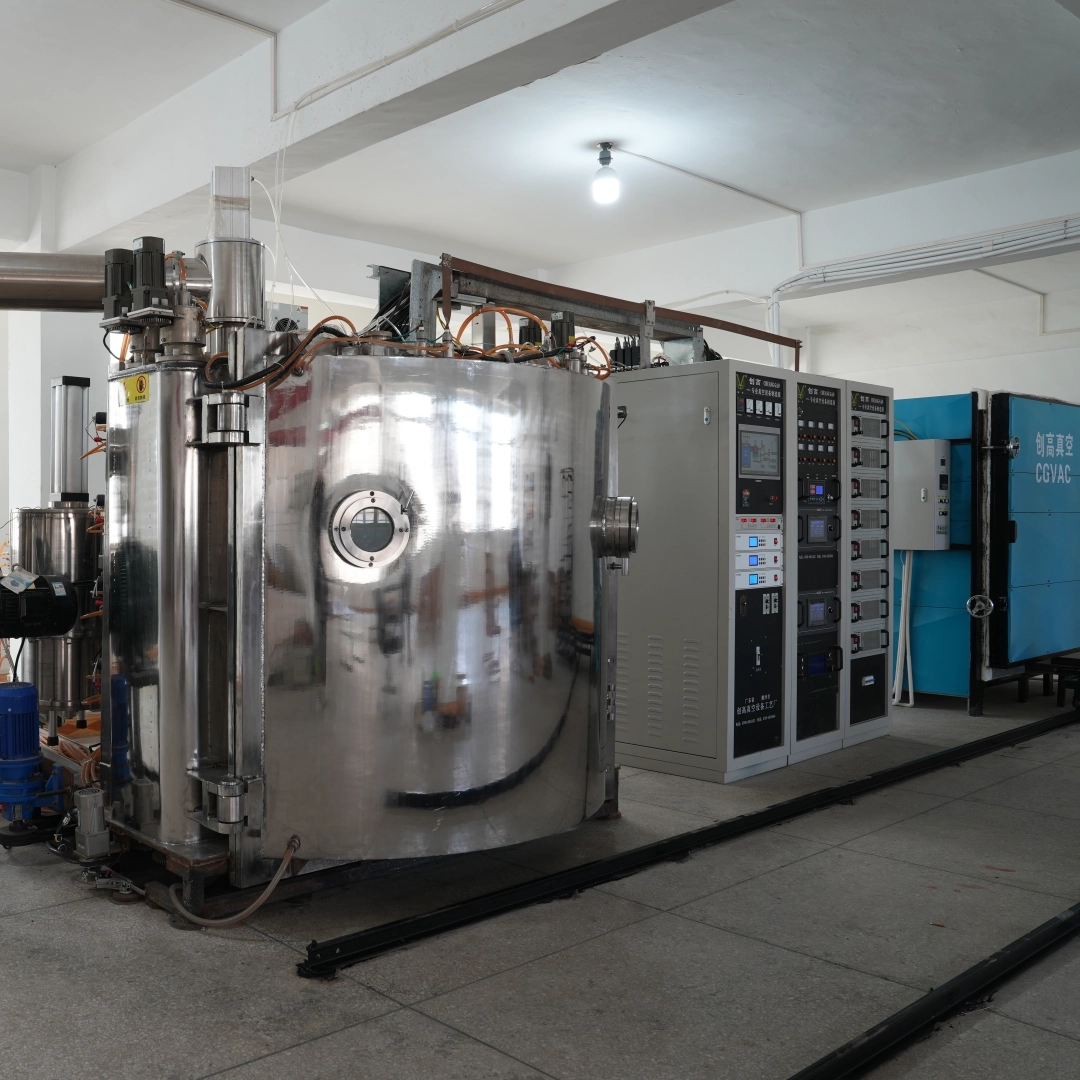
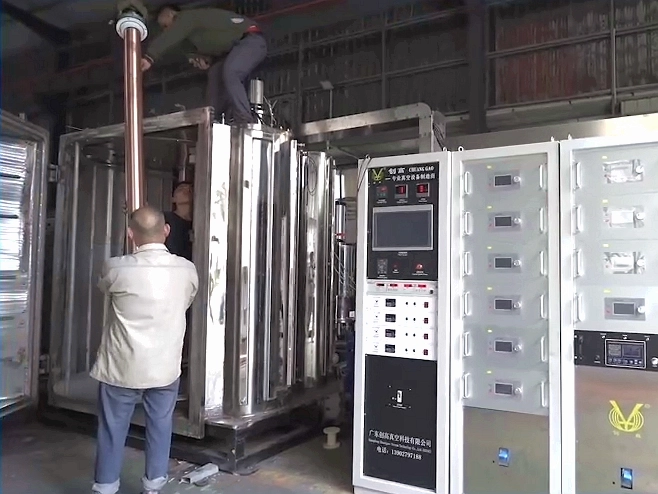
PVD coating durability is strongly influenced by the performance and design of the machine de revêtement sous vide used in production. In industrial applications, coating failures such as peeling, cracking, or poor wear resistance are often linked to equipment-related factors rather than coating materials alone. The design of a vacuum coating system plays a key role in determining film adhesion, density, and long-term stability. CGVAC, a professional PVD coating machine manufacturer and supplier, explains how different engineering aspects of vacuum coating machines affect PVD coating durability from an industrial manufacturing perspective.
The Role of Vacuum Coating Equipment in Coating Durability
PVD coating durability is not defined by a single factor. It is the result of interaction between:
- Vacuum environment stability
- Plasma generation and ion energy control
- Substrate surface preparation
- Film structure formation during deposition
- Process repeatability in mass production
Among these, the vacuum coating machine determines the upper limit of coating quality consistency in industrial production.
A well-designed system helps achieve:
- Dense and uniform film structure
- Stable coating composition
- Strong film-to-substrate adhesion
- Reduced defect rate in batch production
Key Design Factors in Vacuum Coating Machines
Vacuum Chamber Design and Sealing Performance
The vacuum chamber is the foundation of any PVD system. In industrial production, coating quality depends not only on achieving high vacuum levels but also on maintaining vacuum stability during continuous operation. Key engineering considerations include:
- Chamber sealing structure and leakage control
- Pumping system configuration
- Gas inlet and exhaust design
- Internal geometry affecting particle flow
In reactive sputtering processes, gases such as nitrogen (N₂), oxygen (O₂), or acetylene (C₂H₂) are introduced into the chamber. If gas distribution is not uniform, variations in plasma reactions can occur, leading to inconsistent coating composition and color across different positions in the chamber. Proper gas flow design helps ensure a stable plasma environment, uniform reaction distribution, and consistent film formation across batches.
Cathode and Target Configuration
The cathode system plays a key role in material evaporation and ion generation. Different PVD technologies use different configurations:
- Magnetron sputtering vacuum systems typically use planar or rotary cathodes to control deposition uniformity
- Multi-arc ion vacuum coating systems use arc cathodes that generate highly ionized metal plasma
Multi-arc systems generally provide higher ionization levels, which can improve coating adhesion, but may also produce microdroplets that can affect surface smoothness. Magnetron sputtering systems, on the other hand, tend to produce smoother and more uniform films, making them suitable for applications requiring optical or decorative precision.
Plasma Density and Substrate Bias Control (Core Factor)
One of the most critical factors affecting coating durability is film-to-substrate adhesion. Before deposition begins, high-energy ion bombardment is often used to clean and activate the substrate surface. This process helps remove microscopic oxide layers and contaminants, improving interfacial bonding.
Substrate bias systems and plasma control contribute to:
- Increasing ion energy at the substrate surface
- Enhancing film density and compactness
- Improving adhesion between coating and substrate
- Reducing internal defects in the film structure
In industrial PVD systems, bias power configurations (such as pulsed or medium-frequency bias) are commonly used to optimize coating performance, depending on the material and application requirements.
Temperature Management and Thermal Stress
During PVD deposition, substrates are exposed to elevated temperatures depending on process conditions. Thermal behavior plays an important role in coating durability:
- Differences in thermal expansion between the film and the substrate may generate internal stress
- Excessive residual stress can lead to cracking or delamination over time
- Thick coatings are particularly sensitive to thermal stress accumulation
Therefore, temperature control and process stability are important to ensure controlled film growth and reduce stress-related failures.
Automation and Production Stability
In industrial production environments, repeatability is as important as coating performance. Modern vacuum coating systems often include:
- Automated substrate handling systems
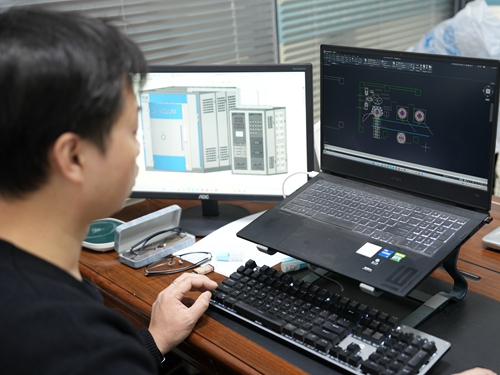
- Programmable process control
- Multi-step coating recipe management
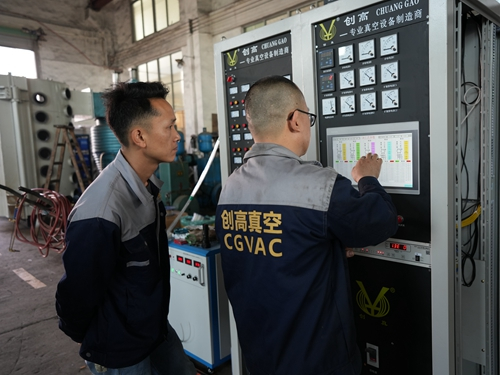
- Batch consistency monitoring
Automation reduces human variation and ensures consistent coating quality across large-scale production.
Magnetron Sputtering Vacuum Coating Machine vs Multi-Arc Ion Vacuum Machine
Multi-Arc Ion PVD Coating Machine
- High ionization rate
- Strong adhesion performance
- Excellent coverage on complex geometries
- Suitable for wear-resistant coatings, such as cutting tools and molds
- May produce micro-droplets that increase surface roughness
Machine de revêtement sous vide par pulvérisation magnétron
- Produces dense and smooth coatings
- Excellent color uniformity and surface finish
- Suitable for decorative, optical, and precision electronic applications
- Generally lower ion energy compared to arc systems, but higher process controllability
In industrial applications, the selection of coating technology depends on the balance between adhesion strength, surface appearance, wear resistance, and production consistency. CGVAC equipment can be configured to support either technology or combined processes, depending on the customer’s product requirements.
Functional Coatings vs Decorative Coatings
Industrial Functional PVD Coatings
Examples: TiAlN, CrN, DLC
- Grande dureté
- High temperature resistance
- Strong adhesion requirement
- Typically used in tools, molds, and mechanical components
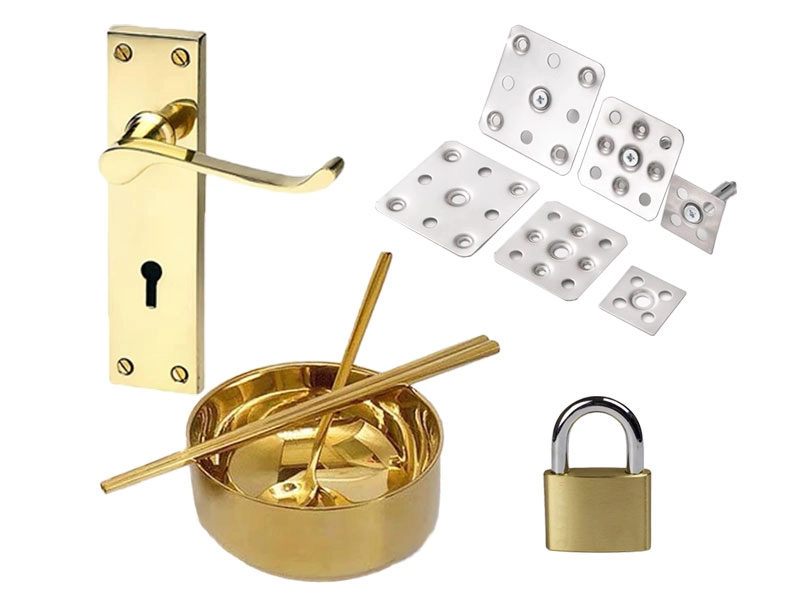
Decorative PVD Coatings
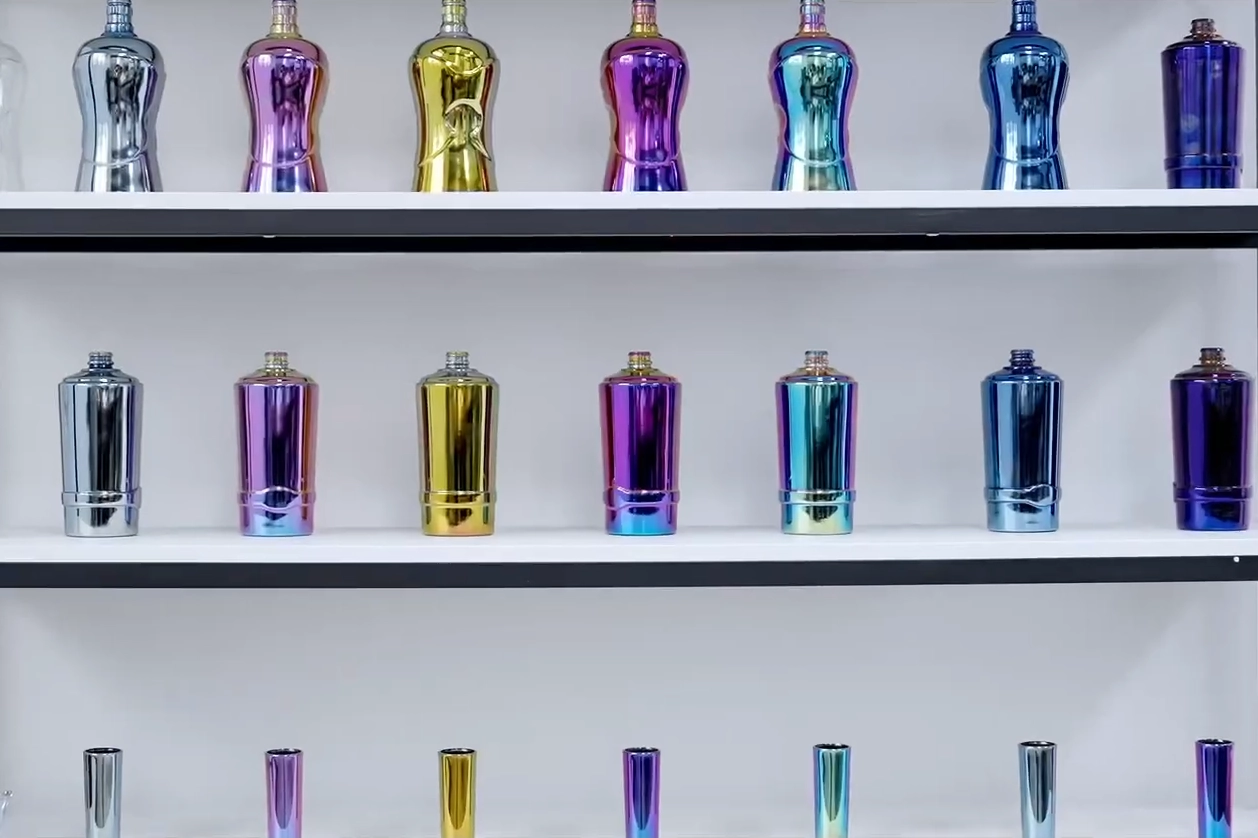
Examples: gold, black, and titanium color films
- Color stability and visual uniformity
- Scratch resistance
- Corrosion resistance (e.g., salt spray, sweat resistance)
- Common in sanitary ware, hardware, and consumer products
Different applications require different equipment configurations and process optimization strategies.
Equipment Selection Perspective for Manufacturers
For manufacturers evaluating PVD systems, key considerations include:
- Type of products being coated
- Required coating performance (adhesion, hardness, appearance)
- Production volume and automation level
- Process flexibility for different materials
- Long-term maintenance and operational stability
A properly designed vacuum coating machine helps manufacturers achieve higher production yield, more stable coating quality, reduced defect rates, and improved product consistency.
Conclusion
PVD coating durability is not only determined by materials or process parameters, but is fundamentally influenced by vacuum coating machine design. Key system elements such as vacuum chamber configuration, plasma generation, substrate bias control, temperature stability, and automation all contribute to coating adhesion, uniformity, and long-term performance. Selecting the right vacuum coating equipment is critical for reliable and scalable industrial coating production.
CGVAC fournit vacuum coating machine solutions designed for industrial PVD applications across decorative, functional, and optical coating industries. Contactez nous to explore customized vacuum coating system solutions for your production requirements.