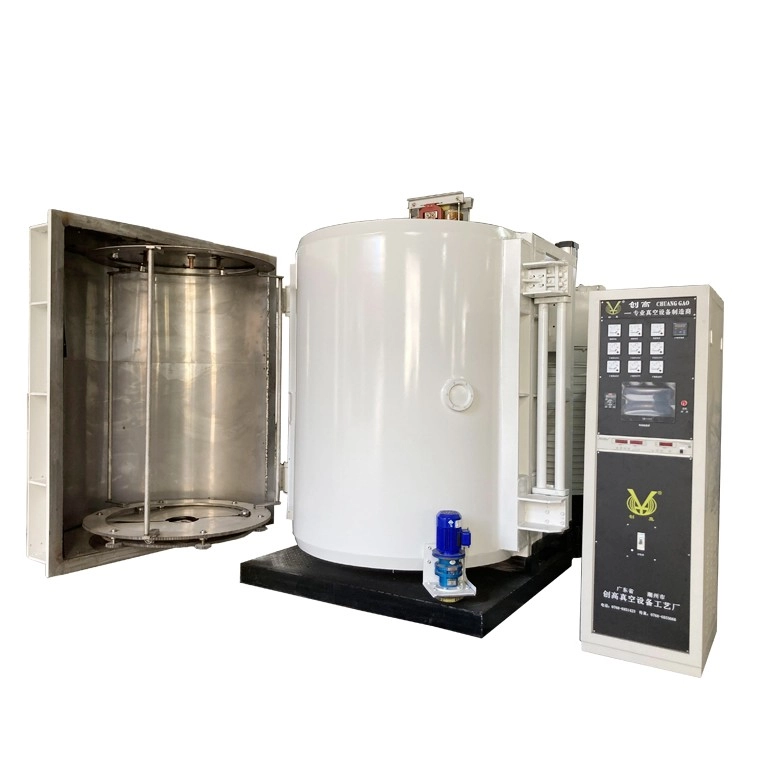
Para los fabricantes que abastecen a los sectores de sanitarios, acero inoxidable decorativo, vidrio, cerámica, electrónica y automoción, la estabilidad a largo plazo de los recubrimientos se ha convertido en un criterio de calidad fundamental. Sin embargo, muchas fábricas siguen enfrentándose a problemas recurrentes, como el desprendimiento del recubrimiento, la formación de ampollas, el agrietamiento, la escasa resistencia al desgaste o la inconsistencia del color entre lotes. Estos problemas suelen estar directamente relacionados con una adhesión insuficiente del recubrimiento PVD. Una vez que falla la adhesión, el recubrimiento ya no puede mantener un rendimiento estable durante el transporte, la instalación, la limpieza, la exposición a la humedad o el uso a largo plazo. Esto no solo aumenta las pérdidas de producción y los costes de reelaboración, sino que también afecta a la confianza de los clientes y a la reputación de la marca.
En este artículo, explicaremos las causas más comunes de los problemas de adherencia de los recubrimientos PVD y cómo CGVAC mejora la adherencia y la estabilidad de los recubrimientos PVD gracias a equipos avanzados de recubrimiento al vacío, un control inteligente de los procesos y soluciones de recubrimiento PVD a medida.
¿Qué es la adherencia del recubrimiento PVD?

La adherencia del recubrimiento PVD se refiere a la fuerza de unión entre la película delgada depositada y la superficie del sustrato. En un proceso PVD estable, el recubrimiento forma una unión densa y duradera con el material a nivel microscópico.
Una buena adherencia permite que el recubrimiento conserve:
- Gran resistencia al desgaste
- Aspecto cromático estable
- Resistencia a la corrosión a largo plazo
- Resistencia al desprendimiento o al agrietamiento
- Rendimiento constante en condiciones de estrés ambiental
Por otro lado, una mala adherencia suele provocar fallos en el recubrimiento poco después de su fabricación o durante su aplicación en condiciones reales.
Para los fabricantes industriales, la adherencia estable es especialmente importante, ya que los productos con recubrimiento PVD suelen estar expuestos a:
- Calor y humedad
- Productos químicos de limpieza
- Fricción y abrasión
- Exposición a los rayos UV
- Entornos con niebla salina
- Manejo o contacto frecuente
Por eso, la adherencia del recubrimiento se ha convertido en uno de los criterios de evaluación fundamentales para los equipos modernos de recubrimiento PVD.
Síntomas habituales de la falta de adherencia de los recubrimientos PVD
Desprendimiento o descamación del revestimiento
Uno de los problemas más habituales es el desprendimiento del revestimiento en las esquinas, los bordes o las zonas de mayor contacto.
Esto suele ocurrir cuando:
- El tratamiento previo de la superficie es insuficiente
- La tensión de la película es demasiado alta
- Las condiciones de vacío son inestables
El desprendimiento es especialmente frecuente en los recubrimientos decorativos de acero inoxidable y en las aplicaciones de recubrimiento al vacío de plásticos.
Formación de burbujas o ampollas
A menudo aparecen ampollas cuando quedan restos de humedad, residuos de aceite o gases atrapados en la superficie del sustrato antes del recubrimiento. Durante la deposición o la exposición posterior al entorno, estos contaminantes se expanden y debilitan la interfaz de unión.
Agrietamiento tras cambios de temperatura
Algunos recubrimientos se agrietan tras someterse a pruebas de calentamiento, enfriamiento o ciclos térmicos.
Este problema suele deberse a:
- Tensión interna excesiva de la película
- Control deficiente de la temperatura
- Coeficientes de dilatación incompatibles entre el sustrato y el revestimiento
Diferencias en la durabilidad entre lotes de producción
Si un lote de producción supera las pruebas y otro no, la causa principal suele ser un control inestable del proceso.
Entre los factores pueden figurar:
- Fluctuación del vacío
- Inestabilidad del flujo de gas
- Tensión de polarización no controlada
- Incoherencia en el uso de los operadores
Para los fabricantes a gran escala, la falta de uniformidad entre lotes es uno de los problemas más costosos relacionados con el recubrimiento.
Principales causas del fallo de adhesión de los recubrimientos PVD
Los problemas de adherencia de los recubrimientos PVD rara vez se deben a un único factor. En la mayoría de los casos, interactúan simultáneamente varias variables del proceso.
Limpieza insuficiente de las superficies
La preparación de la superficie es la base de la adherencia del recubrimiento.
Incluso una contaminación microscópica puede impedir que se produzca una unión atómica adecuada entre el recubrimiento y el sustrato.
Entre los contaminantes más habituales se encuentran los residuos de aceite, las huellas dactilares, las partículas de polvo y la humedad. Sin un pretratamiento eficaz, la película depositada no puede formar una estructura estable.
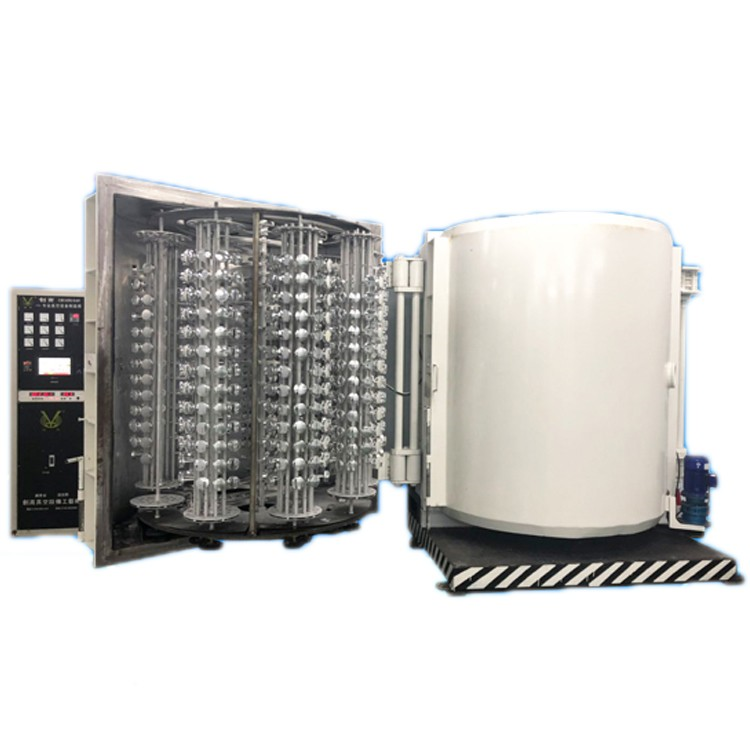
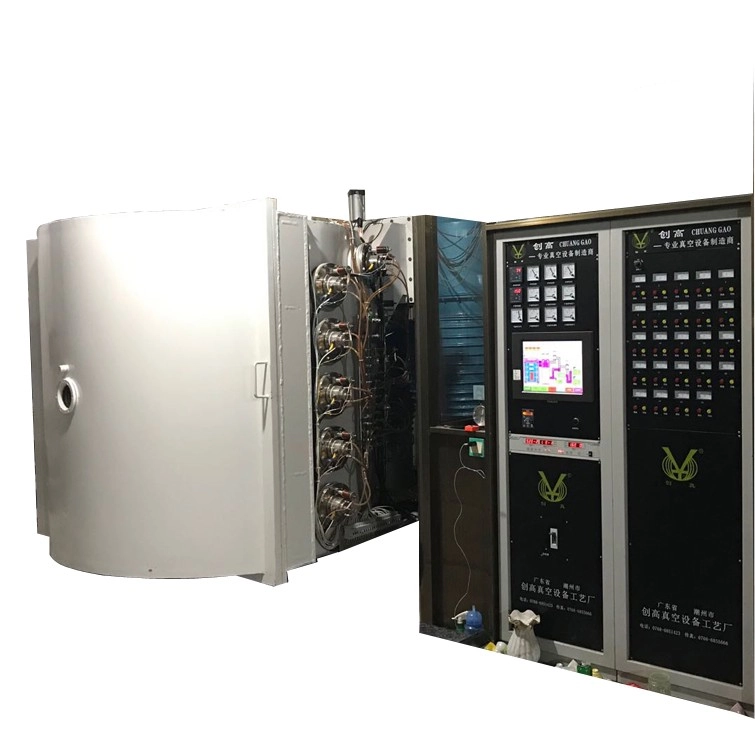
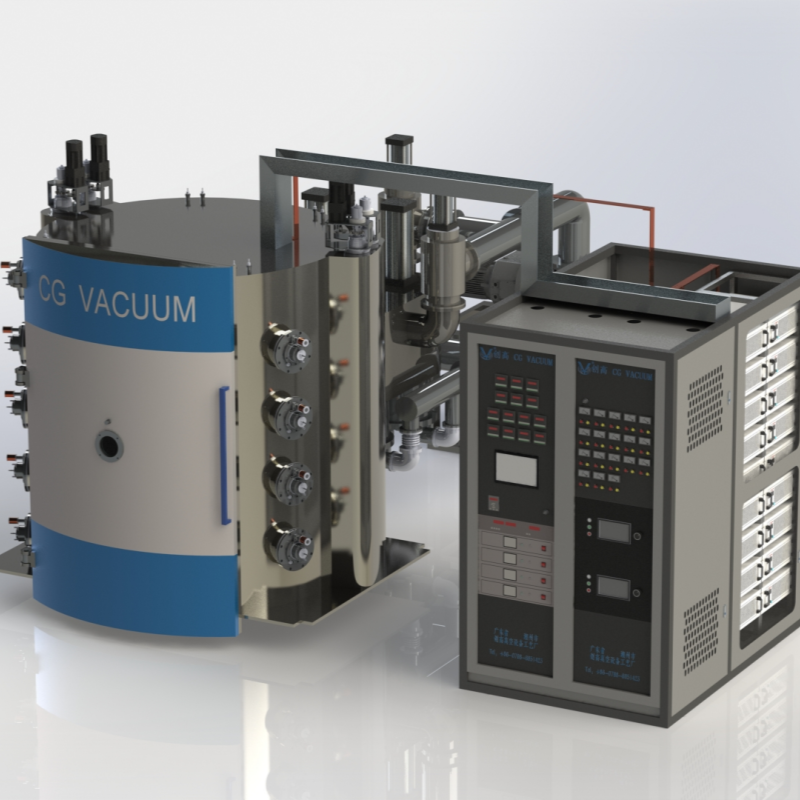
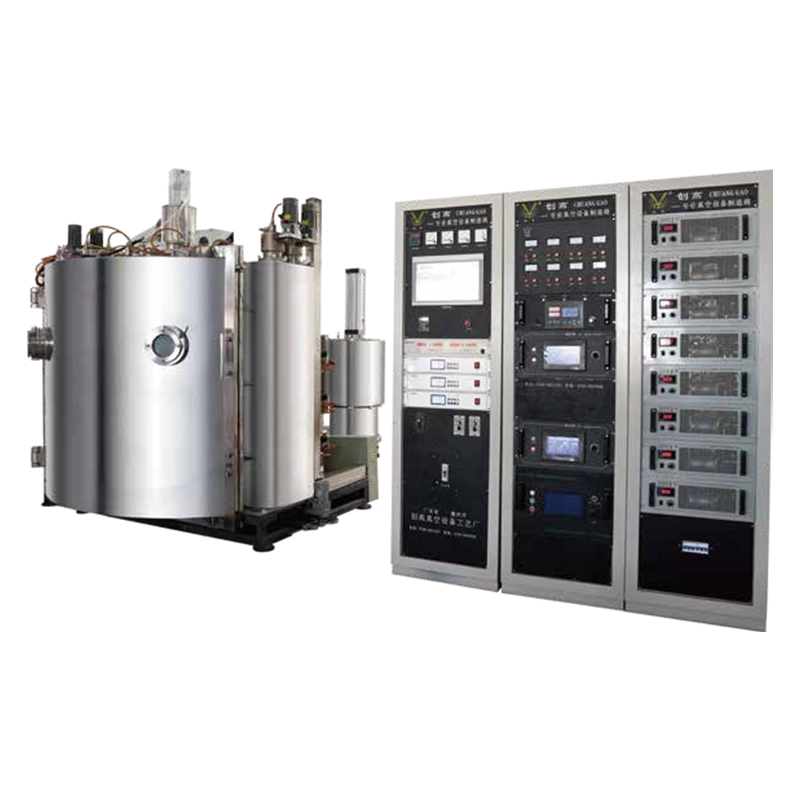
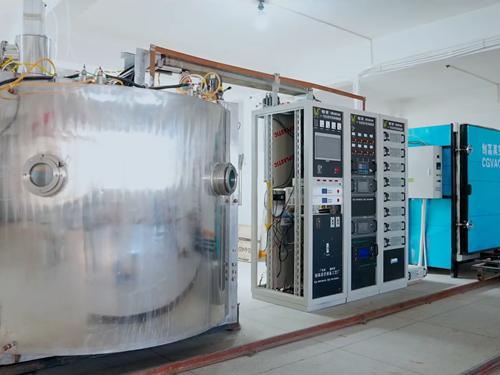
Por lo tanto, los sistemas modernos de recubrimiento PVD requieren una limpieza por plasma y un grabado iónico avanzados antes de que comience la deposición. El Máquina de recubrimiento al vacío por iones de arco múltiple CGVAC integra sistemas de limpieza iónica que mejoran la activación del sustrato y aumentan la estabilidad de la adhesión del recubrimiento.
Entorno de vacío inestable
La estabilidad del vacío influye directamente en la densidad del recubrimiento y en la calidad de la película.
Si se produce una fuga de aire o una fluctuación de presión en el interior de la cámara de vacío, la contaminación por oxígeno y humedad puede interferir en la formación de la película.
Esto suele dar lugar a:
- Estructuras de recubrimiento porosas
- Baja resistencia de adhesión
- Espesor irregular de la película
- Resistencia reducida a la corrosión
Los sistemas de vacío de alto rendimiento son esenciales para conseguir resultados estables en el recubrimiento industrial.
Control de calidad de la máquina de recubrimiento PVD de CGVAC explica cómo las pruebas de integridad del vacío y la verificación de la calidad de la cámara ayudan a mantener la uniformidad del recubrimiento.
Tensión de polarización y parámetros de proceso incorrectos
La tensión de polarización desempeña un papel fundamental en la energía del bombardeo iónico durante la deposición del recubrimiento.
Si la tensión de polarización es demasiado baja:
- La densidad de la película disminuye
- La adherencia se debilita
Si la tensión de polarización es demasiado alta:
- Aumenta la tensión interna
- Aumenta la probabilidad de que aparezcan grietas en el revestimiento
Del mismo modo, los parámetros inestables del proceso, como la proporción de gases, la velocidad de deposición, la temperatura de la cámara y la corriente del arco, pueden reducir la estabilidad del recubrimiento. El control preciso de los parámetros es especialmente importante en el caso de sustratos complejos, como los plásticos, el vidrio y la cerámica.
Control deficiente de la temperatura
Los distintos materiales requieren rangos de temperatura de recubrimiento diferentes.
Por ejemplo:
- El acero inoxidable soporta temperaturas más altas
- Los plásticos requieren sistemas de recubrimiento a baja temperatura
- El vidrio requiere un equilibrio térmico controlado
Un control inadecuado de la temperatura puede provocar:
- Desajuste de tensiones en la película
- Deformación superficial
- Reducción de la adhesión
Soluciones de CGVAC para máquinas de recubrimiento PVD de plásticos están diseñados específicamente para sustratos sensibles a la temperatura que requieren recubrimientos decorativos estables.
Baja estabilidad en plasma
Una descarga de plasma irregular afecta a la eficiencia de ionización y a la uniformidad de la película.
La baja estabilidad plasmática suele provocar:
- Defectos en las gotas
- Deposición desigual
- Baja densidad del recubrimiento
- Escasa repetibilidad
Esta es una de las razones por las que los equipos de recubrimiento PVD de alta calidad prestan especial atención a la estabilidad de la fuente de plasma y a los sistemas de control del arco.
¿Cómo mejora el CGVAC la estabilidad de los recubrimientos PVD?
Como Fabricante profesional de máquinas de recubrimiento PVD, CGVAC se centra en mejorar la adherencia de los recubrimientos mediante la ingeniería de equipos, la optimización de procesos y la tecnología de fabricación inteligente.
Diseño avanzado de cámaras de vacío
Un rendimiento estable del vacío es la base para la producción de recubrimientos de alta adherencia.
El CGVAC mejora la estabilidad al vacío mediante:
- Sellado de precisión de la cámara
- Sistemas de bombeo de alta eficiencia
- Verificación de la detección de fugas
- Diseño optimizado de la red de vacío
Los entornos de vacío estables reducen el riesgo de contaminación y mejoran la compacidad del recubrimiento.
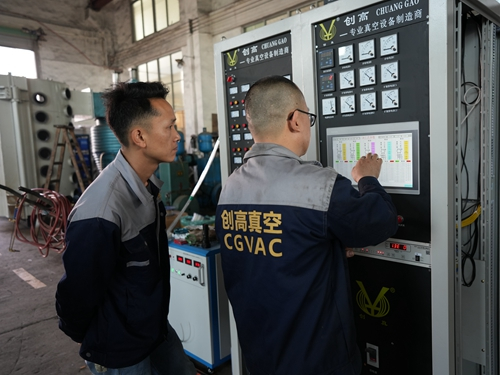
Control inteligente de automatización mediante PLC
La falta de uniformidad en las operaciones manuales es una de las principales causas de la inestabilidad en la calidad del recubrimiento.
CGVAC utiliza sistemas de control inteligente basados en PLC para lograr:
- Almacenamiento automatizado de recetas
- Ejecución estable de los parámetros
- Supervisión en tiempo real
- Producción por lotes repetible
Esto mejora considerablemente la uniformidad del recubrimiento en la fabricación a escala industrial.
Capacidades de I+D de CGVAC destaca el enfoque de la empresa en el desarrollo inteligente de procesos y la ingeniería a medida.
Tecnología optimizada de limpieza por plasma
Antes de que comience la deposición, la limpieza con plasma elimina la contaminación microscópica de la superficie del sustrato.
Los sistemas de pretratamiento CGVAC mejoran la activación de la superficie, las condiciones de enlace atómico, la densidad del recubrimiento y el rendimiento de la adhesión. Esto resulta especialmente importante en el caso de materiales difíciles, tales como:
- Componentes de plástico
- Productos de vidrio
- Superficies cerámicas
- Acero inoxidable decorativo
Control preciso de los parámetros del proceso
La adherencia estable del recubrimiento depende de que se mantengan unas condiciones de proceso constantes a lo largo de toda la producción.
El monitor de sistemas de recubrimiento CGVAC:
- Presión de vacío
- Tensión de polarización
- Relación de caudal de gas
- Temperatura de deposición
- Descarga de plasma
- Tiempo de recubrimiento
La supervisión en tiempo real reduce las fluctuaciones de los parámetros y mejora la fiabilidad de la producción a largo plazo.
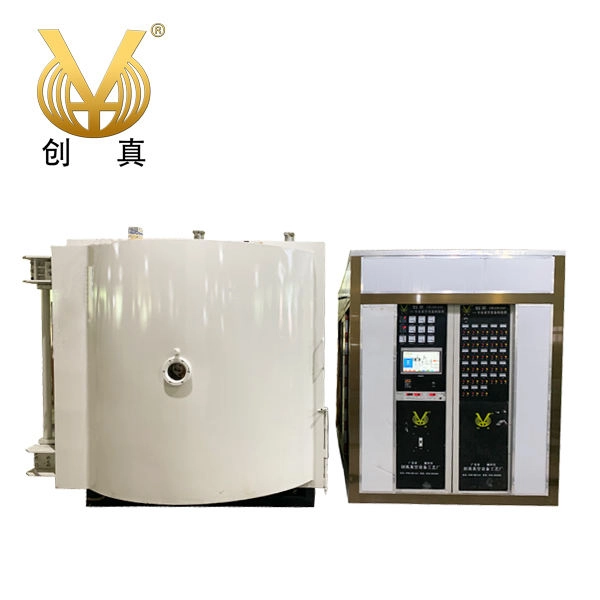
Ventajas de la pulverización catódica de arco múltiple y de magnetrón
La tecnología de arcos múltiples ofrece:
- Alta eficiencia de ionización
- Gran compacidad del recubrimiento
- Excelente rendimiento en cuanto a la adherencia
- Buena resistencia al desgaste
Se utiliza ampliamente en:
- Artículos sanitarios
- Acero inoxidable decorativo
- Recubrimientos cerámicos
- Accesorios para muebles
La tecnología de pulverización catódica por magnetrón ofrece:
- Películas finas uniformes
- Superficies de recubrimiento lisas
- Control preciso del espesor
- Excelente repetibilidad
Esta tecnología resulta especialmente adecuada para recubrimientos de vidrio, recubrimientos ópticos, componentes electrónicos y aplicaciones decorativas de precisión.
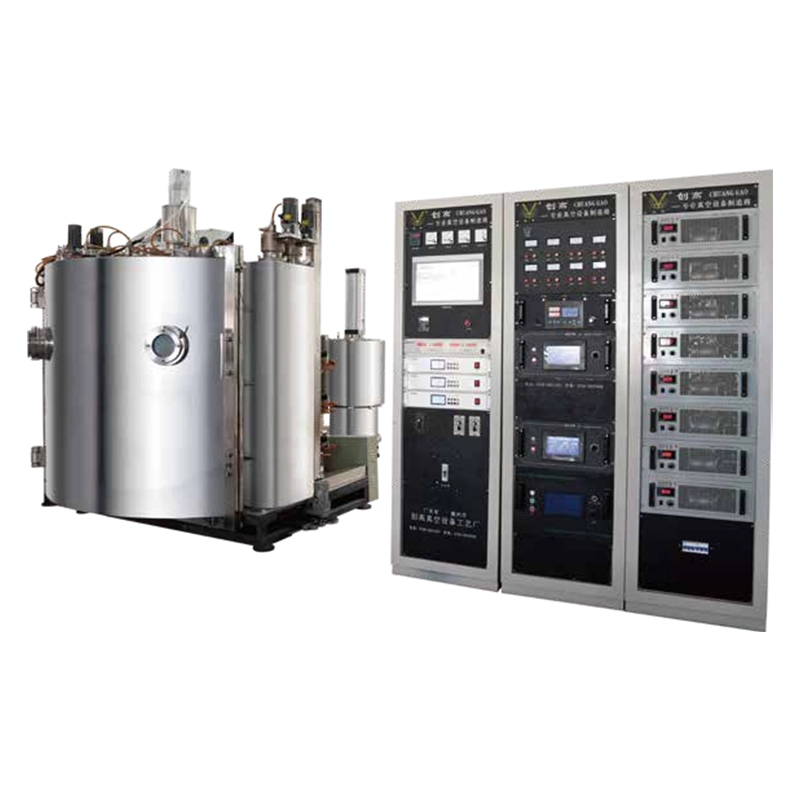
Sectores que requieren una adhesión estable del recubrimiento PVD
Sector de los artículos sanitarios
Los productos para el cuarto de baño deben ser resistentes a la humedad y a los arañazos, y ofrecer una durabilidad decorativa a largo plazo.
Sector del acero inoxidable decorativo
Las aplicaciones en arquitectura y mobiliario exigen una consistencia cromática estable, propiedades antihuellas y resistencia al desgaste.
Acabados interiores y exteriores para automóviles
Los componentes de automoción deben ser resistentes a los rayos UV, presentar estabilidad térmica y una gran resistencia a las condiciones ambientales.
Aplicaciones de la cerámica y el vidrio
Los productos de cerámica y vidrio requieren un aspecto uniforme del recubrimiento, un rendimiento de adhesión estable y una tensión térmica controlada.
¿Cómo pueden los fabricantes reducir los problemas de adhesión?
Mejorar las normas de pretratamiento de superficies
Unos procedimientos de limpieza sistemáticos reducen los fallos relacionados con la contaminación.
Utiliza equipos de recubrimiento al vacío fiables
Un equipamiento de alta calidad minimiza las fluctuaciones del proceso.
Optimizar las fórmulas de recubrimiento para distintos materiales
Cada sustrato requiere parámetros de proceso diferentes.
Implementar la supervisión de procesos en tiempo real
La supervisión continua mejora la estabilidad de los lotes y la eficacia en la resolución de problemas.
Colabora con fabricantes de equipos de PVD con amplia experiencia
El soporte técnico profesional puede reducir considerablemente los riesgos de producción a largo plazo.
Conclusión
El fallo de adhesión del recubrimiento PVD suele deberse a una combinación de contaminación, condiciones de vacío inestables, parámetros de proceso incorrectos, desequilibrio de temperatura y estabilidad insuficiente del plasma.
A medida que los requisitos de calidad de los recubrimientos siguen aumentando tanto en aplicaciones decorativas como funcionales, los fabricantes necesitan cada vez más soluciones de recubrimiento PVD estables, repetibles e inteligentes.
CGVAC ayuda a los fabricantes industriales a mejorar la estabilidad de los recubrimientos mediante una ingeniería avanzada de cámaras de vacío, automatización inteligente mediante PLC, sistemas optimizados de limpieza por plasma y tecnologías de recubrimiento PVD a medida. Con una amplia experiencia en aplicaciones de recubrimiento al vacío, tanto decorativas como funcionales, CGVAC ofrece Soluciones fiables para máquinas de recubrimiento PVD para fabricantes que busquen una producción constante a largo plazo y una mayor calidad de recubrimiento. No dudes en Contáctenos ¡Para soluciones profesionales de recubrimiento!