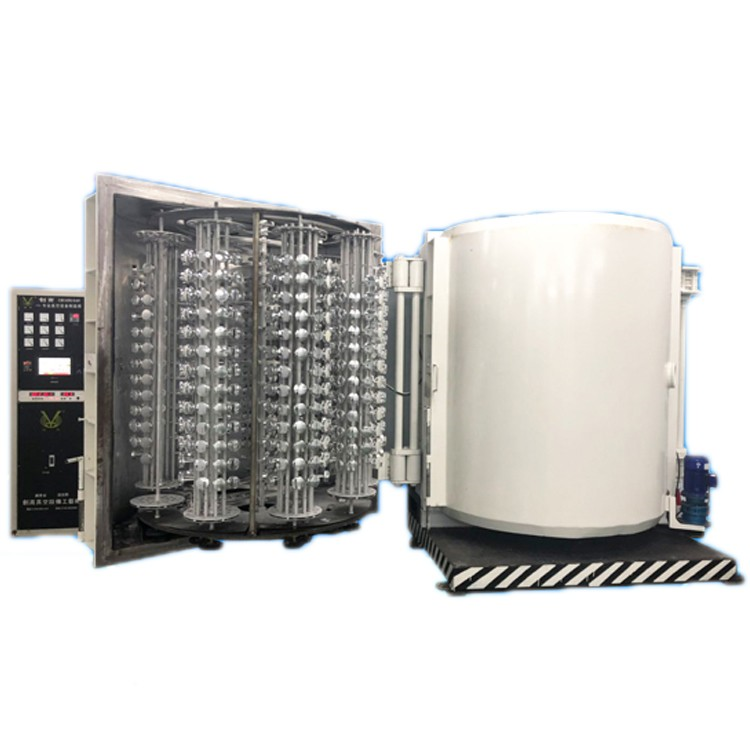
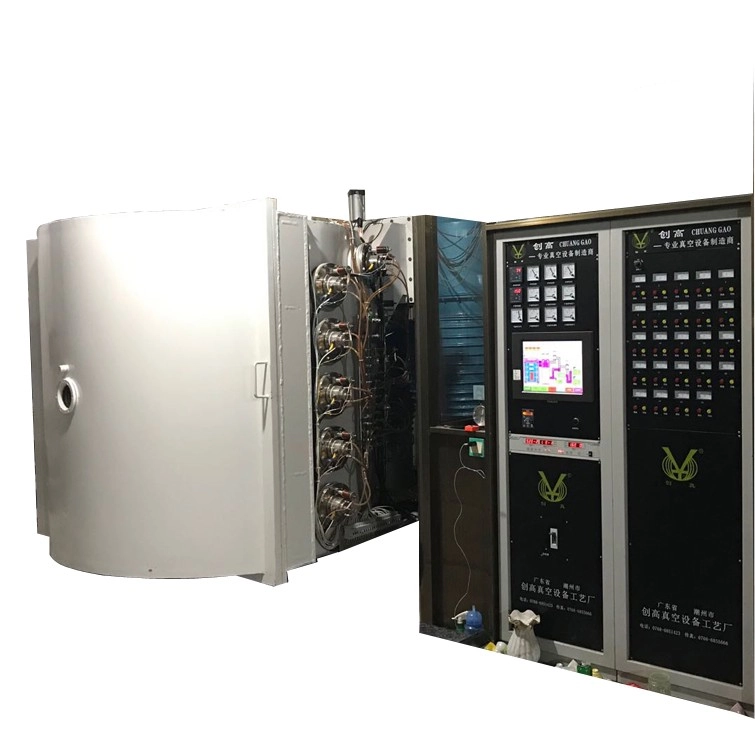
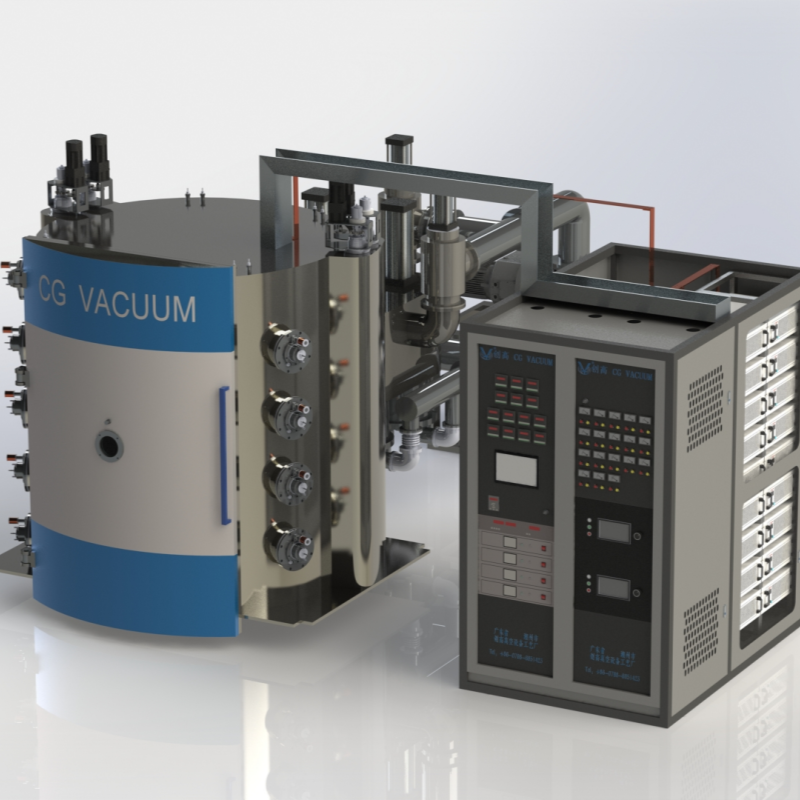
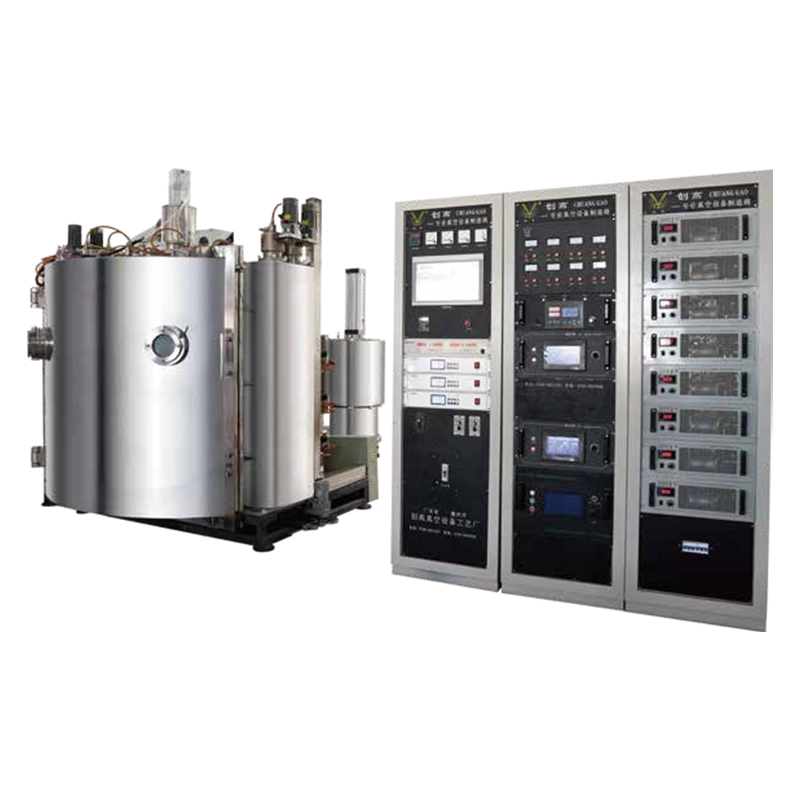
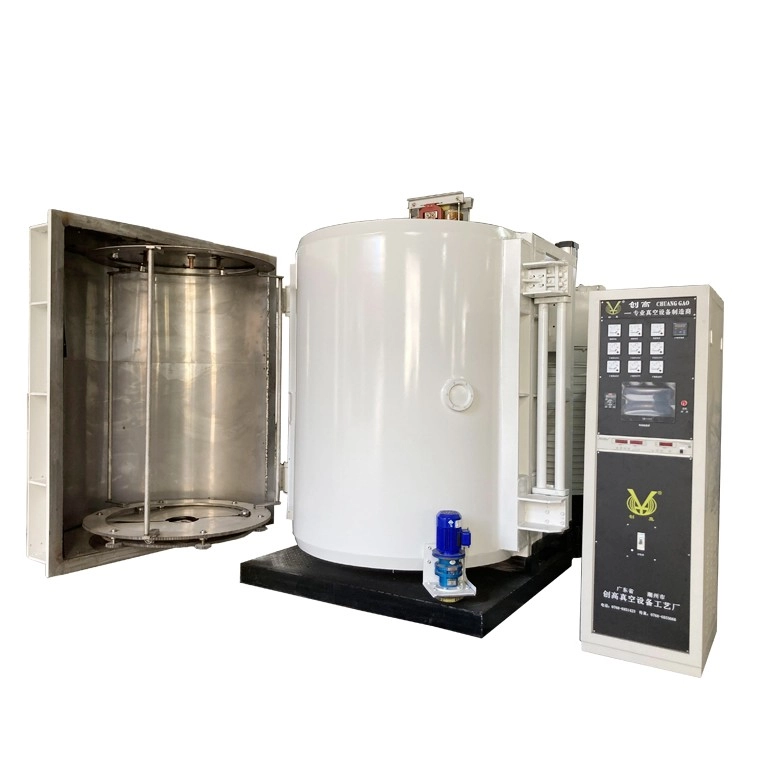
For manufacturers serving sanitary ware, decorative stainless steel, glass, ceramics, electronics, and automotive industries, long-term coating stability has become a critical quality standard. However, many factories still face recurring problems such as coating peeling, blistering, cracking, poor wear resistance, or unstable color consistency between batches. These issues are often directly related to insufficient PVD coating adhesion. Once adhesion fails, the coating can no longer maintain stable performance during transportation, installation, cleaning, humidity exposure, or long-term use. This not only increases production losses and rework costs, but also affects customer trust and brand reputation.
In this article, we will explain the common causes of PVD coating adhesion failure and how CGVAC improves PVD coating adhesion & stability through advanced vacuum coating equipment, intelligent process control, and customized PVD coating solutions.
What Is PVD Coating Adhesion?

PVD coating adhesion refers to the bonding strength between the deposited thin film and the substrate surface. In a stable PVD process, the coating forms a dense and durable bond with the material at the microscopic level.
Good adhesion allows the coating to maintain:
- Strong wear resistance
- Stable color appearance
- Long-term corrosion resistance
- Resistance to peeling or cracking
- Consistent performance under environmental stress
Poor adhesion, on the other hand, often leads to coating failure shortly after production or during real-world application.
For industrial manufacturers, stable adhesion is especially important because PVD-coated products are frequently exposed to:
- Heat and humidity
- Cleaning chemicals
- Friction and abrasion
- UV exposure
- Salt spray environments
- Frequent handling or contact
This is why coating adhesion has become one of the core evaluation standards for modern PVD coating equipment.
Common Signs of PVD Coating Adhesion Failure
Coating Peeling or Flaking
One of the most common problems is coating separation at corners, edges, or high-contact areas.
This usually occurs when:
- Surface pretreatment is insufficient
- Film stress is too high
- Vacuum conditions are unstable
Peeling is especially common in decorative stainless steel coatings and plastic vacuum coating applications.
Bubbling or Blistering
Blisters often appear when moisture, oil residue, or trapped gases remain on the substrate surface before coating. During deposition or later environmental exposure, these contaminants expand and weaken the bonding interface.
Cracking After Temperature Changes
Some coatings crack after heating, cooling, or thermal cycling tests.
This problem is typically caused by:
- Excessive internal film stress
- Poor temperature control
- Incompatible expansion coefficients between the substrate and the coating
Inconsistent Durability Between Production Batches
If one production batch passes testing while another fails, the root cause is usually unstable process control.
Factors may include:
- Vacuum fluctuation
- Gas flow instability
- Uncontrolled bias voltage
- Operator inconsistency
For large-scale manufacturers, batch inconsistency is one of the most expensive coating problems.
Main Causes of PVD Coating Adhesion Failure
PVD coating adhesion problems rarely come from a single factor. In most cases, several process variables interact simultaneously.
Inadequate Surface Cleaning
Surface preparation is the foundation of coating adhesion.
Even microscopic contamination can prevent proper atomic bonding between the coating and substrate.
Common contaminants include oil residue, fingerprints, dust particles, and moisture. Without effective pretreatment, the deposited film cannot form a stable structure.
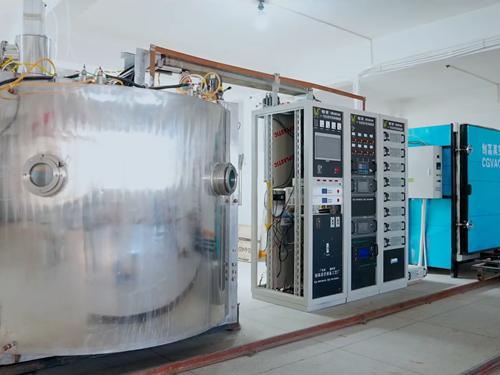
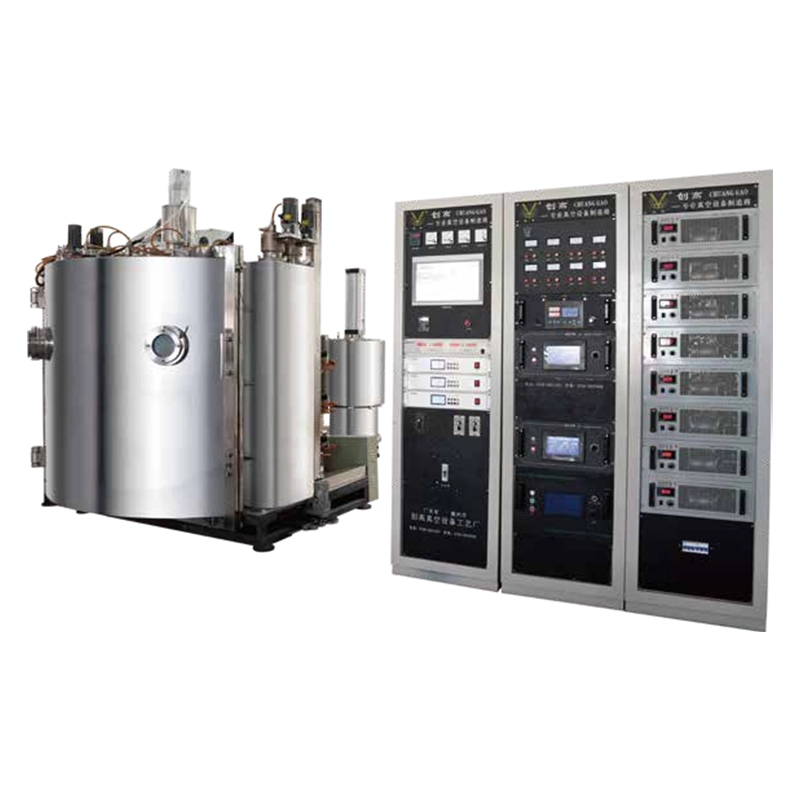
Modern PVD coating systems, therefore, require advanced plasma cleaning and ion etching before deposition begins. The CGVAC multi-arc ion vacuum coating machine integrates ion cleaning systems that improve substrate activation and enhance coating adhesion stability.
Unstable Vacuum Environment
Vacuum stability directly affects coating density and film quality.
If air leakage or pressure fluctuation occurs inside the vacuum chamber, oxygen and moisture contamination can interfere with film formation.
This often leads to:
- Porous coating structures
- Weak bonding strength
- Uneven film thickness
- Reduced corrosion resistance
High-performance vacuum systems are essential for achieving stable industrial coating results.
CGVAC PVD coating machine quality control explains how vacuum integrity testing and chamber quality verification help maintain coating consistency.
Incorrect Bias Voltage and Process Parameters
Bias voltage plays a major role in ion bombardment energy during coating deposition.
If the bias voltage is too low:
- Film compactness decreases
- Adhesion becomes weak
If the bias voltage is too high:
- Internal stress increases
- Coating cracks become more likely
Similarly, unstable process parameters such as gas ratio, deposition rate, chamber temperature, and arc current can all reduce coating stability. Precise parameter control is especially important for complex substrates like plastics, glass, and ceramics.
Poor Temperature Control
Different materials require different coating temperature windows.
For example:
- Stainless steel tolerates higher temperatures
- Plastics require low-temperature coating systems
- Glass requires a controlled thermal balance
Improper temperature control can cause:
- Film stress mismatch
- Surface deformation
- Adhesion reduction
CGVAC plastic PVD coating machine solutions are designed specifically for temperature-sensitive substrates requiring stable decorative coatings.
Low Plasma Stability
Inconsistent plasma discharge affects ionization efficiency and film uniformity.
Low plasma stability often results in:
- Droplet defects
- Uneven deposition
- Weak coating density
- Poor repeatability
This is one reason why high-quality PVD coating equipment focuses heavily on plasma source stability and arc control systems.
How CGVAC Improves PVD Coating Stability?
Als Professioneller Hersteller von PVD-Beschichtungsanlagen, CGVAC focuses on improving coating adhesion through equipment engineering, process optimization, and intelligent manufacturing technology.
Advanced Vacuum Chamber Design
Stable vacuum performance is the basis of high-adhesion coating production.
CGVAC improves vacuum stability through:
- Precision chamber sealing
- High-efficiency pumping systems
- Leak detection verification
- Optimized vacuum pipeline design
Stable vacuum environments reduce contamination risk and improve coating compactness.
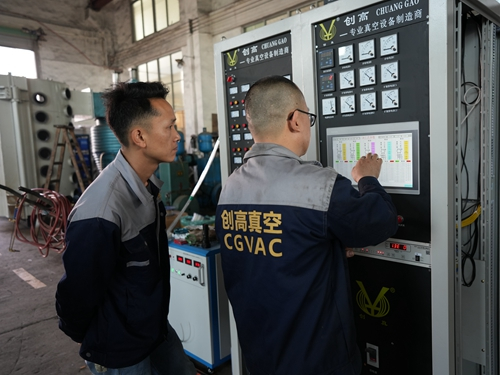
Intelligent PLC Automation Control
Manual operation inconsistency is a major cause of unstable coating quality.
CGVAC uses PLC intelligent control systems to achieve:
- Automated recipe storage
- Stable parameter execution
- Real-time monitoring
- Repeatable batch production
This significantly improves coating consistency for industrial-scale manufacturing.
CGVAC R&D Capabilities highlights the company’s focus on intelligent process development and customized engineering.
Optimized Plasma Cleaning Technology
Before deposition begins, plasma cleaning removes microscopic contamination from the substrate surface.
CGVAC pretreatment systems improve surface activation, atomic bonding conditions, coating density, and adhesion performance. This is particularly important for difficult materials such as:
- Plastic components
- Glass products
- Ceramic surfaces
- Decorative stainless steel
Präzise Steuerung der Prozessparameter
Stable coating adhesion depends on maintaining consistent process conditions throughout production.
CGVAC coating systems monitor:
- Vacuum pressure
- Bias voltage
- Gas flow ratio
- Deposition temperature
- Plasma discharge
- Coating time
Real-time monitoring reduces parameter fluctuation and improves long-term production reliability.
Multi-Arc and Magnetron Sputtering Advantages
Multi-arc technology provides:
- High ionization efficiency
- Strong coating compactness
- Excellent adhesion performance
- Good wear resistance
It is widely used in:
- Sanitärartikel
- Decorative stainless steel
- Ceramic coatings
- Möbelbeschläge
Magnetron sputtering technology offers:
- Uniform thin films
- Smooth coating surfaces
- Precise thickness control
- Excellent repeatability
This technology is especially suitable for glass coatings, optical coatings, electronic components, and precision decorative applications.
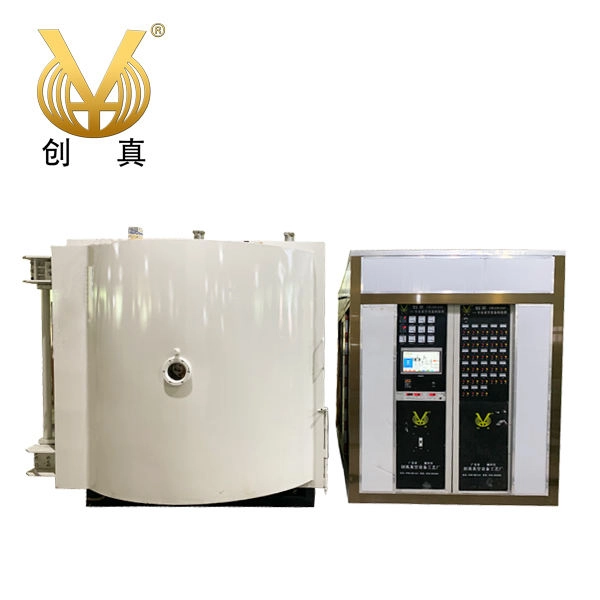
Industries That Require Stable PVD Coating Adhesion
Sanitärindustrie
Bathroom products require humidity resistance, scratch resistance, and long-term decorative durability.
Decorative Stainless Steel Industry
Architectural and furniture applications demand stable color consistency, anti-fingerprint performance, and wear resistance.
Automotive Interior and Exterior Trim
Automotive components require UV resistance, thermal stability, and strong environmental durability.
Ceramic and Glass Applications
Ceramic and glass products require uniform coating appearance, stable bonding performance, and controlled thermal stress.
How Manufacturers Can Reduce Adhesion Problems?
Improve Surface Pretreatment Standards
Consistent cleaning procedures reduce contamination-related failures.
Use Stable Vacuum Coating Equipment
High-quality equipment minimizes process fluctuation.
Optimize Coating Recipes for Different Materials
Each substrate requires different process parameters.
Implement Real-Time Process Monitoring
Continuous monitoring improves batch stability and troubleshooting efficiency.
Work With Experienced PVD Equipment Manufacturers
Professional technical support can significantly reduce long-term production risks.
Schlussfolgerung
PVD coating adhesion failure is usually caused by a combination of contamination, unstable vacuum conditions, incorrect process parameters, temperature imbalance, and insufficient plasma stability.
As coating quality requirements continue rising across decorative and functional applications, manufacturers increasingly need stable, repeatable, and intelligent PVD coating solutions.
CGVAC helps industrial manufacturers improve coating stability through advanced vacuum chamber engineering, intelligent PLC automation, optimized plasma cleaning systems, and customized PVD coating technologies. With extensive experience in decorative and functional vacuum coating applications, CGVAC provides reliable PVD coating machine solutions for manufacturers seeking long-term production consistency and higher coating quality. Feel free to Kontaktieren Sie uns for professional coating solutions!