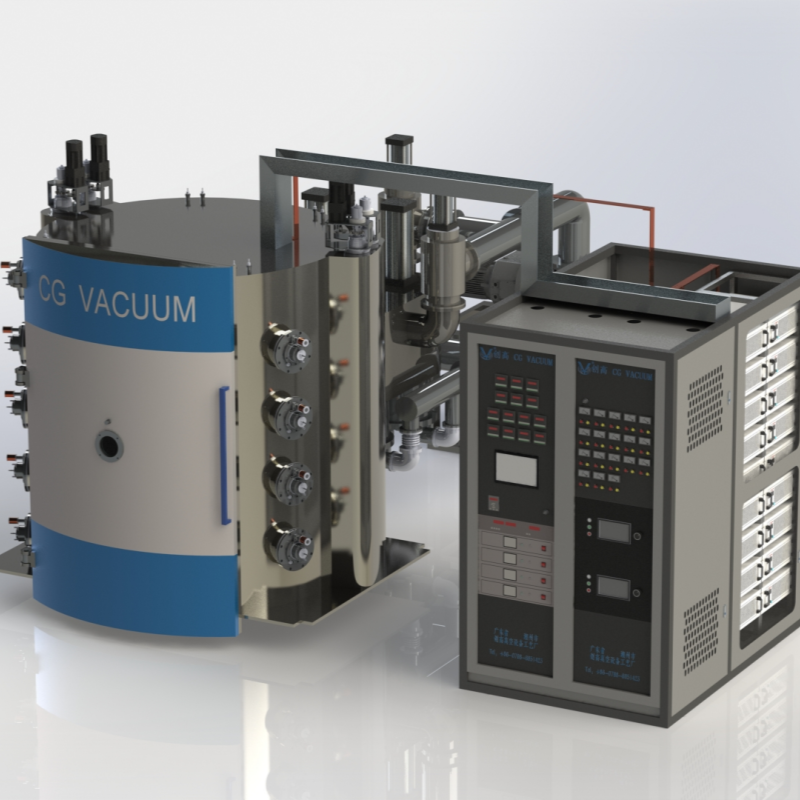
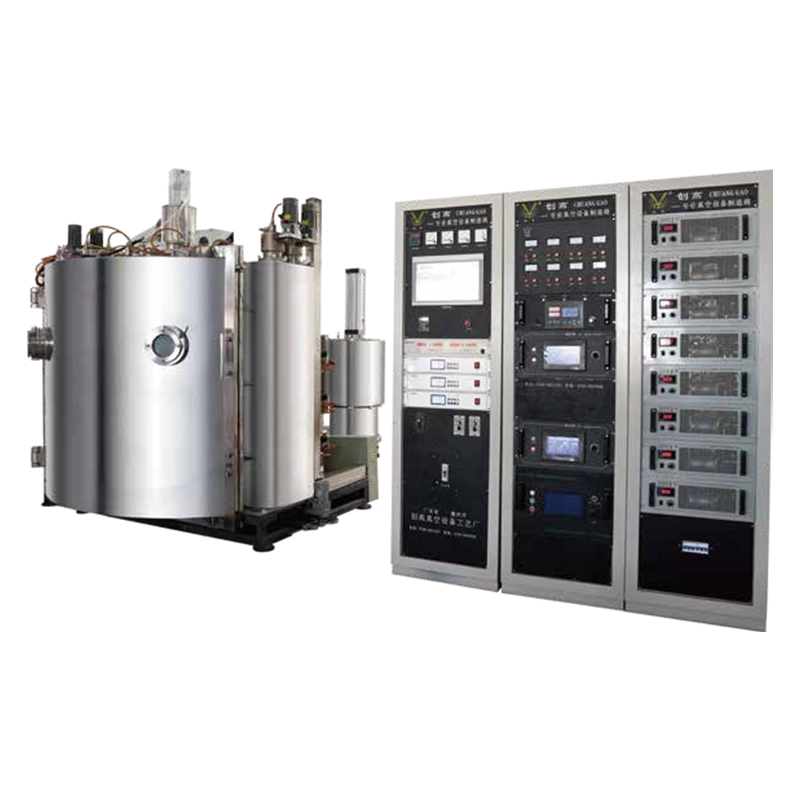
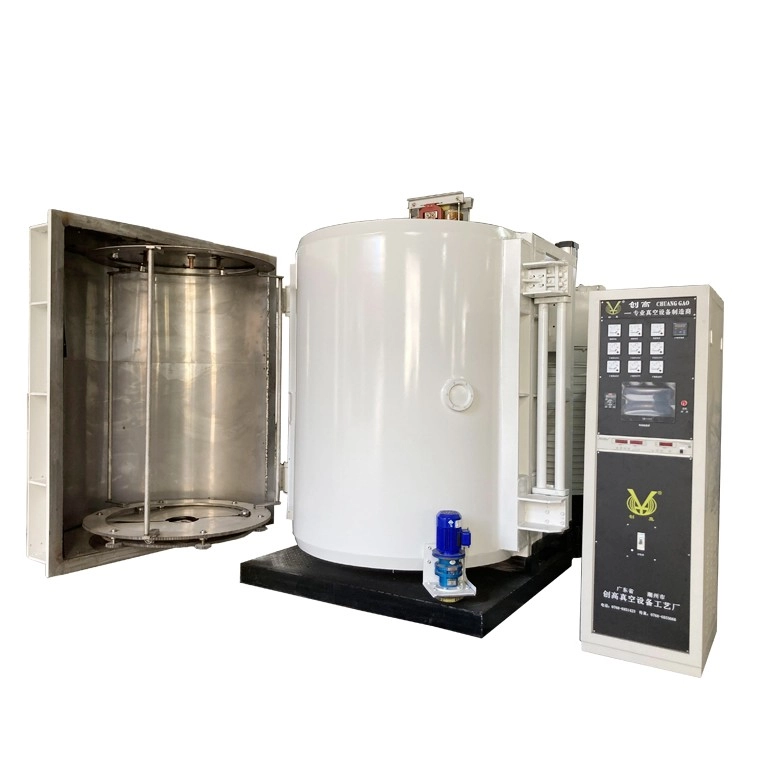
In PVD (Physical Vapor Deposition) coating processes, vacuum conditions directly influence film quality, coating consistency, and production stability. A properly designed vacuum system helps manufacturers achieve cleaner, denser, and more durable coatings.
For industrial PVD coating equipment, the vacuum level is not simply about achieving the lowest possible pressure. The key is maintaining a stable, controlled environment in which coating particles, plasma, and reactive gases can work together effectively.
Why Vacuum Level Is Critical in PVD Coating Processes
PVD coating is performed inside a vacuum chamber, where coating materials are evaporated or sputtered from a target source and deposited onto the substrate surface.
A controlled vacuum environment reduces unwanted collisions between coating particles and gas molecules while minimizing contamination from moisture, oxygen, and other residual gases.
The vacuum performance of a PVD coating machine directly affects important coating properties, including:
- Film purity
- Coating density
- Adhesion strength
- Thickness uniformity
- Production consistency
Vacuum Level Controls Impurity and Contamination
Before the coating process begins, the vacuum system removes atmospheric gases, moisture, hydrocarbons, and other contaminants from the chamber.
If residual gases remain inside the chamber, they may interact with coating materials during deposition and affect the final film quality.
Poor vacuum conditions may result in:
- Reduced film purity
- Microscopic defects
- Higher coating porosity
- Resistencia reducida a la corrosión
- Unstable coating performance
For this reason, vacuum chamber sealing, pumping system design, and process control are important factors when selecting a reliable PVD vacuum coating machine.
Vacuum Conditions Affect Particle Transport and Film Uniformity
During PVD deposition, coating atoms or ions travel from the target source to the substrate surface. The vacuum environment affects how efficiently these particles move through the chamber.
A stable vacuum condition increases the mean free path of coating particles, reducing unnecessary collisions with gas molecules during transportation.
When chamber pressure is not properly controlled, particle scattering may occur, which can influence:
- Film thickness uniformity
- Coating appearance consistency
- Film structure quality
- Deposition efficiency
For industrial production involving large quantities of components, maintaining stable vacuum conditions is essential for repeatable coating results.
Vacuum Control Influences Film Density and Adhesion
Vacuum conditions also play an important role in achieving dense coatings with strong adhesion.
In reactive PVD processes, such as TiN gold coatings or CrN coatings, reactive gases such as nitrogen are introduced into the vacuum chamber under controlled conditions.

The final coating performance depends on the balance between:
- Base vacuum condition
- Reactive gas pressure
- Plasma stability
- Ion energy during deposition
Proper control of these parameters helps create dense and well-adhered coatings with improved mechanical performance and durability.
Why Vacuum Stability Matters More Than Maximum Vacuum Level
A common misunderstanding is that higher vacuum always means better coating quality. In industrial PVD production, however, stable and repeatable vacuum control is more important than simply achieving the lowest possible pressure.
Different coating applications require different process conditions.
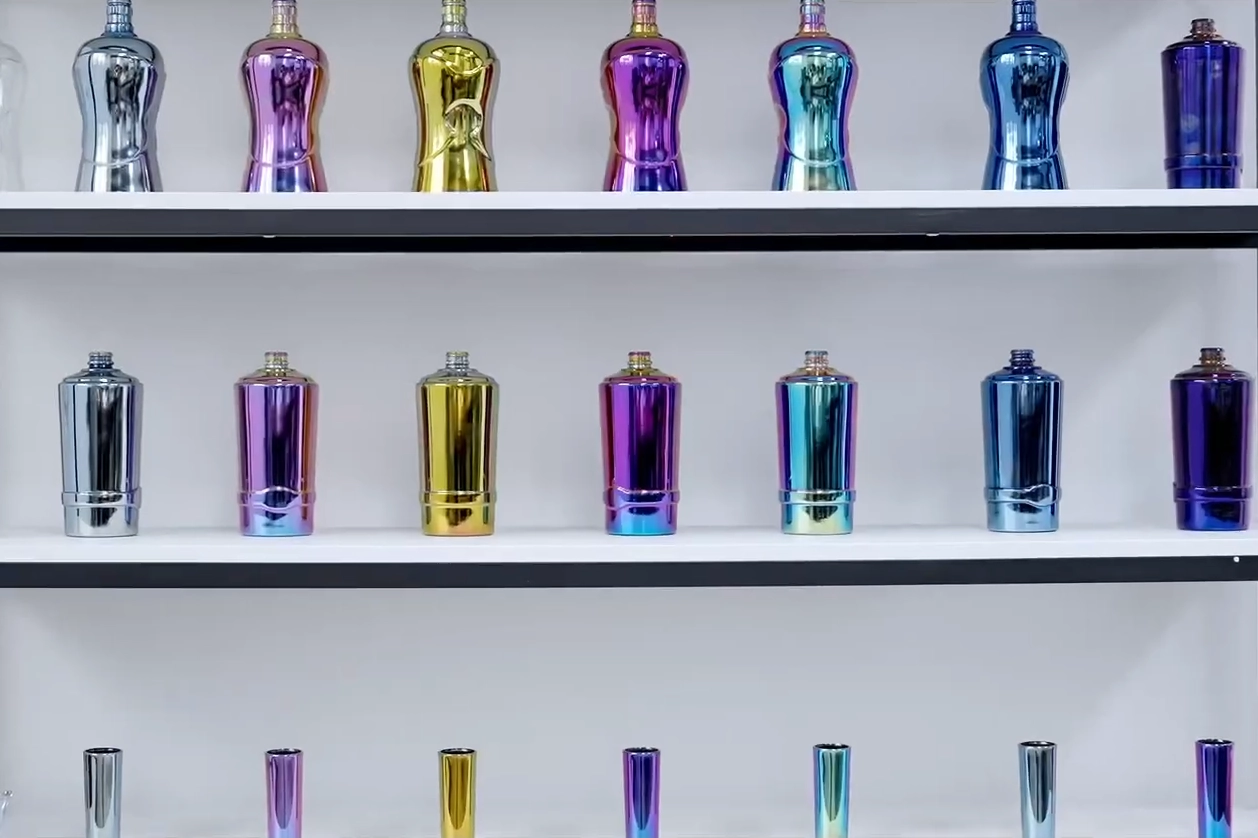
- Decorative coatings require excellent color consistency and surface quality.
- Wear-resistant coatings require strong adhesion and high film density.
- Functional coatings require precise control of coating composition and performance.
Therefore, the vacuum system should be designed according to the coating material, substrate, and production requirements.
How Vacuum Coating Machine Design Affects Vacuum Performance
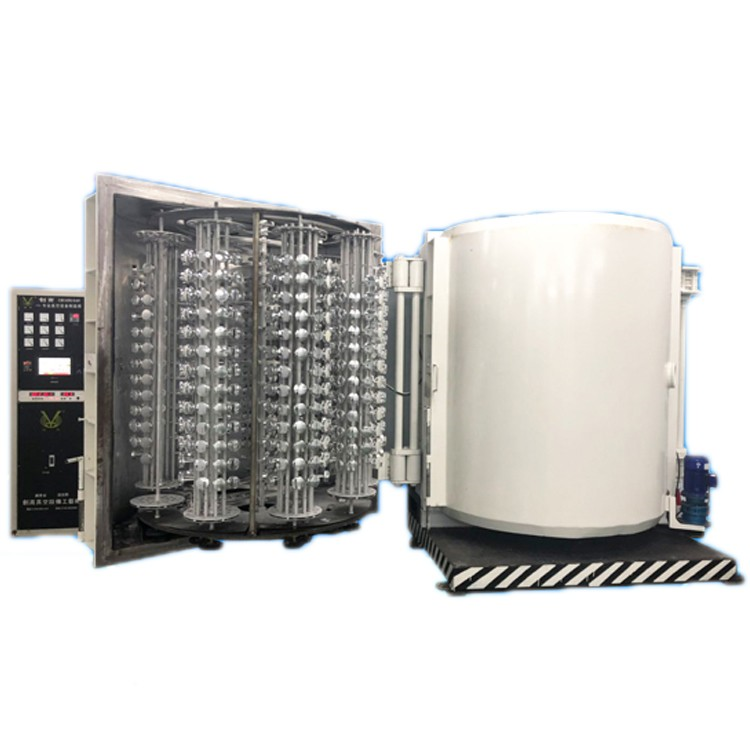
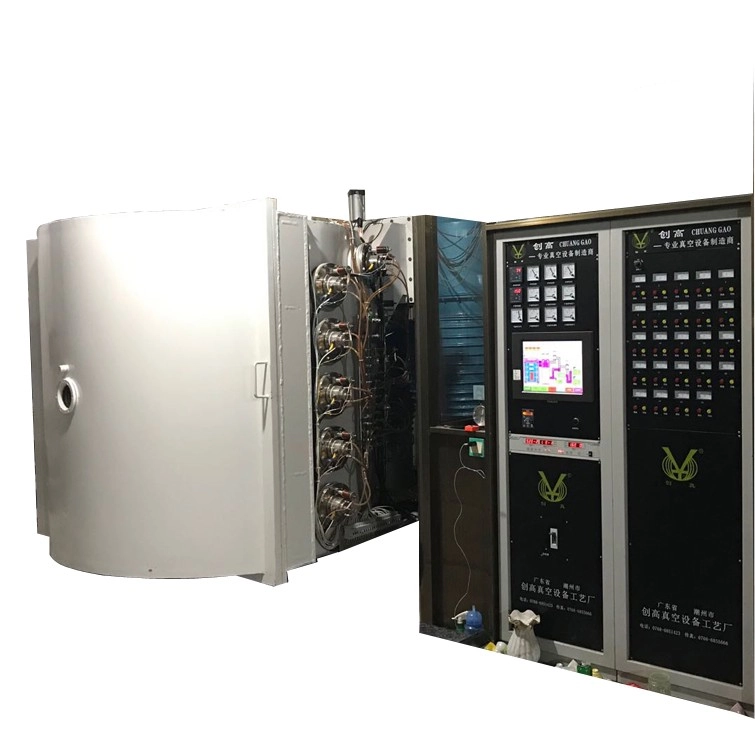
The vacuum performance of a PVD coating machine depends on the complete equipment design, including:
Vacuum Chamber Structure
A well-designed vacuum chamber helps maintain stable pressure conditions and reduces potential leakage risks during production.
Pumping System Configuration
The pumping system determines how efficiently the chamber reaches and maintains the required vacuum environment during coating cycles.
Gas Flow Control
Accurate gas flow control is essential for reactive coating processes where small variations can affect coating composition and appearance.
Process Monitoring System
Advanced monitoring systems help maintain consistent coating parameters and improve production repeatability.

Selecting the Right PVD Equipment for Your Application
Different industries require different Soluciones para máquinas de recubrimiento PVD. The suitable equipment configuration depends on factors such as substrate material, coating purpose, production capacity, and required coating performance.
Por ejemplo:
- Decorative PVD coatings: commonly used for bathroom hardware, stainless steel products, and consumer products, focusing on appearance, color consistency, and surface quality.
- Functional PVD coatings: used for tools and industrial components where wear resistance, hardness, and adhesion are critical.
A fabricante profesional de máquinas de recubrimiento PVD should evaluate these requirements before recommending the appropriate vacuum coating system.
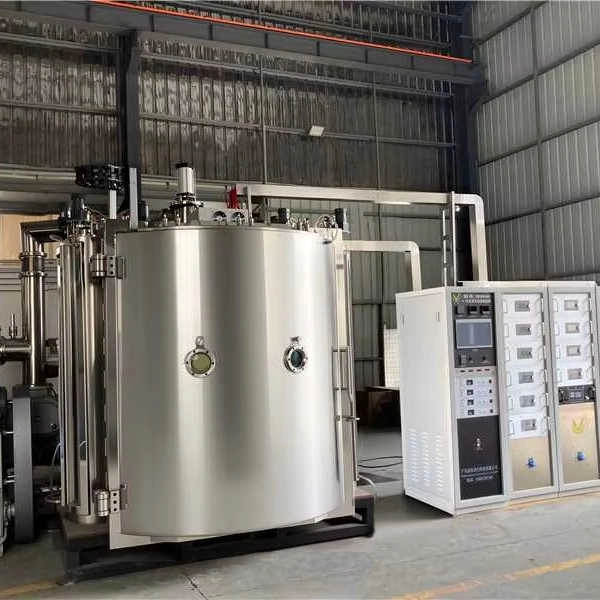
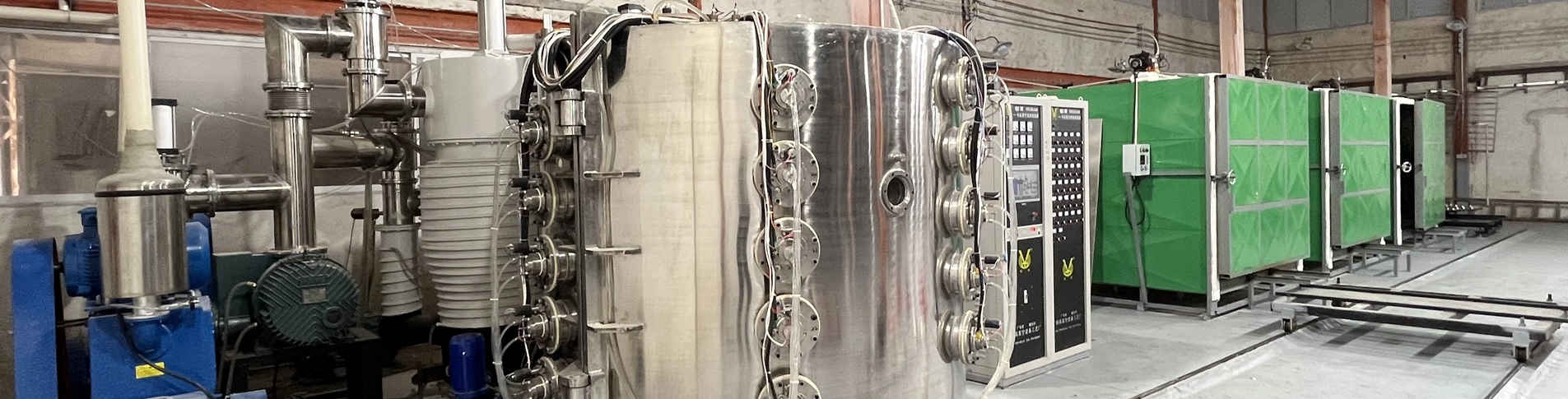
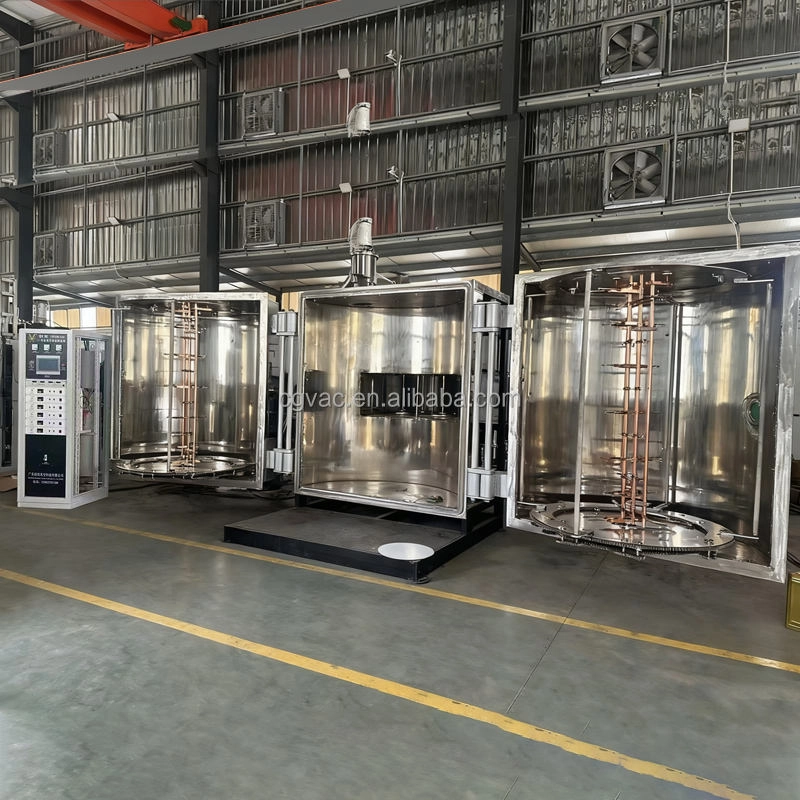
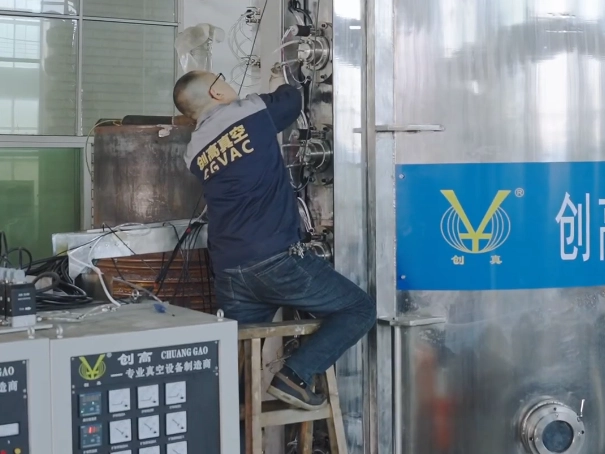
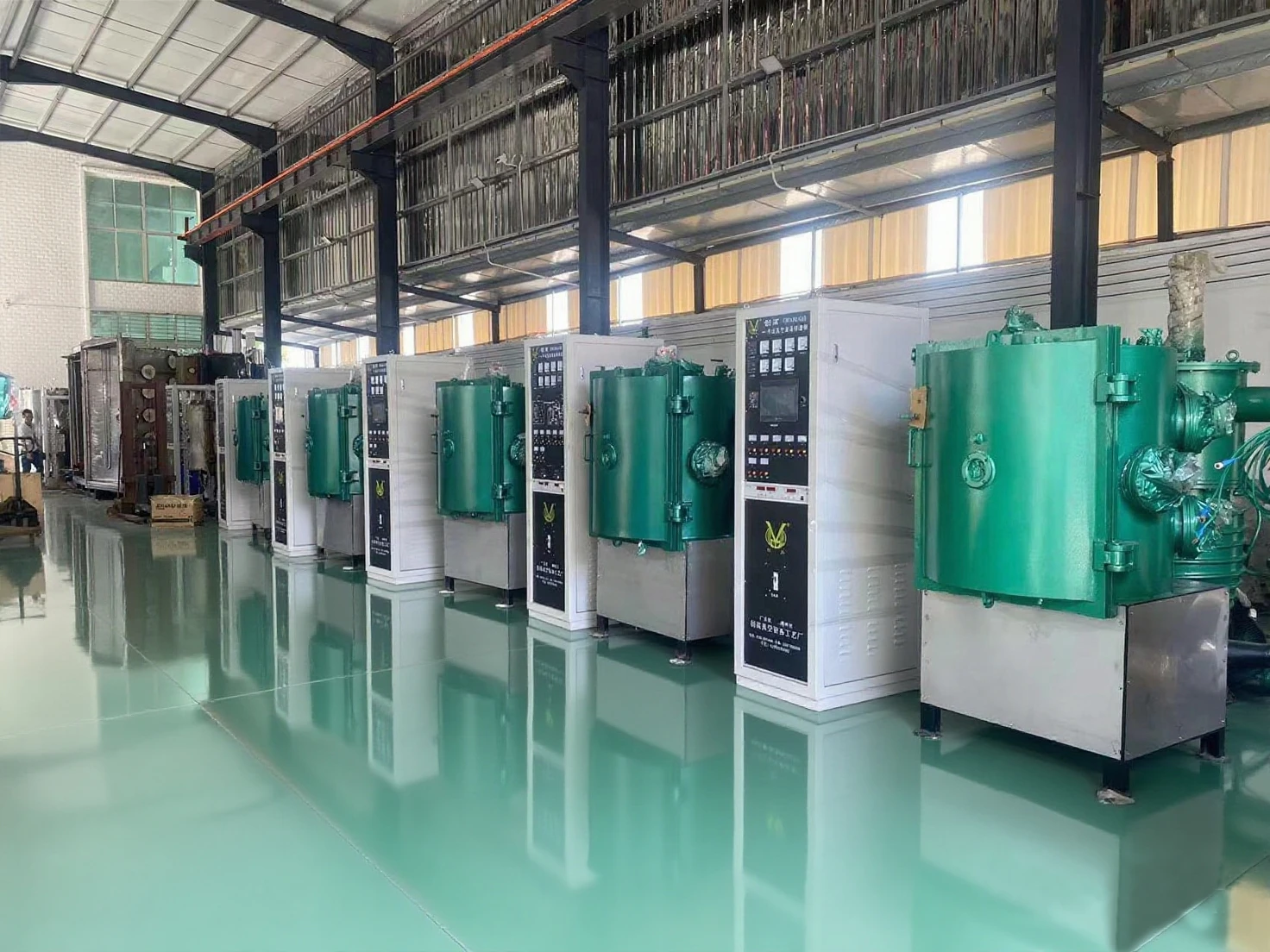
CGVAC PVD Vacuum Coating Machine Solutions
CGVAC specializes in industrial PVD vacuum coating machine solutions designed for stable production and consistent coating performance.
Nuestras soluciones de equipamiento incluyen:
- Máquinas de recubrimiento al vacío por pulverización catódica con magnetrón
- Sistemas de recubrimiento iónico de arco múltiple
- Máquinas de revestimiento al vacío por evaporación
- Líneas de producción de recubrimientos PVD a medida
By optimizing vacuum systems, coating technologies, gas control, and process configurations, CGVAC helps manufacturers achieve reliable coating results for different industrial applications.
Conclusión
Vacuum level is one of the key factors affecting PVD coating quality. A properly controlled vacuum environment helps improve coating purity, particle transport, film density, adhesion, and production consistency.
However, successful PVD coating depends on the complete equipment system, including vacuum chamber design, pumping performance, gas control, and process optimization.
If you are planning a PVD coating project, CGVAC can help evaluate a suitable vacuum coating machine configuration based on your substrate material, coating requirements, and production goals. Contact our engineering team to discuss your application and find the right PVD coating solution.