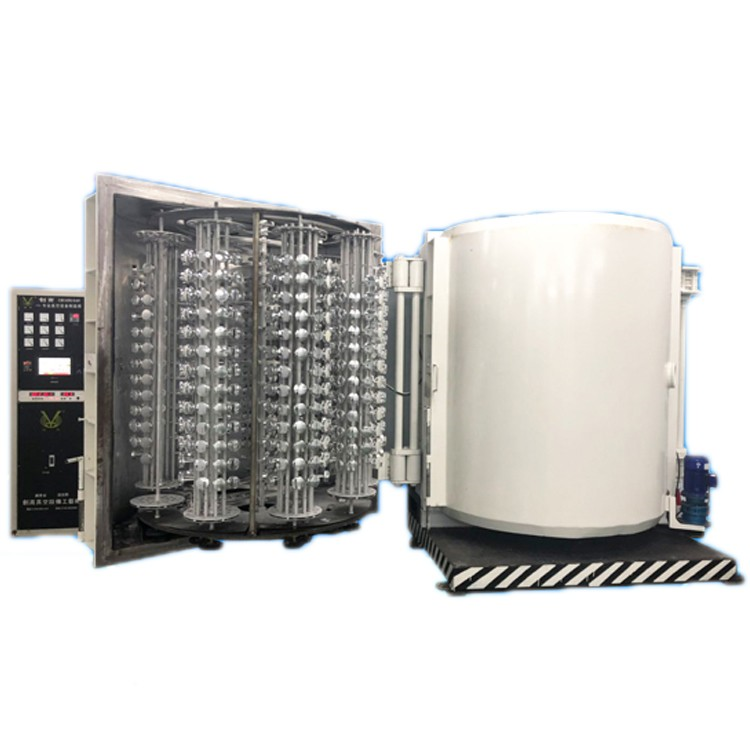
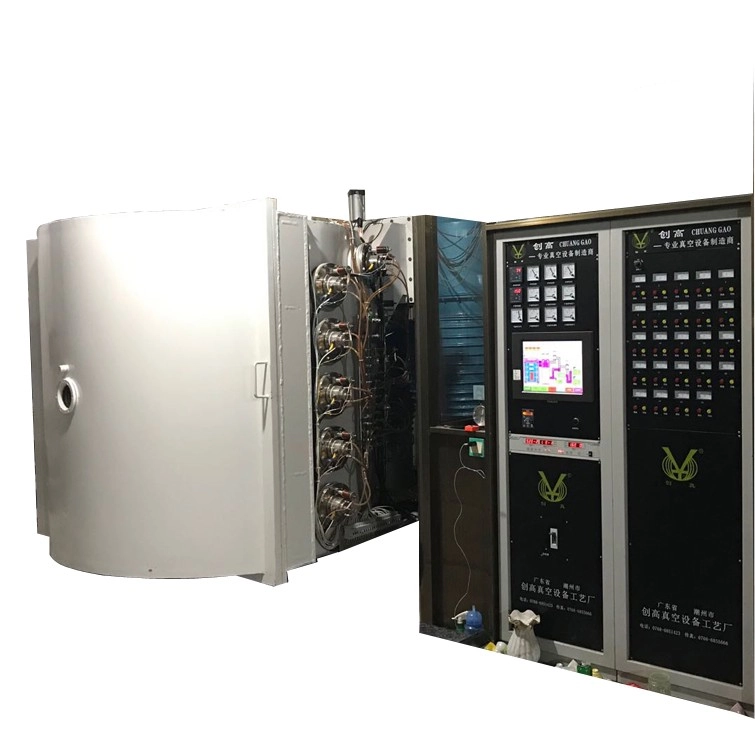
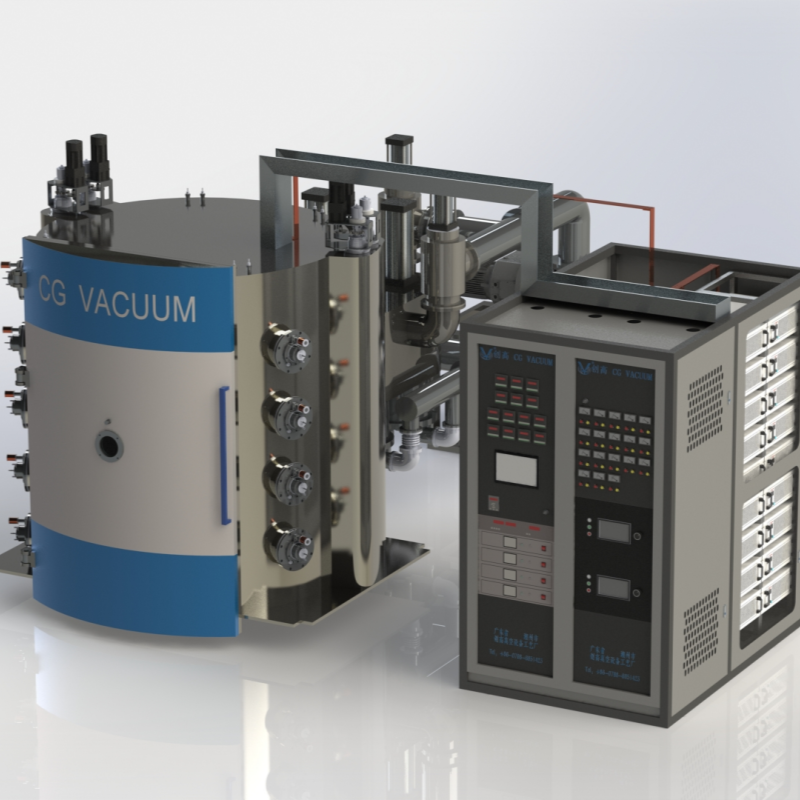
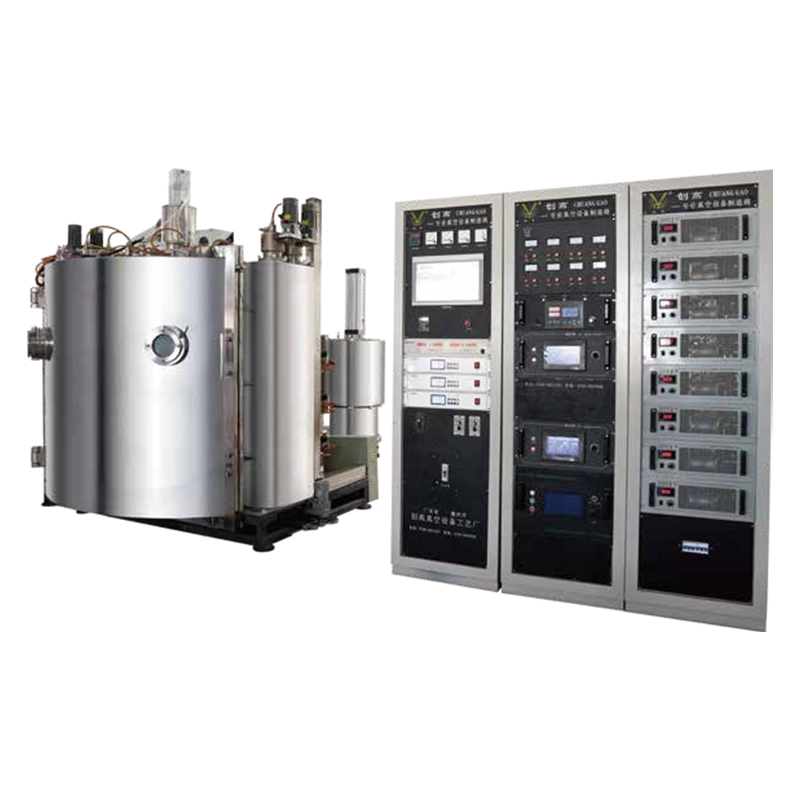
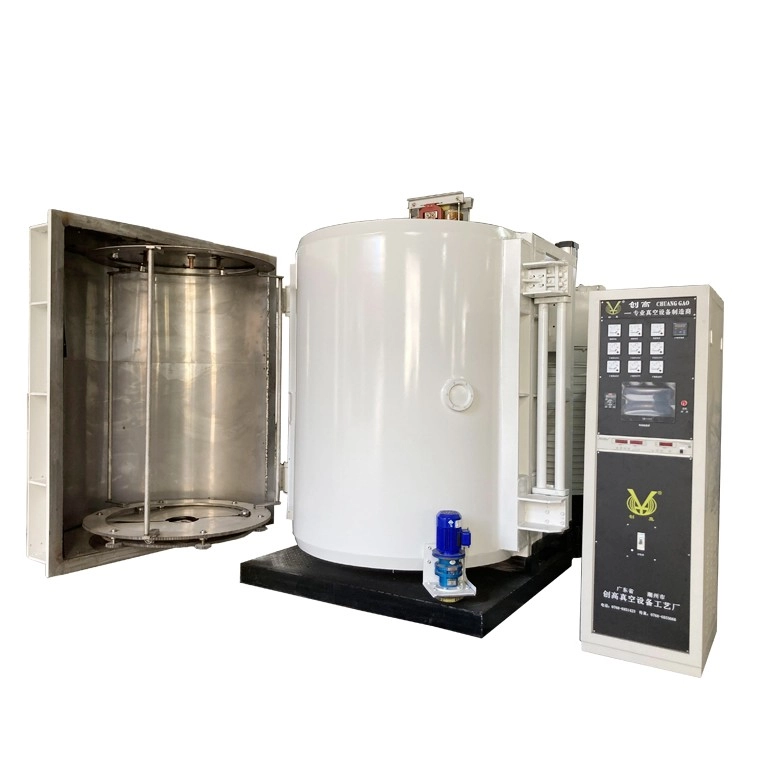
Thin film deposition technologies are widely used in industrial coating, semiconductor manufacturing, and precision surface engineering. However, from a manufacturing perspective, the key decision is not theoretical process differences, but selecting the right equipment system for production. CGVAC compares PVD vs CVD vs ALD from an industrial equipment standpoint, with a focus on process characteristics, equipment architecture, and production applicability.
Equipment System Perspective: Understanding the Real Difference
Although PVD, CVD, and ALD are often grouped as thin film deposition technologies, they belong to fundamentally different equipment systems.
- PVD: Vacuum-based physical coating equipment system (industrial vacuum coating machines)
- CVD: Chemical vapor deposition system based on process gas decomposition (reactor equipment)
- ALD: Atomic-scale cyclic reaction deposition system (precision semiconductor equipment)
Among these technologies, PVD is the most widely used industrial vacuum coating machine system for large-scale production applications.
PVD Technology: Industrial Vacuum Coating Machine Systems
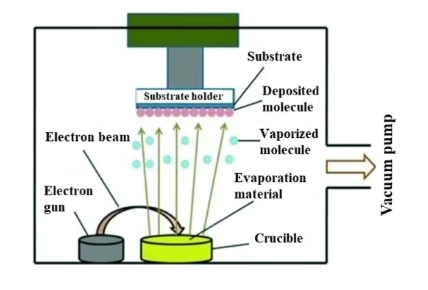
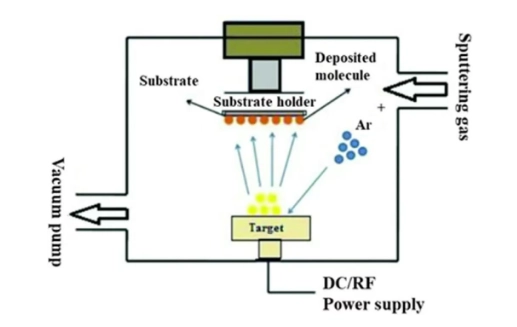
PVD (Physical Vapor Deposition) is a vacuum-based physical coating process widely used in industrial manufacturing. It operates under high vacuum conditions where target materials are vaporized or sputtered and deposited onto substrates.
Main Industrial Equipment Types
- Máquinas de recubrimiento al vacío por pulverización catódica con magnetrón
- Máquinas de recubrimiento al vacío por ionenización de arco múltiple
- Máquina de revestimiento al vacío por evaporación
- Hybrid PVD production lines
Key Industrial Characteristics
- High film purity and stable composition
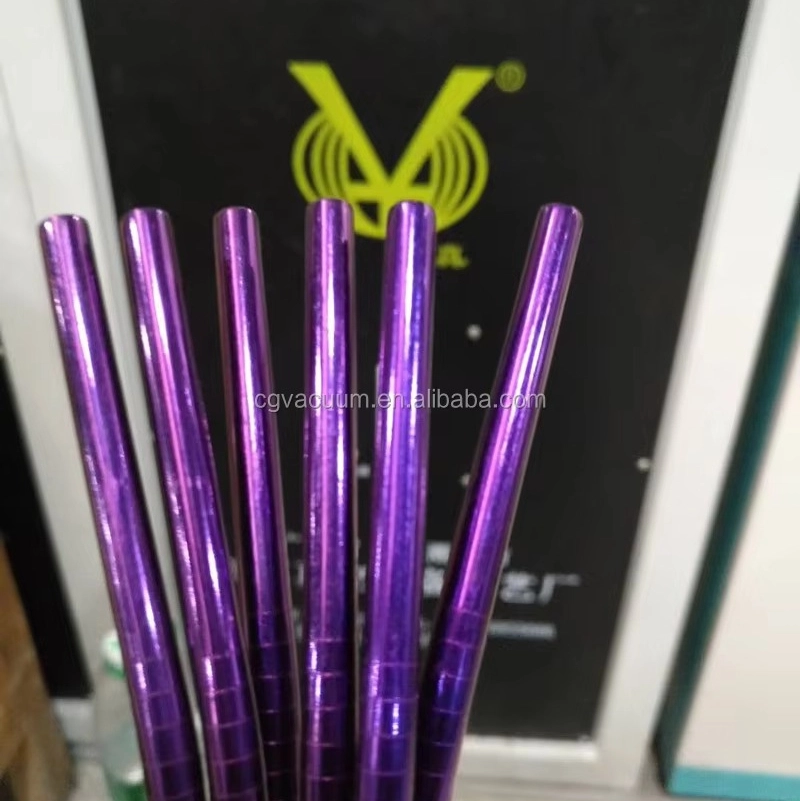
- Excellent decorative color consistency
- Suitable for mass production environments
- Wide material compatibility (metals, alloys, ceramics)
Engineering note: PVD is a line-of-sight deposition process, which may have limitations in coating deep or high-aspect-ratio structures.
Industrial Applications
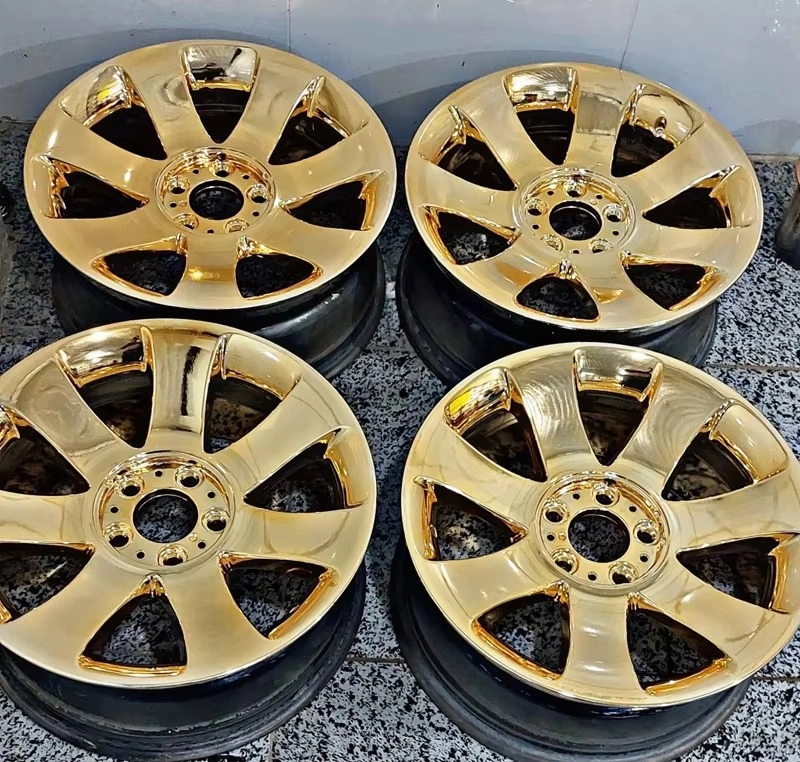
- Stainless steel decorative coating
- Hardware and sanitary ware surface finishing
- Tool and wear-resistant coatings
- Automotive interior components

CVD Technology: Chemical Vapor Deposition Systems
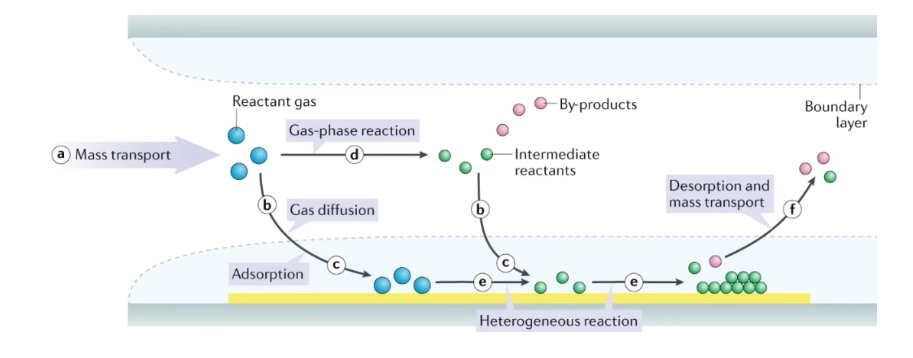
CVD (Chemical Vapor Deposition) is a chemical reaction-based thin film process performed in a controlled reactor environment. It is fundamentally different from vacuum sputtering systems. CVD systems include LPCVD, PECVD, and APCVD depending on temperature and pressure conditions.
Common CVD System Types
- LPCVD (Low Pressure Chemical Vapor Deposition)
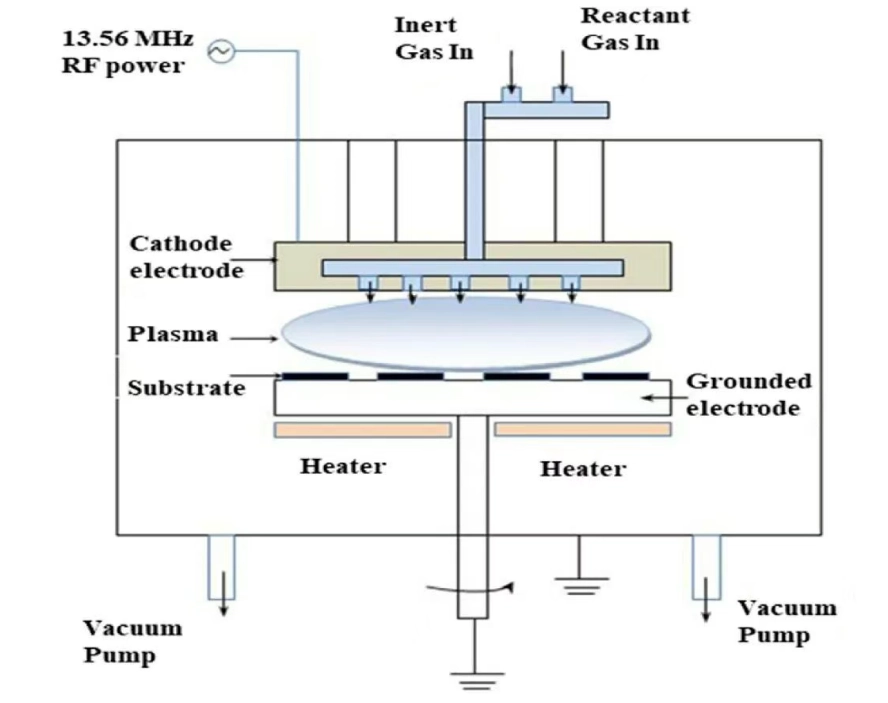
- PECVD (Plasma Enhanced Chemical Vapor Deposition)
- APCVD (Atmospheric Pressure Chemical Vapor Deposition)
Key Characteristics
- Chemical reaction-driven film formation
- High deposition rate for large-scale production
- Excellent step coverage on complex geometries
- High temperature or plasma-assisted process environment
Industrial limitation: CVD systems are reactor-based deposition equipment and are fundamentally different from PVD vacuum sputtering systems.
Aplicaciones
- Semiconductor thin film fabrication
- Silicon-based materials and dielectric layers
- High-temperature resistant coatings
ALD Technology: Atomic Layer Deposition Systems
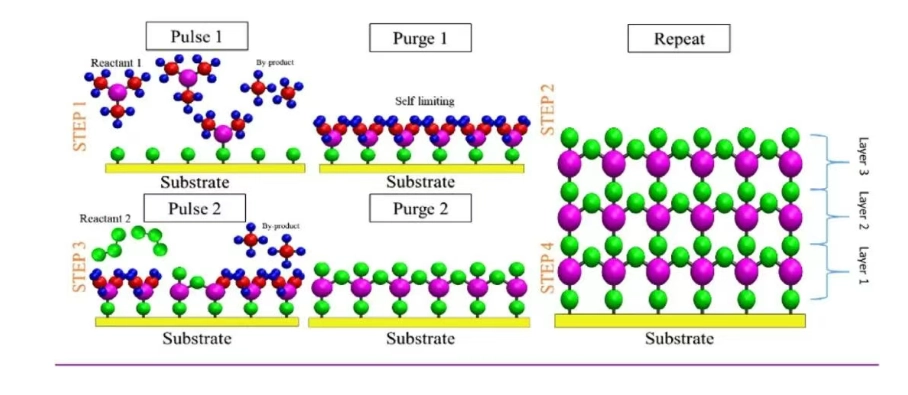
ALD (Atomic Layer Deposition) is a precision coating technology based on sequential, self-limiting surface reactions, enabling atomic-level thickness control.
Equipment Characteristics
- Cyclic precursor injection and purge system
- Self-limiting monolayer growth mechanism
- Ultra-high thickness precision control
Key Advantages
- Excellent conformality on high aspect ratio structures
- Atomic-scale thickness control
- Low-temperature process capability (PE-ALD)
Limitaciones
- Extremely low deposition rate
- High material and operational cost
- Suitable mainly for ultra-thin functional films
Industrial conclusion: ALD is widely used in semiconductor and advanced functional thin film applications requiring atomic-scale thickness control, not a high-throughput industrial coating solution.
Industrial Selection Guide: PVD vs CVD vs ALD
| Aplicación | Recommended Technology | Tipo de equipo |
|---|---|---|
| Hardware & decorative coating | PVD | Vacuum coating machine system |
| Stainless steel color coating | PVD | Magnetron sputtering / Multi-arc ion plating |
| Wear-resistant industrial coating | PVD | Multi-arc ion plating system |
| Semiconductor fabrication | CVD / ALD | Reactor-based deposition systems |
| Ultra-thin precision films | ALD | Atomic layer deposition tools |
Why PVD Dominates Industrial Vacuum Coating Applications
Among the three technologies, the PVD vacuum coating system remains the most widely used in industrial manufacturing due to its balance of performance, cost, and scalability.
- Stable mass production capability
- Strong decorative coating performance
- Lower operational cost compared to CVD/ALD
- Flexible system configuration for different industries
This is why magnetron sputtering and multi-arc ion plating systems are widely used in industrial vacuum coating production lines.
CGVAC Industrial Vacuum Coating Solutions
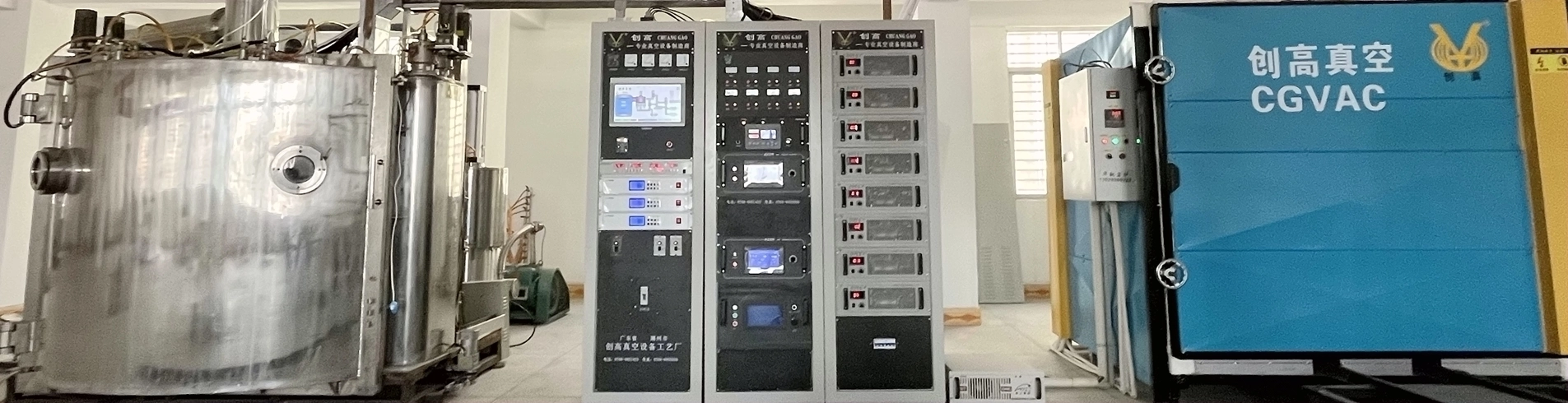
CGVAC se especializa en industrial vacuum coating machine systems designed for stable production and high-quality surface finishing applications.
- Máquinas de recubrimiento al vacío por pulverización catódica con magnetrón
- Sistemas de recubrimiento iónico de arco múltiple
- Functional PVD production line solutions
Our equipment is designed for consistent coating performance, industrial reliability, and scalable production requirements.
Conclusión
PVD, CVD, and ALD represent three fundamentally different deposition systems with distinct equipment architectures and industrial applications. For most industrial coating manufacturers, PVD vacuum coating machines provide the best balance between performance, cost efficiency, and production scalability. Contact CGVAC engineering team para customized vacuum coating machine solutions and PVD production line planning tailored to your industrial application needs.
References: WeChat Official Account “PVD Technology Department”, Article “Research on the Principles and Process Characteristics of Core Thin-Film Deposition Technologies: PVD, CVD, and ALD”, Original link: https://mp.weixin.qq.com/s/mauPa4A1tJfasZbUJ7DWzA