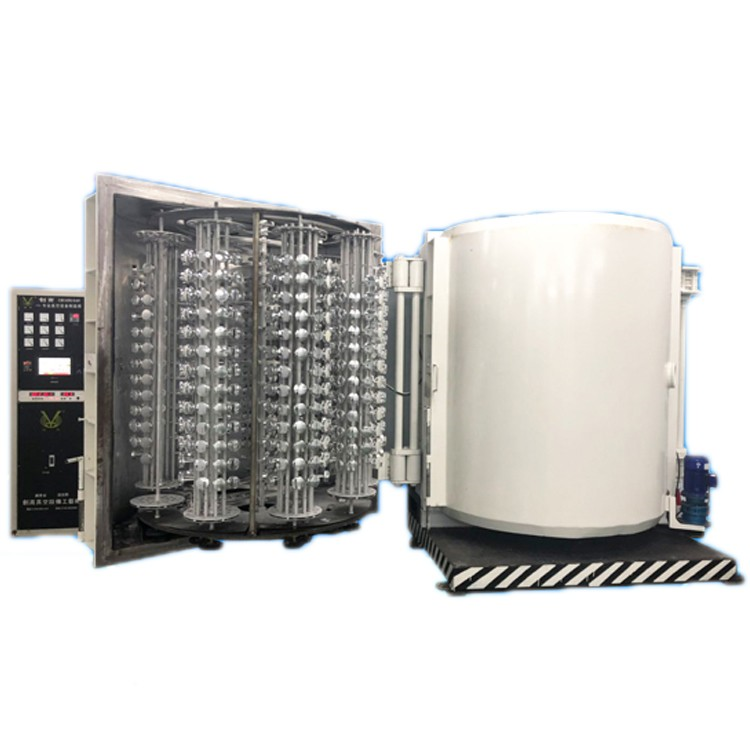
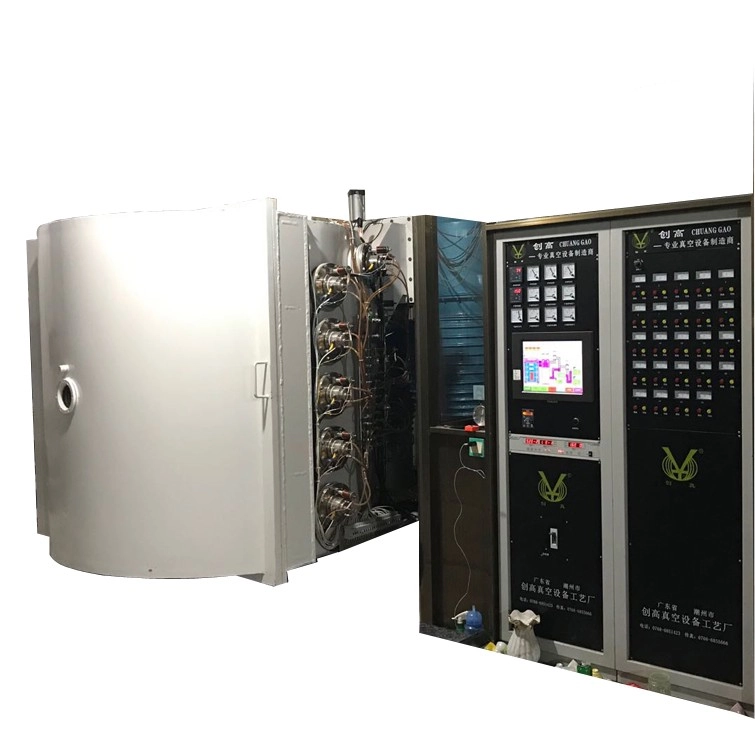
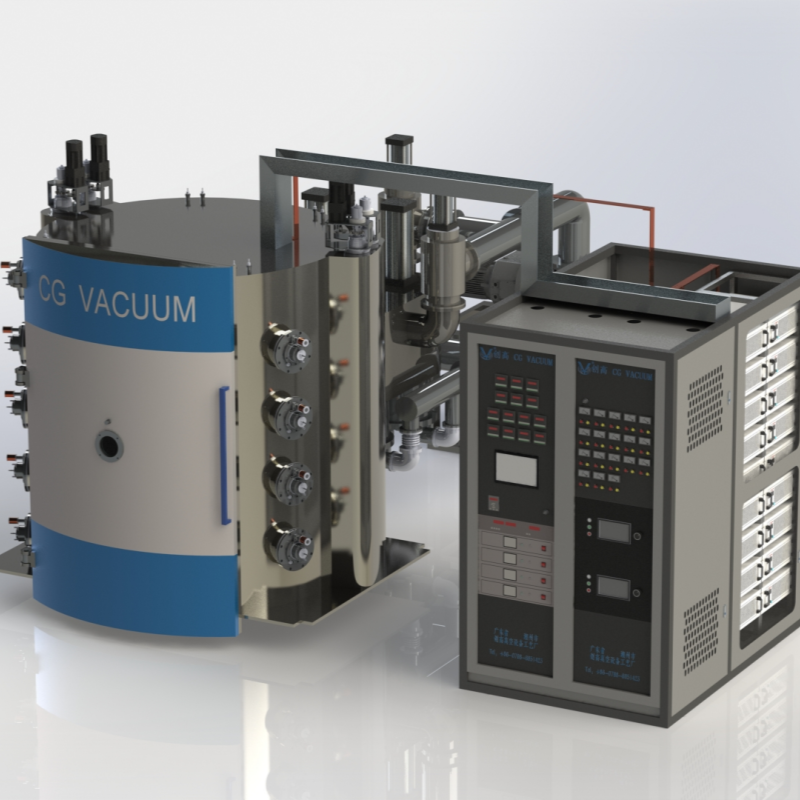
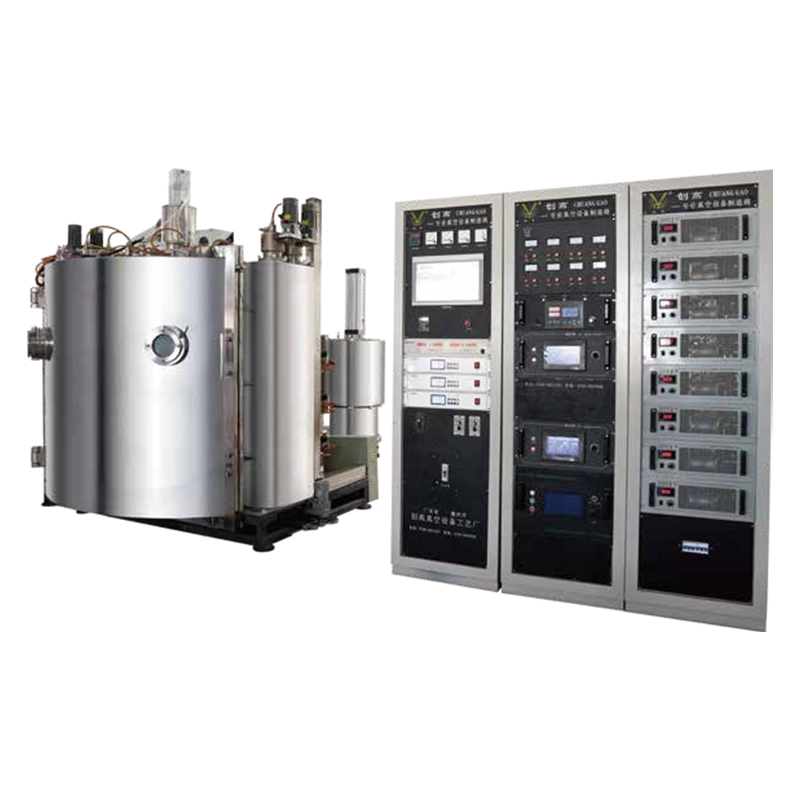
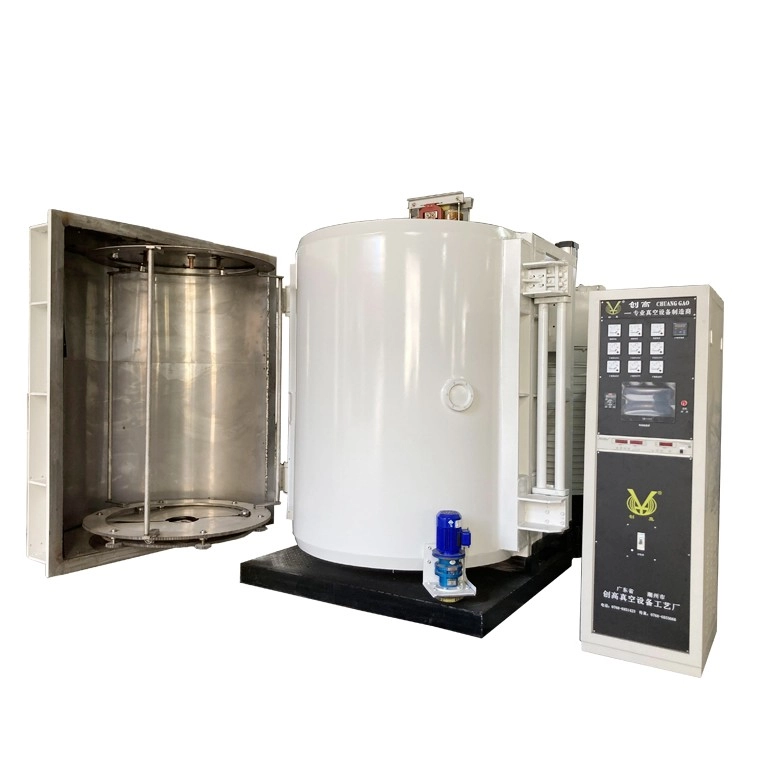
Die Haltbarkeit einer PVD-Beschichtung wird maßgeblich von der Leistungsfähigkeit und der Konstruktion des Vakuumbeschichtungsmaschine in der Produktion eingesetzt. In industriellen Anwendungen hängen Beschichtungsfehler wie Abblättern, Rissbildung oder mangelnde Verschleißfestigkeit häufig eher mit anlagenbezogenen Faktoren zusammen als allein mit den Beschichtungsmaterialien. Die Auslegung einer Vakuumbeschichtungsanlage spielt eine entscheidende Rolle bei der Bestimmung der Haftfestigkeit, der Dichte und der Langzeitstabilität der Schicht. CGVAC, ein professioneller Hersteller und Anbieter von PVD-Beschichtungsanlagen, erläutert, wie sich verschiedene technische Aspekte von Vakuumbeschichtungsanlagen aus Sicht der industriellen Fertigung auf die Haltbarkeit von PVD-Beschichtungen auswirken.
Die Rolle von Vakuumbeschichtungsanlagen für die Haltbarkeit der Beschichtung
Die Haltbarkeit einer PVD-Beschichtung hängt nicht von einem einzigen Faktor ab. Sie ist das Ergebnis des Zusammenspiels folgender Faktoren:
- Stabilität unter Vakuumbedingungen
- Plasmaerzeugung und Steuerung der Ionenenergie
- Vorbereitung der Substratoberfläche
- Bildung der Filmstruktur während der Abscheidung
- Prozesswiederholbarkeit in der Massenproduktion
Unter diesen Faktoren bestimmt die Vakuumbeschichtungsanlage die Obergrenze für die Gleichmäßigkeit der Beschichtungsqualität in der industriellen Fertigung.
Ein gut durchdachtes System trägt dazu bei, Folgendes zu erreichen:
- Dichte und gleichmäßige Filmstruktur
- Stabile Beschichtungszusammensetzung
- Starke Haftung der Folie auf dem Trägermaterial
- Geringere Fehlerquote in der Serienfertigung

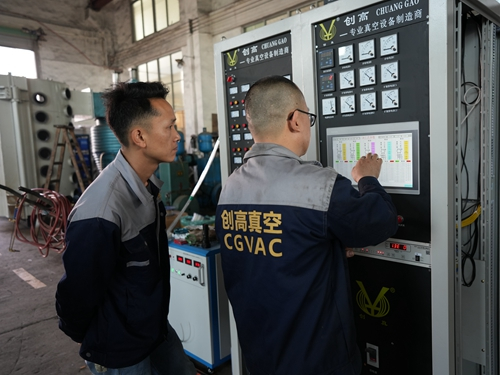
Wichtige Konstruktionsfaktoren bei Vakuumbeschichtungsanlagen
Auslegung der Vakuumkammer und Dichtungsleistung
Die Vakuumkammer bildet die Grundlage jeder PVD-Anlage. In der industriellen Fertigung hängt die Beschichtungsqualität nicht nur vom Erreichen hoher Vakuumniveaus ab, sondern auch von der Aufrechterhaltung eines stabilen Vakuums während des Dauerbetriebs. Zu den wichtigsten technischen Aspekten zählen:
- Kammerabdichtung und Leckagekontrolle
- Konfiguration des Pumpsystems
- Auslegung der Gaszu- und -abführung
- Die innere Geometrie und ihr Einfluss auf die Partikelströmung
Bei reaktiven Sputterprozessen werden Gase wie Stickstoff (N₂), Sauerstoff (O₂) oder Acetylen (C₂H₂) in die Kammer eingeleitet. Ist die Gasverteilung nicht gleichmäßig, kann es zu Schwankungen bei den Plasmareaktionen kommen, was zu einer uneinheitlichen Zusammensetzung und Farbe der Beschichtung an verschiedenen Stellen in der Kammer führt. Eine geeignete Auslegung des Gasstroms trägt dazu bei, eine stabile Plasmaumgebung, eine gleichmäßige Reaktionsverteilung und eine konsistente Schichtbildung über alle Chargen hinweg sicherzustellen.
Konfiguration von Kathode und Target
Das Kathodensystem spielt eine entscheidende Rolle bei der Materialverdampfung und der Ionenbildung. Verschiedene PVD-Technologien verwenden unterschiedliche Konfigurationen:
- Vakuumsysteme für das Magnetron-Sputtern verwenden in der Regel flache oder rotierende Kathoden, um die Gleichmäßigkeit der Abscheidung zu steuern
- Mehrbogen-Ionen-Vakuumbeschichtungsanlagen Verwendung von Lichtbogenkathoden, die ein hochionisiertes Metallplasma erzeugen
Mehrlichtbogensysteme bieten in der Regel höhere Ionisationsgrade, was die Haftfestigkeit der Beschichtung verbessern kann, jedoch auch zur Bildung von Mikrotröpfchen führen kann, die die Oberflächenglätte beeinträchtigen können. Magnetron-Sputteranlagen hingegen erzeugen in der Regel glattere und gleichmäßigere Schichten, wodurch sie sich für Anwendungen eignen, bei denen optische oder dekorative Präzision gefragt ist.
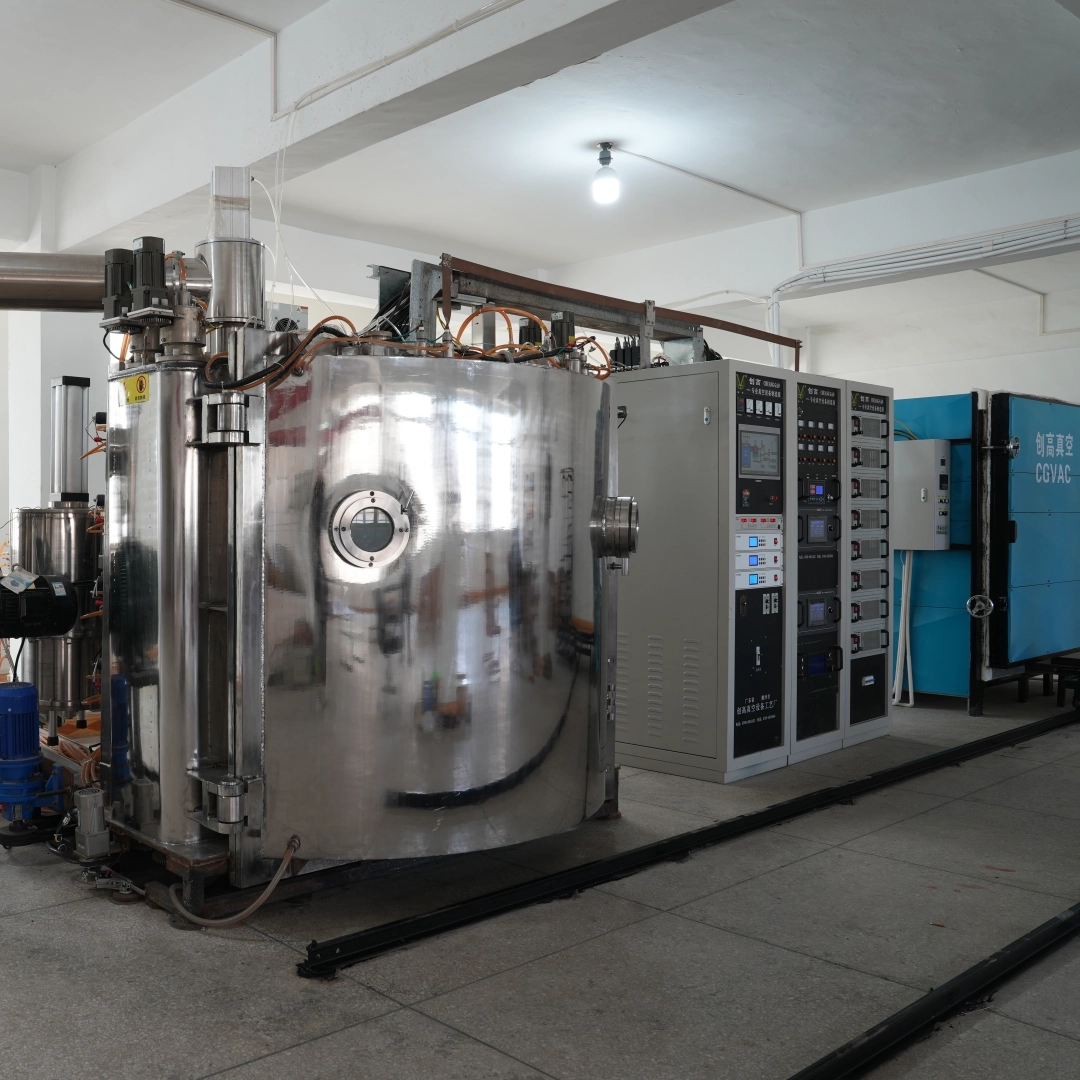
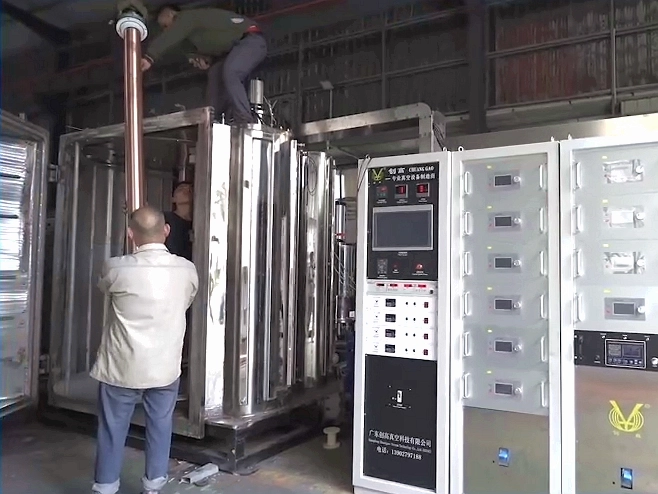
Steuerung der Plasmadichte und der Substratvorspannung (Kernfaktor)
Einer der entscheidenden Faktoren für die Haltbarkeit einer Beschichtung ist die Haftung des Beschichtungsfilms auf dem Substrat. Vor Beginn der Abscheidung wird die Substratoberfläche häufig durch einen hochenergetischen Ionenbeschuss gereinigt und aktiviert. Dieser Vorgang trägt dazu bei, mikroskopisch kleine Oxidschichten und Verunreinigungen zu entfernen, wodurch die Haftung an der Grenzfläche verbessert wird.
Substratvorspannungssysteme und die Plasmasteuerung tragen dazu bei, dass:
- Anstieg der Ionenenergie an der Substratoberfläche
- Verbesserung der Filmdichte und -kompaktheit
- Verbesserung der Haftung zwischen Beschichtung und Untergrund
- Reduzierung innerer Defekte in der Filmstruktur
In industriellen PVD-Anlagen werden je nach Material und Anwendungsanforderungen häufig bestimmte Vorspannungskonfigurationen (wie beispielsweise gepulste oder mittelfrequente Vorspannung) eingesetzt, um die Beschichtungsleistung zu optimieren.
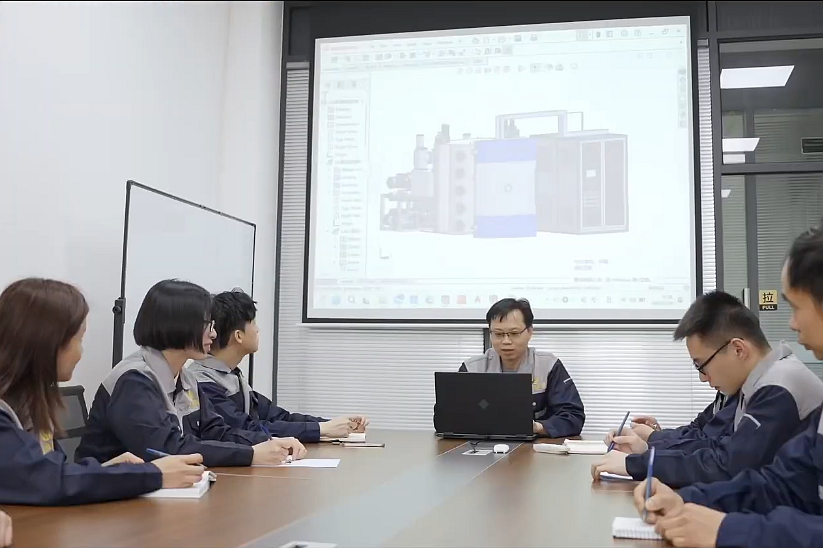
Temperaturmanagement und thermische Belastung
Bei der PVD-Abscheidung sind die Substrate je nach Prozessbedingungen erhöhten Temperaturen ausgesetzt. Das thermische Verhalten spielt eine wichtige Rolle für die Beständigkeit der Beschichtung:
- Unterschiede in der Wärmeausdehnung zwischen der Folie und dem Substrat können zu inneren Spannungen führen
- Übermäßige Eigenspannungen können im Laufe der Zeit zu Rissbildung oder Delaminierung führen
- Dicke Beschichtungen reagieren besonders empfindlich auf die Akkumulation thermischer Spannungen
Daher sind Temperaturregelung und Prozessstabilität wichtig, um ein kontrolliertes Schichtwachstum zu gewährleisten und spannungsbedingte Ausfälle zu reduzieren.
Automatisierung und Produktionsstabilität
In industriellen Produktionsumgebungen ist die Wiederholgenauigkeit ebenso wichtig wie die Beschichtungsleistung. Moderne Vakuumbeschichtungsanlagen umfassen häufig:
- Automatisierte Substrathandhabungssysteme
- Programmierbare Prozesssteuerung
- Verwaltung von mehrstufigen Beschichtungsrezepturen
- Überwachung der Chargenkonsistenz
Die Automatisierung verringert menschliche Abweichungen und gewährleistet eine gleichbleibende Beschichtungsqualität in der Großserienfertigung.
Vakuumbeschichtungsanlage mit Magnetron-Sputterverfahren im Vergleich zu einer Multi-Arc-Ionen-Vakuumbeschichtungsanlage
Multi-Arc-Ionen-PVD-Beschichtungsanlage
- Hohe Ionisationsrate
- Hervorragende Haftfähigkeit
- Hervorragende Abdeckung bei komplexen Geometrien
- Geeignet für verschleißfeste Beschichtungen, beispielsweise bei Schneidwerkzeugen und Formen
- Kann zu Mikrotröpfchen führen, die die Oberflächenrauheit erhöhen
Magnetron-Sputtering-Vakuum-Beschichtungsanlage
- Erzeugt dichte und glatte Beschichtungen
- Hervorragende Farbgleichmäßigkeit und Oberflächenbeschaffenheit
- Geeignet für dekorative, optische und präzisionselektronische Anwendungen
- Im Vergleich zu Lichtbogensystemen im Allgemeinen geringere Ionenenergie, dafür aber höhere Prozesssteuerbarkeit
In industriellen Anwendungen hängt die Wahl der Beschichtungstechnologie vom Gleichgewicht zwischen Haftfestigkeit, Oberflächenbeschaffenheit, Verschleißfestigkeit und Produktionskonsistenz ab. CGVAC Die Anlagen können je nach den Produktanforderungen des Kunden so konfiguriert werden, dass sie entweder eine der beiden Technologien oder kombinierte Verfahren unterstützen.
Funktionsbeschichtungen vs. dekorative Beschichtungen
Funktionale PVD-Beschichtungen für die Industrie
Beispiele: TiAlN, CrN, DLC
- Hohe Härte
- Hohe Temperaturbeständigkeit
- Hohe Anforderungen an die Haftfestigkeit
- Wird typischerweise in Werkzeugen, Formen und mechanischen Bauteilen verwendet
Dekorative PVD-Beschichtungen
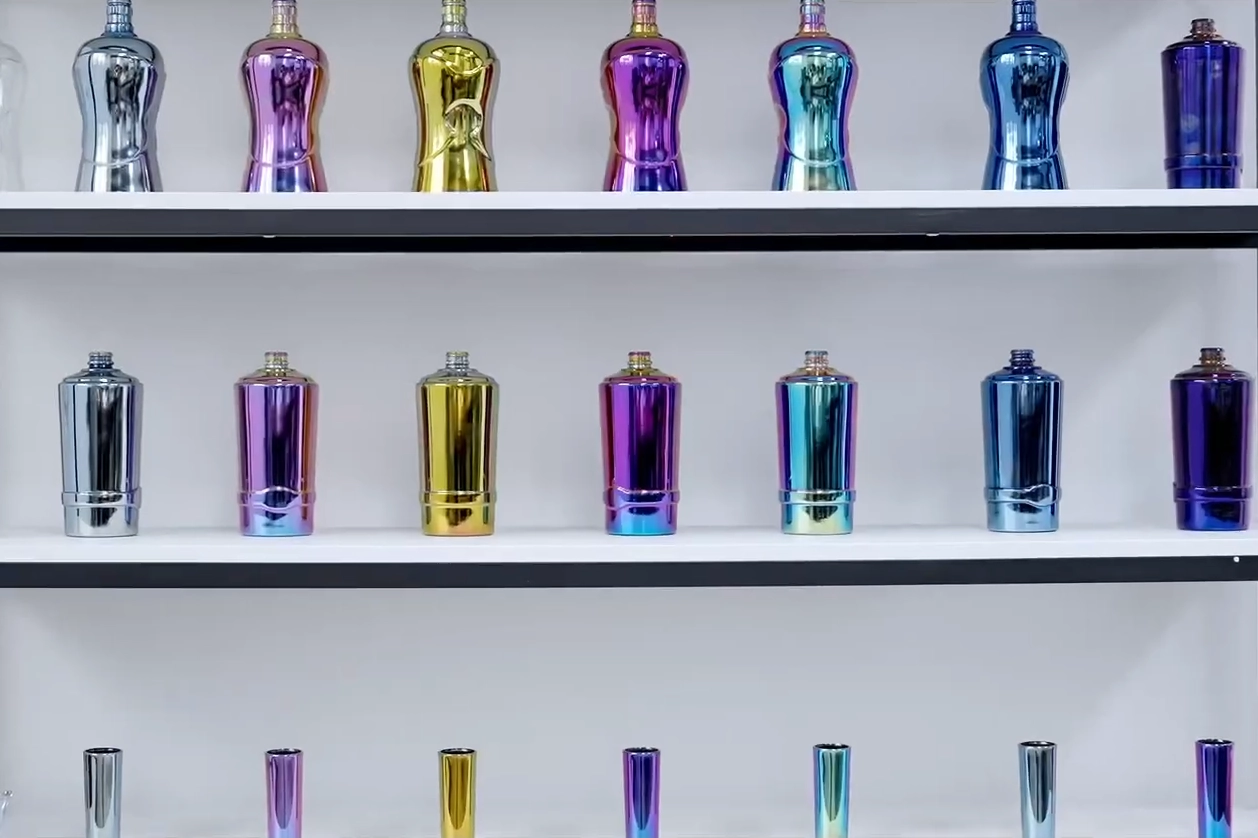
Beispiele: Folien in Gold-, Schwarz- und Titantönen
- Farbstabilität und optische Gleichmäßigkeit
- Kratzfestigkeit
- Korrosionsbeständigkeit (z. B. Salznebel, Schweißbeständigkeit)
- Häufig in Sanitärartikeln, Eisenwaren und Konsumgütern anzutreffen
Unterschiedliche Anwendungen erfordern unterschiedliche Anlagenkonfigurationen und Strategien zur Prozessoptimierung.

Gesichtspunkte bei der Auswahl von Anlagen für Hersteller
Für Hersteller, die PVD-Anlagen evaluieren, sind folgende Aspekte von entscheidender Bedeutung:
- Art der zu beschichtenden Produkte
- Erforderliche Beschichtungseigenschaften (Haftfestigkeit, Härte, Aussehen)
- Produktionsvolumen und Automatisierungsgrad
- Prozessflexibilität für verschiedene Materialien
- Langfristige Wartung und Betriebssicherheit
Eine fachgerecht konstruierte Vakuumbeschichtungsanlage verhilft Herstellern zu einer höheren Produktionsausbeute, einer stabileren Beschichtungsqualität, geringeren Fehlerquoten und einer verbesserten Produktkonsistenz.
Schlussfolgerung
Die Haltbarkeit von PVD-Beschichtungen wird nicht nur durch die Materialien oder die Prozessparameter bestimmt, sondern auch maßgeblich durch die Konstruktion der Vakuumbeschichtungsanlage beeinflusst. Wichtige Systemkomponenten wie Vakuumkammerkonfiguration, Plasmaerzeugung, Steuerung der Substratvorspannung, Temperaturstabilität und Automatisierung All dies trägt zur Haftung, Gleichmäßigkeit und langfristigen Leistungsfähigkeit der Beschichtung bei. Die Auswahl der richtigen Vakuumbeschichtungsanlage ist entscheidend für eine zuverlässige und skalierbare industrielle Beschichtungsproduktion.
CGVAC bietet Lösungen für Vakuumbeschichtungsanlagen, die für industrielle PVD-Anwendungen entwickelt wurden in den Bereichen dekorative, funktionale und optische Beschichtungen. Kontakt um maßgeschneiderte Lösungen für Vakuumbeschichtungsanlagen zu erarbeiten, die Ihren Produktionsanforderungen entsprechen.