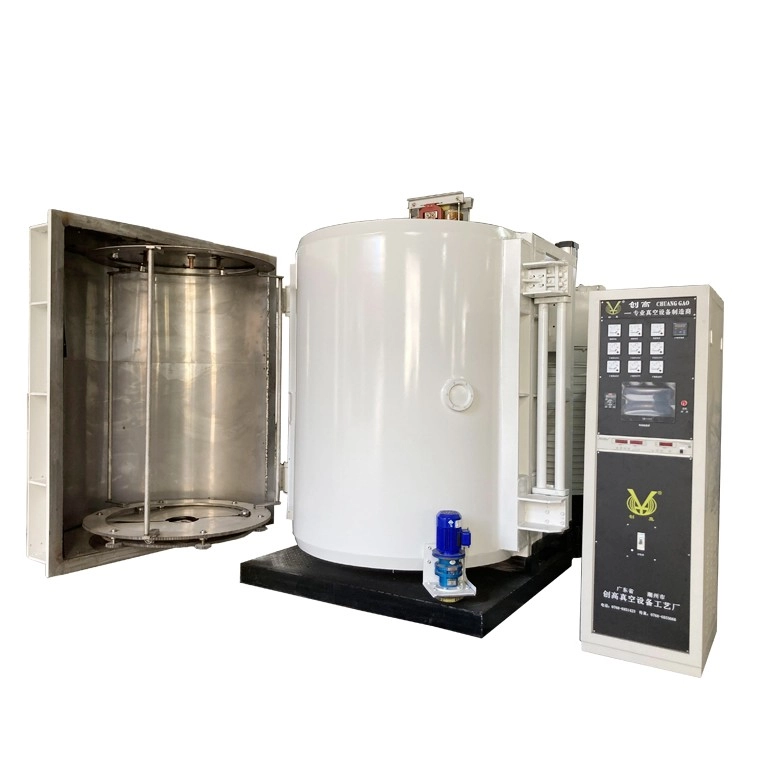
In the PVD coating industry, “salt spray test failure” is one of the most common and challenging quality issues faced by engineers and manufacturers. Many assume that corrosion problems are caused by poor coating performance. However, in reality, Most corrosion failures are not due to the coating itself, but to a system imbalance across substrate, pre-treatment, coating design, and equipment control. As a ведущий производитель машин для нанесения PVD-покрытий, CGVAC explains the root causes and provides a systematic approach to improving salt spray resistance in PVD coatings.
PVD Coating Corrosion Protection Mechanism and Limitations
Before analyzing failure causes, it is essential to understand how PVD coatings actually protect against corrosion.
Protection Mechanism
PVD coatings such as TiN, CrN, TiAlN, and DLC provide corrosion resistance mainly through:
- Physical barrier protection: Dense thin film blocks moisture, oxygen, and chloride ions
- Electrochemical passivation: Chromium- or aluminum-based coatings form stable passive layers
Inherent Limitations
Despite excellent performance, PVD coatings have structural constraints:
- Typical thickness: 1–5 μm
- Line-of-sight deposition process
- Limited coverage on deep holes, threads, and complex geometries
- Micro-defects such as pinholes are unavoidable
Corrosion does not directly attack the coating itself; it penetrates through weak points and reaches the substrate.
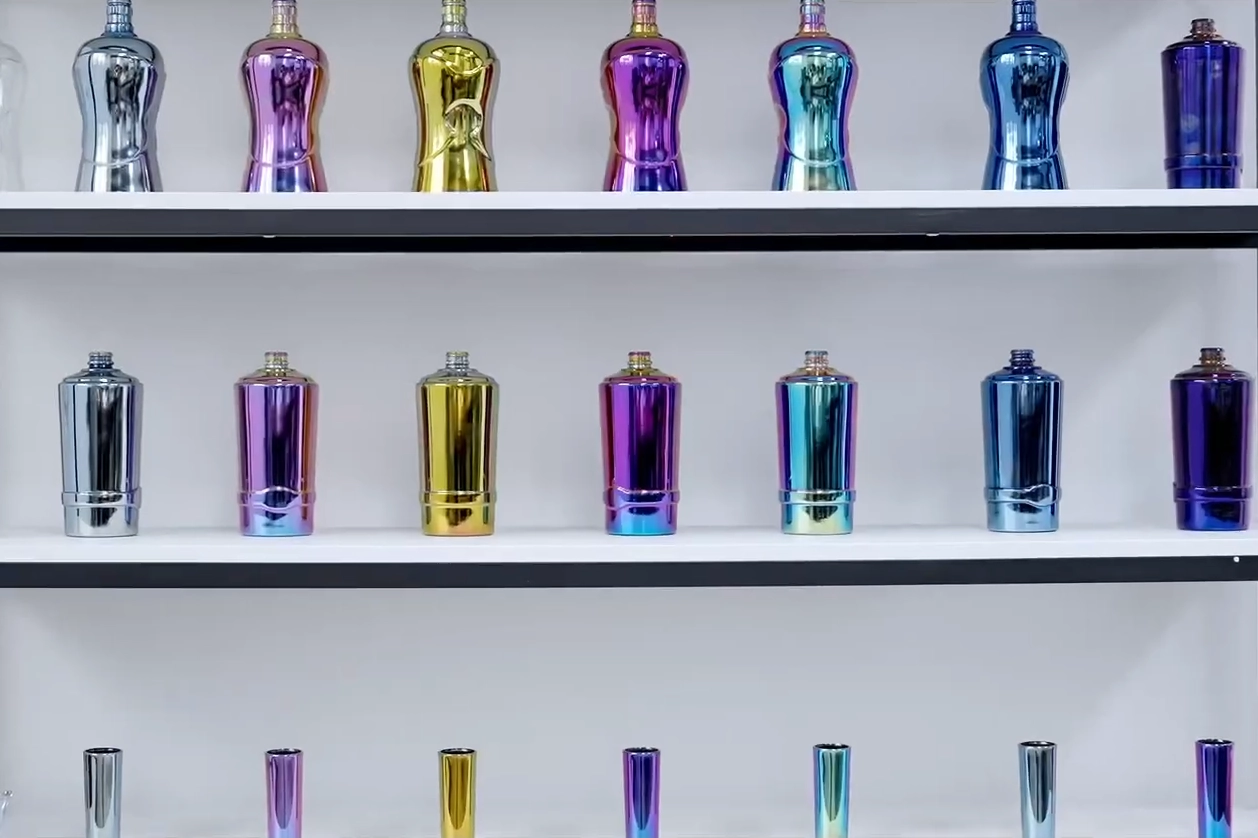
Four Major Causes of PVD Coating Salt Spray Failure
To understand corrosion issues, ot’s necessary to analyze the entire production chain step by step.
Substrate Issues: The Upper Limit of Corrosion Resistance
The substrate determines the fundamental corrosion resistance level of the coating system.
Common problems include:
- Carbon steel has inherently poor corrosion resistance
- Sulfur and phosphorus impurities create micro-galvanic corrosion
- Surface defects such as oxide scale, cracks, or machining marks
Example:
- Carbon steel + CrN → rust in ~24 hours
- Stainless steel 304 + CrN → can exceed 72 hours
A PVD coating cannot compensate for poor substrate quality—it can only enhance existing properties.
Pre-treatment Issues: The Root Cause of 80% Failures
In real production, most coating failures originate from improper surface preparation. Pre-treatment is critical for coating adhesion and corrosion resistance.
Typical issues include:
- Residual oil, coolant, or dust contamination
- Improper blasting causes deep scratches or iron contamination
- Incomplete drying or insufficient vacuum baking
Risks:
- Weak adhesion between coating and substrate
- Formation of micro-gaps
- Accelerated pitting corrosion in salt spray tests
Improper pre-treatment is the leading cause of PVD salt spray test failure.
Coating Design Issues: Wrong Selection for the Application
Even with good processing, incorrect coating selection will still lead to failure. Different coatings have significantly different corrosion resistance levels:
| Приложение | Recommended Coating | Salt Spray Performance |
|---|---|---|
| Decorative parts | TiN | 24–48 hours |
| Industrial components | CrN / TiAlN | 72–168 hours |
| Harsh environments | DLC / multilayer coatings | 500+ hours |
Common mistakes include:
- Wrong coating type selection
- Insufficient thickness (< 3 μm)
- Lack of multilayer structure design
The problem is not the coating itself, but a mismatch between coating design and application conditions.
Equipment & Process Control: The Key to Stability
When materials and processes are correct, equipment stability becomes the decisive factor. Even with optimized materials and design, unstable equipment can still cause failure.
Key factors include:
- Insufficient vacuum level → oxidation defects
- Unstable bias voltage → porous coating structure
- Low purity targets → electrochemical instability
The consistency of coating performance ultimately depends on the stability of the PVD coating system.
How to Improve Salt Spray Resistance in PVD Coatings
To solve corrosion issues, a full-process optimization strategy is required.
Substrate Optimization
- Prefer stainless steel 304/316 or aluminum alloys
- Apply Ni or Zn underlayers for carbon steel
- Remove surface defects through polishing or acid cleaning
Standardized Pre-treatment
- Multi-stage ultrasonic cleaning for oil and particle removal
- Controlled blasting parameters to avoid surface damage
- Vacuum baking at 200–400°C to eliminate moisture
Coating Engineering Optimization
- Minimum thickness: ≥ 3 μm for industrial applications
- ≥ 5 μm for high-corrosion environments
- Multilayer structure:
- Adhesion layer (Ti / Cr)
- Functional layer (CrN)
- Sealing layer (DLC / SiO₂)
Equipment and Process Control
Even with optimized process conditions, coating quality still depends heavily on equipment capability. Stable and advanced equipment ensures consistent coating performance in production environments.
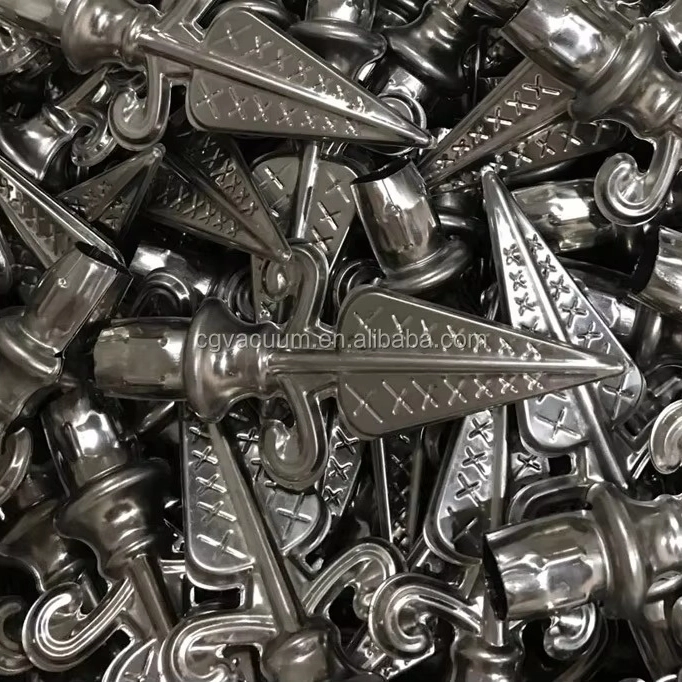

CGVAC PVD Coating Machine Solution
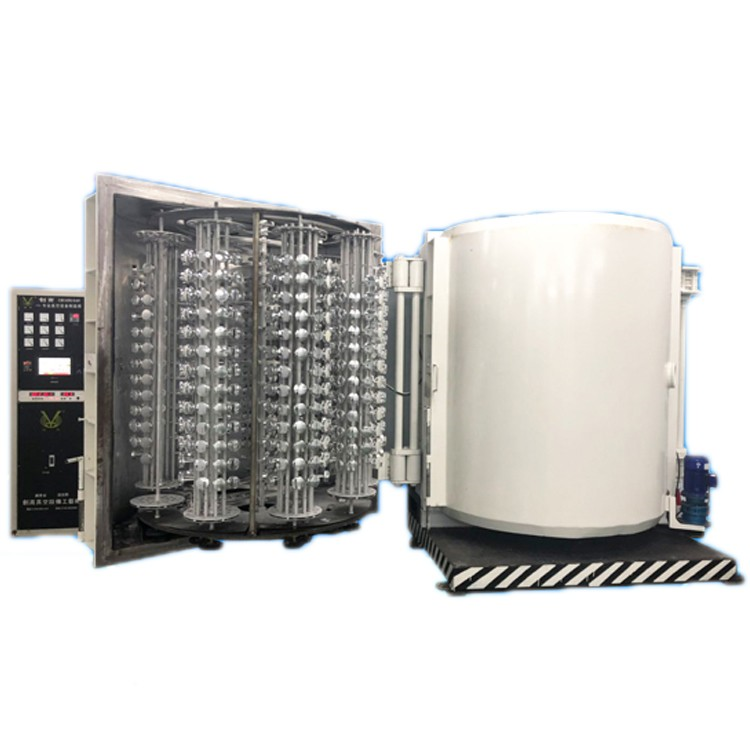
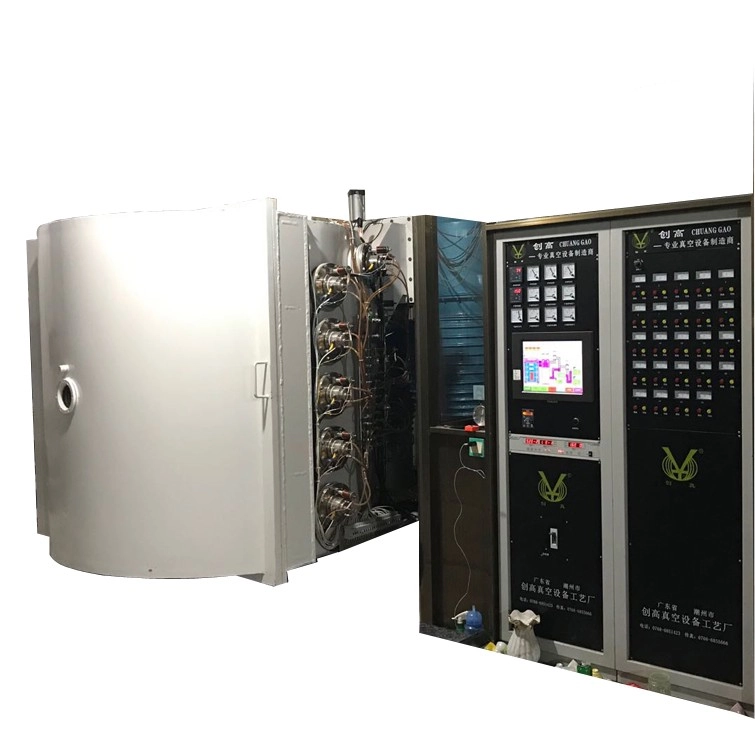
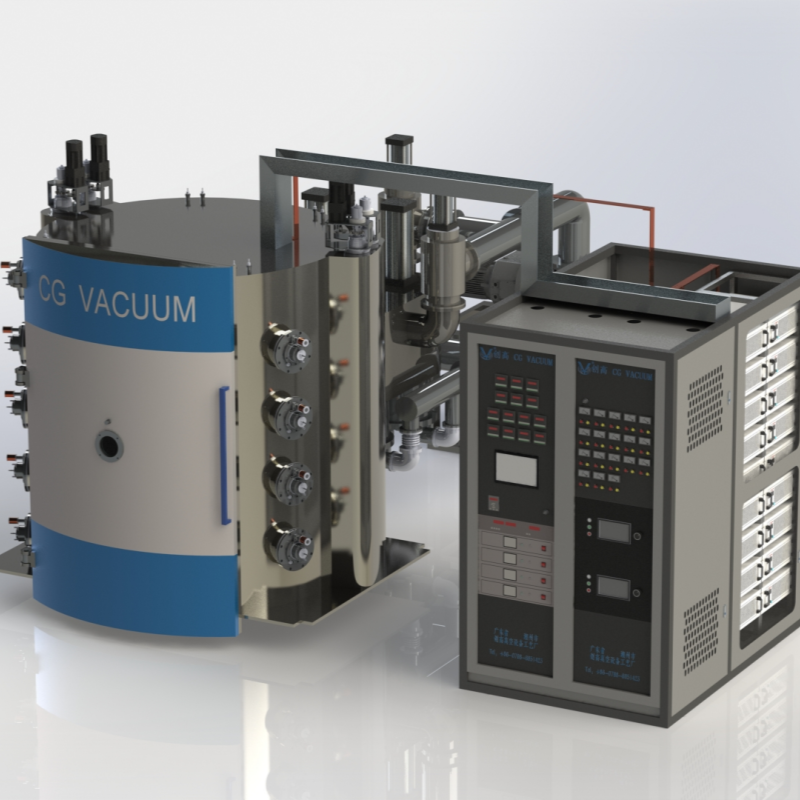
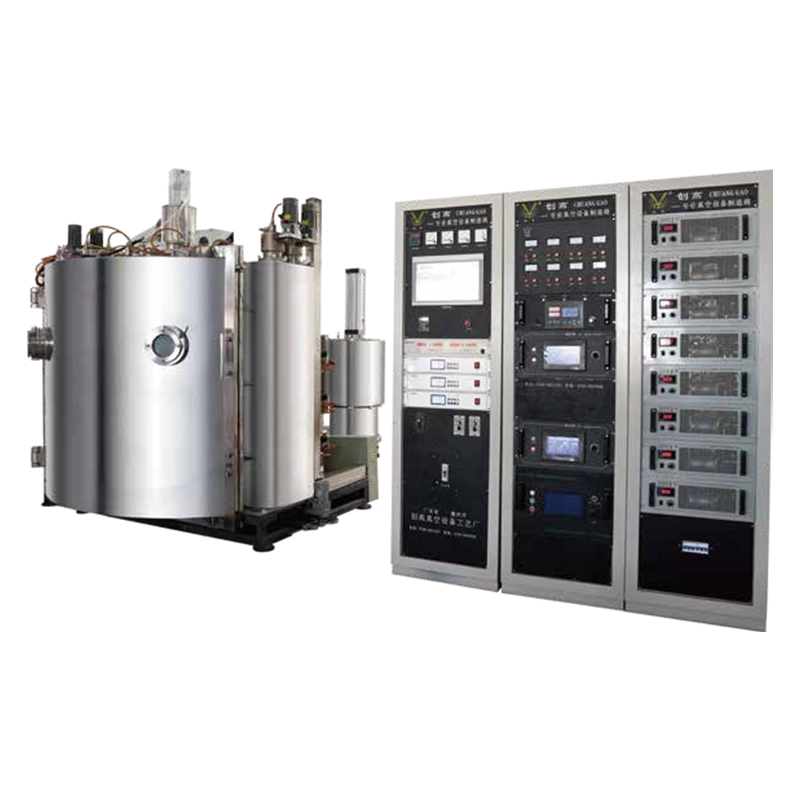
Как professional vacuum coating machine manufacturer and supplier, CGVAC provides advanced Решения для оборудования по нанесению PVD-покрытий designed for high-performance industrial applications.
High-Vacuum Stability System
- Stable vacuum control below <5×10⁻³ Pa
- Reduced oxygen and impurity contamination
Improves coating density and reduces corrosion pathways
Precise Process Parameter Control
- Stable bias voltage and arc current regulation
- Optimized ion energy distribution
Enhances film density and reduces porosity
High-Purity Target Compatibility
- Supports ≥99.95% target materials
- Reduces impurity-induced electrochemical corrosion
Complex Geometry Deposition Capability
- Improved coating coverage for deep holes and grooves
- Reduced weak points in complex parts
For high salt spray resistance requirements, process optimization alone is often not sufficient. A high-performance PVD coating machine is essential to ensure consistent and reliable coating quality.
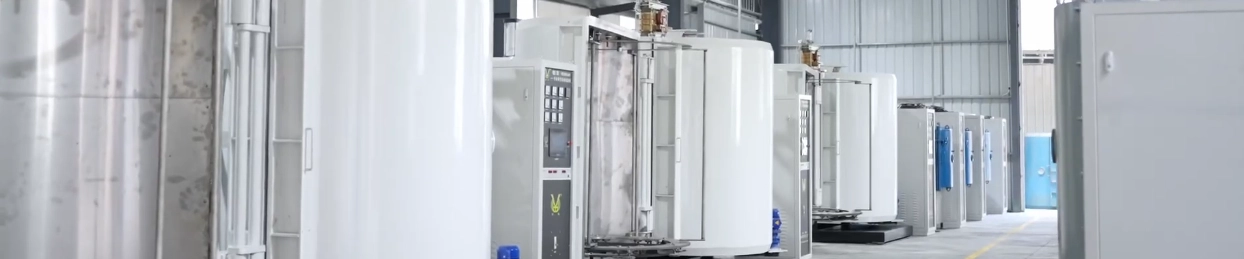
Заключение
Salt spray corrosion in PVD coatings is not a single-factor failure; it is a system-level issue involving substrate, pre-treatment, coating design, and equipment stability. Salt spray testing is essentially a full evaluation of the entire PVD coating system.
As a dedicated manufacturer of PVD coating machines, CGVAC focuses on providing stable vacuum coating solutions that help customers achieve higher coating consistency and improved corrosion resistance in demanding industrial environments.
ЧАСТО ЗАДАВАЕМЫЕ ВОПРОСЫ
How long can PVD coatings pass salt spray tests?
Typically between 24 and 500+ hours, depending on coating type and process control.
Why is stainless steel better for PVD coating applications?
Because it already has inherent corrosion resistance, working synergistically with the coating layer.
What should be checked first when the salt spray test fails?
The pre-treatment process is the priority, followed by substrate quality and coating design.
Does coating thickness affect corrosion resistance?
Yes. Higher thickness improves barrier performance, but must be balanced with process stability.