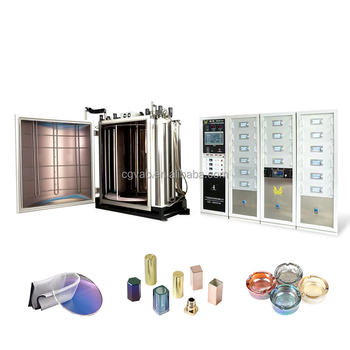
With ceramics widely used in tableware, bathroom hardware, industrial components, and high-end decorative products, the demand for durable, aesthetically stable, functional, and environmentally compliant surfaces is growing. Traditional electroplating, spray coating, and chemical coating processes often struggle with adhesion issues, poor wear resistance, fading colors, and high environmental costs. In contrast, ceramic PVD coating machines enable the deposition of dense, stable films on ceramic surfaces without altering the base material properties. This enhances wear resistance, corrosion resistance, and color consistency. This article explains why Машины для нанесения PVD-покрытий are becoming the preferred solution for the ceramic industry in 2026, highlighting their benefits, applications, and how CGVAC’s customized equipment supports manufacturers.
Challenges in Ceramic Surface Treatment
Although ceramics offer high hardness, heat resistance, and corrosion resistance, their surfaces are naturally fragile, making traditional coatings less reliable. Modern ceramic applications require:
- Tableware and daily ceramics: Safe, non-toxic, durable coatings resistant to acidic or alkaline cleaning agents, with consistent colors.
- Industrial ceramics: Functional coatings that provide wear resistance, corrosion protection, conductivity, or insulation.
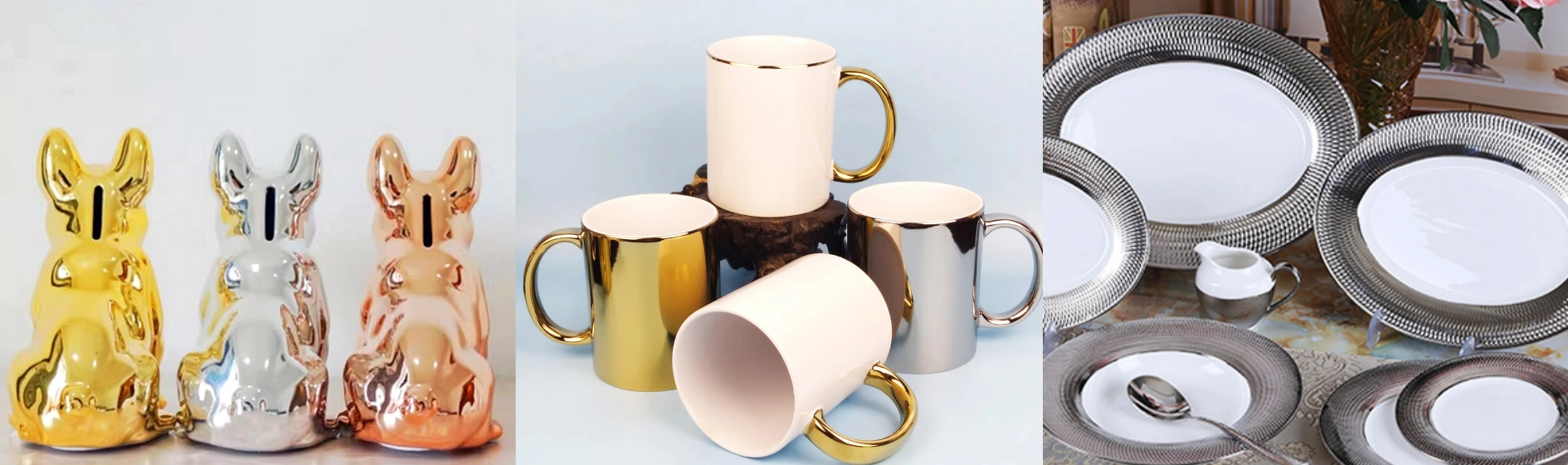
- Decorative ceramics: High-end tiles, bathroom panels, or decorative products require metallic effects, mirror finishes, and vibrant colors.
Traditional methods often result in poor adhesion, inconsistent film thickness, or environmental concerns. Ceramic PVD coating machines address these issues while complying with stricter environmental standards.


2026 Trends in Ceramic Surface Treatment
Key trends for ceramic surface treatment in 2026 include:
- Growing demand for multifunctional and customized surfaces
Customers seek decorative and functional coatings, including wear resistance, corrosion protection, conductivity, or antibacterial properties. - Stricter environmental regulations
Wastewater management and VOC emissions are strictly controlled, driving the need for environmentally friendly solutions. - Automation and high-throughput production
Manufacturers require automated, reliable coating systems that maintain film uniformity across large batches. - Higher aesthetic standards
Designers and consumers increasingly expect uniform, vibrant, and metallic or mirror-like finishes.
These trends point to one conclusion: ceramic surface treatment must combine performance, aesthetics, sustainability, and production efficiency, and vacuum coating machines are ideally suited for this purpose.
Why PVD Coating Machines Are Ideal for Ceramics?
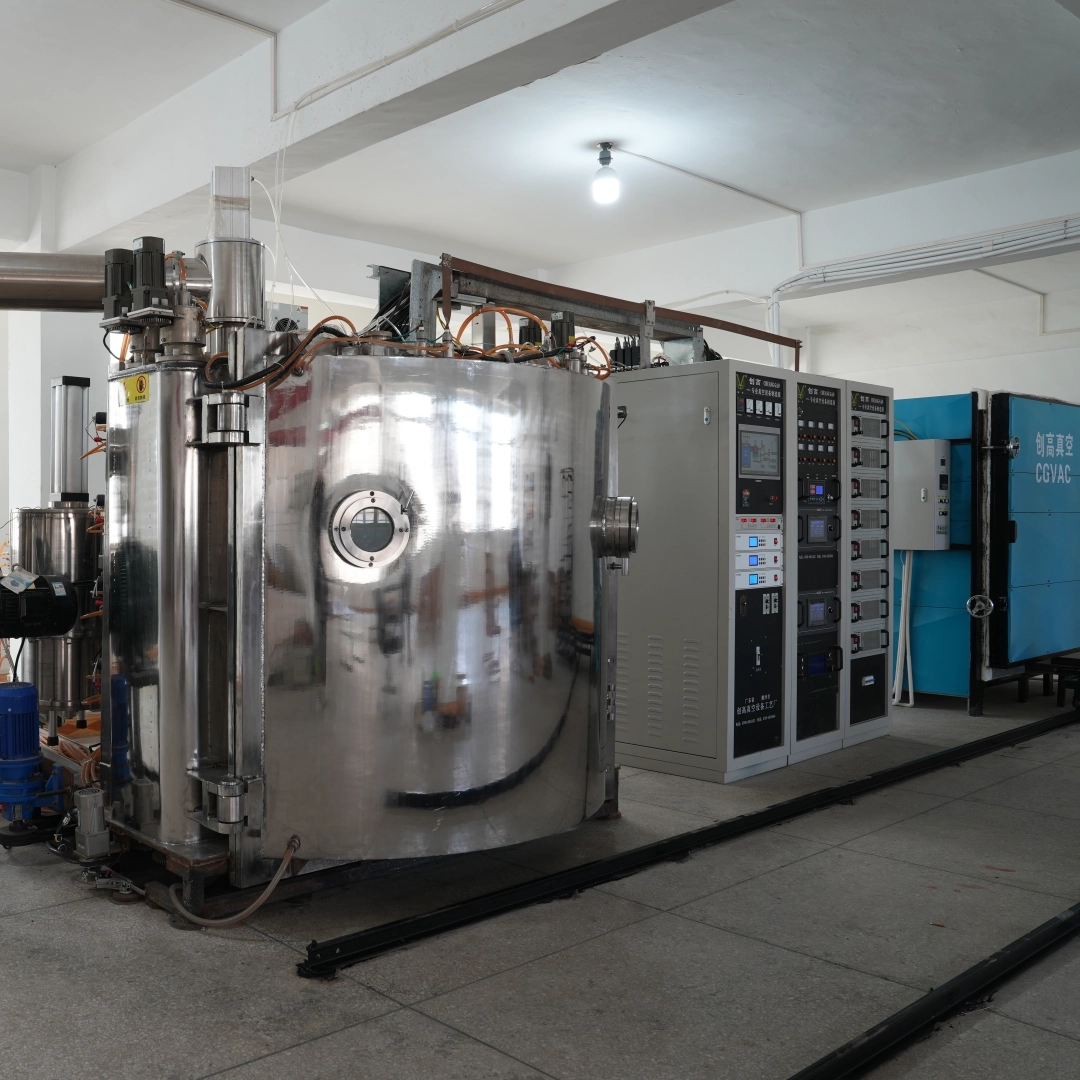
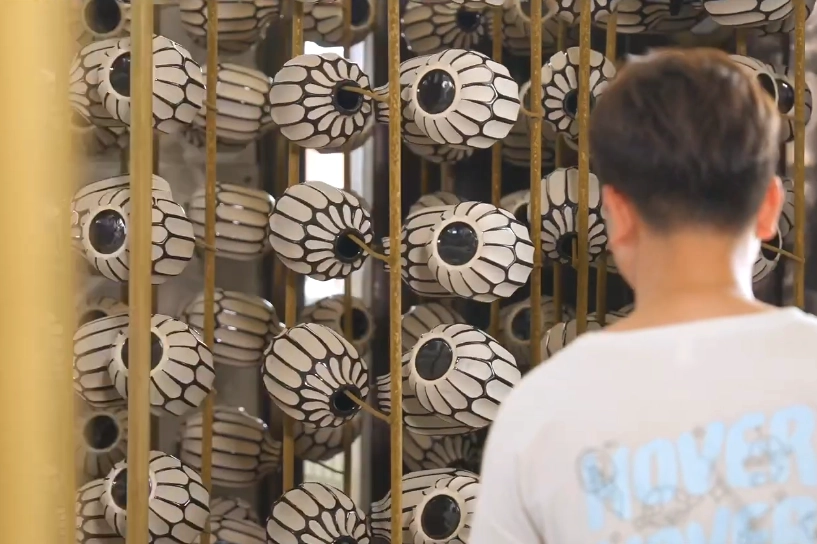
Physical Vapor Deposition (PVD) coating machines deposit metal or ceramic ions onto substrates in a vacuum, forming dense and stable films. Compared to traditional coating methods, PVD provides:
Environmentally Friendly Production
- No chemical solutions required
- No wastewater or hazardous residues
- Compliant with RoHS, REACH, FDA, and other international standards
Superior Durability
- Strong adhesion to ceramic surfaces
- Excellent wear and corrosion resistance
- Extends product lifespan
Vibrant and Consistent Colors
- Metallic, mirror, or decorative finishes
- Precise control of film thickness ensures uniform color
Efficient Automated Production
- PLC-controlled automation and planetary rotation ensure uniform coating
- Suitable for large-scale production with minimal color variation

Comparison Table: PVD vs Traditional Ceramic Surface Treatments
| Coating Method | Воздействие на окружающую среду | Durability | Color & Finish | Consistency | Cost |
|---|---|---|---|---|---|
| Ceramic PVD coating machine | Высокий | Высокий | Vibrant & controllable | Высокий | Средний |
| Гальваника | Low | Средний | Moderate | Средний | Low |
| Spray coating | Средний | Low | Acceptable | Low | Low |
| Chemical coating | Low | Средний | Standard | Средний | Средний |
For more details, explore ”PVD vs Electroplating vs Painting“ from CGVAC.
Applications of CGVAC PVD Coating Machines in Ceramics
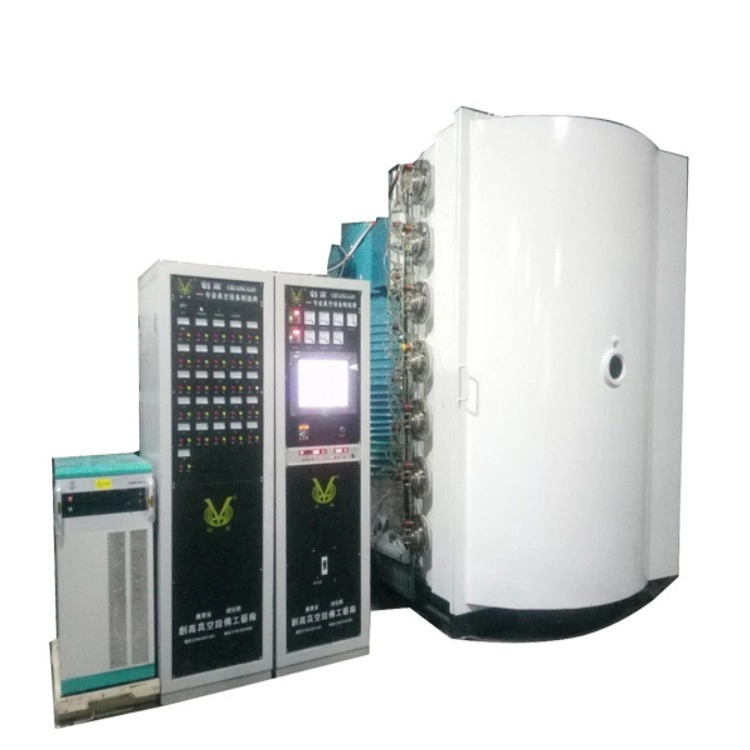
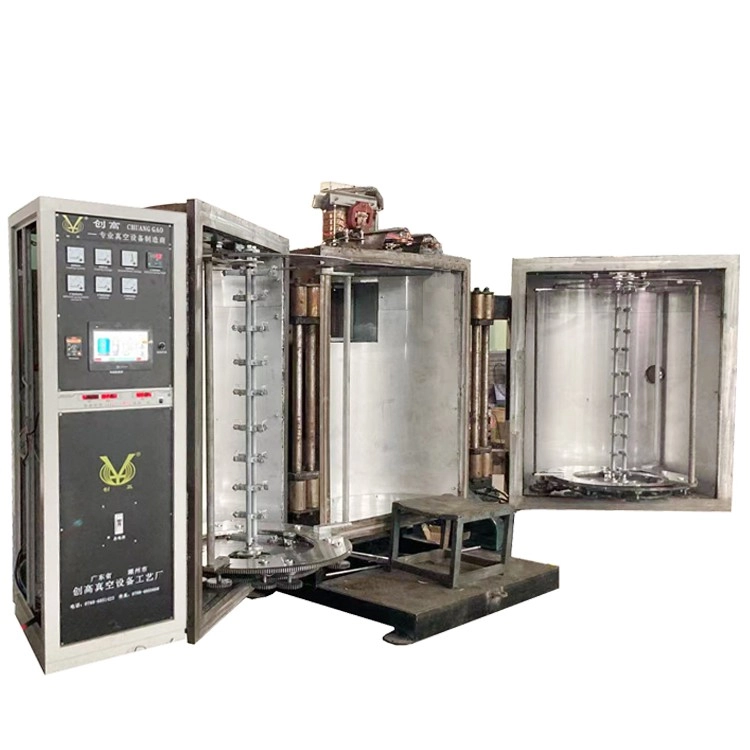
CGVAC provides a full range of ceramic PVD coating machines, supporting both decorative and functional ceramic applications:
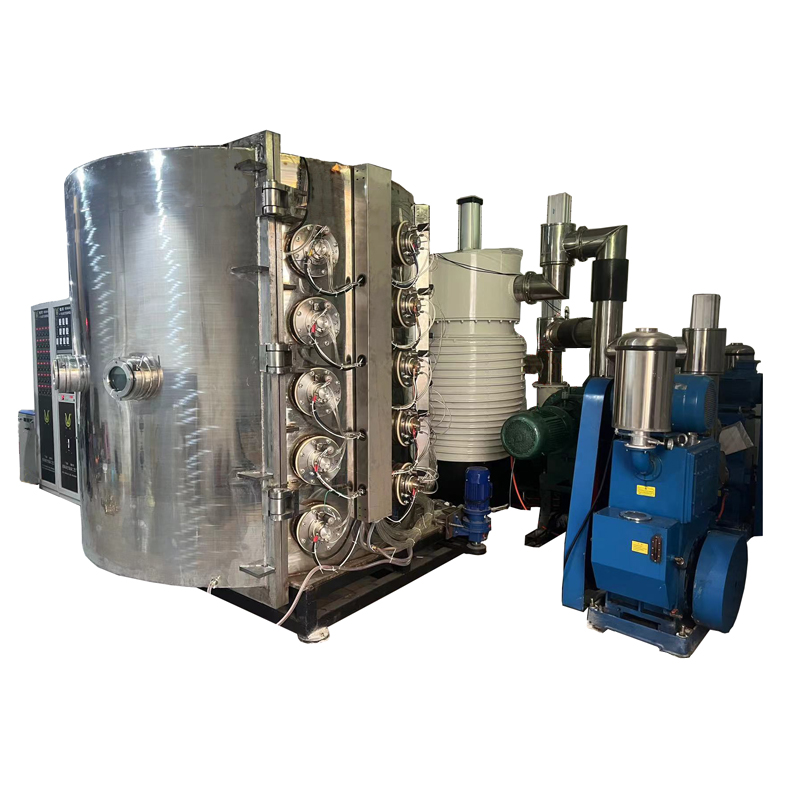
Multi-Arc Ion PVD Coating Machines
- Advantages: High deposition efficiency, vibrant colors, decorative finishes
- Приложения: Tableware decoration, bathroom panels, high-end tiles
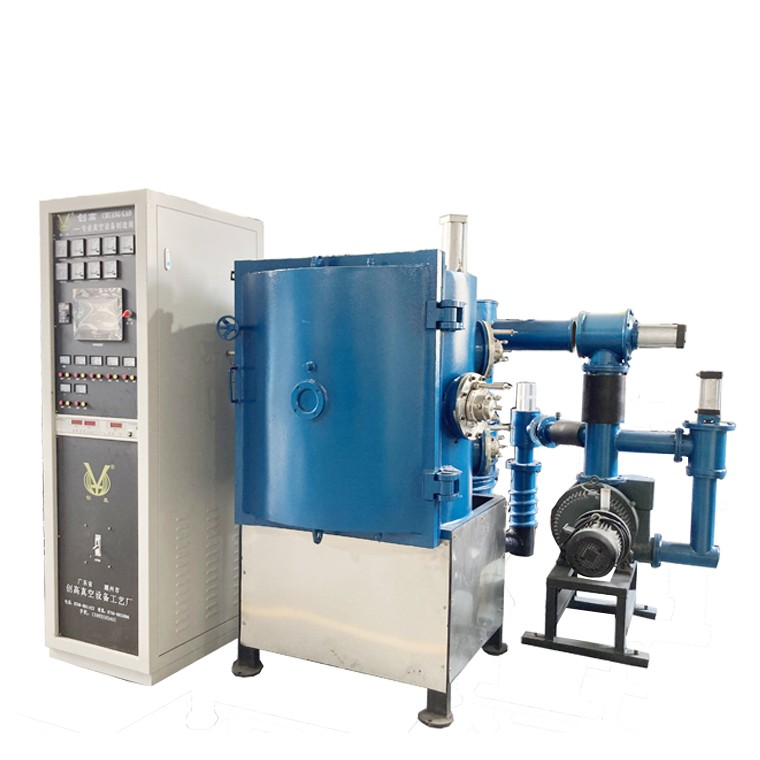
Magnetron Sputtering PVD Coating Machines
- Advantages: Uniform and functional films for wear and corrosion resistance
- Приложения: Industrial ceramics, electronic components
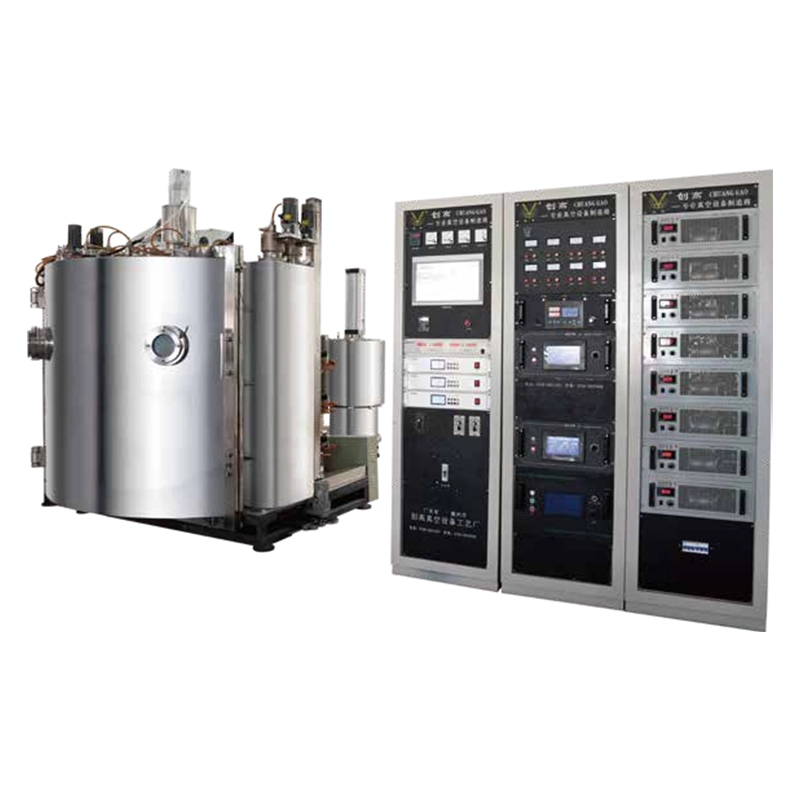
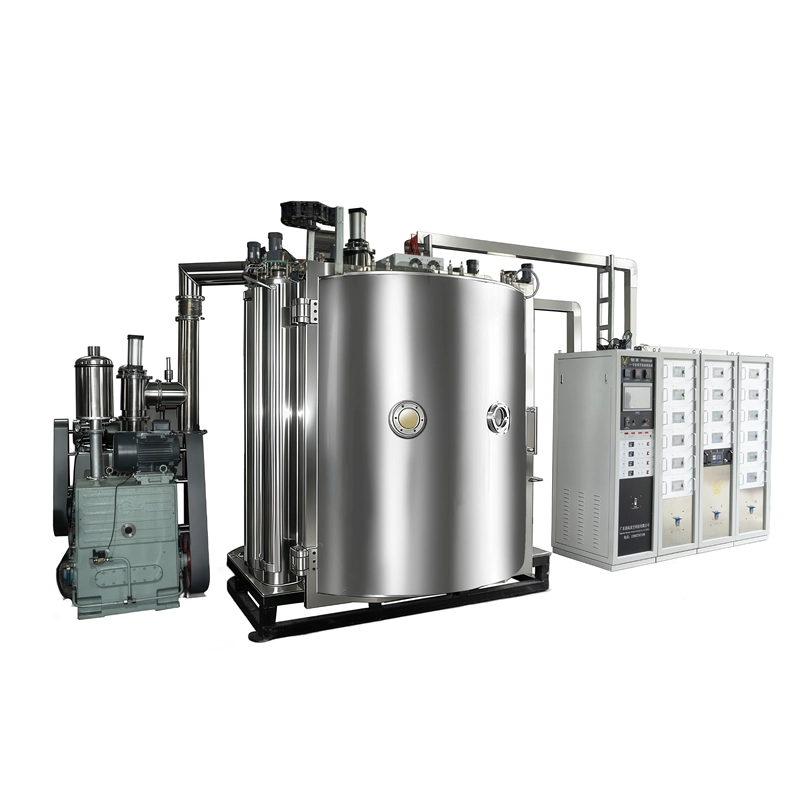
Evaporation PVD Coating Machines
- Advantages: Ideal for optical or transparent ceramics
- Приложения: Mirror finishes, decorative ceramic panels
Functional Coating PVD Machines
- Advantages: Antibacterial, anti-fingerprint, anti-static, or conductive coatings
- Приложения: Smart ceramics, interactive home panels
How to Choose the Right PVD Coating Machine for Ceramics?
CGVAC, a leading vacuum coating machine manufacturer in China, provides practical ceramic vacuum coating machine selection tips below for ceramic manufacturers.
- By Product Type: Decorative ceramics → Multi-arc PVD; Functional ceramics → Magnetron sputtering or functional coating PVD; Optical/transparent ceramics → Evaporation PVD
- By Production Volume: Batch-type or multi-chamber systems; automated loading/unloading improves efficiency
- By Film Function: Wear-resistant, corrosion-resistant, touch-safe; antibacterial, anti-static, conductive, or insulating
Заключение
As the ceramic industry moves toward high-quality, eco-friendly, and high-value production, Машины для нанесения PVD-покрытий have become essential for achieving superior performance and aesthetics. CGVAC offers customized vacuum coating solutions, including multi-arc ion, magnetron sputtering, evaporation, and functional coating machines, enabling manufacturers to deliver vibrant, durable, and functional ceramic surfaces. Contact us today to request a consultation, sample testing, and a tailored ceramic PVD coating machine solution to elevate your product quality and efficiency.