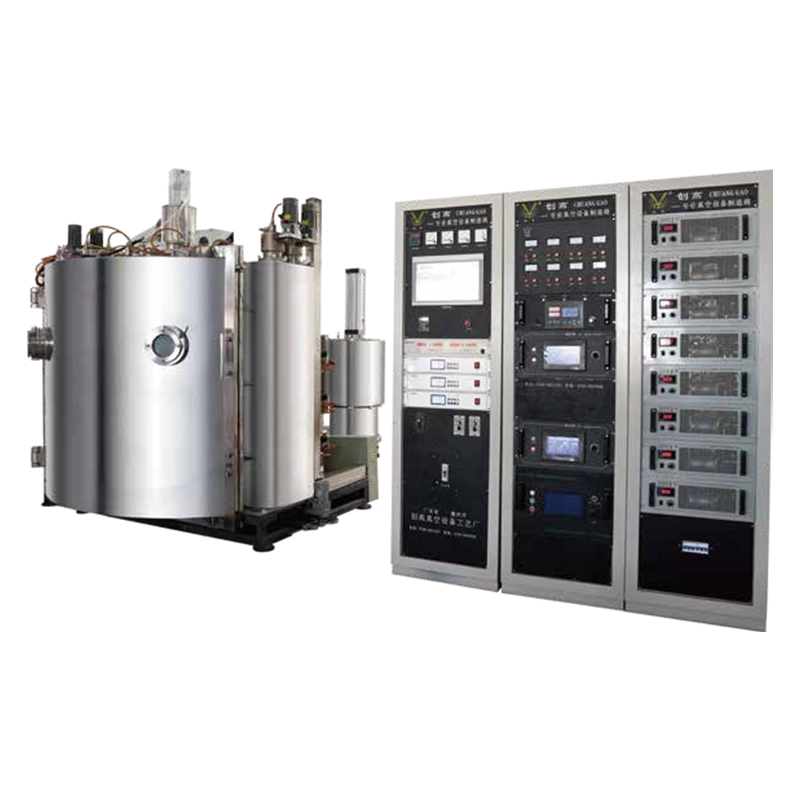
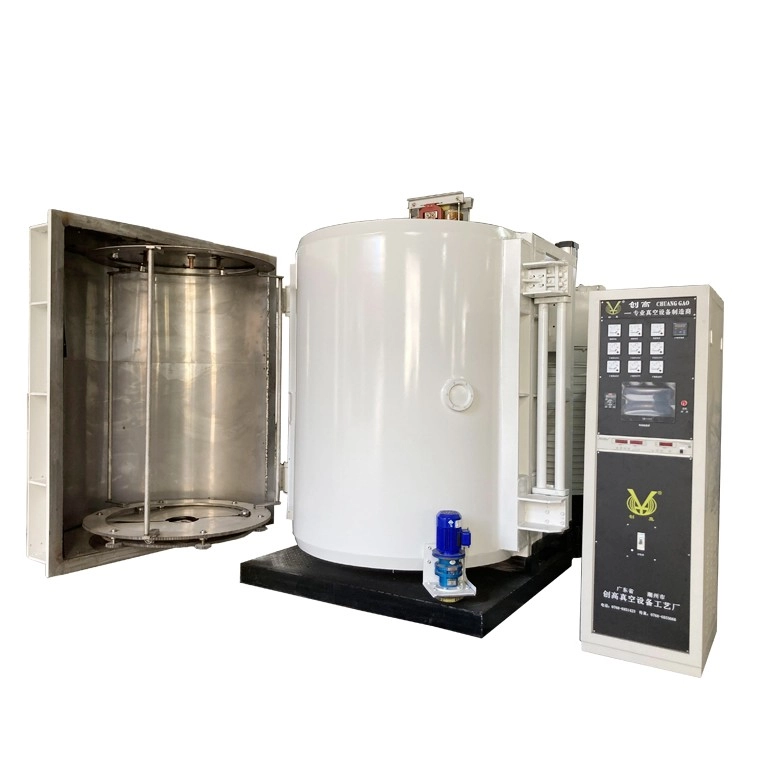
Buying a Jewelry PVD coating machine is not simply a matter of comparing chamber size or machine price. The right system should match the jewelry material, product geometry, required finish, production volume, and coating performance you need to achieve.
For jewelry manufacturers, choosing the equipment around the actual production requirements is usually more important than choosing a machine based on a single specification.
Tip 1. Start With the Jewelry You Need to Coat
Before comparing PVD coating machines, define the products that will go through the system.
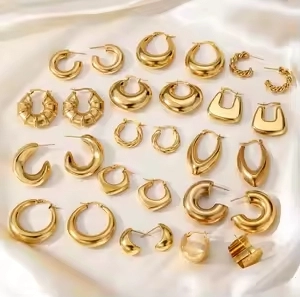
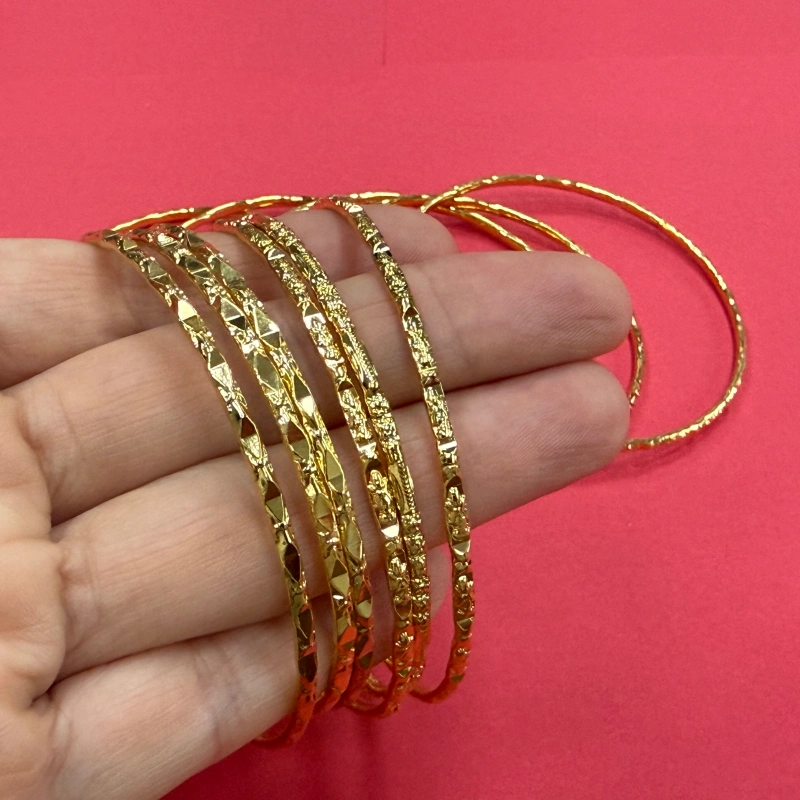
Rings, bracelets, necklaces, earrings, pendants, beads, and other decorative components can have very different geometries. Small or intricate parts may require different fixture arrangements and rotation strategies from larger or relatively simple components.
The substrate material also matters. Stainless steel and other metal jewelry may require a different process configuration from other substrates or decorative components. The coating system should therefore be considered together with the material, surface condition, dimensions, and geometry of the products.
This is why there is no single Jewelry PVD vacuum coating machine configuration that is ideal for every manufacturer. The equipment should be selected around the actual product and production process.
Tip 2. Define What the Coating Needs to Achieve
The next question is not simply “Which PVD machine should I buy?” but “What do I need the coating to do?”
For jewelry manufacturers, the objective may be primarily decorative, such as achieving gold, rose gold, black, rainbow, or other customized finishes. In other applications, the coating may also need to provide improved wear resistance, corrosion resistance, or a combination of appearance and surface performance.
These requirements influence the choice of PVD technology and process configuration.
For example, CGVAC provides different PVD equipment approaches for jewelry applications, including magnetron sputtering, evaporation, and multi-arc ion coating systems. The appropriate technology depends on the substrate, coating material, product geometry, desired appearance, and functional requirements rather than on the assumption that one technology is universally better.
There is no single PVD technology that is ideal for every jewelry application. The practical choice should be based on the relationship between the product, coating requirements, and production process.
Tip 3. Choose the PVD Technology Around the Application
Different PVD processes create different deposition conditions, so technology selection should come after the coating requirements have been defined.
Magnetron Sputtering
Magnetron sputtering can be considered when controlled deposition, surface quality, and coating uniformity are important. It can be useful for precision decorative applications where appearance and consistency are critical.
Multi-Arc Ion Plating
Multi-arc ion plating provides a highly ionized deposition environment and can be considered when strong adhesion, dense coatings, and efficient deposition are important. Its suitability still depends on the product, coating system, and required surface finish.
Evaporation
Evaporation provides another route for PVD deposition and can be suitable for particular decorative coating applications depending on the coating material, product requirements, and process design.
For a jewelry manufacturer, the practical question is therefore not “Which PVD technology is the best?” but:
Which deposition technology provides the right balance of appearance, adhesion, durability, uniformity, and production efficiency for my products?
CGVAC’s PVD coating equipment portfolio includes these different coating approaches, allowing the equipment configuration to be considered according to the application rather than forcing every jewelry product into the same process.
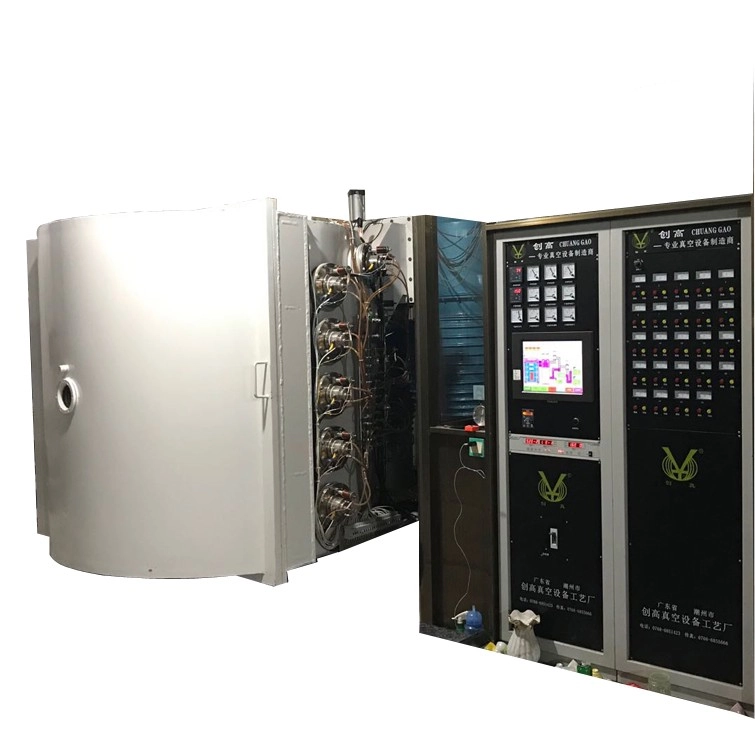
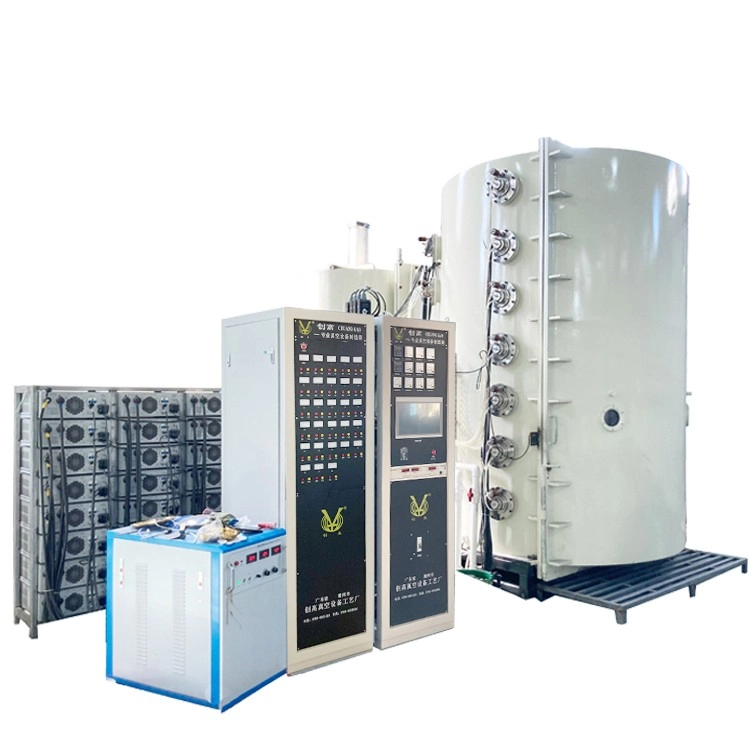
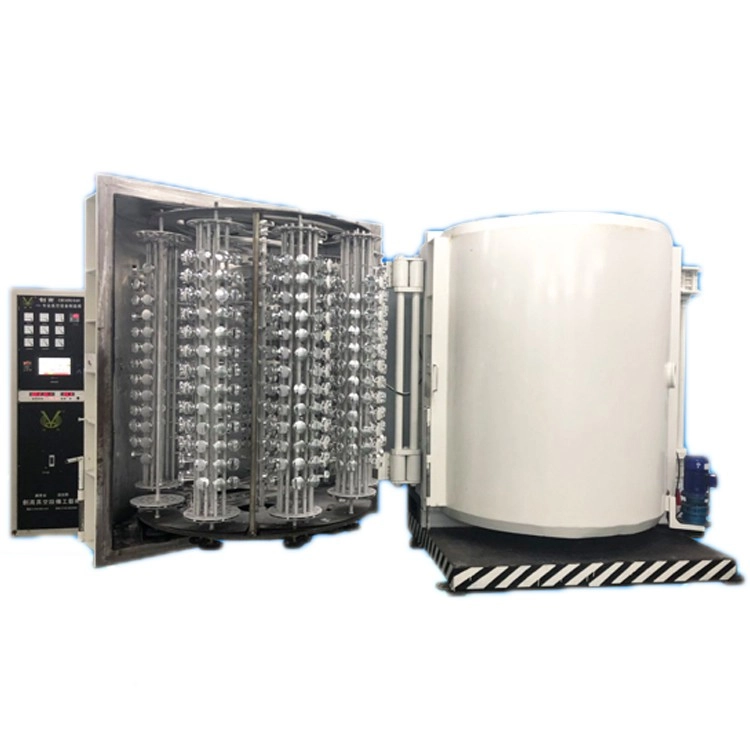
Tip 4. Look Beyond the Coating Source: The Vacuum System Matters
A PVD coating machine is an integrated system. The coating source is only one part of the process.
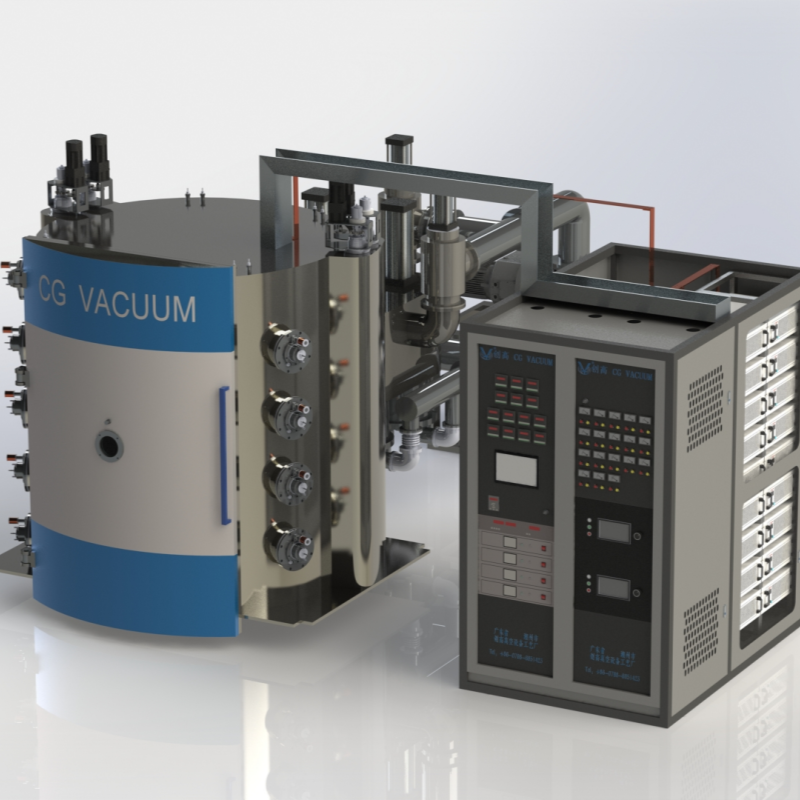
The vacuum chamber, pumping system, vacuum measurement and control system establish the environment in which deposition takes place. Residual gases and process stability can affect coating quality, while the chamber configuration determines how products, fixtures, coating sources, and gas systems work together.
For jewelry production, this becomes particularly important when the manufacturer needs repeatable decorative colors across different batches. A machine that can produce an attractive finish once is not necessarily enough for industrial production. The system needs to support stable and repeatable processing.
When evaluating a supplier, therefore, ask how the complete vacuum coating machine is designed and controlled rather than looking only at the name or type of coating source.
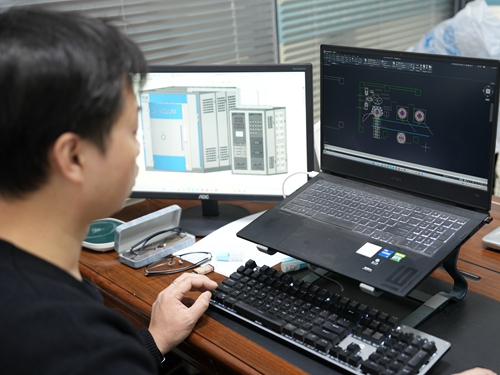
Tip 5. Consider Product Loading and Rotation
Jewelry often contains curved surfaces, recessed areas, small components, and complex shapes. Simply placing more products inside a chamber does not automatically mean better production efficiency.
The fixture and rotation system should be considered together with the size, shape, quantity, and coating requirements of the jewelry.
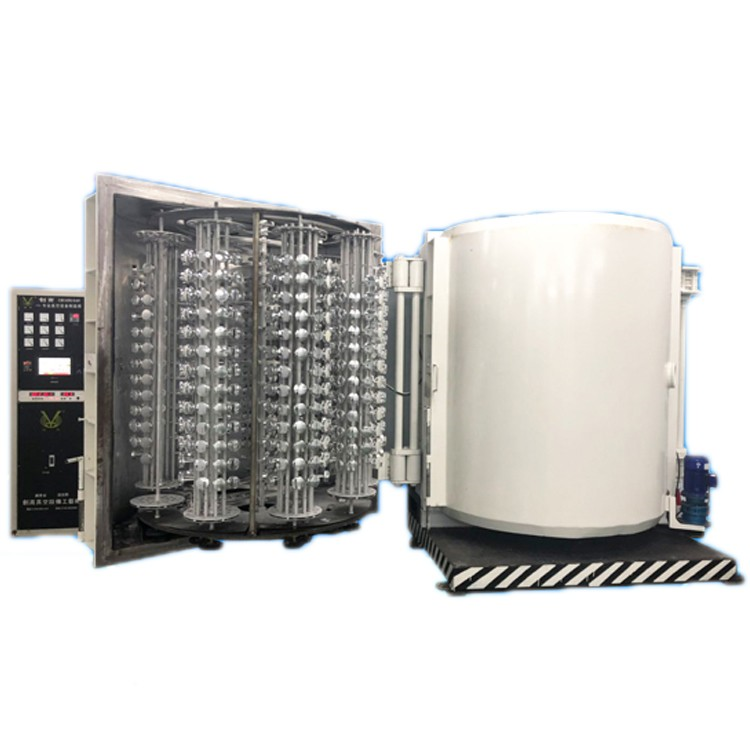
A suitable loading system can help manufacturers make better use of chamber space while supporting more consistent coating coverage. At the same time, the fixture design needs to allow practical loading and unloading for the intended production workflow.
For manufacturers producing different jewelry styles, customized fixtures may become particularly important. CGVAC’s jewelry coating solutions can be configured according to different jewelry designs and production requirements rather than relying only on a fixed configuration.
Tip 6. Match the Machine to Your Production Capacity
Production capacity should be considered from the beginning of the equipment selection process.
A manufacturer producing small batches of customized jewelry may have different requirements from a factory producing large quantities of standardized rings, bracelets, or pendants. The number and arrangement of products per batch, loading method, coating cycle, and required process consistency all affect the practical production capability of the system.
Instead of asking a supplier only for the maximum theoretical capacity, provide information about your actual products and production target.
- Product type and dimensions
- Substrate material
- Approximate quantity per batch
- Required coating colors or finishes
- Expected production volume
- Product loading requirements
- Required level of automation
This gives the equipment manufacturer a much better basis for recommending a suitable chamber, fixture, coating configuration, and control system.
Tip 7. Pay Attention to Process Repeatability
For jewelry manufacturers, color consistency can be commercially important. Customers expect products from different batches to maintain a consistent appearance, particularly when the same design is produced repeatedly.
Process repeatability depends on more than the coating material. Vacuum conditions, gas control, power and bias settings, deposition conditions, fixture arrangement, and other process parameters need to work together consistently.
A well-designed control system can help operators monitor and reproduce the established process. However, the exact process parameters should always be developed and optimized according to the substrate and coating system rather than copied as universal values.
This is an important distinction when comparing PVD coating machine manufacturers: a machine should support a repeatable process, not simply provide a vacuum chamber and coating source.
Tip 8. Consider Future Product Changes
Jewelry manufacturers rarely produce only one product forever. New designs, colors, materials, and customer requirements may be added over time.
This makes equipment flexibility worth considering before purchase.
If your product range includes different jewelry sizes, shapes, or finishes, discuss these requirements with the manufacturer before the machine is configured. Chamber dimensions, fixture arrangements, coating technology, and process-control requirements may need to accommodate more than your current product.
For OEM and ODM manufacturers in particular, a customized PVD coating system can provide greater flexibility when production requirements change. CGVAC provides customized vacuum coating equipment based on different application and production requirements.
Tip 9. Don’t Compare PVD Machines by Price Alone
The lowest machine quotation is not necessarily the lowest-cost production solution.
A meaningful comparison should consider the complete equipment configuration and how well it matches your production requirements. Two machines with similar external specifications can have very different configurations for the vacuum system, coating technology, fixtures, process control, and customization.
More importantly, an unsuitable machine can create additional costs later if it cannot achieve the required coating quality, cannot handle the intended product range, or requires major modifications after installation.
When requesting quotations, provide the supplier with enough technical information to make the comparison meaningful. Ask what is included in the proposed system and which parts of the configuration are designed specifically for your products.
Tip 10. Evaluate the PVD Coating Machine Manufacturer
The equipment manufacturer is part of the investment decision.
A capable PVD coating machine manufacturer should be able to discuss your product and coating requirements before recommending a machine. The conversation should involve more than chamber dimensions and price.
Look for a supplier that can explain why a particular PVD technology is suitable for your application, how the vacuum system supports the process, how products will be loaded and positioned, and how coating uniformity and repeatability are considered.
You should also clarify which parts of the system can be customized and what technical support is available during installation and operation. This is especially important when you are establishing a new PVD production line rather than replacing an existing machine.
Choosing a Jewelry PVD Coating Machine With CGVAC
CGVAC focuses on vacuum coating equipment manufacturing and customized PVD coating solutions for industrial applications. For jewelry production, its equipment portfolio covers magnetron sputtering, evaporation, and multi-arc ion coating systems, with configurations considered according to product requirements and production needs.
CGVAC’s jewelry PVD solutions are designed for applications including rings, necklaces, bracelets, pendants, beads, and other decorative components. The equipment can be configured around different jewelry designs, coating finishes, and production requirements.
The objective is not to recommend one standard machine to every customer. Instead, the equipment configuration should be developed around the actual application—from PVD coating technology and vacuum system to fixture design, production requirements, and process control.
If you are evaluating a Jewelry PVD coating machine for a new production line or looking to upgrade your existing coating capability, CGVAC can evaluate the application and discuss a suitable equipment configuration.
Talk to CGVAC About Your Jewelry PVD Project
When requesting a PVD equipment solution, the more specific your production information is, the more accurately the system can be evaluated.
Send CGVAC your jewelry material, product type and dimensions, desired coating finish, approximate production volume, and other coating requirements. Our team can then evaluate the appropriate PVD technology and discuss a customized vacuum coating machine configuration for your project.
Looking for a PVD coating machine for jewelry production? Contact our team to discuss your application.
Choosing the right Jewelry PVD Coating Machine is ultimately not about selecting the machine with the most specifications. It is about matching the coating technology, vacuum environment, loading configuration, process control, and production capacity to the products you actually manufacture.