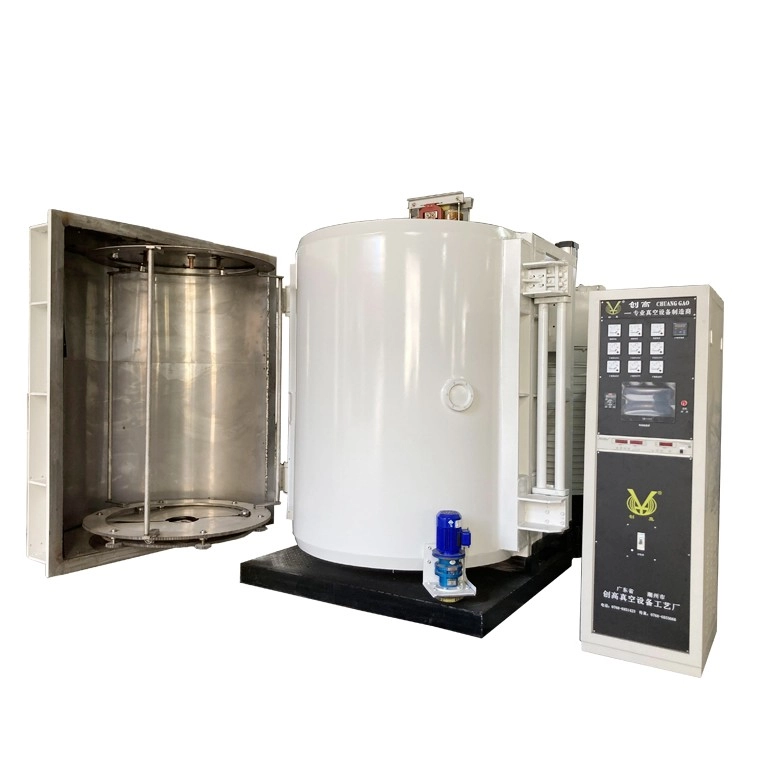
With increasing demands for longer service life, lower friction, and improved wear resistance, manufacturers across automotive, tooling, aerospace, and precision industries are adopting advanced surface treatment technologies. Diamond-like carbon (DLC) coating is one of the most widely used advanced protective coatings due to its high hardness, low friction coefficient, excellent wear resistance, and chemical stability.
To produce high-performance DLC films, manufacturers rely on specialized DLC coating machines, which use advanced vacuum deposition technologies to create durable carbon-based coatings on different substrates. As a professional hard coating machine, a DLC coating system provides an effective solution for industries requiring improved component performance and extended product lifetime.
What Is DLC Coating?
DLC (Diamond-Like Carbon) coating is an amorphous carbon film composed of sp² and sp³ carbon bonds.
The unique carbon structure gives DLC coatings properties similar to natural diamond, including:
- High hardness
- Low friction coefficient
- Excellent wear resistance
- Chemical corrosion resistance
- Good electrical insulation performance
Unlike traditional hard coatings such as TiN and CrN, DLC coatings provide superior tribological performance, especially in applications requiring reduced friction and long-term durability.
How Does a DLC Coating Machine Work?
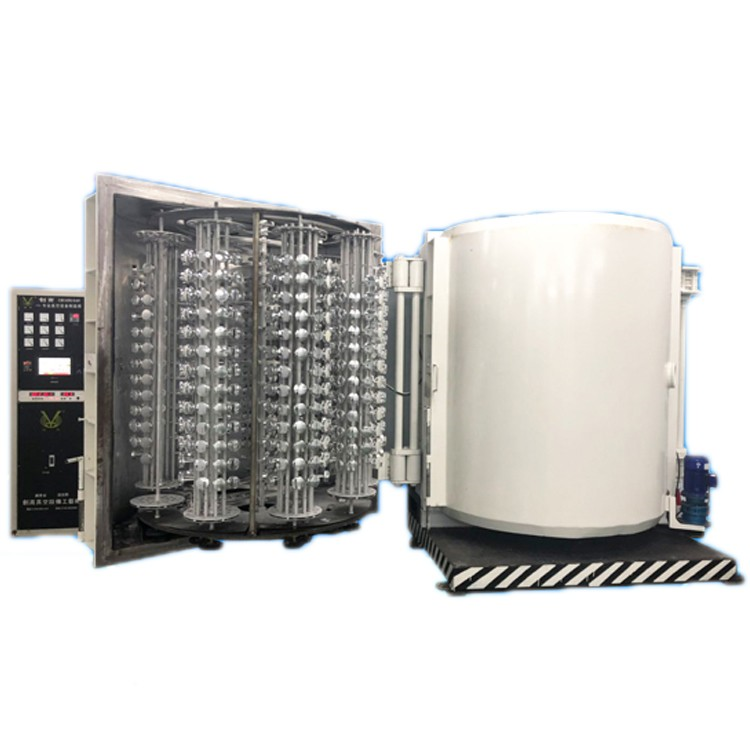
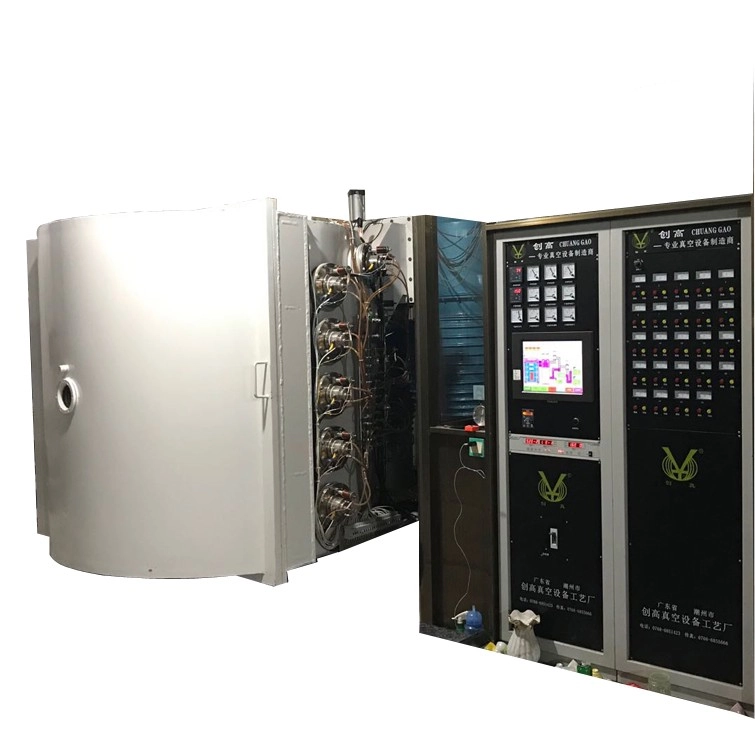
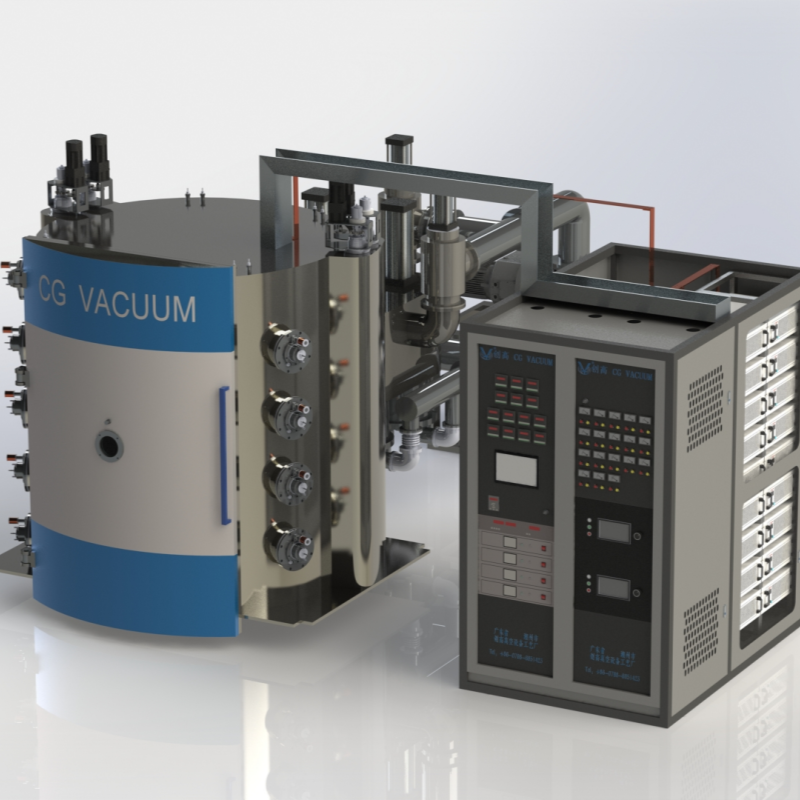
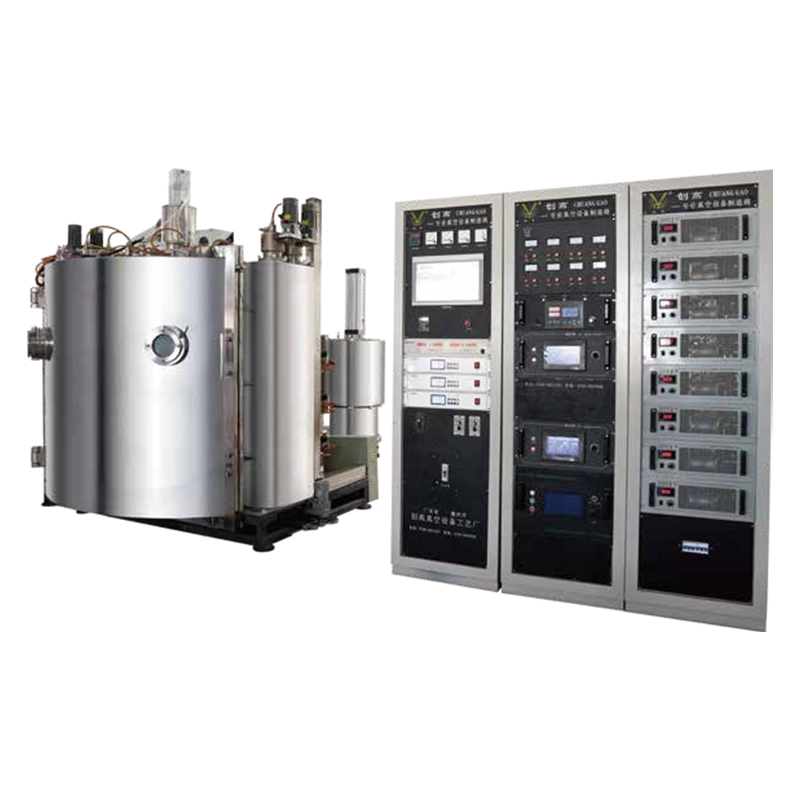
A DLC coating machine is a vacuum deposition system designed to deposit diamond-like carbon films onto metal, ceramic, and other substrate materials.
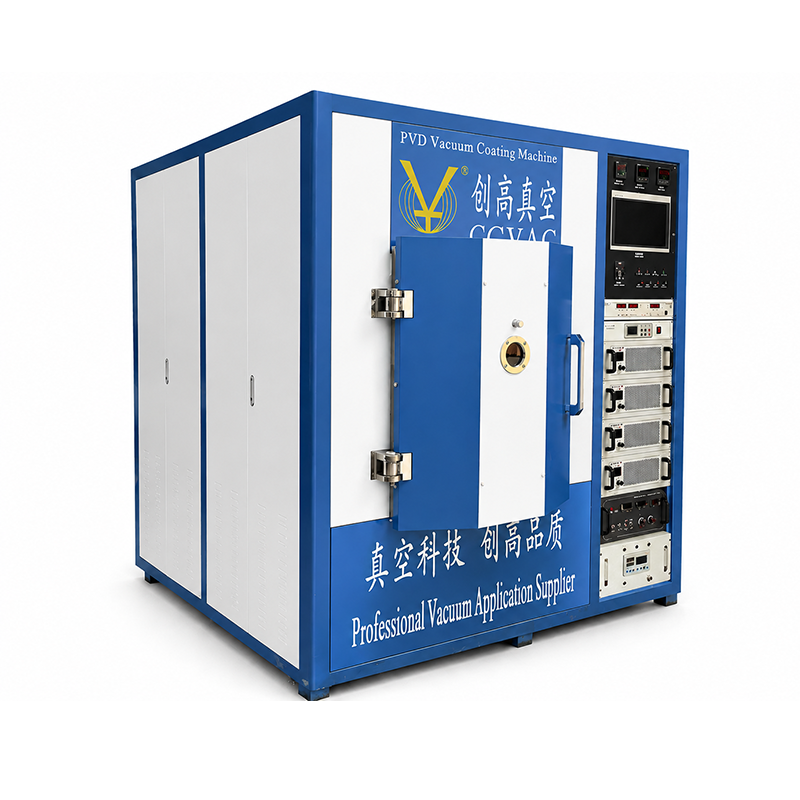
The general DLC coating process includes four main stages:
Step 1: Vacuum Chamber Preparation
The substrate is placed inside the vacuum chamber, where air is removed to create a controlled deposition environment.
A stable vacuum condition ensures high coating purity, uniform film thickness, and better process repeatability.
Step 2: Plasma Cleaning and Surface Activation
Before DLC deposition, plasma cleaning removes contaminants from the substrate surface. This improves film adhesion, surface bonding strength, and coating reliability.
Step 3: DLC Film Deposition
During deposition, carbon-containing gases such as methane or acetylene are introduced into the chamber. Through plasma activation, carbon atoms form a dense DLC film on the substrate surface.
Step 4: Cooling and Quality Inspection
After coating, components are cooled and inspected to ensure film thickness consistency, surface quality, and adhesion performance.
Main DLC Coating Technologies Used in Industrial Production
Different deposition technologies influence DLC film quality and application performance. Modern DLC coating equipment usually integrates advanced vacuum deposition technologies to achieve stable and high-performance coatings.
PECVD DLC Coating Technology
Plasma Enhanced Chemical Vapor Deposition (PECVD) is one of the most common technologies used in industrial DLC coating machines.
The process uses plasma energy to activate carbon-containing gases and form DLC films.
Advantages include:
- Low-temperature deposition
- Excellent coating uniformity
- Suitable for complex-shaped components
- Strong process flexibility
PECVD DLC coating equipment is widely used for automotive parts, precision components, and industrial applications.
Magnetron Sputtering Technology
Magnetron sputtering uses plasma generated by magnetic fields to deposit coating materials onto substrates.
Advantages include:
- Dense coating structure
- Excellent thickness control
- Good surface quality
It is often combined with other technologies to create multi-layer coating structures.
Hybrid PVD + PECVD Technology
Modern hard coating machines increasingly combine PVD and PECVD technologies.
A typical coating structure includes a metal adhesion layer, transition layer, and DLC functional layer.
This hybrid approach provides:
- Improved coating adhesion
- Reduced internal stress
- Longer coating lifetime
Key Advantages of DLC Coating
Extremely Low Friction Performance
DLC coatings can significantly reduce friction between moving components. This makes them ideal for bearings, gears, engine parts, and sliding components.
Excellent Wear Resistance
Due to their high hardness, DLC films protect components from surface abrasion, mechanical wear, and frequent replacement.
Improved Component Lifetime
By reducing friction and wear, DLC coatings help manufacturers reduce maintenance costs, improve product reliability, and increase equipment efficiency.
Applications of DLC Coatings
Automotive Components
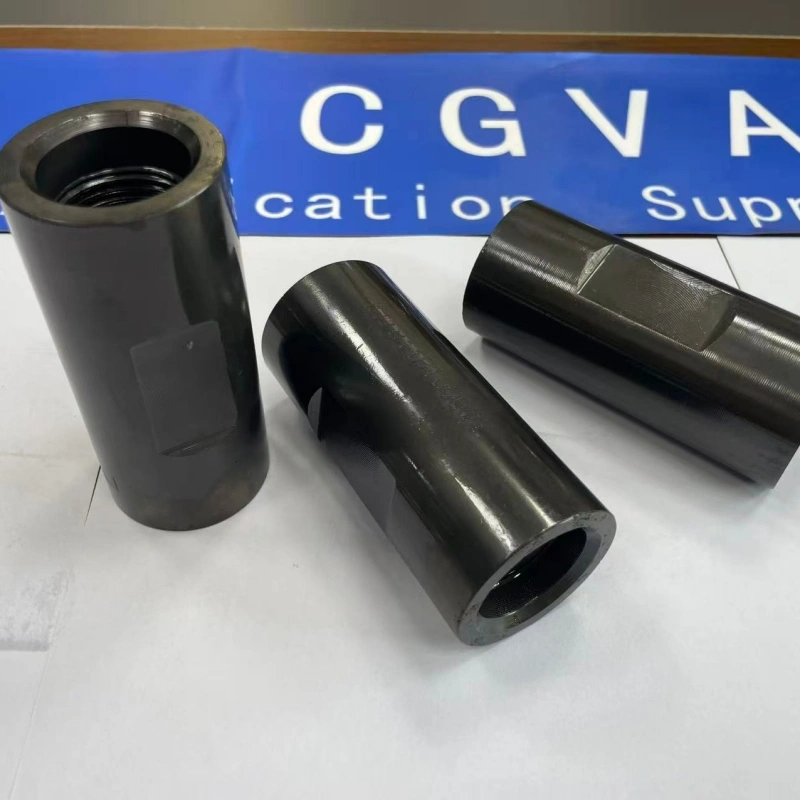
DLC coatings are widely applied to engine parts, fuel injection components, transmission parts, and bearings.
Main benefits include:
- Reduced friction loss
- Improved fuel efficiency
- Longer service life
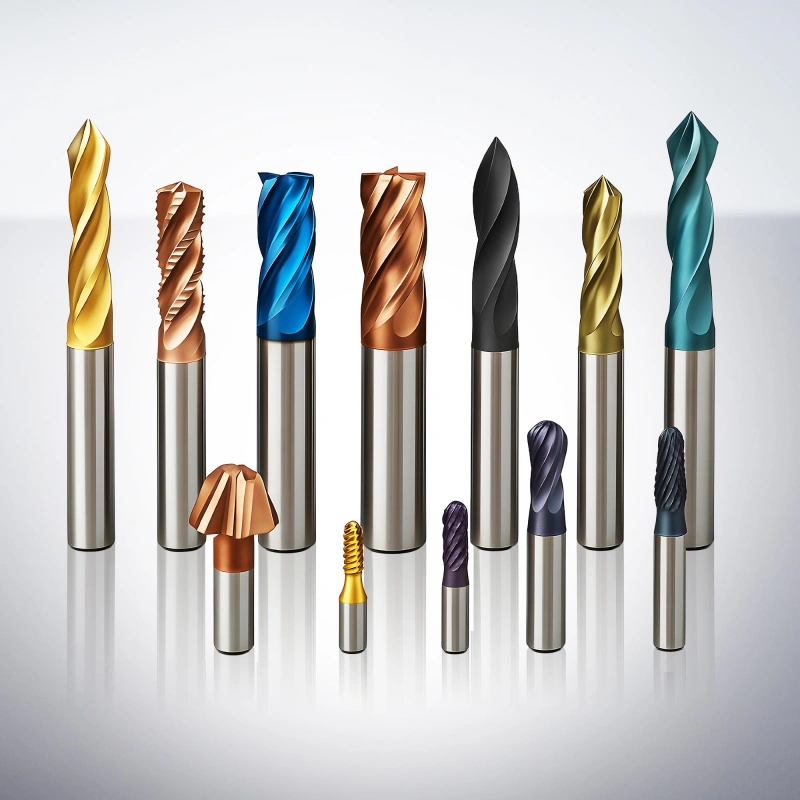
Cutting Tools and Molds
DLC coating improves:
- Tool wear resistance
- Anti-sticking performance
- Machining stability
Applications include:
- Precision cutting tools
- Aluminum processing tools
- Injection molds
Medical and Precision Components
Due to chemical stability and biocompatibility, DLC coatings are used for:
- Medical instruments
- Precision mechanical parts
- Optical components
DLC Coating Machine vs Traditional Hard Coating Machine
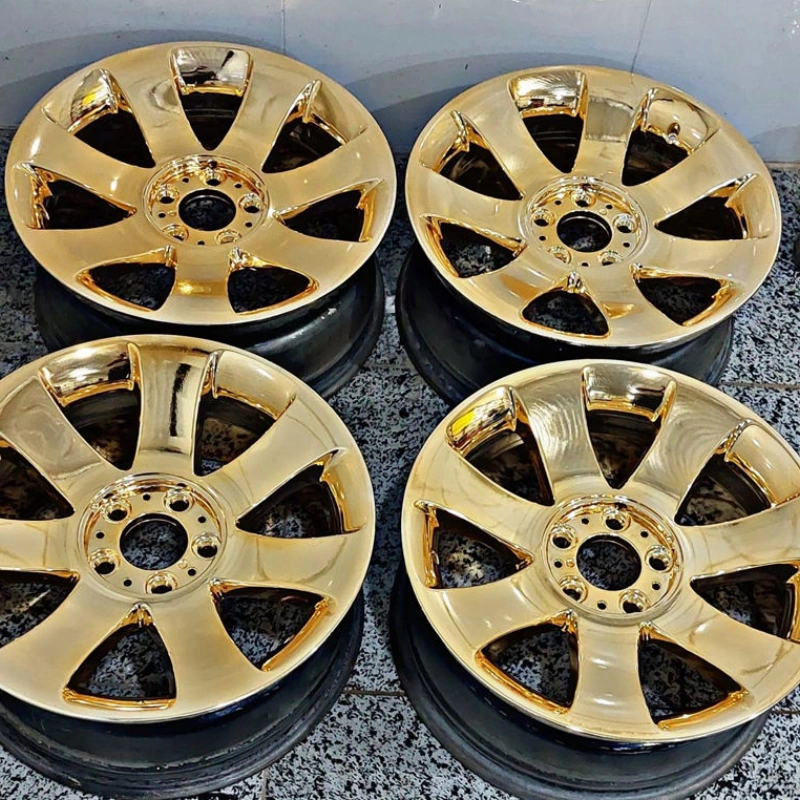
A hard coating machine is a broader category of vacuum coating equipment designed for depositing protective films such as DLC, TiN, CrN, and AlTiN.
| Equipment | Coating Type | Main Benefits |
|---|---|---|
| DLC Coating Machine | Diamond-like carbon coating | Low friction and high wear resistance |
| PVD Coating Machine | Metal-based coatings | High hardness and decorative applications |
| Hard Coating Machine | Multiple protective coatings | Industrial surface treatment solutions |
DLC coating machines represent one of the most advanced solutions within the hard coating equipment category.
Why Choose CGVAC DLC Coating Machine?
CGVAC, a professional vacuum coating machine manufacturer, specializes in developing advanced vacuum coating equipment for industrial applications.
Our DLC coating machines provide:
- Stable DLC film deposition
- High coating uniformity
- Reliable process control
- Customized coating solutions
- Industrial production capability
As an experienced hard coating machine manufacturer, CGVAC provides complete vacuum coating solutions for customers requiring high-performance surface treatment technology.
Conclusion
DLC coating technology has become an advanced surface treatment solution for manufacturers seeking improved component durability, reduced friction, and enhanced product performance. With advanced deposition methods such as PECVD, magnetron sputtering, and hybrid PVD technologies, DLC coating machines enable manufacturers to produce high-performance diamond-like carbon films for demanding industrial applications.
For companies looking to upgrade their surface treatment capabilities, choosing a reliable DLC coating machine manufacturer is essential to achieving stable coating quality, efficient production, and long-term operational benefits.
CGVAC provides professional hard coating machines and DLC coating equipment for global industrial applications, delivering customized vacuum coating solutions for automotive parts, precision components, cutting tools, and other high-performance industries. Contact CGVAC today to discuss your coating requirements and get a professional vacuum coating solution tailored to your production needs.