PVD coating is widely used to improve wear resistance, hardness, and surface performance for cutting tools, molds, precision hardware, and industrial components. However, some coated products may experience early wear, peeling, or reduced service life during operation.
PVD coating failure is rarely caused by coating material alone. In most cases, durability depends on the interplay among substrate preparation, coating selection, deposition parameters, film structure, and actual working conditions.
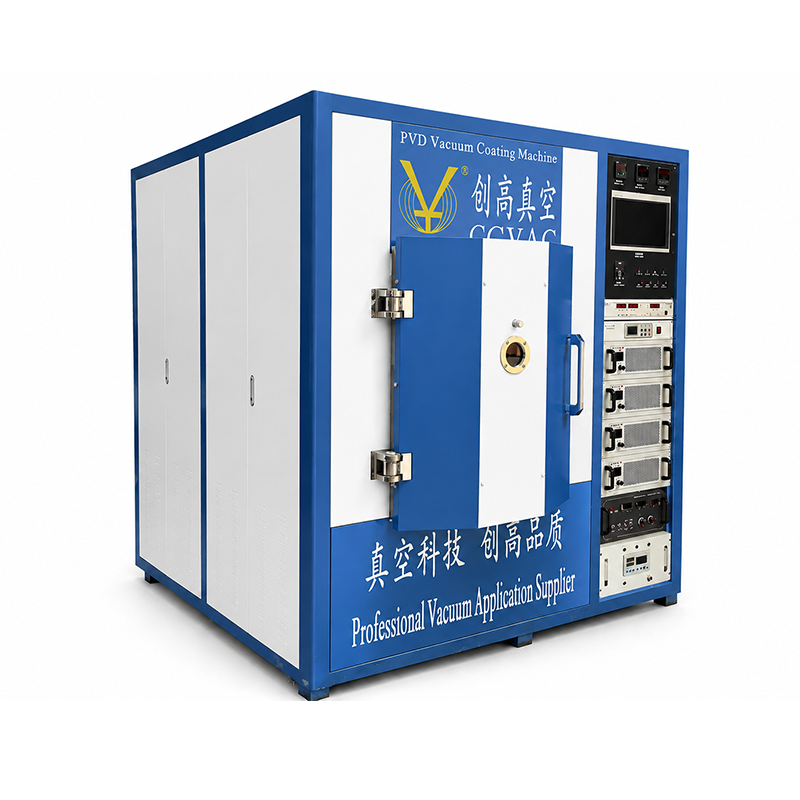
Understanding why PVD coatings wear off helps manufacturers optimize coating processes and select the right PVD coating machine to ensure stable, long-lasting performance.
Poor Adhesion Between Coating and Substrate
One of the most common causes of PVD coating failure is insufficient adhesion between the coating layer and the substrate.
Even a coating with excellent hardness cannot provide reliable wear resistance if the bonding strength between the film and substrate is weak.
Incomplete Surface Cleaning and Pretreatment
Before PVD deposition, substrate surfaces must be properly cleaned and activated. Contaminants such as oil residues, oxide layers, dust, and moisture can affect the bonding between the coating and substrate.
Poor surface preparation may result in:
- Reduced coating adhesion
- Surface defects
- Peeling during friction or mechanical stress
- Shortened coating service life
For industrial PVD production, effective cleaning and surface pretreatment are essential steps to achieve durable coatings.
Improper Surface Condition
The substrate surface condition also influences coating performance. Excessive roughness may increase stress concentration and accelerate abrasive wear, while improper surface treatment may introduce micro-defects that weaken the coating system.
A properly prepared substrate provides a stable foundation for improving PVD coating durability.
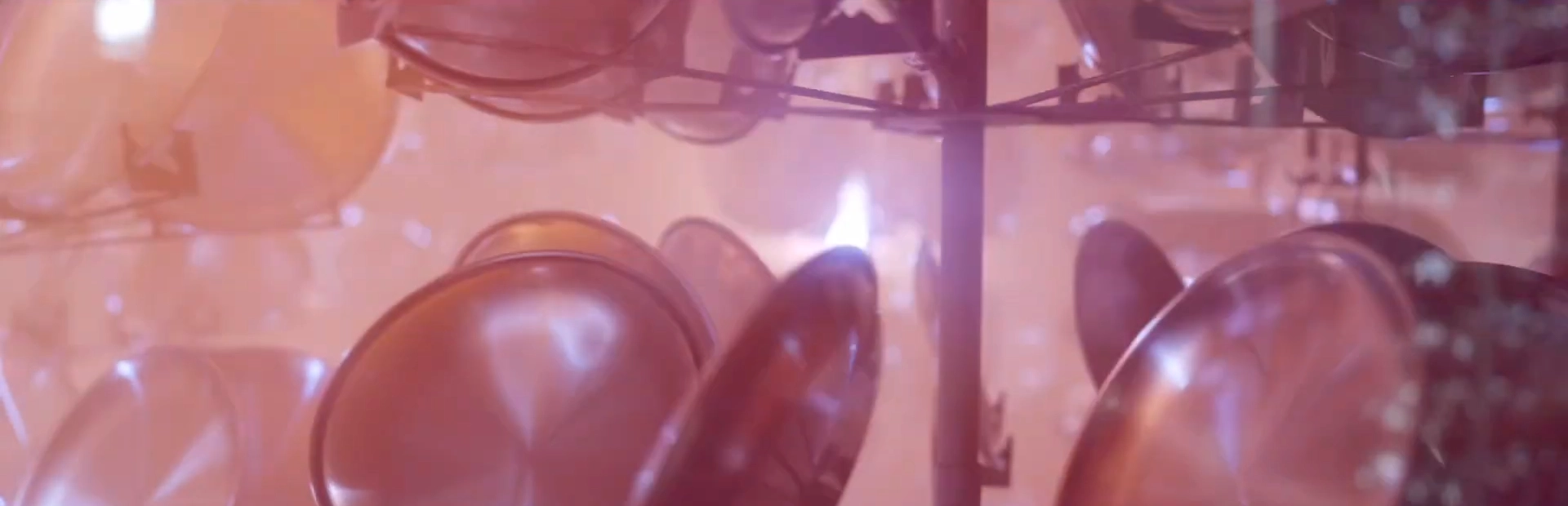
Incorrect Coating Selection for the Working Environment
There is no universal PVD coating suitable for every application. The coating material should match the actual working environment, including operating temperature, friction conditions, load pressure, and substrate material.
TiN and TiAlN Coatings
TiN and TiAlN coatings are widely used for cutting tools, molds, and industrial components due to their high hardness and wear resistance.
However, different coating systems are designed for different applications. Selecting an unsuitable coating type may result in reduced performance even when the deposition process is stable.
DLC Coatings
DLC (Diamond-Like Carbon) coatings are known for low friction performance and excellent anti-adhesion properties. They are suitable for applications requiring reduced friction and improved surface protection.
However, coating selection should always consider the actual load, temperature, and wear conditions rather than focusing on hardness alone.
A professional PVD coating machine manufacturer should evaluate the application requirements before recommending a suitable coating solution.
Incorrect PVD Deposition Parameters
The PVD deposition process directly affects coating structure, hardness, density, and adhesion. Small variations in process parameters can influence the final coating performance.
Important parameters include:
- Vacuum condition
- Substrate temperature
- Bias voltage
- Reactive gas flow
- Deposition time
Vacuum Stability
A stable vacuum environment is essential for producing clean and consistent PVD coatings.
Poor vacuum conditions may introduce unwanted contamination, including oxygen and moisture, which can affect film density, coating structure, and adhesion performance.
This is why vacuum chamber design, pumping system performance, and process control are important factors when selecting a reliable vacuum coating machine.
Bias Voltage and Ion Bombardment
Bias voltage controls ion energy during the deposition process. Proper ion bombardment can improve surface activation, film density, and coating adhesion.
However, excessive ion energy may increase internal stress and create risks of cracking or coating failure. Therefore, precise process control is required to achieve a balance between adhesion and durability.
Coating Thickness Control
A thicker coating does not always provide better wear resistance. If the coating is too thin, it may wear through quickly. If the coating is excessively thick, internal stress may increase and create risks of cracking or delamination.
The suitable coating thickness depends on coating material, substrate properties, and application requirements.
Poor Film Structure and Layer Design
The internal structure of a PVD coating also influences long-term wear performance.
A high-performance coating depends not only on hardness but also on:
- Film density
- Internal stress control
- Interface bonding
- Layer structure design
Multi-Layer Coating Structures
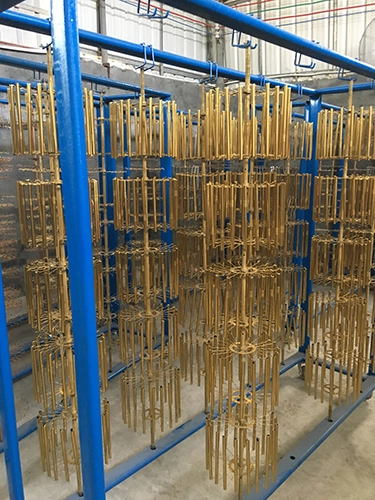
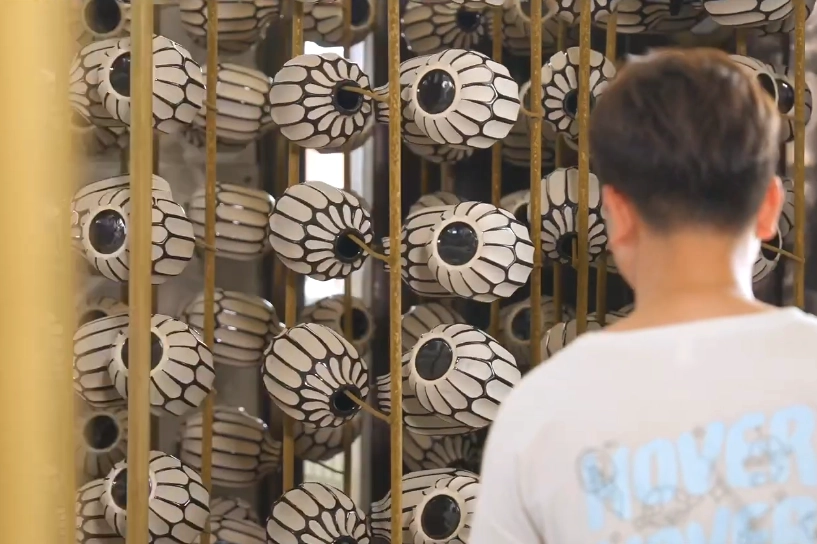
For demanding applications, multi-layer or gradient coating structures can combine different performance advantages.
For example:
- Adhesion layers improve bonding strength
- Hard layers provide wear resistance
- Functional layers optimize friction performance
The coating structure should be designed according to the specific working conditions and performance requirements.
Application Conditions Beyond Coating Capability
Even a properly produced PVD coating may fail if the operating environment exceeds its designed capability.
Abrasive Wear
Dust, metal particles, and other hard materials can create abrasive wear and gradually damage the coating surface.
Poor Lubrication Conditions
Dry friction or unsuitable lubrication may increase friction temperature and accelerate adhesive wear or oxidation.
Impact and Fatigue Loads
PVD coatings are thin protective layers. Although they provide excellent hardness, repeated impact or excessive mechanical stress may cause micro-cracks and local coating failure.
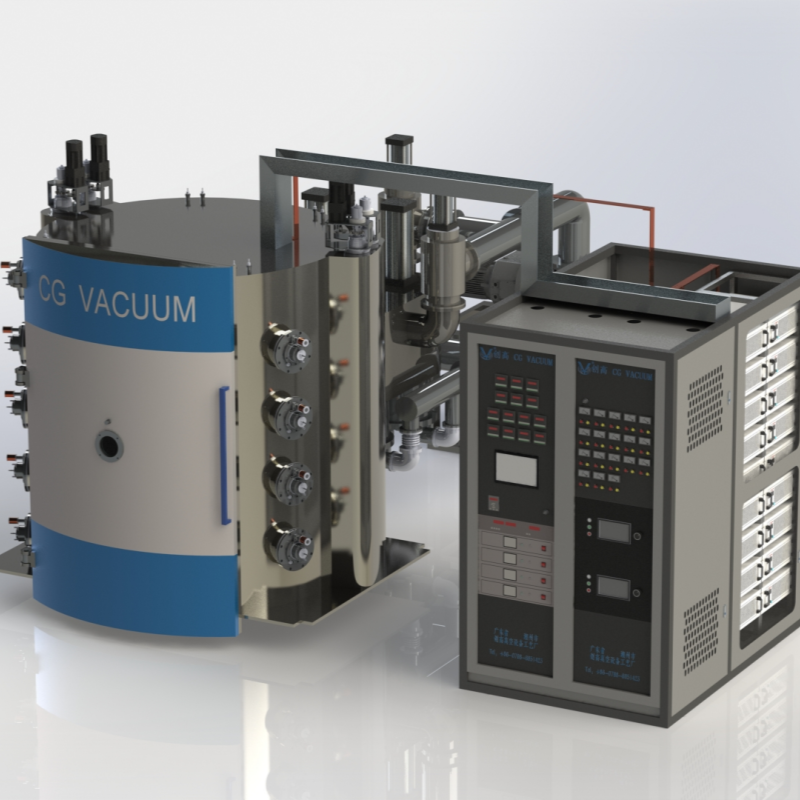
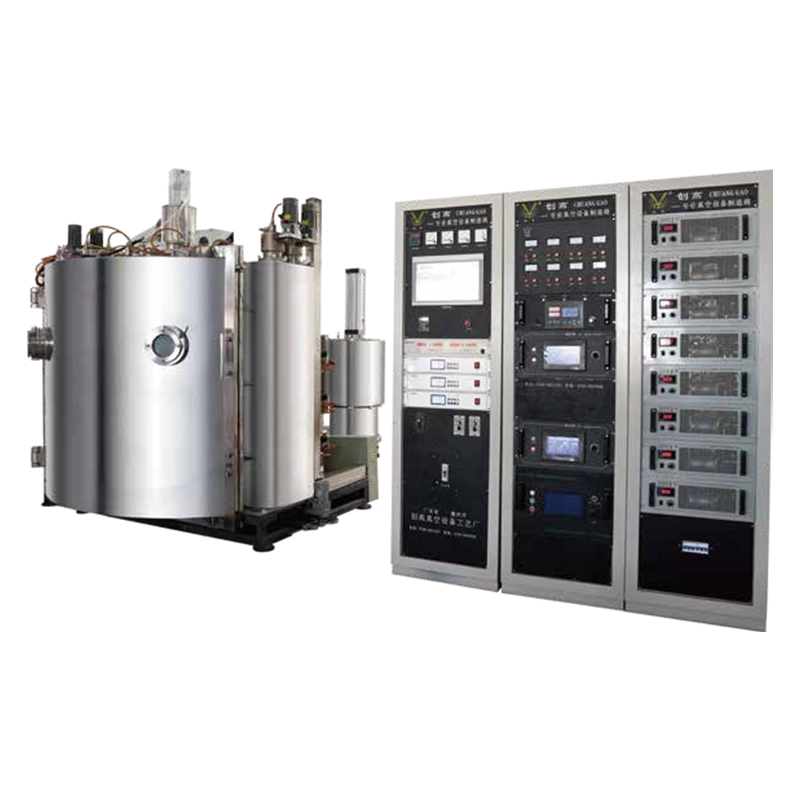
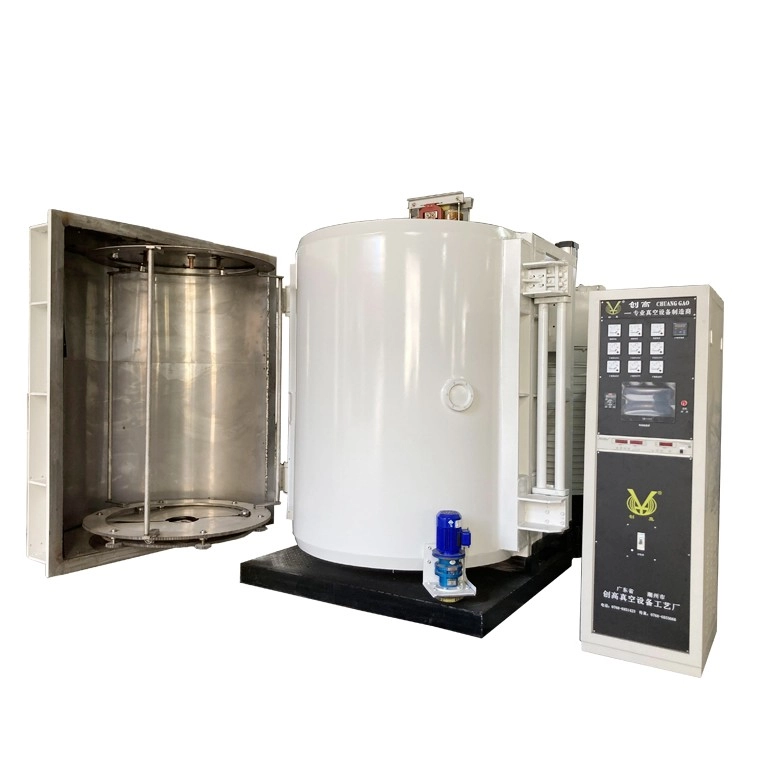
How PVD Coating Machine Influence Coating Durability?
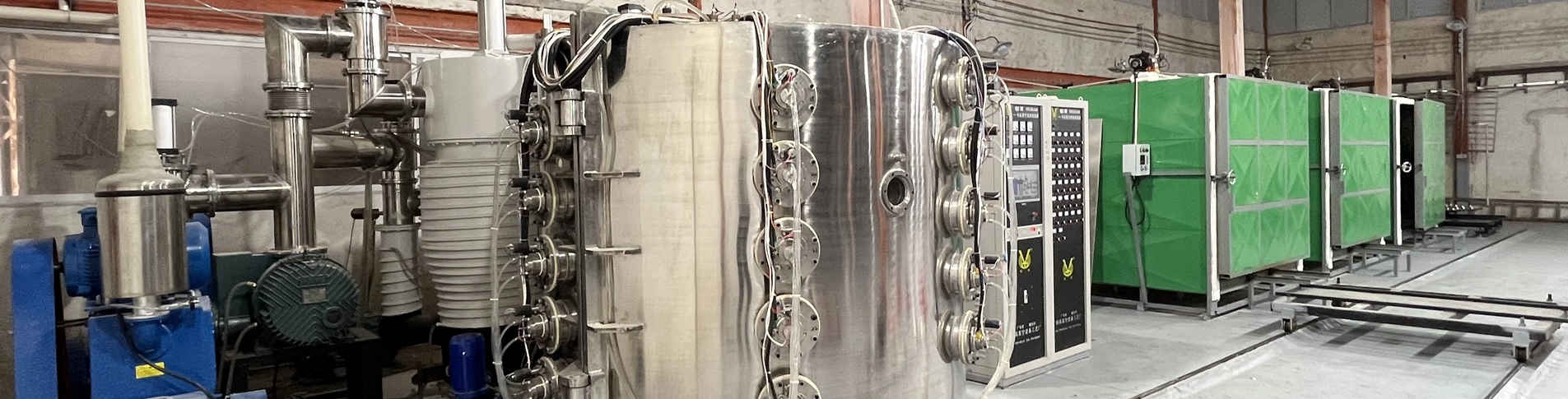
While coating material and application conditions are important, the performance of the PVD coating equipment also plays a critical role in achieving consistent coating quality.
Stable Vacuum Environment
A reliable vacuum system helps maintain stable deposition conditions and reduces contamination risks during the coating process.
Accurate Gas Control
Precise reactive gas control is essential for producing stable coating compositions, especially for compound coatings such as TiN and CrN.
Uniform Plasma Distribution
Stable plasma conditions contribute to consistent film thickness and coating performance across different workpieces.
Reliable Process Control
Advanced monitoring and control systems help maintain repeatable production parameters and improve batch-to-batch consistency.
How to Improve PVD Coating Wear Resistance?
To achieve longer coating service life, manufacturers should optimize the complete coating process:
Proper Substrate Preparation
- Effective cleaning
- Surface activation
- Suitable surface treatment
Select the Right Coating Technology
The coating should match the operating environment, including temperature, friction, and mechanical load.
Optimize PVD Process Parameters
Control of vacuum conditions, bias voltage, gas flow, and deposition parameters is essential for stable coating performance.
Choose Suitable PVD Equipment
A properly configured PVD coating machine improves coating consistency, production stability, and overall coating reliability.
CGVAC PVD Coating Machine Solutions
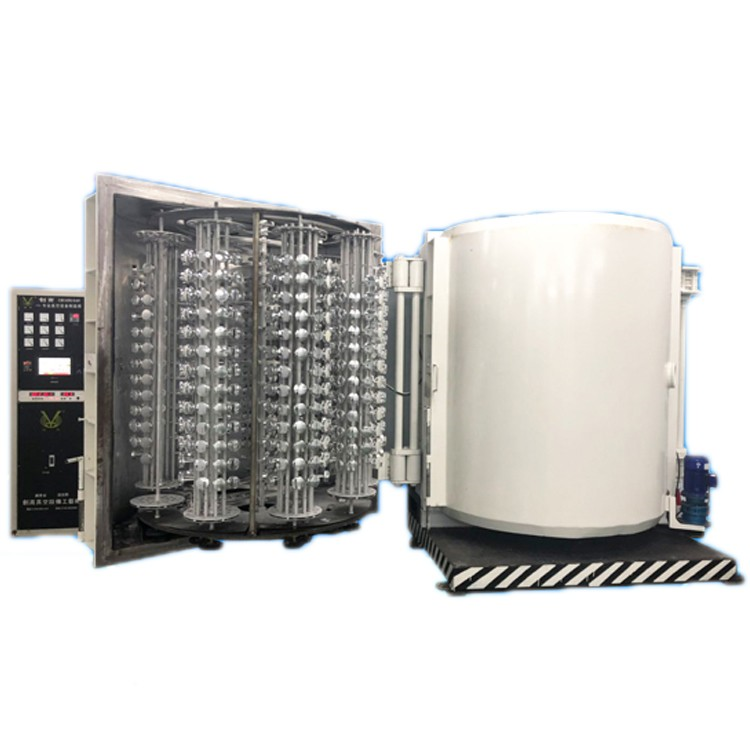
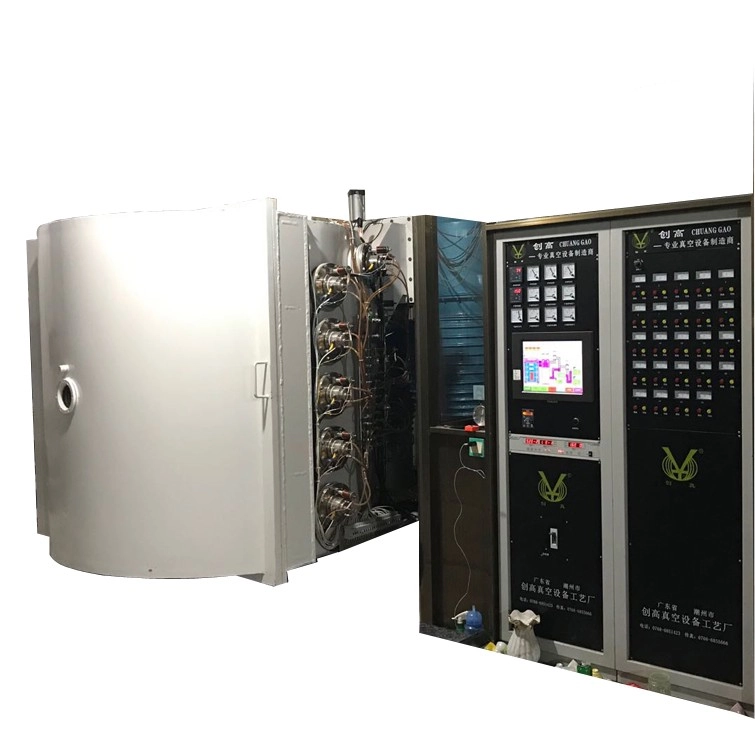
CGVAC specializes in industrial vacuum coating machine solutions for manufacturers requiring stable coating performance and reliable production results.
Our PVD equipment solutions include:
- Magnetron sputtering coating machines
- Multi-arc ion plating systems
- Customized PVD coating production lines
- Hard coating machines
By combining stable vacuum systems, precise process control, and application-focused equipment design, CGVAC helps manufacturers achieve durable coatings for decorative and functional applications.
Conclusion
PVD coating wear-off failure is usually caused by multiple factors rather than coating hardness alone. Substrate preparation, coating selection, deposition parameters, film structure, and operating conditions all influence final coating durability. For manufacturers looking to improve PVD coating performance, selecting the right coating technology and reliable PVD coating equipment is essential.
Planning a PVD coating project? Contact CGVAC to discuss your substrate material, coating requirements, and production goals. Our engineering team can help recommend a suitable vacuum coating machine solution for your application.