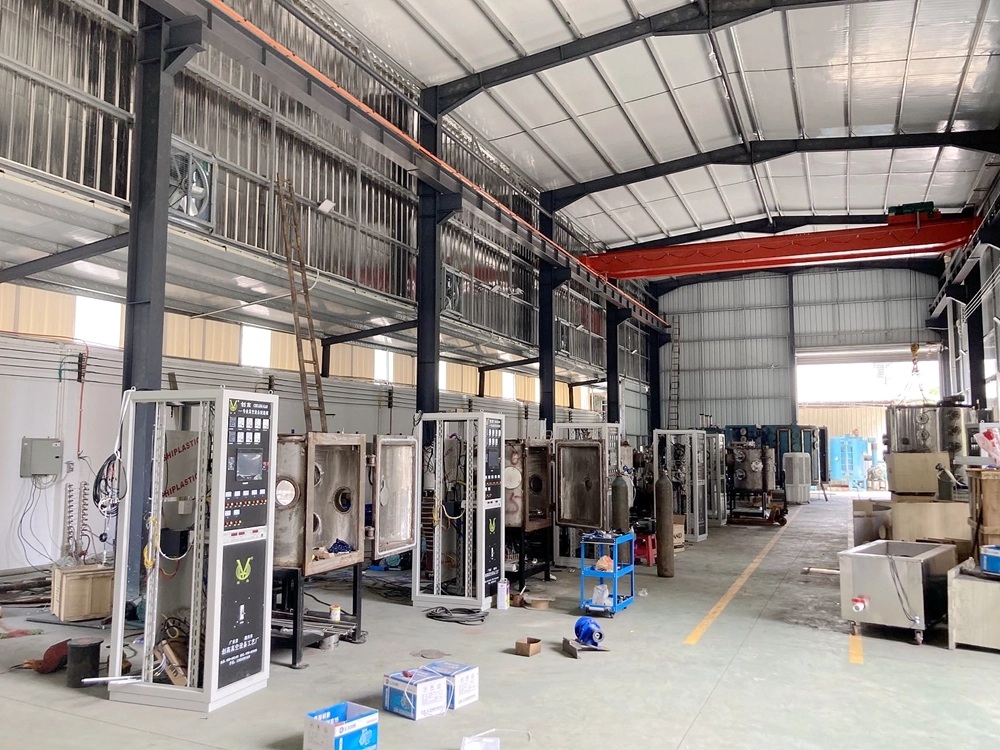
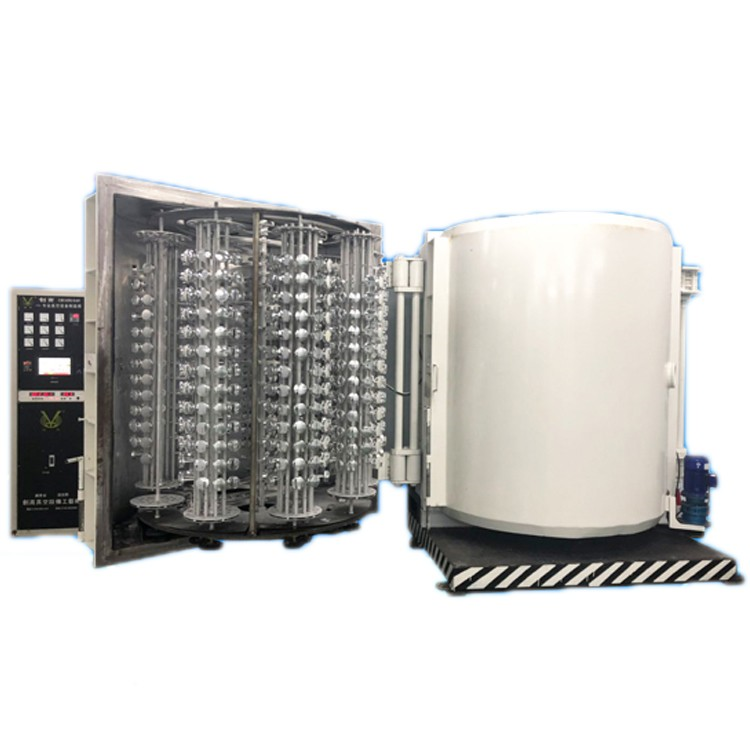
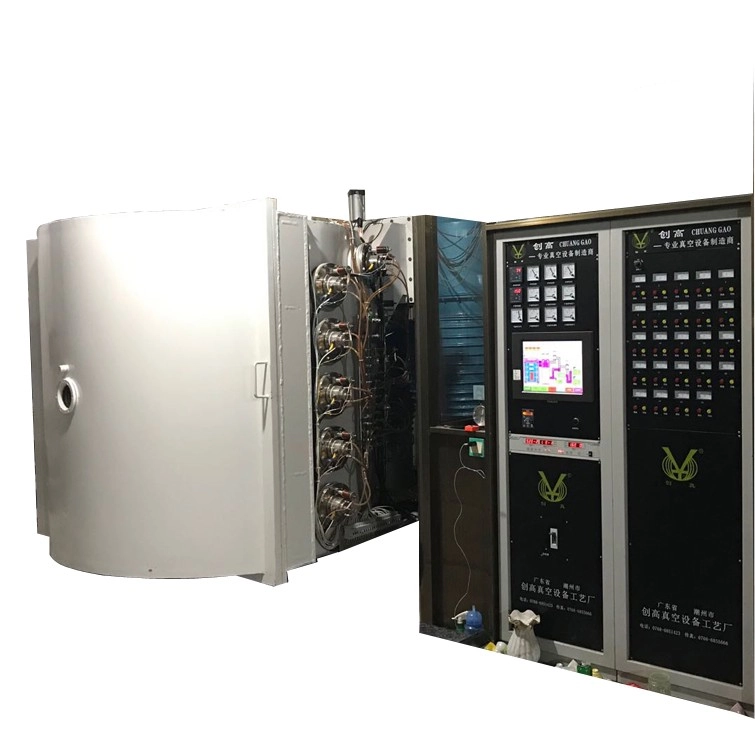
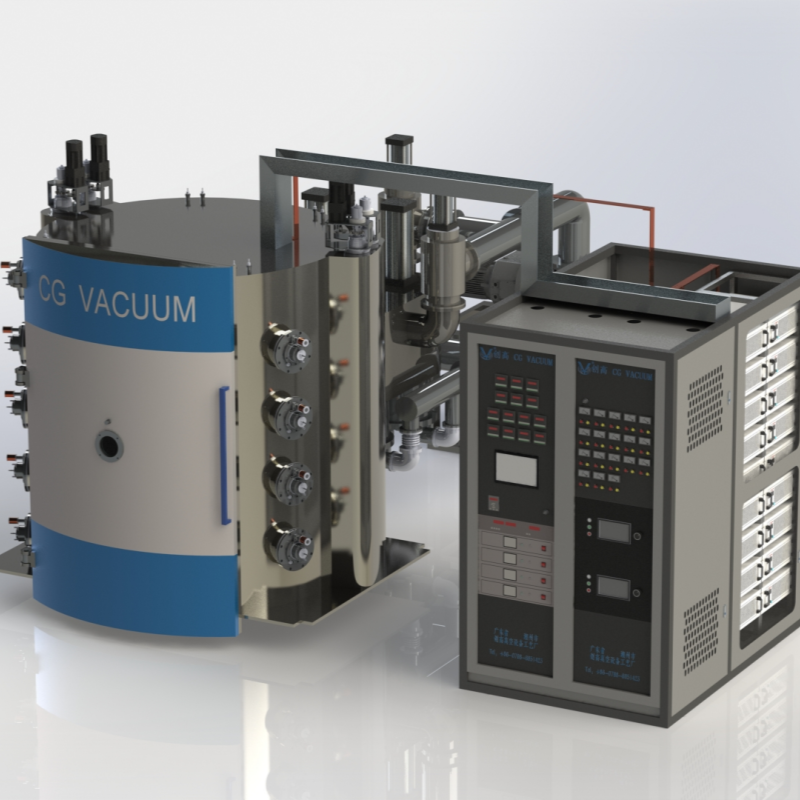
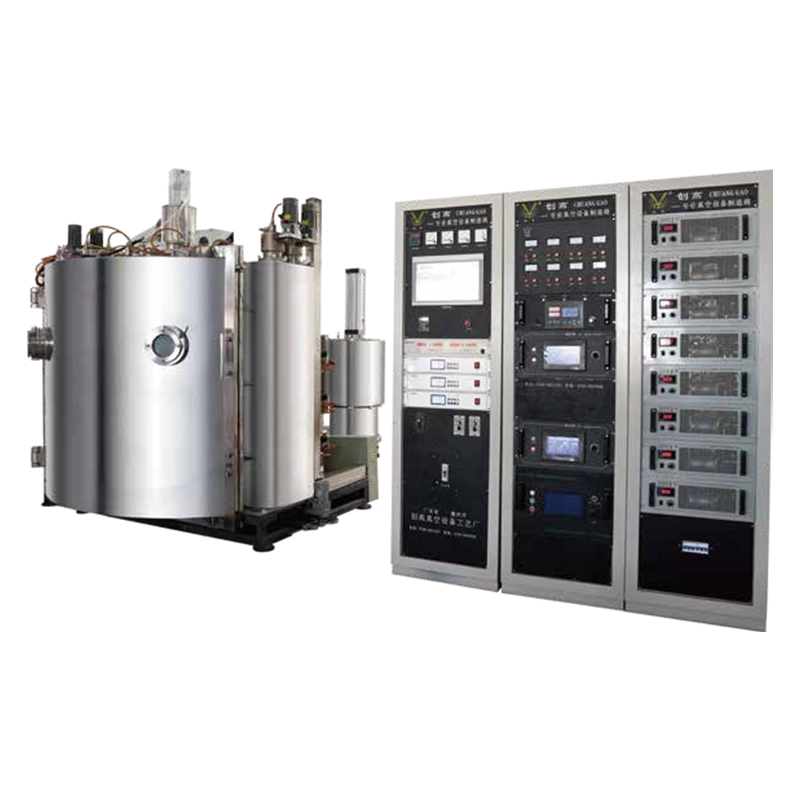
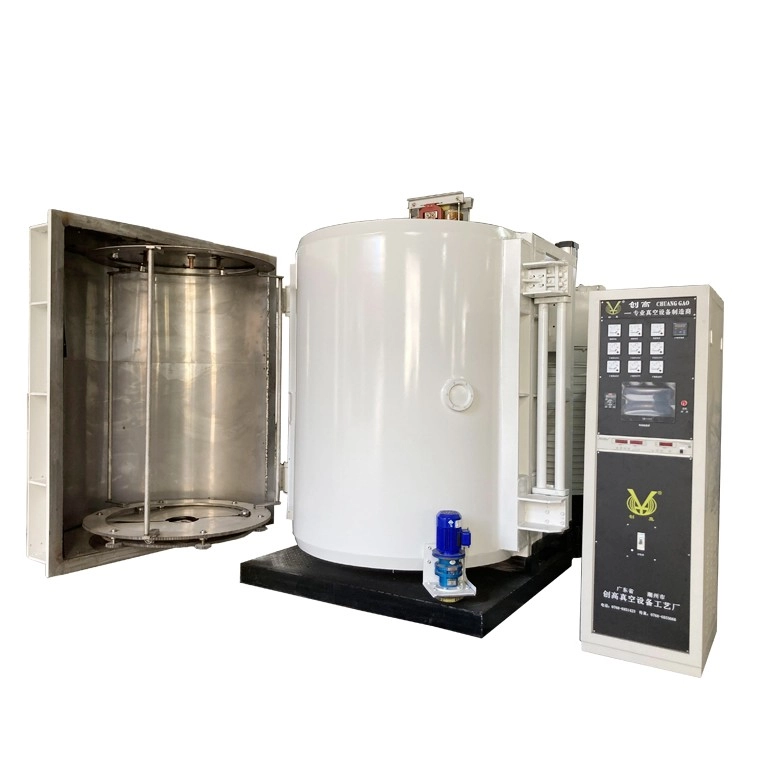
“Является ли PVD-покрытие токсичным?” этот вопрос часто задают покупатели при покупке изделий из нержавеющей стали, сантехники, керамики, стекла, пластика, оптики и дорогостоящей электроники. Этот вопрос становится все более актуальным в связи с растущей осведомленностью о безопасности пищевых продуктов, экологических нормах и соблюдении промышленных стандартов. Как профессиональный производитель оборудования для нанесения PVD-покрытий, CGVAC Практическое руководство по безопасности PVD-покрытий, охватывающее принципы процесса, выбор материалов, промышленное применение и оборудование, поможет производителям и покупателям принять обоснованные решения.
Что такое PVD-покрытие? Понимание безопасности процесса
PVD (Physical Vapor Deposition) - это технология осаждения металлических или керамических материалов на подложку с помощью физических методов. В отличие от традиционных химических покрытий, гальванических покрытий или окрашивания распылением, PVD происходит в вакуумной среде и не предполагает химических реакций или остаточных растворителей.
К распространенным процессам PVD относятся:
- Многодуговое вакуумное PVD покрытие: Быстрое осаждение с цветной отделкой, широко используется для изготовления декоративных деталей и высококлассных столовых приборов.
- Вакуумное покрытие с магнетронным напылением: Подходит для функциональных покрытий, таких как износостойкие, антикоррозионные или проводящие пленки, наносимые на металлы, керамику и стекло.
- Вакуумное покрытие испарением: Идеально подходит для оптических покрытий или плоских декоративных поверхностей; создает однородные и функциональные пленки.
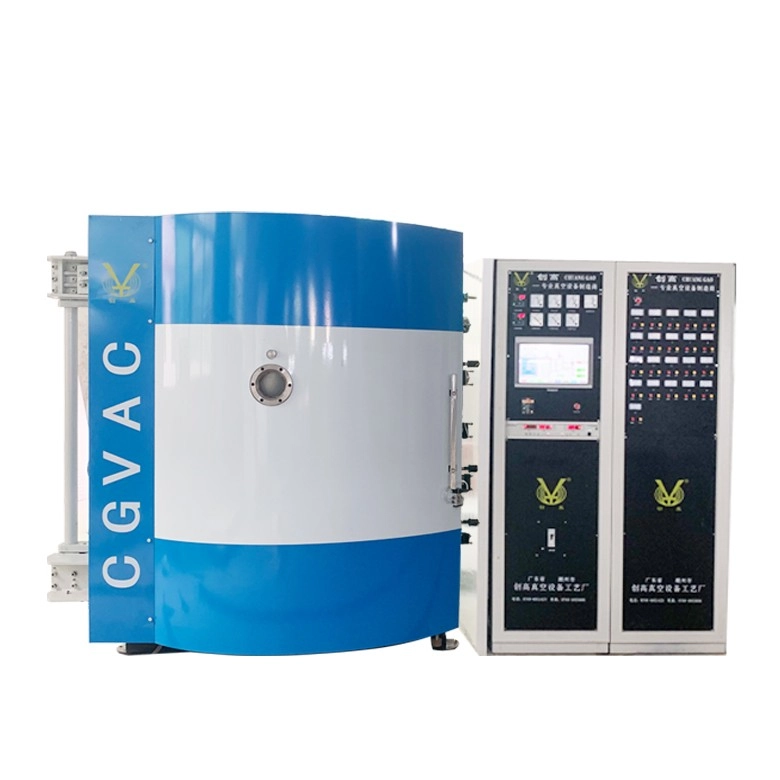
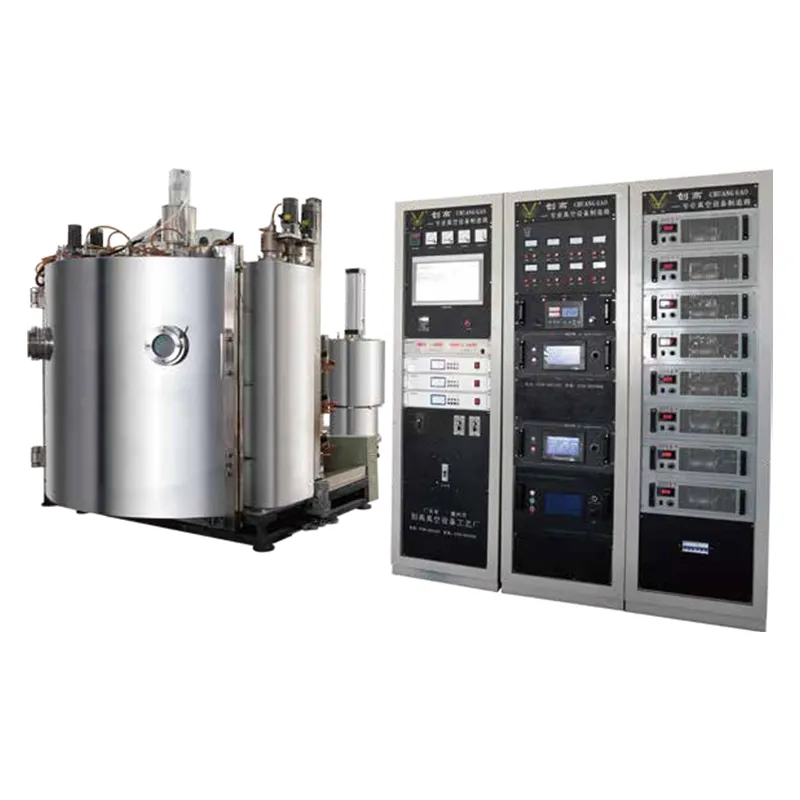
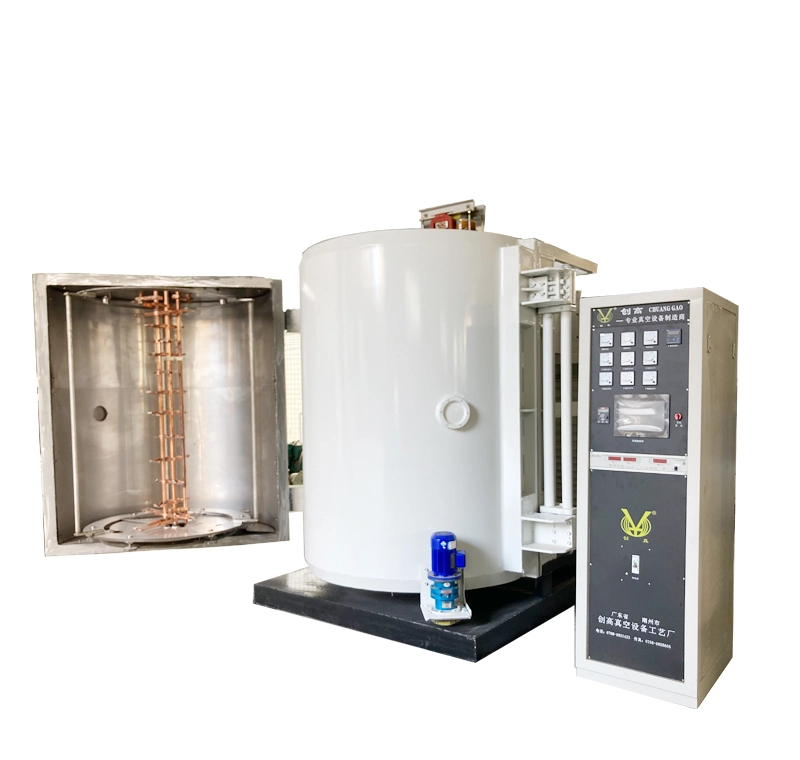
Различные процессы подходят для разных материалов и областей применения, но принцип их безопасности одинаков: Покрытия PVD не выделяют токсичных веществ при конечном использовании.
Является ли PVD-покрытие токсичным? Научное объяснение
Q1: Являются ли материалы для покрытий токсичными?
К распространенным материалам PVD-мишеней относятся Ti, Cr, Zr, Al, TiN и CrN. Эти материалы стабильны в виде твердой пленки и широко используются в:
- Раковины, унитазы и оборудование для ванных комнат
- Высококачественные украшения и бусы
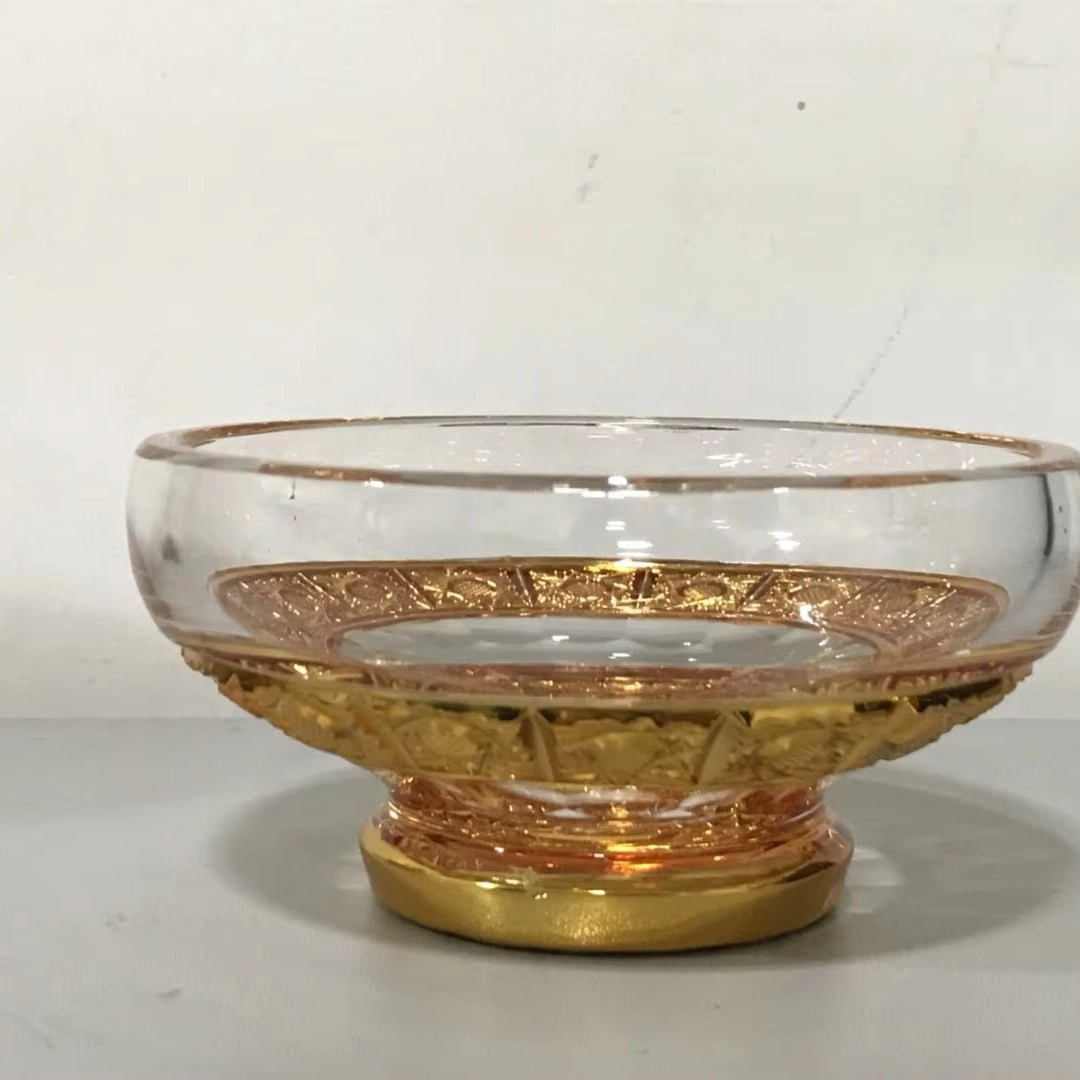
- Керамическая посуда и декор для дома
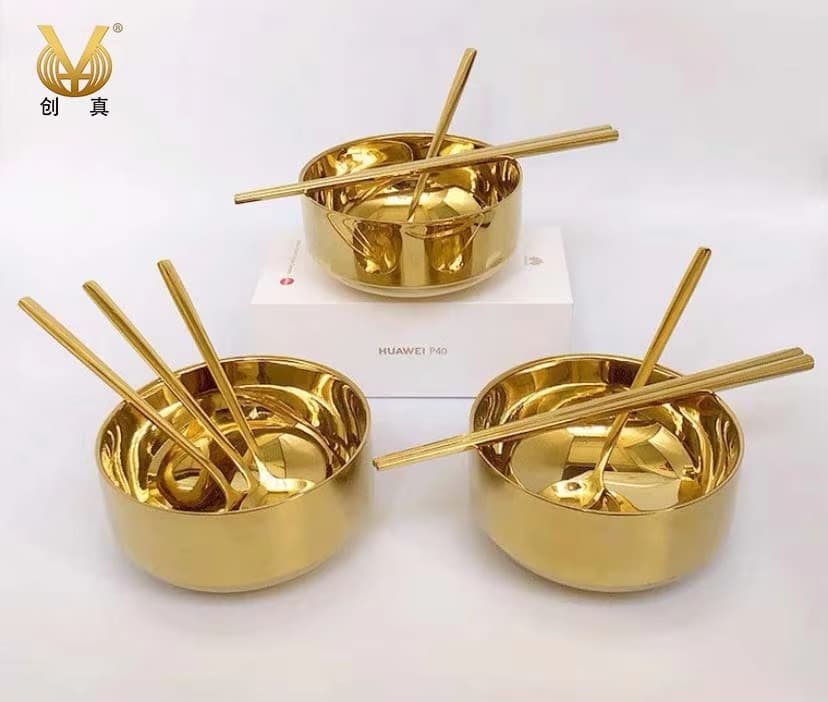
- Столовые приборы и кухонная утварь из нержавеющей стали
- Оптические и электронные компоненты

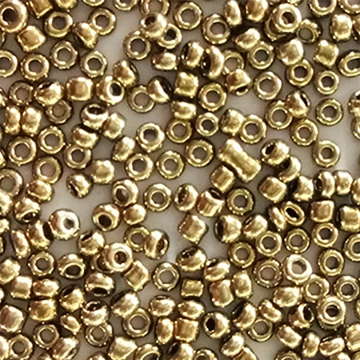

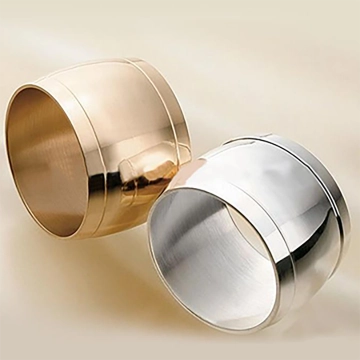
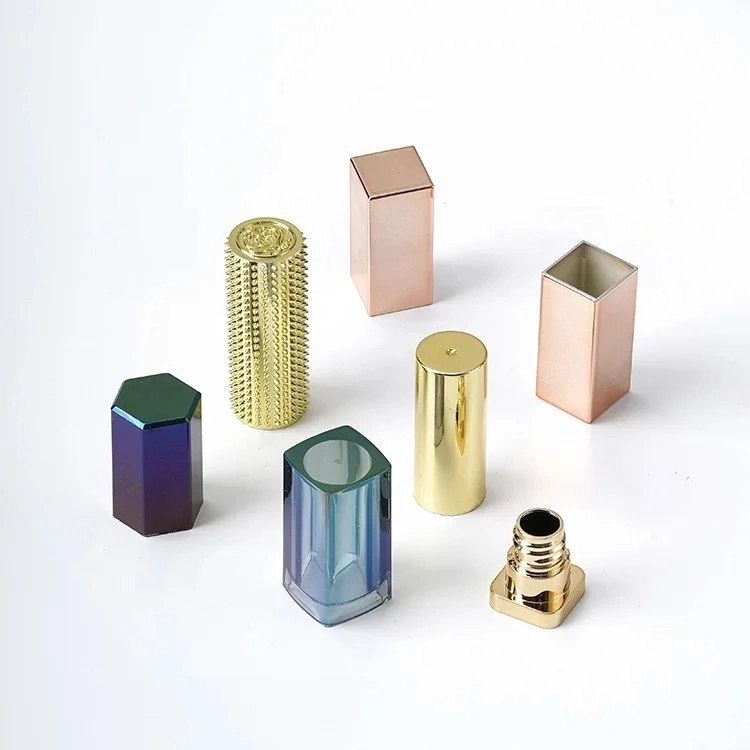
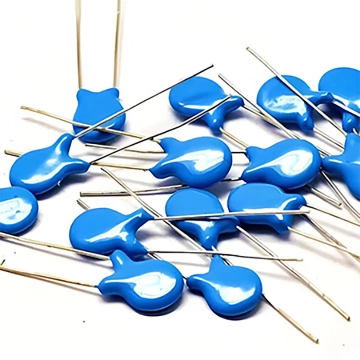
При выборе в соответствии с промышленными стандартами PVD-покрытия химически инертны и не выделяют вредных веществ.
Q2: Существуют ли какие-либо риски в процессе нанесения покрытия?
- PVD выполняется в вакуумной среде
- Не используются кислоты, щелочи или химические растворы
- Осажденные пленки плотные и стабильные
Поэтому нет риска попадания остатков токсичных химикатов на готовый продукт.
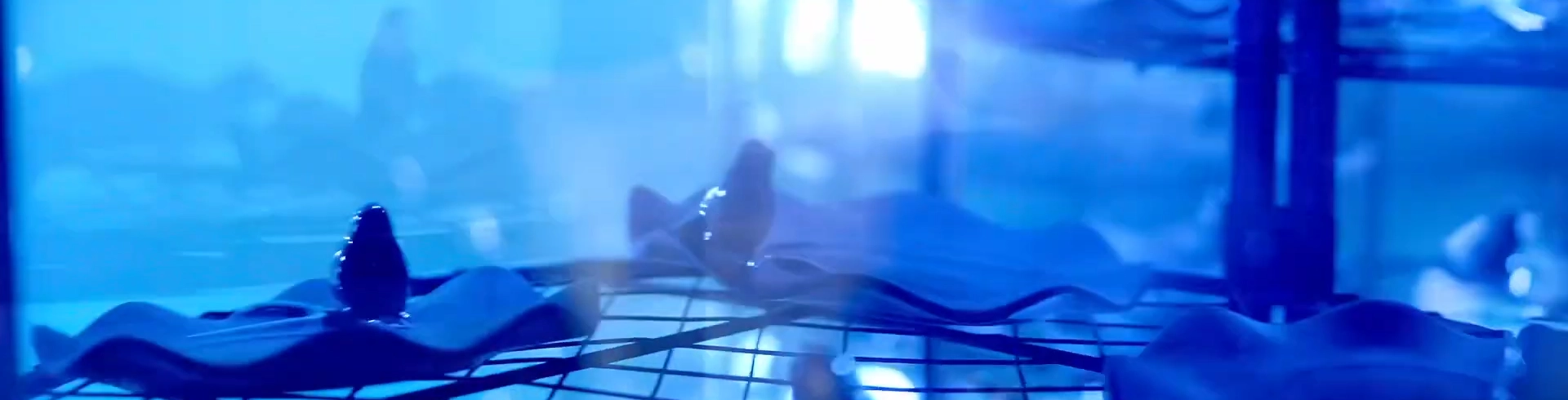
Q3: Продукты питания и потребительские товары
- Пленки PVD устойчивы к коррозии, износостойки и легко очищаются
- Подходит для столовых приборов из нержавеющей стали, кухонных принадлежностей и других потребительских товаров.
- Безопасность зависит от:
- Выбор целевого материала (пищевые металлы или керамика)
- Контроль параметров процесса (толщина пленки, равномерность)
- Стабильность и воспроизводимость оборудования
Заключение: При наличии соответствующих материалов, контроля процесса и оборудования PVD-покрытия не представляют риска токсичности.

PVD-покрытие по сравнению с другими видами обработки поверхности: Сравнение безопасности и экологичности
| Процесс | Связано с опасными химическими веществами? | Безопасность конечного использования | Экологичность | Типовые применения |
|---|---|---|---|---|
| Магнетронное напыление PVD | Нет | Очень высокий | Высокий | Функциональные пленки, медицинские, оптические |
| Arc PVD | Нет | Высокий | Высокий | Высококачественные декоративные детали, столовые приборы, фурнитура для ванных комнат |
| Испарительное покрытие | Нет | Высокий | Высокий | Оптические покрытия, плоские декоративные поверхности |
| Гальваника | Да (химические растворы) | Варьируется | Средний | Металлические изделия массового спроса |
| Окрашивание распылением | Возможно (растворители) | Средний | Средний | Пластмассы, декоративные изделия |
Резюме: Вакуумные технологии PVD практически нетоксичны для конечного применения и более безопасны, чем традиционные покрытия на основе мокрых химикатов или растворителей.
Ключевые факторы, влияющие на безопасность PVD-покрытий
- Целевой материал и дизайн фильма: Контактирующие с пищевыми продуктами или медицинские изделия требуют безопасных и стабильных материалов.
- Управление параметрами процесса: Мощность, температура и скорость осаждения влияют на плотность и прочность пленки.
- Устойчивость оборудования: Системы высокого вакуума и точный контроль обеспечивают стабильное качество всех партий продукции.
О компании CGVAC, вашем профессиональном производителе машин для нанесения PVD-покрытий
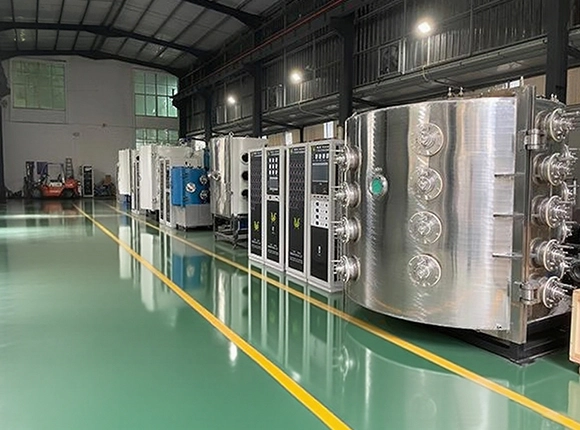
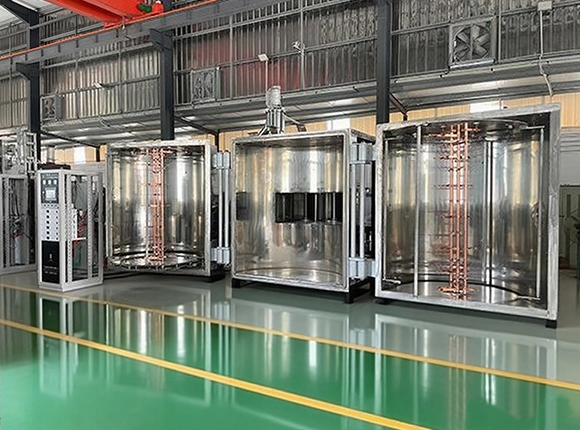
CGVAC, ведущий производитель вакуумного оборудования для нанесения покрытий, предлагает полный спектр решений:
- Многоионные дуговые установки для нанесения PVD-покрытий для высокой производительности и декоративной отделки
- Вакуумная машина для нанесения покрытий методом магнетронного напыления для создания функциональных пленок
- Испарительные вакуумные установки для нанесения покрытий для оптических пленок и плоских поверхностей
- Установки для нанесения функциональных покрытий PVD поддерживающие износостойкие, антикоррозийные, проводящие и антибактериальные пленки
Услуги по настройке:
- Оборудование, адаптированное к размеру продукта, материалу и отраслевому применению
- Системы периодического, многокамерного или непрерывного производства
- Техническое руководство, установка и послепродажная поддержка
Отраслевые применения:
- Сантехника
- Ювелирные изделия и бусины
- Керамика, стекло и пластик
- Потребительские товары из нержавеющей стали
- Оптические и электронные компоненты
Работа с CGVAC, профессиональный производитель, Обеспечивает стабильное, безопасное и отвечающее всем требованиям PVD-покрытие для любых изделий.
Часто задаваемые вопросы
- Можно ли использовать PVD-покрытия для изделий, контактирующих с пищевыми продуктами? Да, с пищевыми целями и стабильным контролем процесса.
- Будет ли отслаиваться пленка PVD? Нет, пленки стабильны при правильной обработке.
- Что безопаснее: магнетронное напыление или дуговой PVD? Оба варианта очень безопасны; выбор зависит от назначения фильма и производственных потребностей.
- Является ли покрытие PVD экологически безопасным? Да, при вакуумном напылении не образуются химические остатки или выбросы растворителей.
Заключение
PVD-покрытие не представляет риска токсичности при нормальном использовании. Истинными факторами, влияющими на безопасность, являются выбор материала, параметры процесса и качество оборудования. Если вы планируете внедрить PVD, магнетронное распыление, дуговое PVD или испарительное вакуумное покрытие в свое производство, CGVAC может предоставить Индивидуальные решения для машин для нанесения PVD-покрытий, Техническое руководство и предложение оборудования для повышения безопасности, функциональности и внешнего вида продукции.