PVD coating color variation is a common production challenge for manufacturers coating jewelry, stainless steel, sanitary ware, hardware, ceramics, and decorative components. Even when the same target material and nominal process recipe are used, different production batches may show visible differences in gold, rose gold, black, bronze, or other decorative finishes.
For B2B manufacturers, poor PVD coating color consistency does more than affect appearance. It can increase rework, reduce yield, create inconsistency between product lots, and make it more difficult to meet customer color standards. The cause is rarely one single parameter. Substrate condition, vacuum stability, gas flow, film thickness, target condition, temperature, bias voltage, and machine repeatability can all influence the final result.
Why Does PVD Coating Color Change?
PVD color is the result of several deposition conditions working together. The final appearance is usually influenced by coating composition, film thickness, reactive gas ratio, target material, substrate surface, deposition temperature, and bias voltage. This means that even a relatively small process change can create a visible PVD color difference. For example, a slight shift in nitrogen flow, chamber pressure, or film thickness may alter the appearance of a decorative coating.
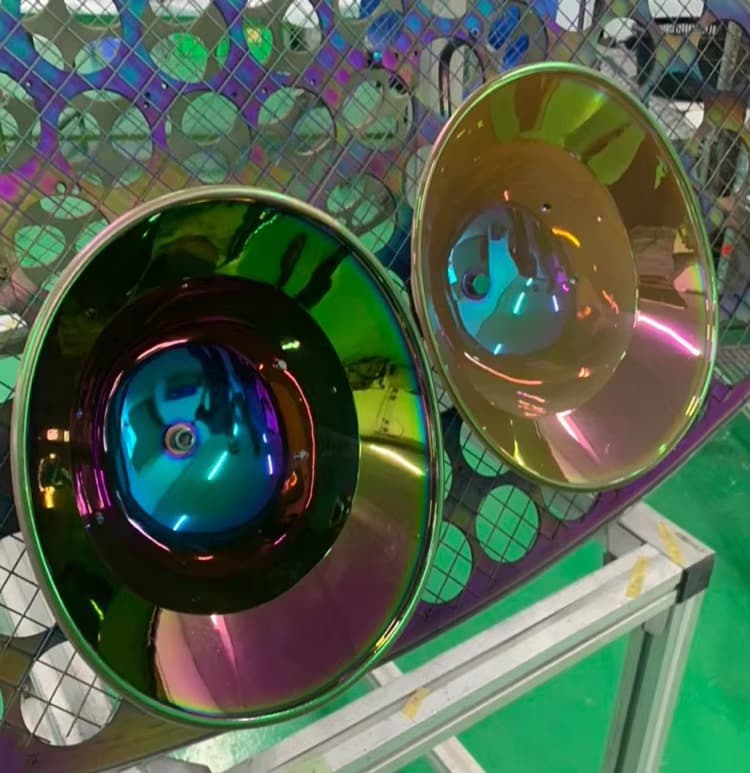

Therefore, the first step in solving PVD coating color variation is to identify which production variable is changing.
What Causes PVD Color Differences Between Batches?
PVD batch color variation usually comes from material, process, and equipment factors.When users search why PVD coating color varies between batches, these are usually the first variables that should be checked.
| Facteur | How It Affects Color |
|---|---|
| Substrate Surface | Different polishing, roughness, or contamination can change reflection and appearance |
| Pretreatment | Inconsistent cleaning may affect coating nucleation and adhesion |
| Vacuum Level | Residual gases can change plasma conditions and coating composition |
| Reactive Gas Flow | Variations in nitrogen, oxygen, or other gases can directly affect color |
| Target Condition | Target erosion or contamination may change deposition behavior |
| Film Thickness | Thickness differences may create visible color shifts |
| Temperature | Substrate temperature can influence coating structure and appearance |
| Bias Voltage | Changes ion energy and coating growth |
| Fixture Position | Different positions may receive different deposition rates |
| Batch Loading | Can affect plasma distribution and coating uniformity |
How Can You Identify the Source of PVD Color Variation?
Before changing machine parameters, it is important to determine whether the color variation comes from the substrate, process, or equipment.
If an entire batch becomes darker, lighter, or shifts in color, the cause is more likely related to gas flow, chamber pressure, deposition time, target condition, or power output.
If products in different positions within the same batch show different colors, the problem may be related to fixture layout, product rotation, target-to-substrate distance, or local film thickness.
If only a few products show abnormal color, substrate contamination, polishing quality, or pretreatment consistency should be checked first.
During troubleshooting, it is better to change one variable at a time so the real cause can be identified more accurately.
How to Improve PVD Coating Color Consistency
Improving PVD coating color consistency requires control of the entire production process rather than only adjusting the final deposition parameters.
First, substrate pretreatment should be standardized, including cleaning, polishing, drying, and loading, so that products enter the chamber with similar surface conditions.
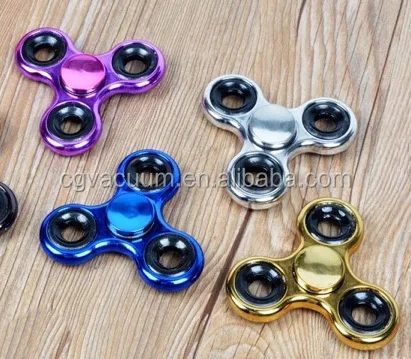
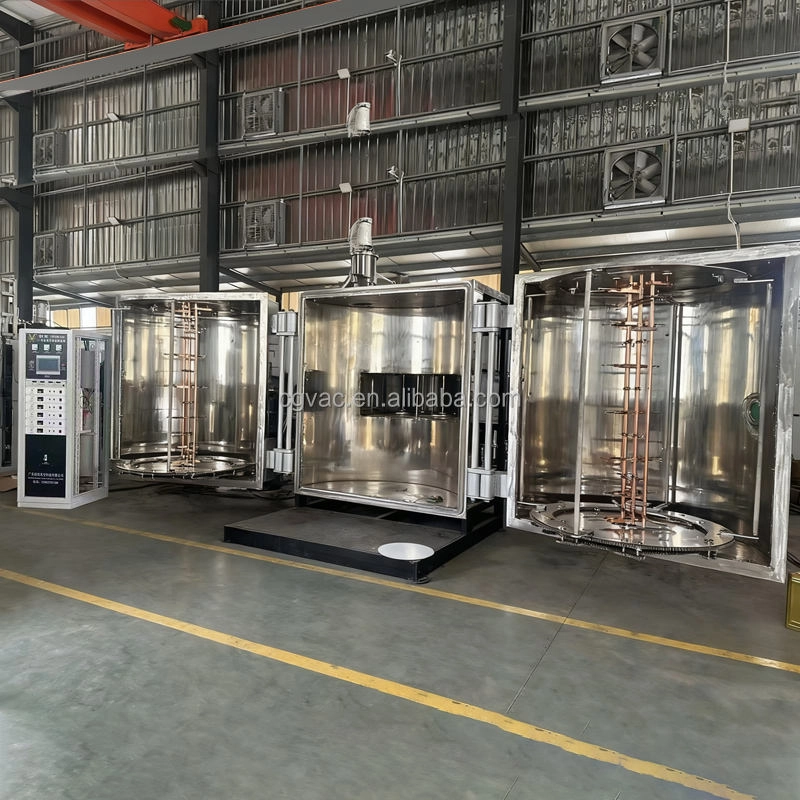
Second, vacuum conditions, gas flow, and process pressure should remain stable. In reactive PVD processes, the ratio of gases such as nitrogen and oxygen can strongly influence color, so gas control needs good repeatability.
Film thickness is also a key factor in PVD color control. Stable power output, deposition time, target condition, and substrate movement can help improve thickness consistency.
Finally, fixture layout and loading conditions should remain as consistent as possible in batch production to reduce position-related color differences.
Why Does Target Condition Affect PVD Color?
The target does not remain in the same condition throughout its service life. Over time, target erosion, surface contamination, and changes in the erosion profile may affect deposition rate and plasma behavior.
As a result, even when the same recipe is used, the final color may gradually shift as the target condition changes.
To reduce this effect, manufacturers should:
- Record target usage time
- Keep target surfaces clean
- Use a consistent target conditioning procedure
- Record target replacement intervals
- Reconfirm key process parameters after target replacement
For products with strict color requirements, target condition should be treated as part of the process specification rather than simply as a consumable factor.
When Can Color Variation Indicate a Machine Stability Problem?
If the substrate, loading method, and process recipe remain consistent but noticeable color differences continue to appear between batches, the problem may be related to machine repeatability.
The following systems should be checked carefully:
- Whether the vacuum system reaches a similar base pressure in each cycle
- Whether gas flow control remains stable
- Whether power output is consistent
- Whether substrate rotation is repeatable
- Whether automated recipes are executed consistently
In continuous batch production, equipment stability directly affects whether the same process can repeatedly produce similar coating results.
PVD Color Consistency Checklist for Batch Production
A complete production record makes it easier to identify the causes of PVD coating color differences when abnormal results occur. When color variation occurs, manufacturers can check the following items one by one.:
| Checkpoint | What to Confirm |
|---|---|
| Substrate | Same material and surface condition |
| Pretreatment | Cleaning process remains unchanged |
| Vacuum | Similar base pressure before every batch |
| Gas Flow | Stable and repeatable flow rates |
| Process Pressure | No abnormal fluctuation |
| Target | Similar erosion and surface condition |
| Power | Stable output during deposition |
| Film Thickness | Within the established process range |
| Fixture | Same product position and rotation |
| Batch Loading | Similar quantity and arrangement |
| Recipe | Same process sequence and timing |
| Production Record | Key parameters recorded for every batch |
How Does CGVAC Help Improve PVD Color Consistency Between Batches?
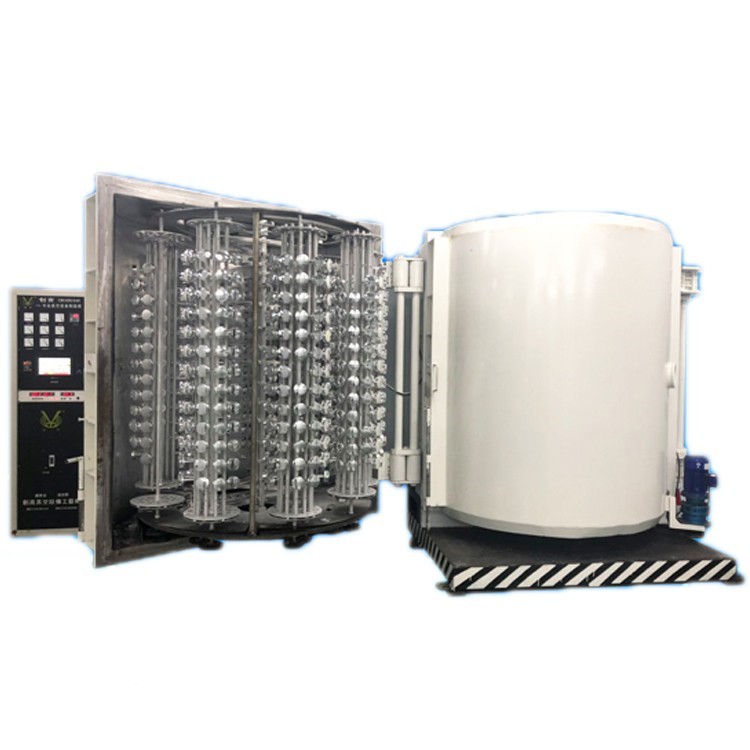
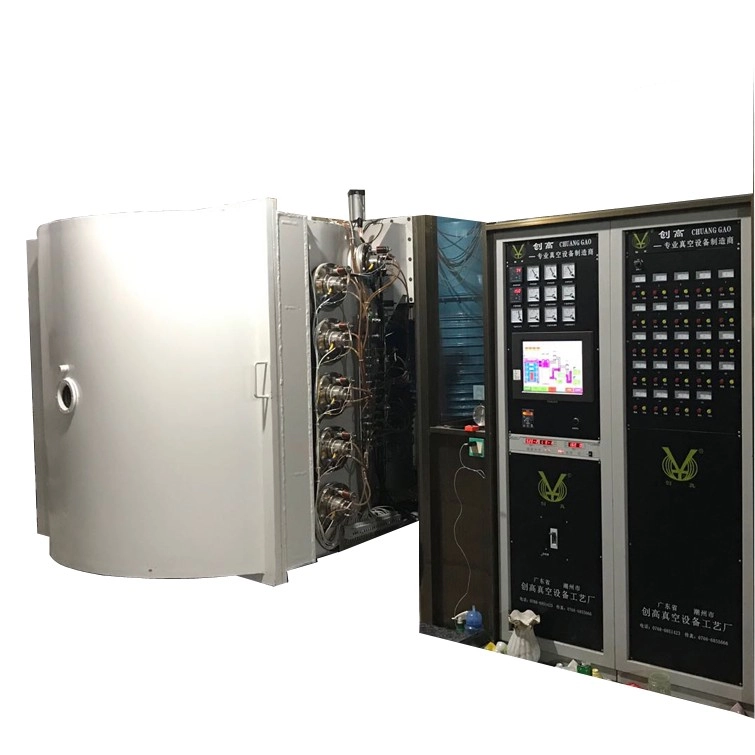
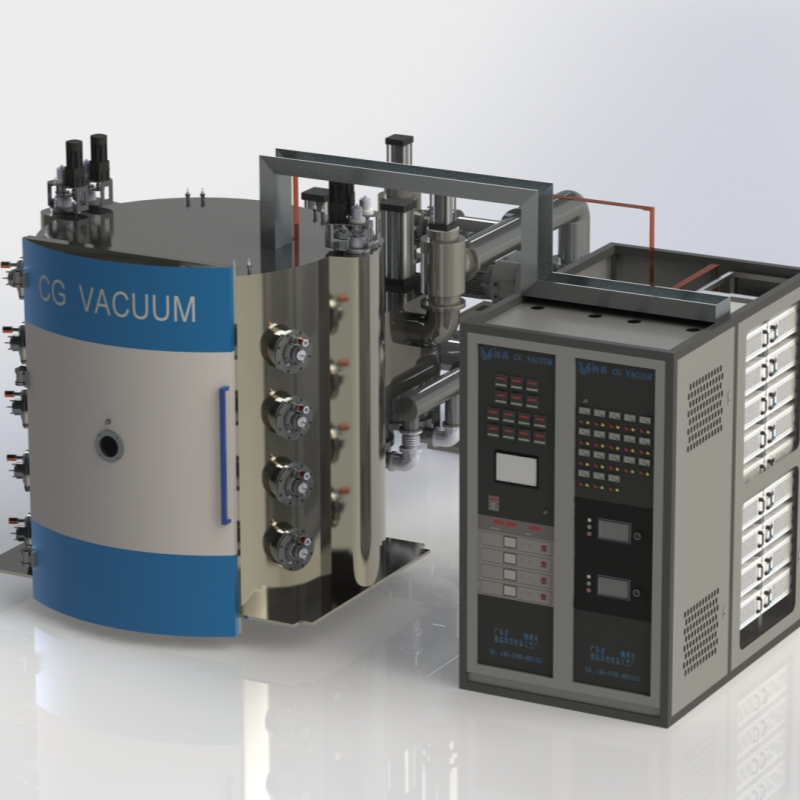
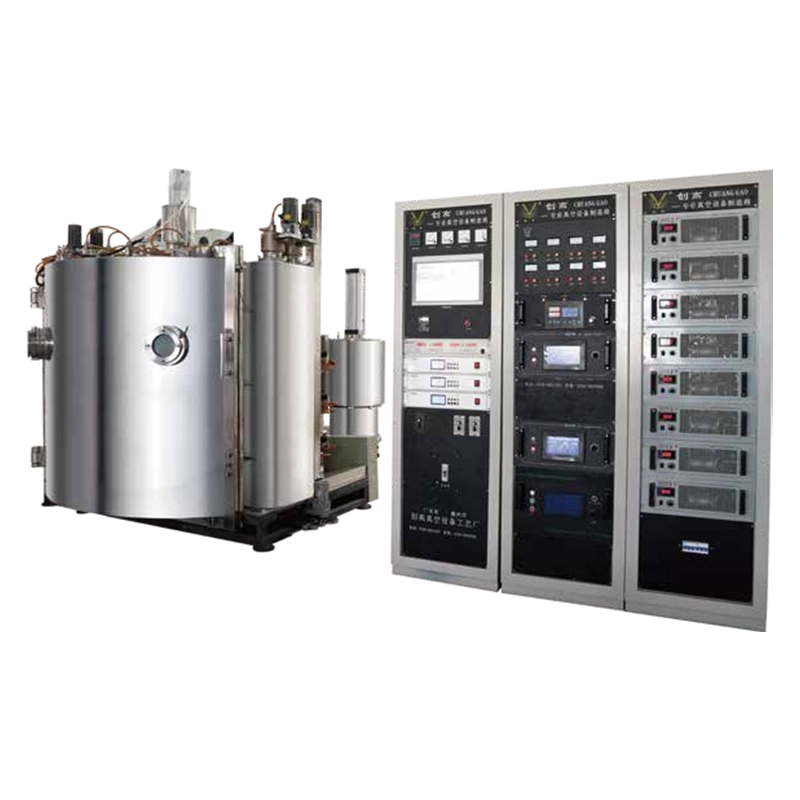
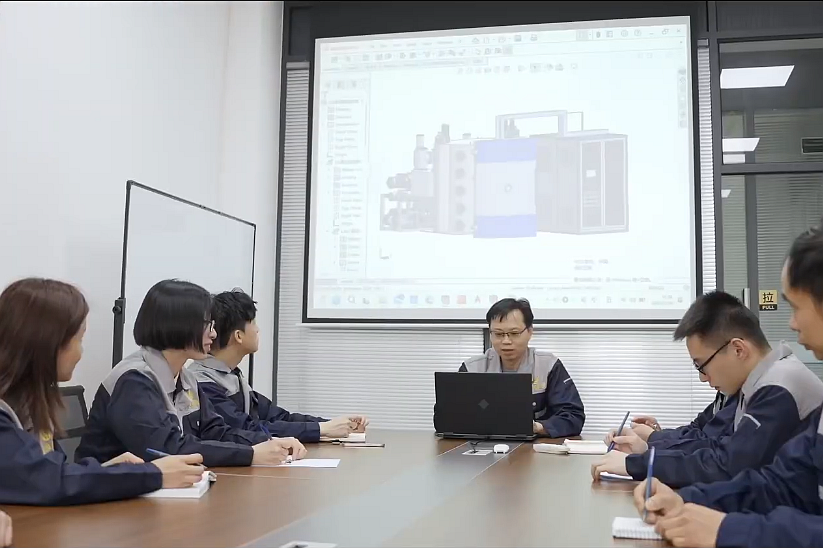
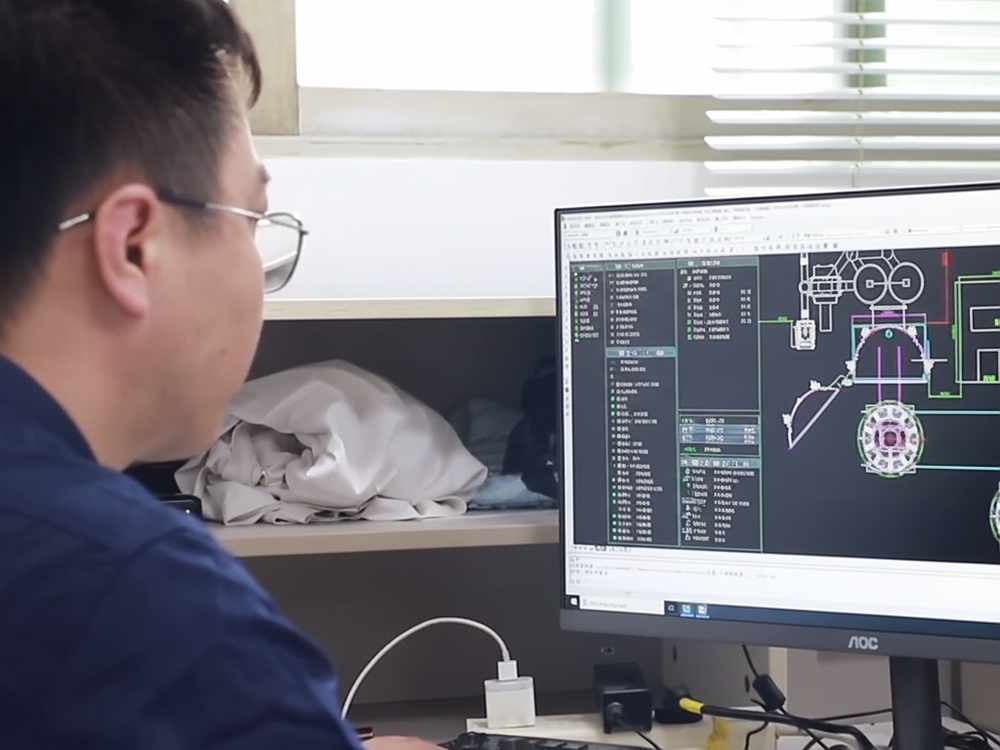
For batch PVD production, color consistency is not simply a matter of adjusting one process parameter. It depends on equipment stability, process control, and production repeatability working together. CGVAC focuses on matching machine configuration with the actual product material, target color, loading method, and production capacity from the early stage of the project, so the system is designed for stable long-term production rather than only achieving a successful single coating run.

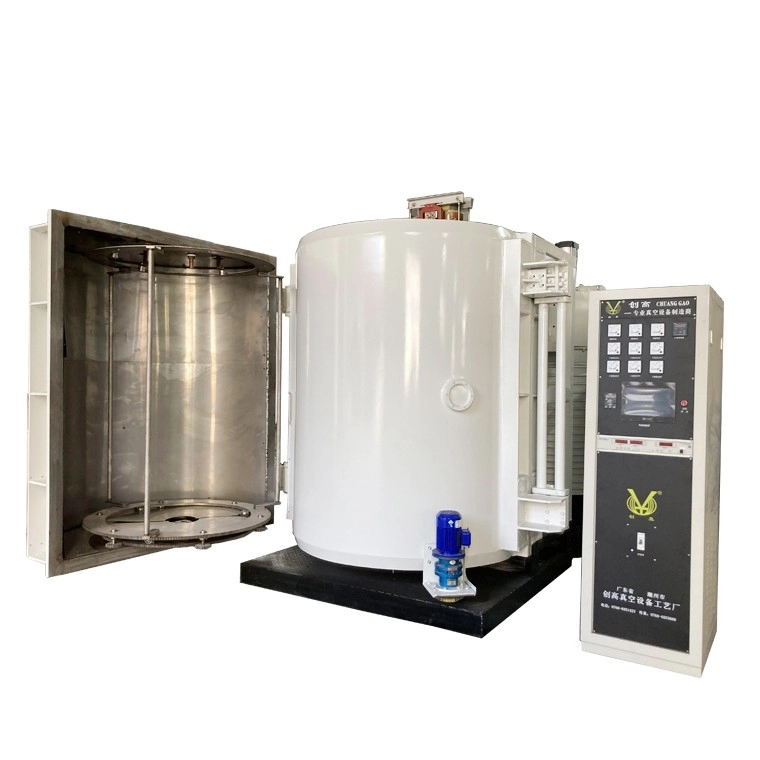
In practical applications, CGVAC can optimize vacuum performance, gas control, target configuration, fixture movement, and process settings to reduce batch-to-batch color variation caused by equipment fluctuations. Sample testing and process validation can also be used before mass production to confirm color, uniformity, and adhesion performance.


Beyond the machine itself, CGVAC combines equipment engineering, process matching, and ongoing technical support. For customers experiencing unstable color, repeated batch differences, or planning a new PVD production line, CGVAC can provide a more application-specific equipment and process solution to improve PVD coating color consistency and reduce repeated adjustment and rework during production.
Conclusion: Consistent PVD Color Comes from Repeatable Production Conditions
PVD coating color variation is rarely caused by one isolated factor. Substrate preparation, vacuum conditions, gas flow, target condition, film thickness, loading method, and machine repeatability can all affect batch-to-batch consistency. Improving PVD coating color consistency therefore requires stable, measurable, and repeatable production conditions.
If your production continues to experience color differences, uneven appearance, or unstable batch results, CGVAC can evaluate your product, coating requirements, existing process, and production capacity to provide a more suitable PVD process and equipment configuration. Contacter le CGVAC for project-specific technical support and equipment recommendations.