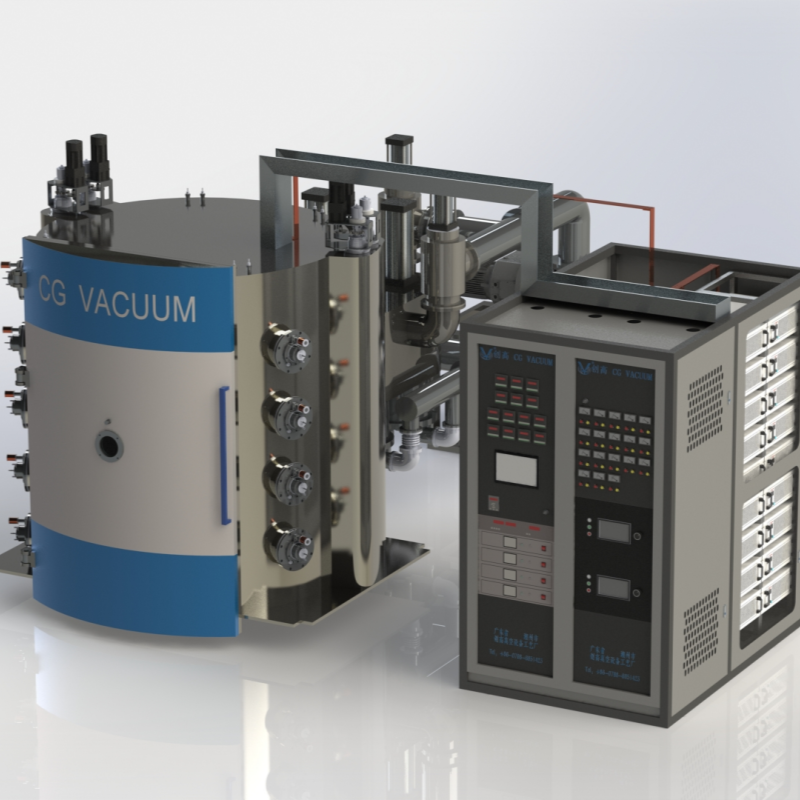
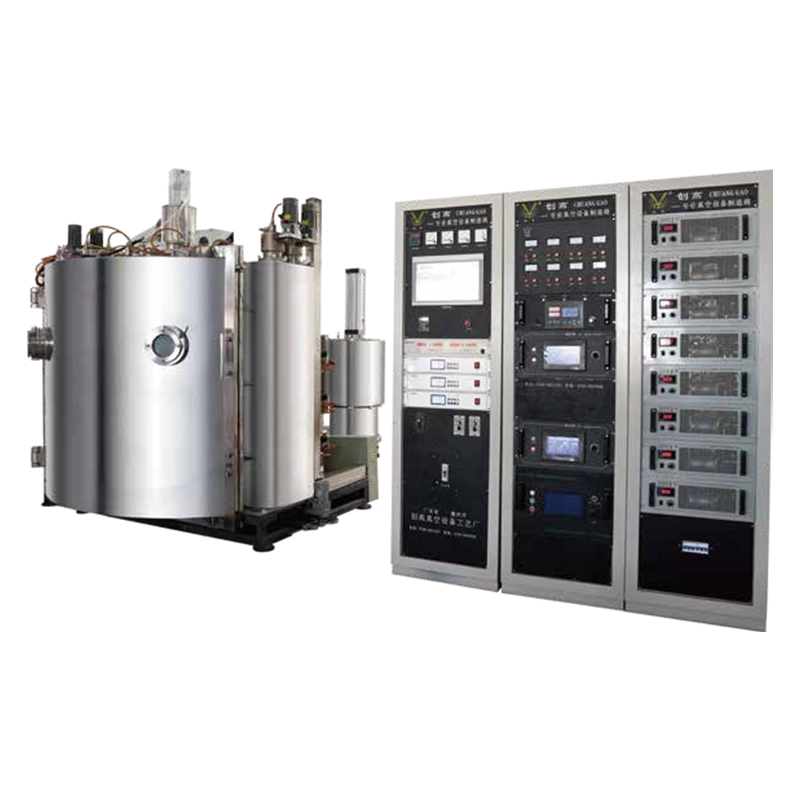
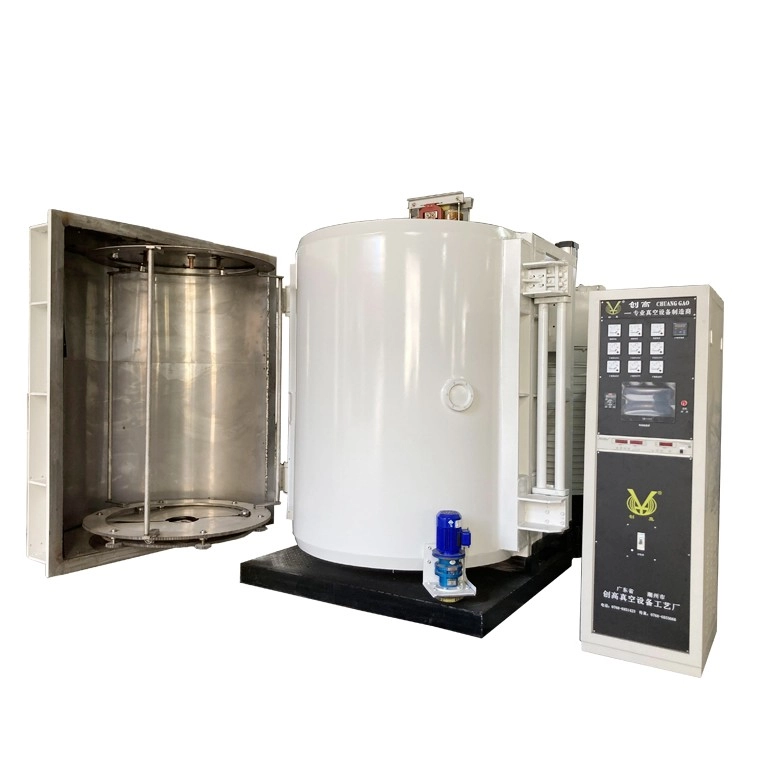
L'écaillage des revêtements PVD est l'un des problèmes de défaillance les plus critiques dans le domaine de la finition des surfaces industrielles. Il affecte non seulement la qualité de l'apparence, mais aussi la durabilité du produit, la résistance à la corrosion et les performances à long terme. Pourquoi le revêtement PVD s'écaille-t-il ? À partir de L'expérience de CGVAC en tant que fabricant de machines de revêtement sous vide PVD, La délamination du revêtement est rarement causée par un seul facteur. Au contraire, il est généralement le résultat d'une défaillance au niveau du système impliquant la préparation du substrat, le contrôle du processus et la stabilité de l'équipement.
Qu'est-ce que l'écaillage d'un revêtement PVD ? Explication de l'échec de l'adhérence
Le revêtement PVD (Physical Vapor Deposition) est un processus sous vide par lequel des atomes sont déposés sur la surface d'un substrat pour former un film fonctionnel mince. En cas de décollement, le revêtement n'est pas simplement endommagé. Il s'agit d'un défaut d'adhésion à l'interface atomique.
Les principaux types de défaillance sont les suivants :
- Défaillance interfaciale entre le revêtement et le substrat
- Défaut de cohésion dans la couche de revêtement
Dans la production industrielle, la défaillance interfaciale est le type le plus courant et indique souvent des problèmes liés au processus ou à l'équipement.
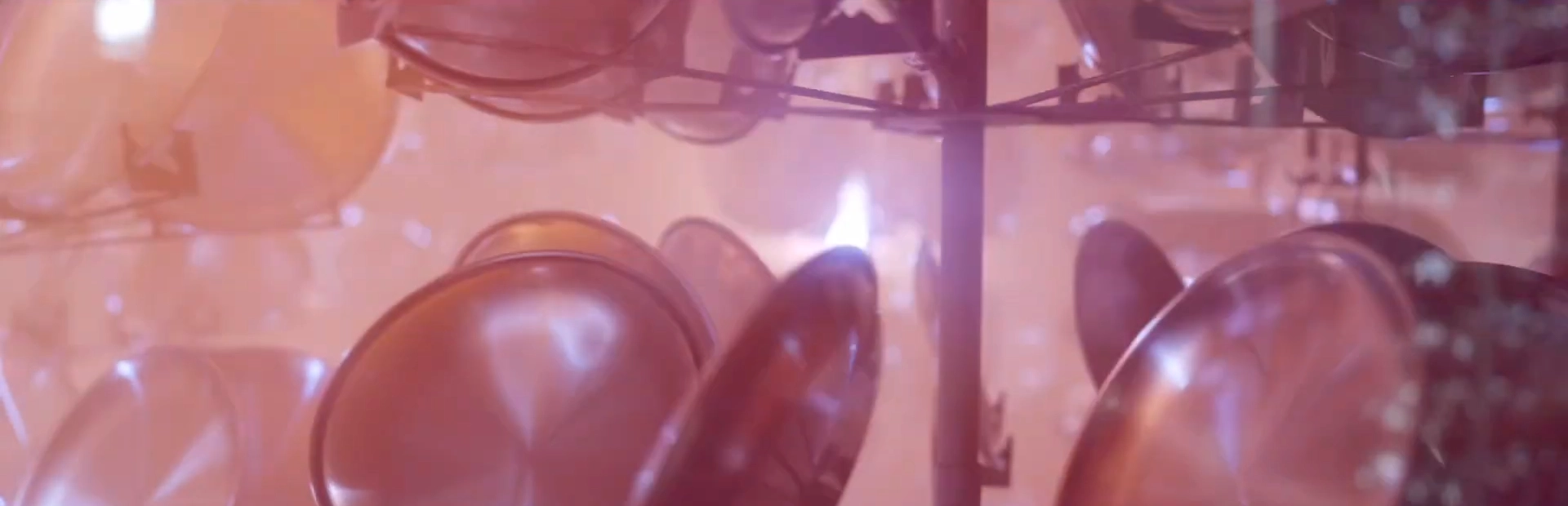
Pourquoi le revêtement PVD s'écaille-t-il ? Causes profondes et mécanismes de défaillance
Mauvaise préparation de la surface du substrat
Plus de la moitié des problèmes d'écaillage des revêtements dans les environnements de production sont liés à des problèmes de préparation de la surface. Les problèmes les plus courants sont les suivants
- Contamination par l'huile, la cire de polissage ou les couches d'oxydation
- Procédés de nettoyage incomplets, tels que le nettoyage par ultrasons ou le dégraissage
- Gravure ionique insuffisante avant le dépôt
Ces contaminants forment une couche barrière microscopique qui empêche la liaison au niveau atomique entre le revêtement et le substrat. Il en résulte une faible adhérence dès le début du processus.
Compatibilité des matériaux et contraintes thermiques
Même si la préparation de la surface est correcte, l'échec du revêtement peut toujours se produire en raison de l'inadéquation des matériaux. Les facteurs clés sont les suivants :
- Inadéquation des coefficients de dilatation thermique
- Différences de dureté entre le revêtement et le substrat
- Mauvaise conception du revêtement multicouche
Ces problèmes génèrent des contraintes internes pendant le refroidissement, ce qui peut entraîner des fissures ou des décollements.
Instabilité des processus et des équipements
La qualité du revêtement PVD est très sensible à la stabilité du processus et de l'équipement. Les principaux facteurs sont les suivants
- Niveau de vide insuffisant entraînant une contamination par l'oxygène et l'humidité
- Mauvais contrôle de la tension de polarisation conduisant à des revêtements poreux ou trop sollicités
- Vitesse de dépôt instable affectant la densité du film
- L'instabilité du plasma entraîne une distribution inégale de l'énergie
Ces problèmes se traduisent par une qualité de revêtement irrégulière et des performances d'adhérence instables.
Comment diagnostiquer les causes du décollement du revêtement PVD ?
Analyse de la morphologie des défaillances
- Le décollement des bords indique une concentration de contraintes
- Un décollement de grande surface indique une contamination interfaciale.
- Les défaillances ponctuelles indiquent une instabilité localisée du processus
Méthodes d'essai en laboratoire
- Analyse SEM pour l'observation de la structure de l'interface
- Analyse EDS pour la détection de la contamination par l'oxygène et le carbone
- Tests d'adhérence, y compris le test de grattage, le test de hachures croisées et le test de Rockwell
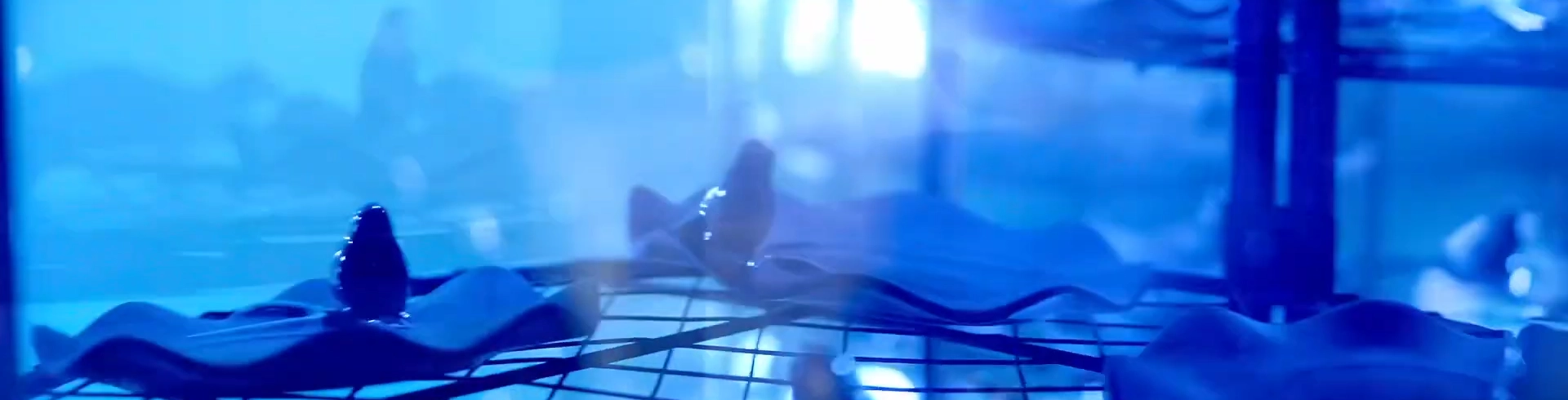
Pourquoi la machine d'enduction sous vide détermine-t-elle la stabilité de l'enduction ?
Dans la production industrielle, le processus définit la limite inférieure, tandis que l'équipement définit la limite supérieure. Même avec des paramètres optimisés, un équipement instable peut toujours entraîner une défaillance du revêtement.
Les limitations courantes de l'équipement sont les suivantes
- L'instabilité du système de vide est à l'origine de la variation des lots
- Distribution non uniforme du plasma entraînant une densité inégale du revêtement
- Une mauvaise maîtrise de l'énergie entraîne un stress interne incontrôlé
- La faible stabilité opérationnelle à long terme affecte la répétabilité
Comment CGVAC résout-il systématiquement le décollement du revêtement PVD ?
Dans les applications industrielles de revêtement sous vide, l'écaillage du revêtement n'est pas un problème lié à un seul procédé. Il s'agit d'une inadéquation du système entre la stabilité de l'équipement, le contrôle de l'énergie et la répétabilité du processus. Une solution de revêtement fiable doit intégrer la stabilité de l'équipement, du processus et de la production.
Limites des systèmes conventionnels de dépôt en phase vapeur (PVD)
De nombreux systèmes PVD traditionnels ne parviennent pas à maintenir une stabilité d'adhésion à long terme en raison de limitations structurelles. Les problèmes typiques sont les suivants :
- Environnement instable sous vide et contamination par des gaz résiduels
- Distribution non uniforme de l'énergie du plasma
- Contrôle limité de la fenêtre du processus et reproductibilité médiocre
Ces limitations rendent difficile une production de masse stable.
Avantages du système de revêtement PVD CGVAC
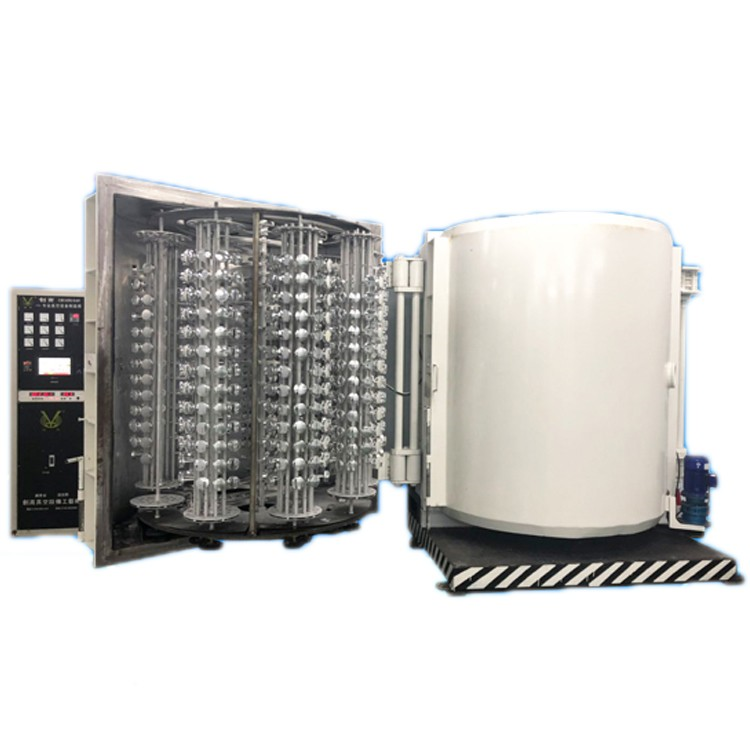
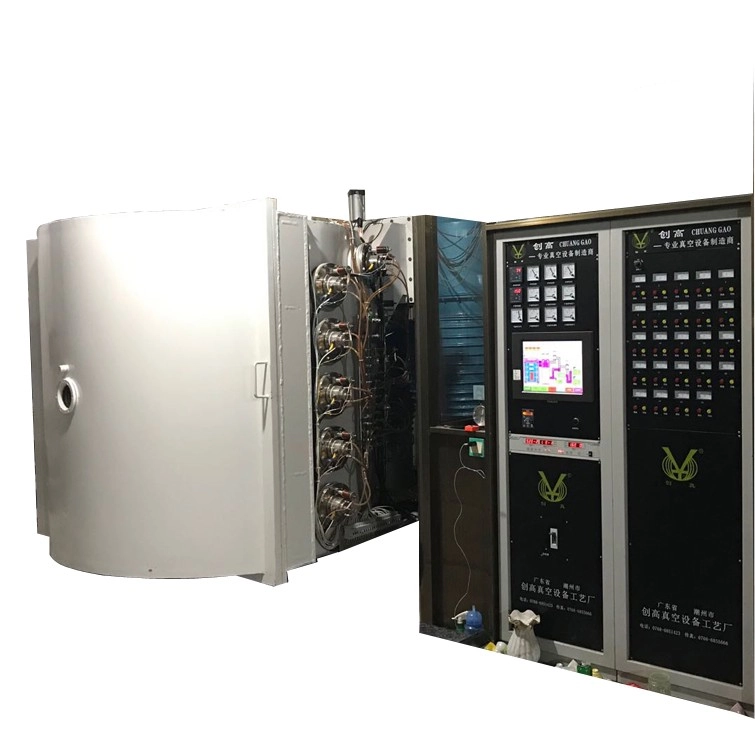
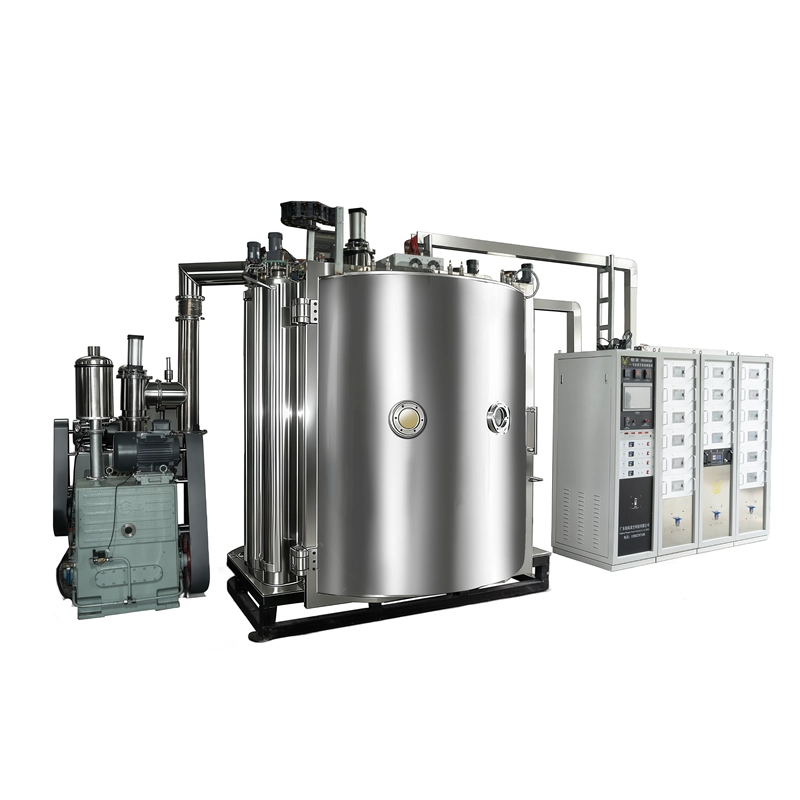
En tant que fabricant professionnel de machines de revêtement PVD, CGVAC fournit des solutions au niveau du système pour améliorer la stabilité et l'adhérence des revêtements.
Architecture à vide à haute stabilité
L'amélioration de l'étanchéité de la chambre et le contrôle du vide réduisent la contamination et améliorent la qualité de l'interface.
Source de pulvérisation magnétron à haute densité
L'uniformité optimisée du plasma améliore la densité du film et la cohérence de la structure.
Système de contrôle précis de la polarisation et de l'énergie
Le contrôle stable de l'énergie ionique réduit les contraintes internes et améliore la durabilité du revêtement.
Conception de la stabilité de la production industrielle
Garantit l'homogénéité d'un lot à l'autre et la stabilité opérationnelle à long terme.
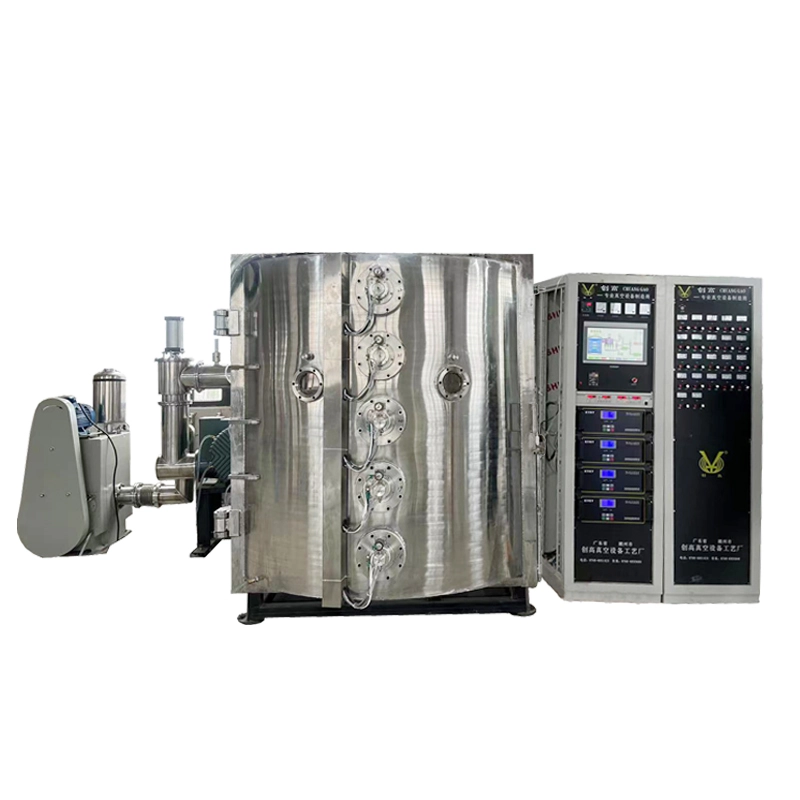
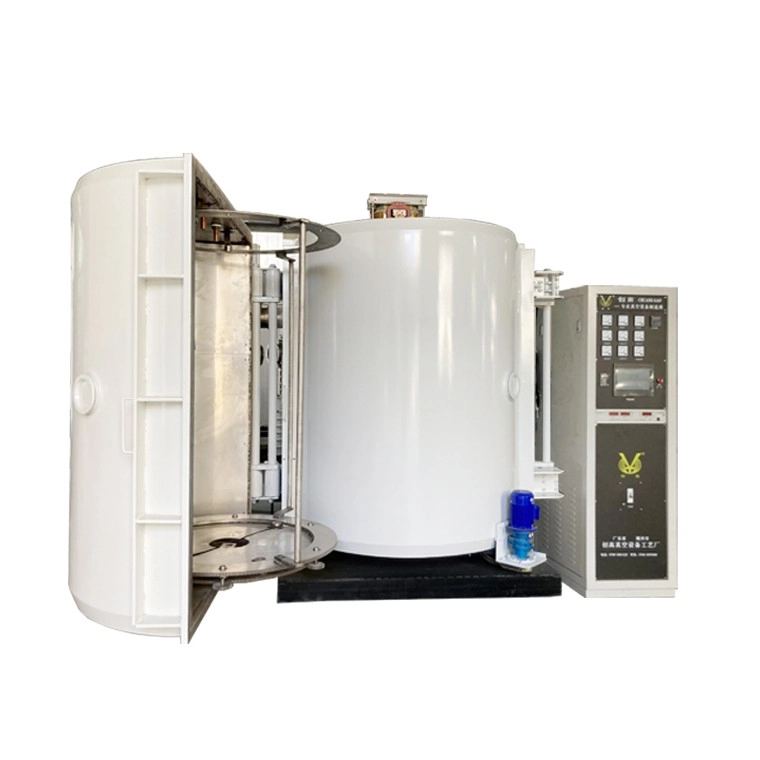
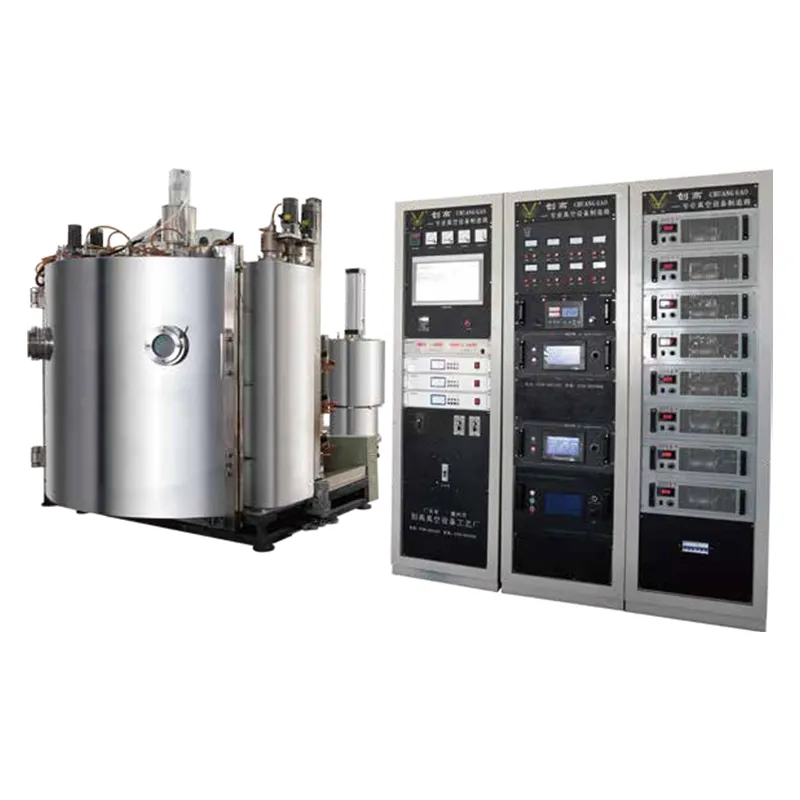
Du fournisseur d'équipement au fournisseur de solutions de systèmes
CGVAC fournit non seulement des équipements mais aussi des solutions complètes de revêtement PVD.
Les services comprennent
- Large gamme de machines de revêtement sous vide
- Optimisation des processus et assistance technique
- Conception de solutions de revêtement pour des applications spécifiques
- Intégration d'une ligne de production clé en main
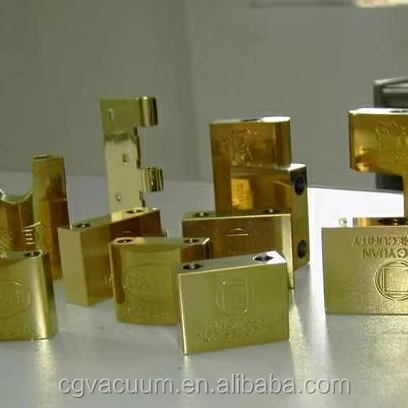
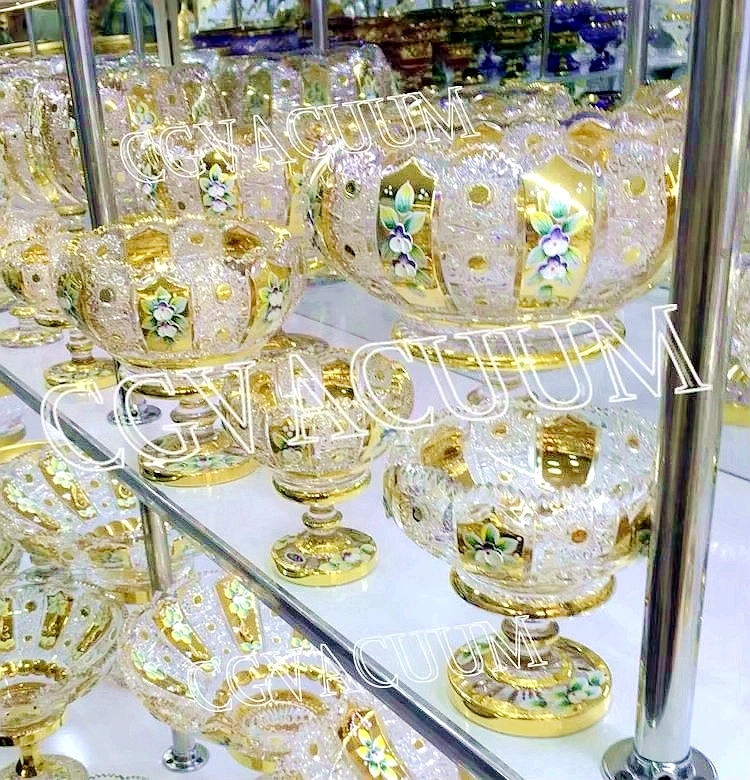
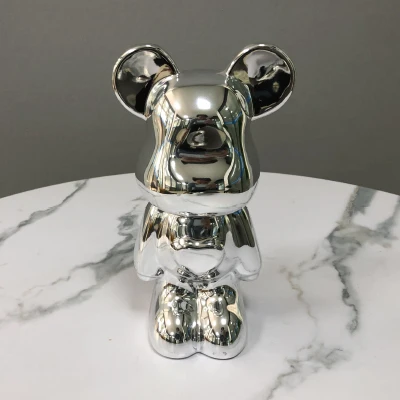
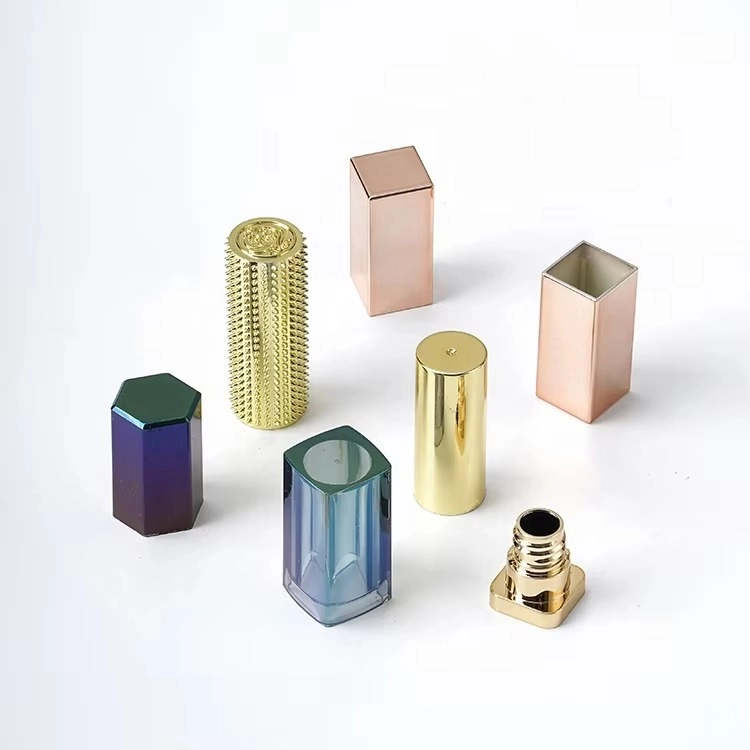
Applications de la machine de revêtement PVD Parmi les produits concernés, citons les articles sanitaires, les bijoux et les perles, les céramiques, les produits en acier inoxydable, la quincaillerie, l'électronique, le verre et les plastiques. La proposition de valeur passe d'une capacité de revêtement à une capacité de production industrielle de masse stable.

Conclusion
L'écaillage des revêtements PVD est un problème d'ingénierie des systèmes plutôt qu'un défaut à facteur unique. Il est généralement dû à la combinaison de problèmes de préparation du substrat, d'instabilité du procédé et de limitations de l'équipement. Une production industrielle stable de PVD nécessite un équipement de haute performance, un contrôle de processus standardisé et une conception d'ingénierie de système.
Si vous rencontrez des problèmes de décollement du revêtement, d'adhérence instable ou d'incohérence de la production, CGVAC peut vous aider à évaluer votre processus et vous recommander des solutions de revêtement sous vide adaptées. Contactez nous pour une assistance technique ou une consultation sur l'équipement