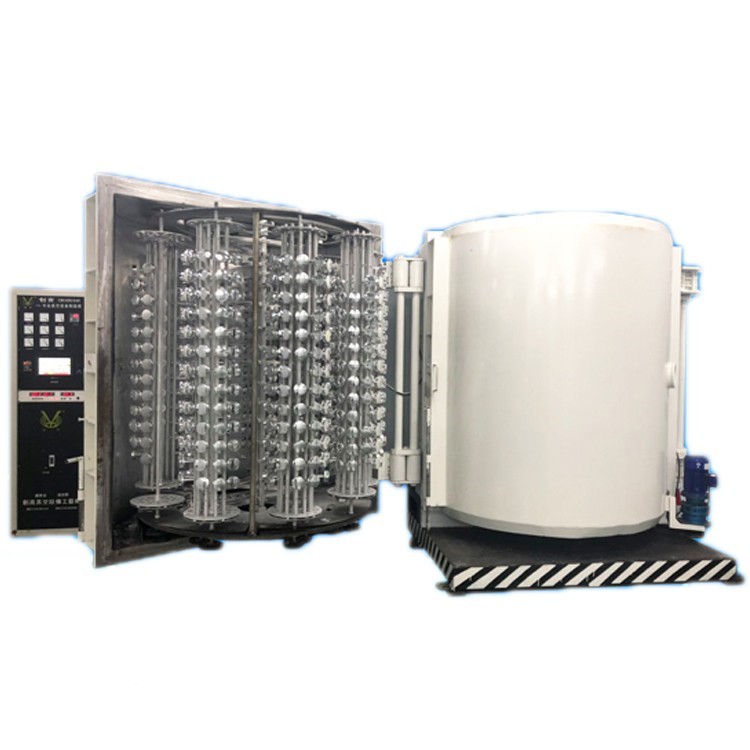
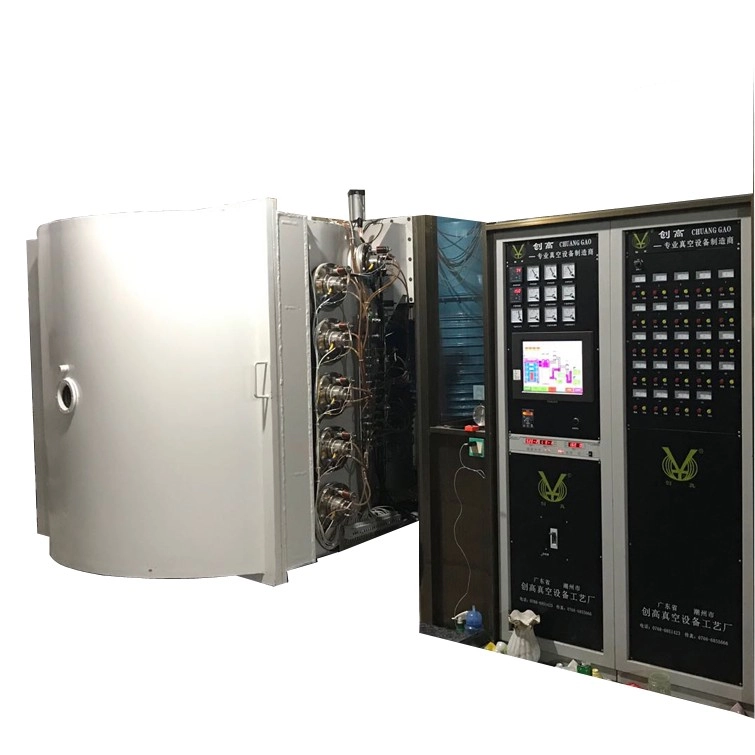
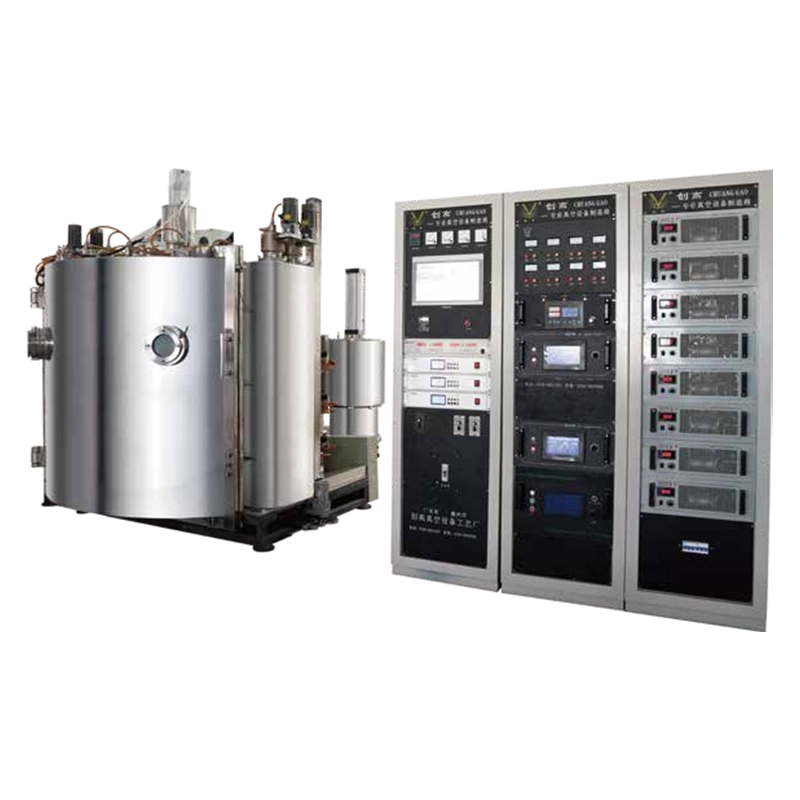
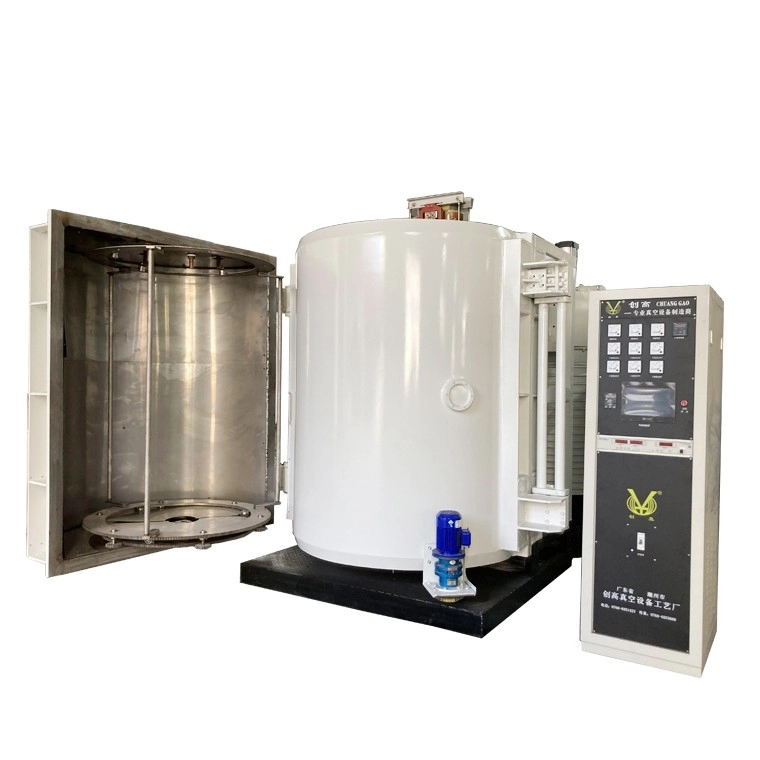
PVD coating thickness is typically measured in microns (µm), and many industrial PVD coatings fall within roughly 1–5 µm. However, there is no single correct thickness for every product. Decorative coatings may be below 2 µm, while functional and wear-resistant coatings often require thicker film structures depending on the material and performance target.
The right thickness should balance appearance, adhesion, wear resistance, substrate characteristics, and production efficiency. For stable production, PVD film thickness must also remain uniform from part to part and batch to batch. CGVAC combines process matching, equipment configuration, fixture design, and sample validation to help translate a target thickness into a repeatable coating process.
How Thick Should a PVD-Beschichtung Be?
When determining PVD coating thickness, there is no single value suitable for every product. The appropriate PVD coating thickness range depends on the coating purpose, substrate, required appearance, wear resistance, and working conditions. Decorative coatings are generally thinner, while functional and wear-resistant coatings often require thicker film structures.
| Beschichtungsart | Typical Thickness Reference | Main Requirement |
|---|---|---|
| Decorative PVD Coating | About 0.2–2.0 µm | Color, appearance, surface uniformity |
| General Functional PVD | About 1–5 µm | Wear resistance, friction control, surface protection |
| TiN / ZrN-Type Coatings | Commonly around 2–6 µm in some industrial systems | Hardness, wear resistance, functional performance |
| DLC-Beschichtungen | Commonly around 2–5 µm | Low friction and wear resistance |

Therefore, when asking how thick a PVD coating should be, the goal should not be to maximize thickness, but to determine a suitable thickness for the actual application. The coating material, substrate, product geometry, deposition process, and performance requirements should be evaluated together.
CGVAC can match the deposition technology, equipment configuration, fixtures, and process parameters to the required PVD coating thickness, helping customers achieve the target film thickness while maintaining coating uniformity, adhesion, and production stability.
PVD Coating Thickness for Different Applications
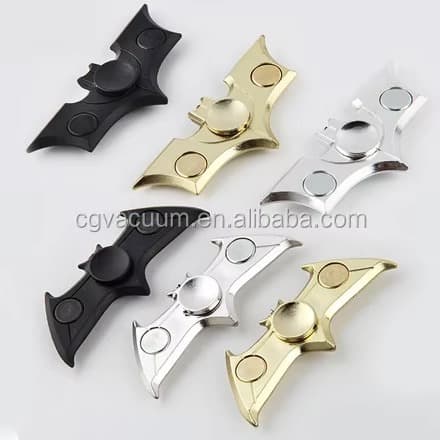
Different products place different demands on PVD coating thickness. Even when the same coating material is used, the target thickness can change with substrate, surface condition, product geometry, and service environment. The key point is that there is no single PVD coating thickness range for every application. CGVAC can evaluate the substrate, coating purpose, product geometry, and performance requirements, then match the process and machine parameters to a more suitable target thickness.
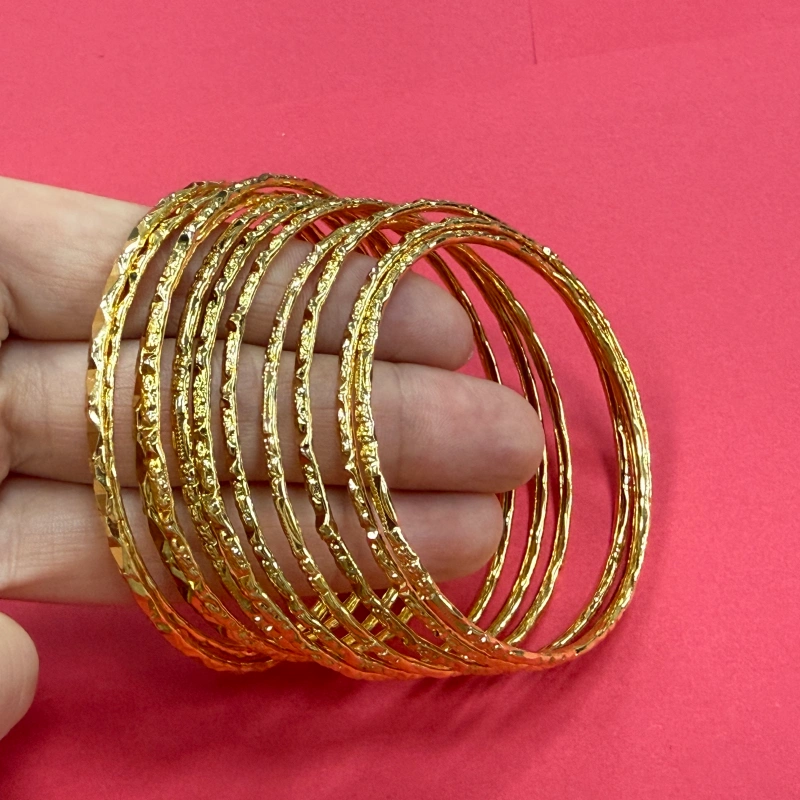
- Jewelry & Decorative Products: These applications usually use relatively thin coatings and focus more on color, brightness, surface quality, and consistency. Stable deposition is often more important than simply increasing thickness.
- Stainless Steel & Sanitary Ware: The required thickness depends on whether the coating is mainly decorative or must also provide additional wear and corrosion resistance. Faucets, hardware, tableware, and decorative stainless steel may therefore require different coating structures.
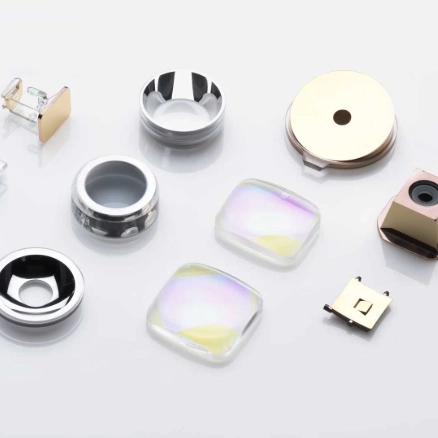
- Ceramics & Glass: Surface condition, adhesion, and final decorative effect should be considered together. The target PVD film thickness needs to match the substrate and pretreatment process.
- Plastic Products: In addition to thickness, buyers should pay attention to substrate temperature resistance, surface preparation, and adhesion. A suitable coating structure must avoid damaging the plastic while maintaining the required appearance.
- Tools & Functional Components: These applications focus more on hardness, friction, wear resistance, and service life, so functional coatings usually require a more carefully controlled micron-level thickness based on the working load and coating system.


What Affects PVD Coating Thickness and Performance?
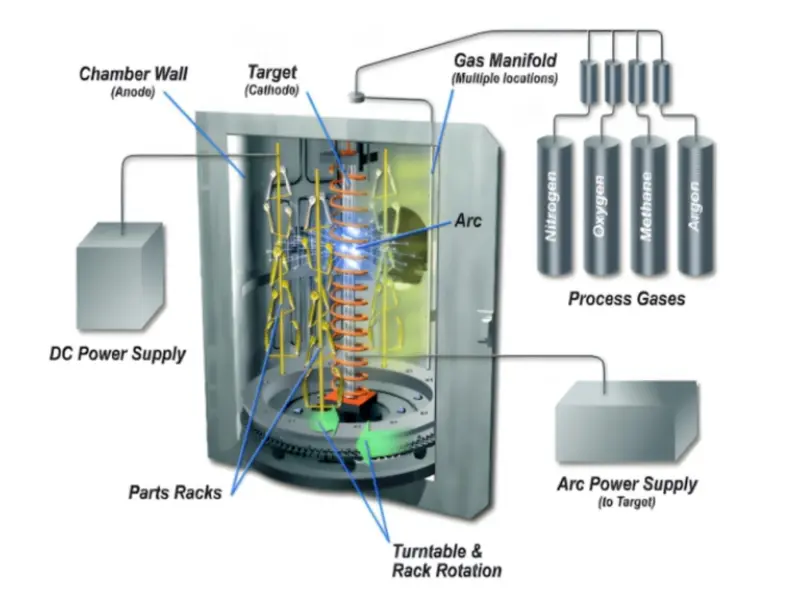
Achieving a target thickness requires more than extending deposition time. Several process and equipment factors work together:
| Faktor | Effect on Coating Thickness |
|---|---|
| Deposition Time | Longer deposition generally increases thickness, but only when other process conditions remain stable. |
| Deposition Rate | Different coating technologies, materials, and power settings produce different film growth rates. |
| Target Material | Ti, Cr, Zr, carbon, and other coating materials require different deposition conditions. |
| Power & Gas Control | Power, process pressure, and reactive gas affect deposition rate and film formation. |
| Product Geometry & Fixtures | Shape, position, and rotation affect how evenly the film reaches different surfaces. |
| Machine Repeatability | Stable vacuum, power, gas flow, and recipe execution help maintain consistent thickness between batches. |
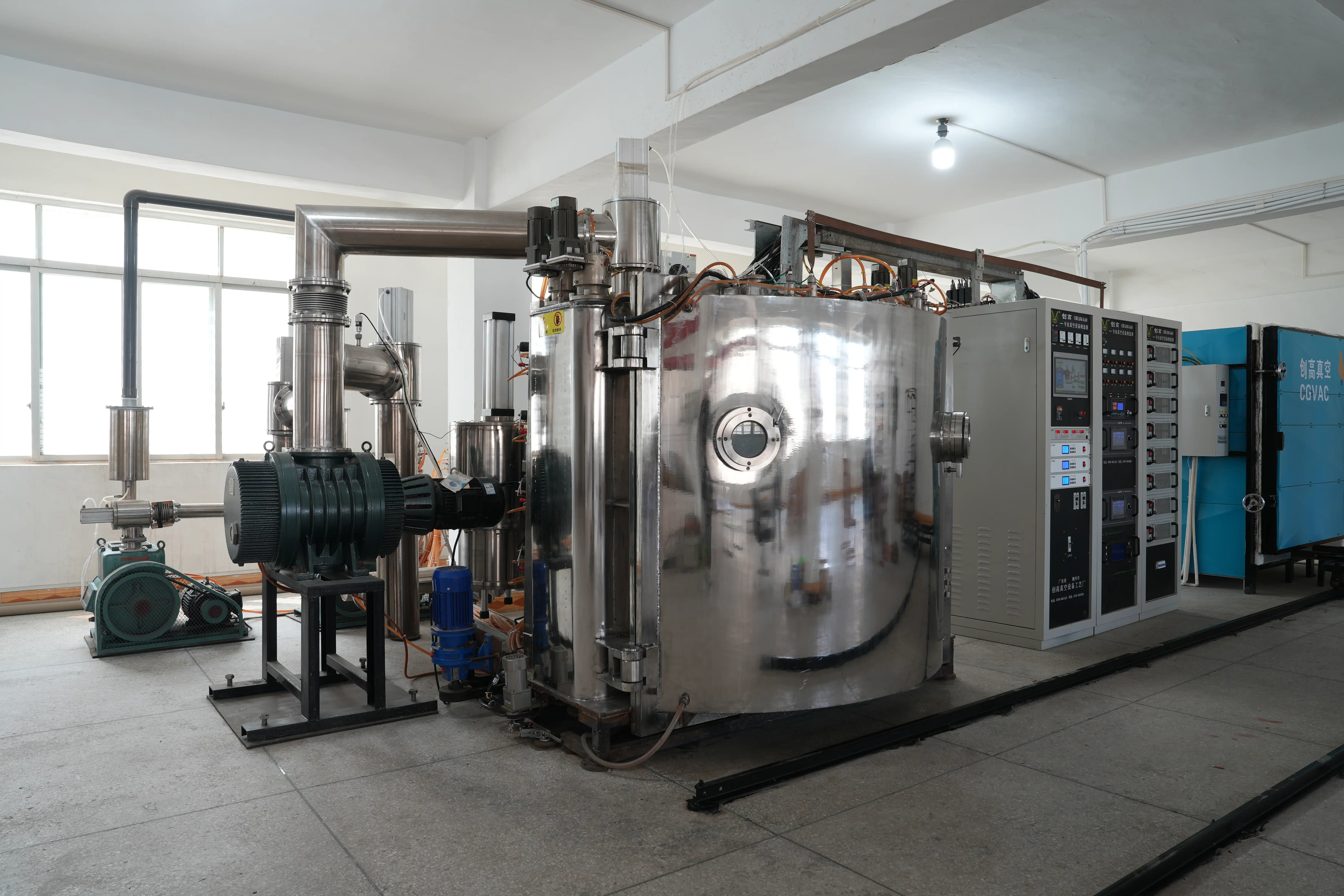
Thickness should remain within a suitable range rather than simply being increased. If the coating is too thin, coverage and wear performance may be insufficient; if it is too thick, processing time, coating cost, internal stress, and adhesion risk may increase. The real target is to balance PVD coating thickness, adhesion, uniformity, performance, and production efficiency.
This is where CGVAC adds value as a PVD coating machine manufacturer. By matching the deposition source, vacuum system, gas control, fixture movement, and process parameters to the required coating result, CGVAC helps reduce local thickness differences and batch-to-batch variation, making the target PVD coating thickness easier to reproduce in stable production.
How to Control PVD Coating Thickness in Production
Stable PVD coating thickness in production depends on more than adjusting deposition time. The coating process, machine control, fixture design, and product loading must work together to keep thickness uniform and repeatable.
For production projects, buyers should focus on four points:
- Process Matching: Select the deposition method and parameters according to the substrate, coating material, and target thickness.
- Machine Repeatability: Keep vacuum, power, gas flow, and deposition conditions stable between batches.
- Fixture & Uniformity Control: Match fixture design and product movement to the actual geometry to reduce local thickness differences.
- Sample & Thickness Validation: Verify coating thickness, uniformity, adhesion, and surface quality before full production.
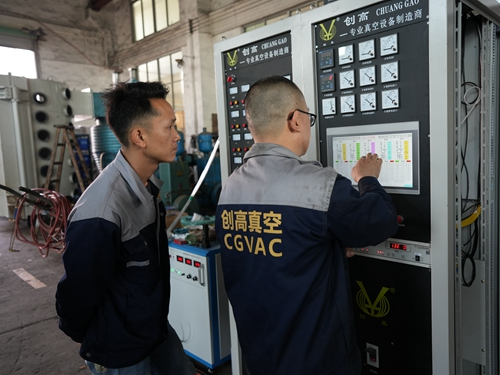
As a professional PVD and vacuum coating machine manufacturer, CGVAC controls PVD coating thickness by matching the deposition process, machine configuration, target layout, fixtures, and operating parameters to the actual product. Sample validation, machine testing, and process setup are used to verify thickness and uniformity before stable production, helping turn the target coating specification into a repeatable production result.

How CGVAC Helps Control PVD Coating Thickness
CGVAC approaches PVD coating thickness control from the perspective of process stability rather than simply increasing deposition time. According to the target film thickness, coating material, substrate, and production requirements, the deposition rate, process time, power, gas flow, and bias can be coordinated to achieve the required thickness while maintaining coating quality and production efficiency.
For products with complex shapes or multiple surfaces, CGVAC can further optimize target positioning, chamber layout, fixture movement, and product rotation to improve coating coverage and reduce local thickness differences. Stable control of vacuum, power, gas flow, and deposition conditions also helps keep PVD coating thickness more consistent between production batches.
As a professional PVD coating machine manufacturer, CGVAC also carries out machine and process testing before delivery, including vacuum performance, equipment operation, coating stability, and actual coating results. This gives customers a more reliable production foundation and helps turn the required coating thickness into a more repeatable and efficient manufacturing process.

Conclusion: Plan Your PVD Coating Project with CGVAC
The right PVD coating thickness should ultimately serve the product’s actual performance, appearance, and production goals. If you are planning a new coating project or optimizing an existing process, CGVAC can help you define a clearer technical direction based on your application requirements.
Send CGVAC your product photos, material, coating type, target thickness, performance requirements, and production capacity. Our team can evaluate your project and provide a suitable PVD-Beschichtungsmaschine configuration and quotation.