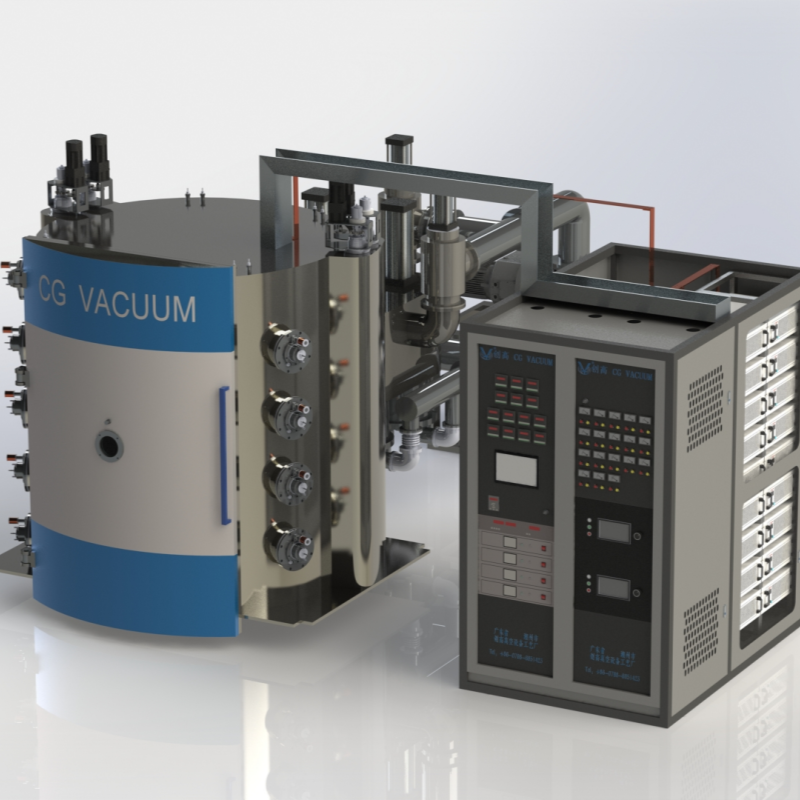
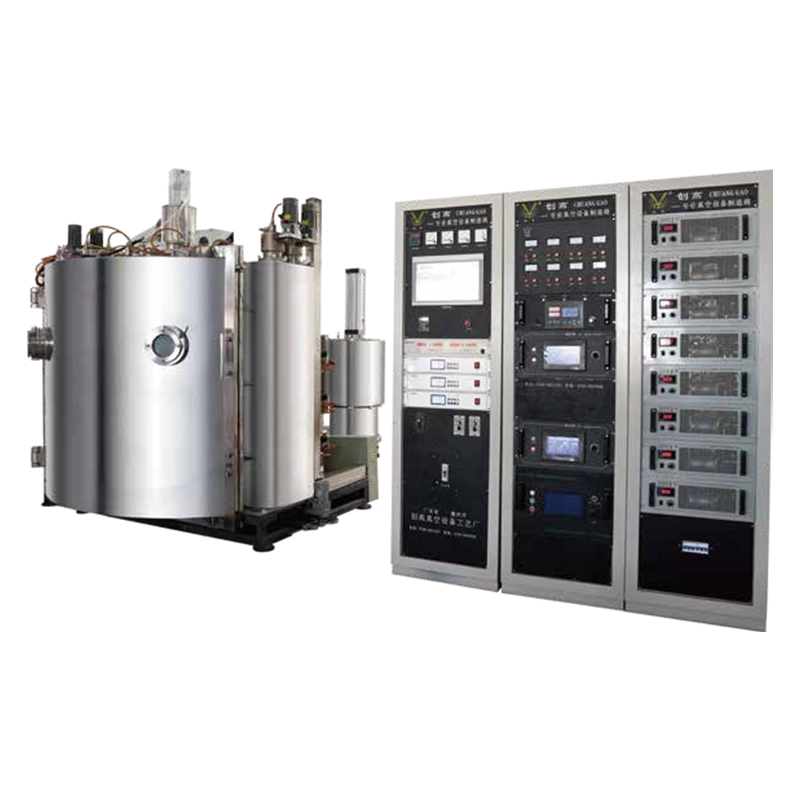
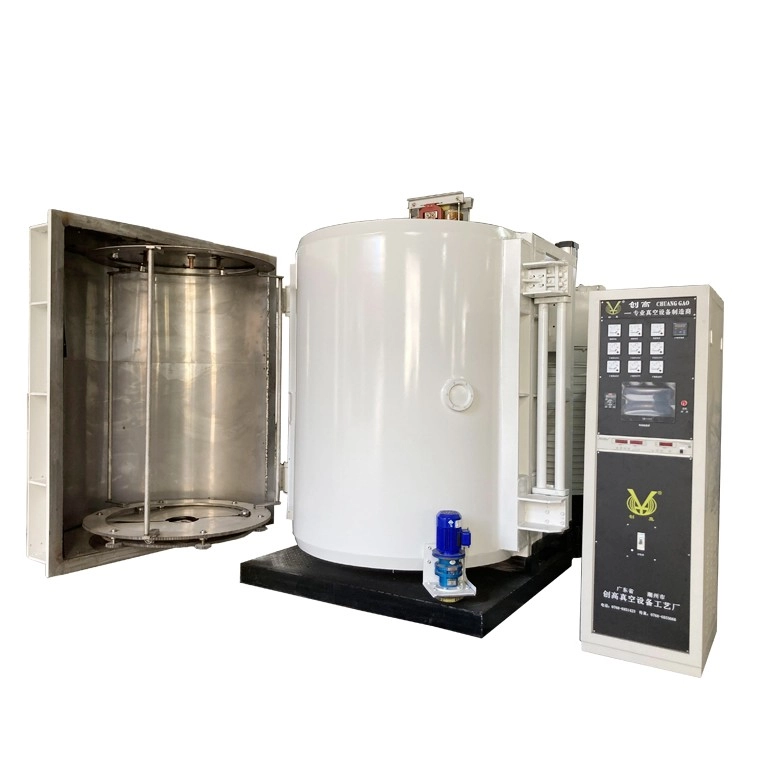
Ceramic tile manufacturers looking to add metallic finishes or higher-value surface treatments need more than a coating machine with a large chamber. The right PVD coating machine for ceramic tiles needs to match the tile material, surface structure, coating objective, production capacity, and required finish. For this reason, choosing a tile coating machine should begin with the product and process requirements—not simply with the machine model.
Start With the Tile and Its Surface Requirements
The first question is not which PVD technology to buy, but what type of tile needs to be coated and what surface result is expected.
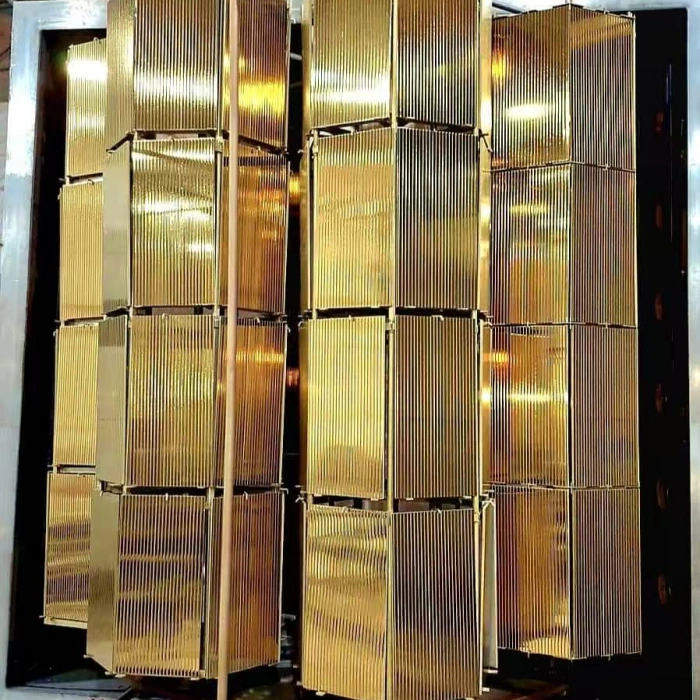
Ceramic and porcelain tiles can have different surface structures. A glazed tile, polished porcelain tile, embossed decorative tile, or ceramic roof tile may require different solutions in terms of fixture design, surface preparation, coating coverage, and process control.
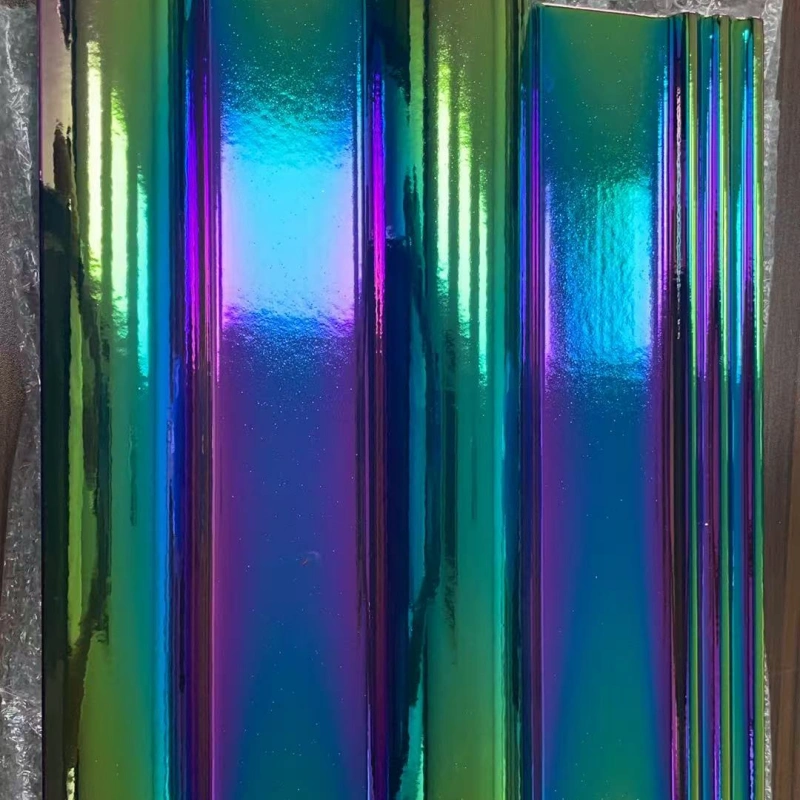
The desired finish also plays an important role. A manufacturer producing metallic gold or silver decorative tiles may require a different equipment configuration compared with a manufacturer developing black, gunmetal, or customized finishes.
A suitable tile PVD coating machine should be selected around the production application rather than treated as a standard piece of equipment.
Choose the PVD Technology According to the Coating Objective
After defining the tile requirements, the next step is selecting the appropriate deposition technology.
There is no single PVD process that is automatically suitable for every ceramic tile application. Different technologies have different characteristics, and the best choice depends on coating performance requirements, product geometry, appearance goals, and production conditions.
Magnetron Sputtering for Controlled and Uniform Decorative Films
Magnetron-Sputtern uses plasma to eject atoms from a target material and deposit them onto the substrate surface. This technology provides excellent control over film deposition and is widely used for decorative and functional thin films.
For ceramic tile applications, magnetron sputtering can be considered when manufacturers require controlled film thickness, smooth surface appearance, and good coating uniformity.
However, the final coating performance depends on more than the sputtering source itself. Factors such as target arrangement, fixture design, substrate preparation, gas control, and product geometry can all influence coating consistency.
Multi-Arc Ion Plating for Strong Adhesion and Dense Coatings
Multi-arc ion plating uses cathodic arc discharge technology to generate highly ionized metal plasma. This process is widely used where strong coating adhesion, dense film structures, and high deposition efficiency are required.
For ceramic tile applications, multi-arc ion plating can help manufacturers achieve durable metallic finishes and functional surface improvements.
However, magnetron sputtering and multi-arc ion plating should not be considered a simple comparison of better or worse. The suitable technology depends on the specific product requirements and expected coating performance.
In some cases, manufacturers may require customized solutions combining different PVD technologies to achieve the desired result.
Pay Attention to Tile Size and Chamber Configuration
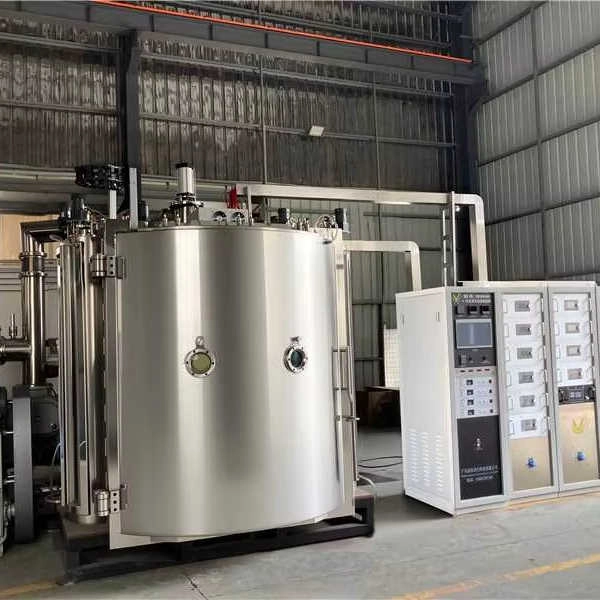
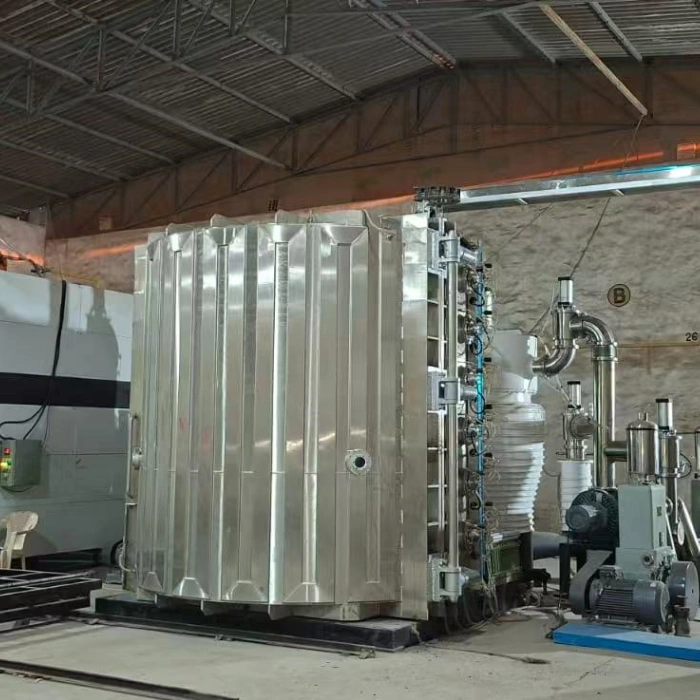
For tile manufacturers, chamber size is not simply about choosing the largest available machine.
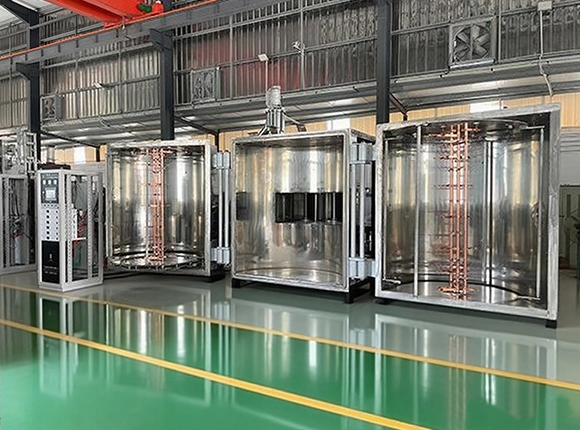
The vacuum chamber needs to match the actual tile dimensions while providing suitable spacing, fixture arrangement, and movement during the coating process.
Large-format tiles, roof tiles, and products with special surface structures may require customized chamber designs to ensure effective coating coverage.
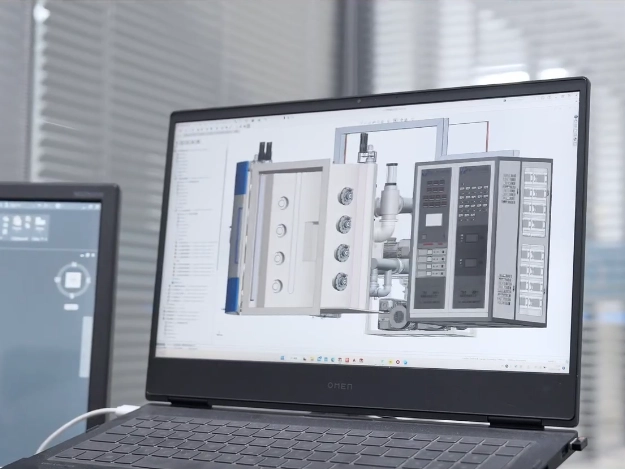
A professional vacuum coating machine manufacturer should evaluate the product size, production requirements, and loading method before recommending the equipment configuration.
Fixture Design Can Affect Coating Uniformity
Fixture design is an important factor in PVD coating production but is often overlooked during equipment selection.
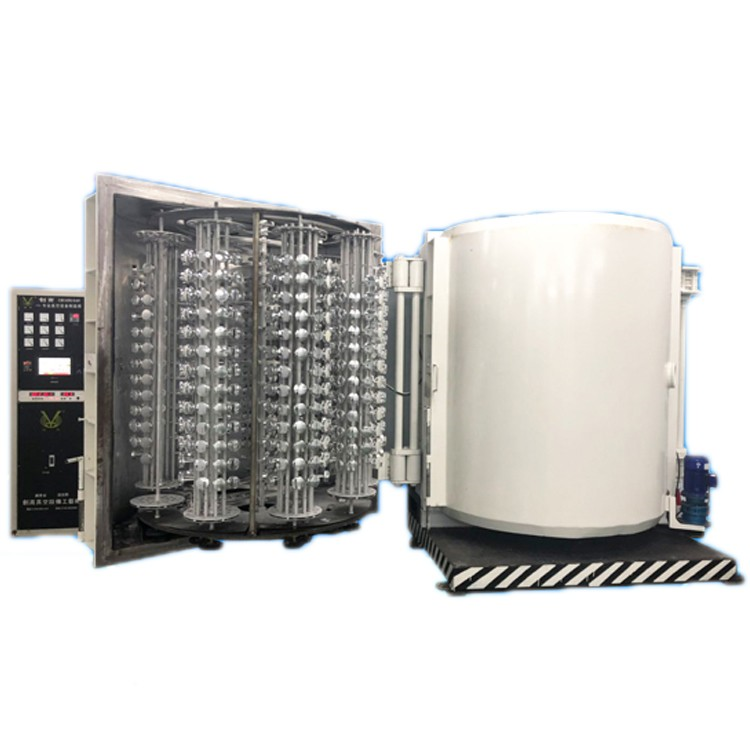
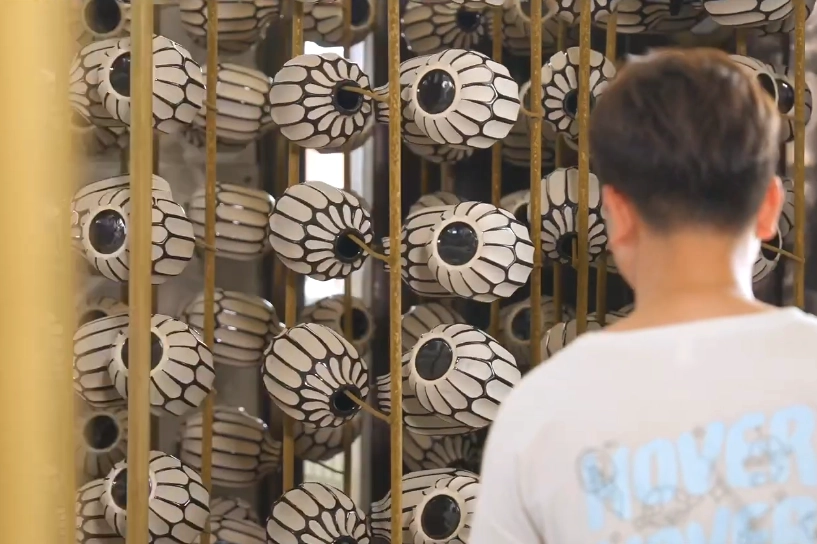
The fixture determines how tiles are positioned inside the chamber and influences how evenly different areas of the product are exposed to the coating source.
For ceramic tiles with grooves, embossed patterns, curved surfaces, or special structures, customized fixture solutions can help improve coating consistency and production efficiency.
Therefore, fixture design should be evaluated together with the vacuum chamber and coating source rather than treated as an additional accessory.
Evaluate the Vacuum System and Process Control
A PVD coating machine operates inside a controlled vacuum environment, making the vacuum system a critical part of coating quality and production stability.
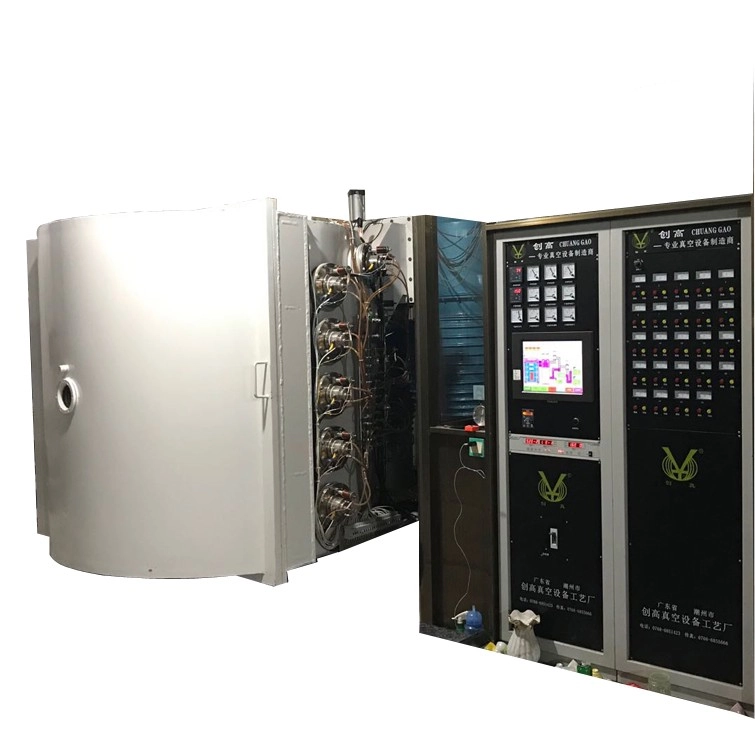
The vacuum chamber, pumping system, vacuum measurement, gas introduction, and process control system work together to create stable deposition conditions.
For reactive PVD processes, accurate gas control is also important because gases such as nitrogen or oxygen may influence the composition and characteristics of the deposited film.
When selecting a PVD coating equipment supplier, manufacturers should evaluate not only individual specifications but also whether the complete system can provide stable and repeatable coating performance.
Consider Color Consistency as a Production Requirement
For decorative ceramic tiles, color consistency is often as important as the coating itself.
Manufacturers producing metallic gold, silver, black, or customized finishes need stable production conditions to maintain consistent appearance across different batches.
The final color result is influenced by multiple factors, including target material, coating parameters, substrate surface condition, and process control.
Therefore, sample testing before equipment investment is recommended when manufacturers have strict requirements for decorative effects.
Match Machine Capacity to Your Production Volume
Production capacity is another key factor when selecting a tile PVD coating machine.
A manufacturer producing customized architectural tiles may require a different solution compared with a factory producing high-volume standard ceramic products.
Capacity planning should consider:
- Tile size and loading quantity
- Production cycle time
- Fixture utilization
- Future expansion requirements
The right equipment configuration should balance production efficiency, coating quality, and investment requirements.
Do Not Select the Machine Before Testing the Actual Tile
One of the most practical steps in a PVD equipment project is testing the actual tile before finalizing the machine configuration.
Different ceramic bodies, glaze surfaces, product structures, and coating requirements can influence the final result. A sample test helps manufacturers evaluate whether the selected technology and equipment configuration are suitable.
Testing can help determine:
- Whether the desired metallic finish can be achieved
- How coating coverage performs on the actual tile surface
- Whether the selected technology matches the application
- How fixture positioning affects coating uniformity
- Whether the appearance can be reproduced consistently
How CGVAC Helps Tile Manufacturers Select the Right PVD Coating Machine
Choosing a PVD coating machine for ceramic tile production requires coordination between coating technology and equipment design.
CGVAC evaluates customers’ tile dimensions, product structure, production capacity, and finishing requirements before recommending a suitable equipment configuration.
Als Erfahrener Hersteller von PVD-Beschichtungsanlagen, CGVAC provides customized vacuum coating solutions including:
- Magnetron-Sputter-Beschichtungsanlagen
- Multi-arc ion plating coating machines
- Evaporation coating machines
- Customized PVD coating systems
With professional engineering support and application experience, CGVAC helps ceramic tile manufacturers develop reliable coating solutions based on their specific production goals.
Schlussfolgerung
Die Auswahl des richtigen tile coating machine requires more than comparing equipment specifications. The coating technology, chamber design, fixture structure, vacuum system, process control, and production requirements all influence the final result.
Magnetron sputtering and multi-arc ion plating each have their own advantages, and the best solution depends on the actual ceramic tile application.
If you are planning to introduce PVD coating into ceramic tile production, Kontakt CGVAC with your tile size, substrate information, desired coating effect, and production requirements. Our engineering team can help evaluate a customized ceramic tile PVD coating machine solution for your project.