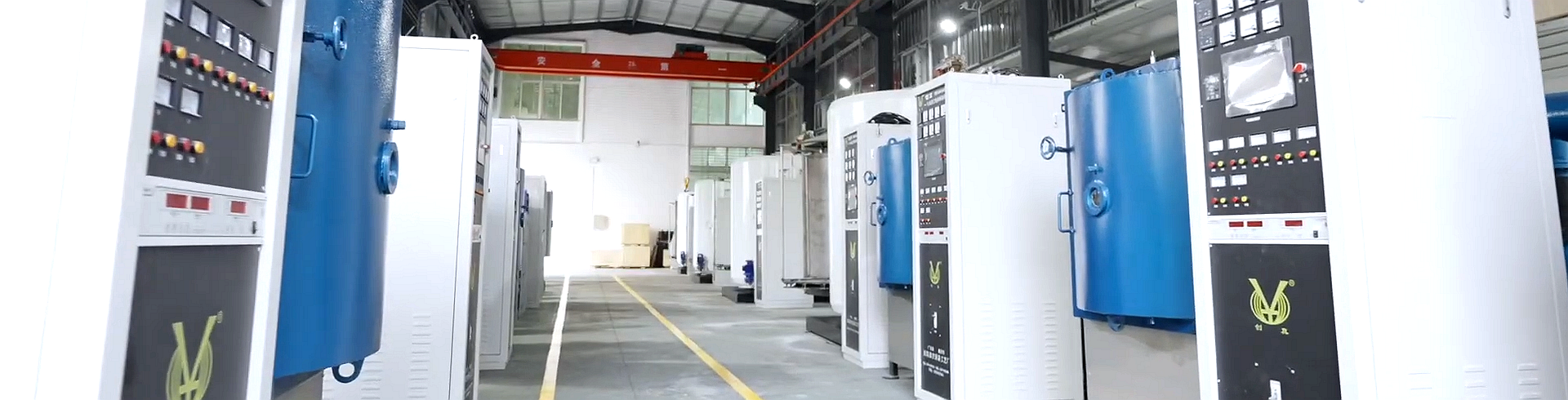
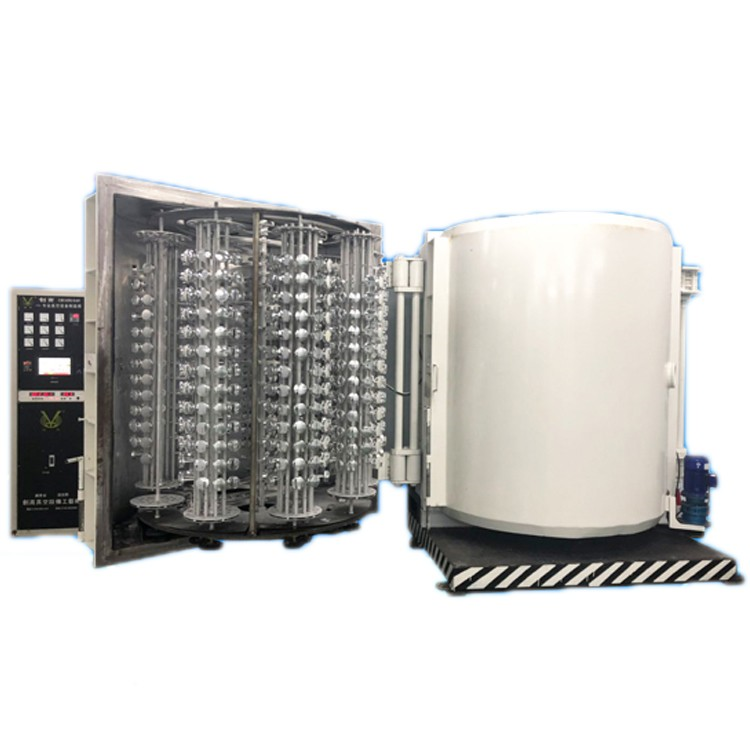
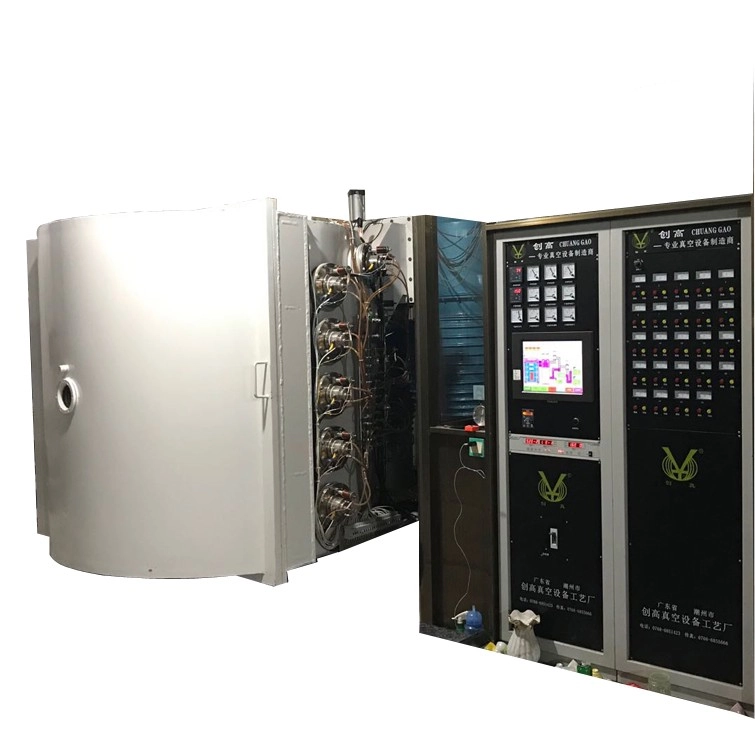
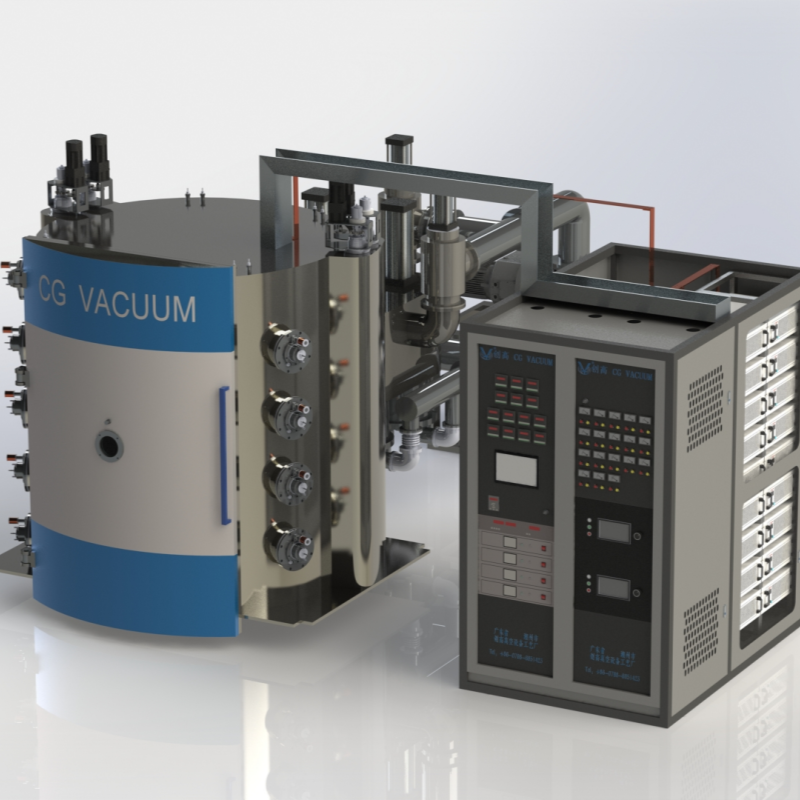
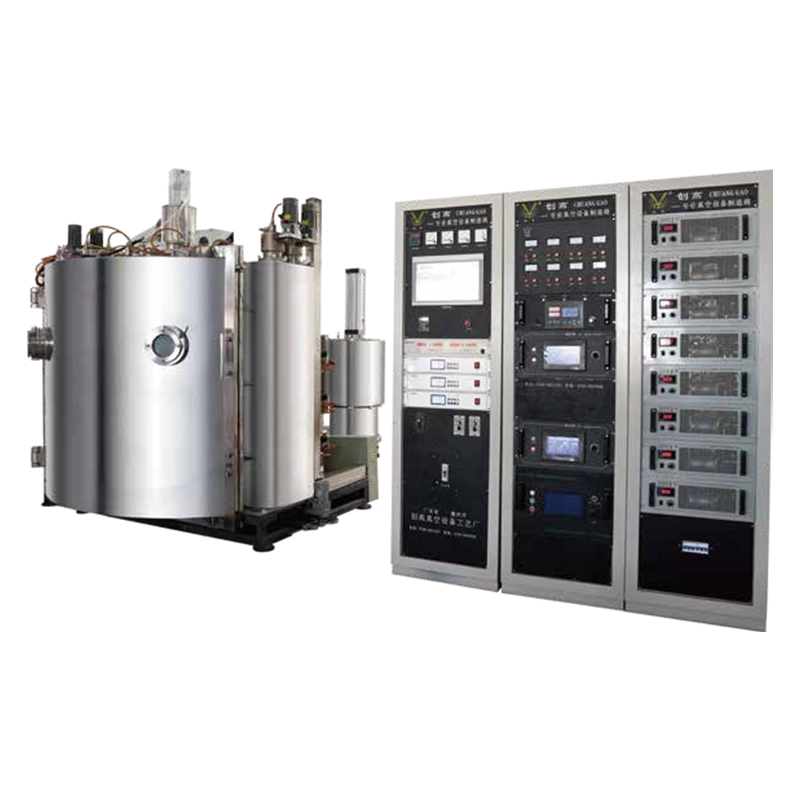
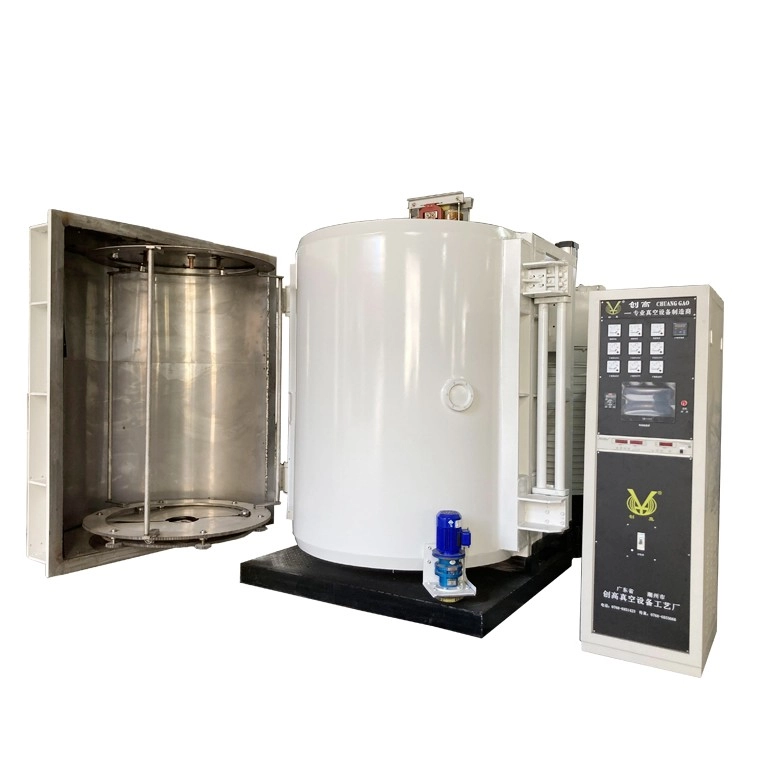
Choosing a vacuum coating machine manufacturer for a PVD production line is not a simple equipment purchase decision. It directly affects coating yield, process stability, and long-term production cost. In real industrial environments, many coating issues are not caused by materials or process recipes, but by limitations in equipment design and system integration. CGVAC provides a practical, engineering-based approach to help buyers evaluate manufacturers more accurately.
Understand Your Production Line Type Before Choosing a Manufacturer
Different PVD production line requirements lead to completely different equipment priorities. Before evaluating any manufacturer, you must first clarify your production goal.
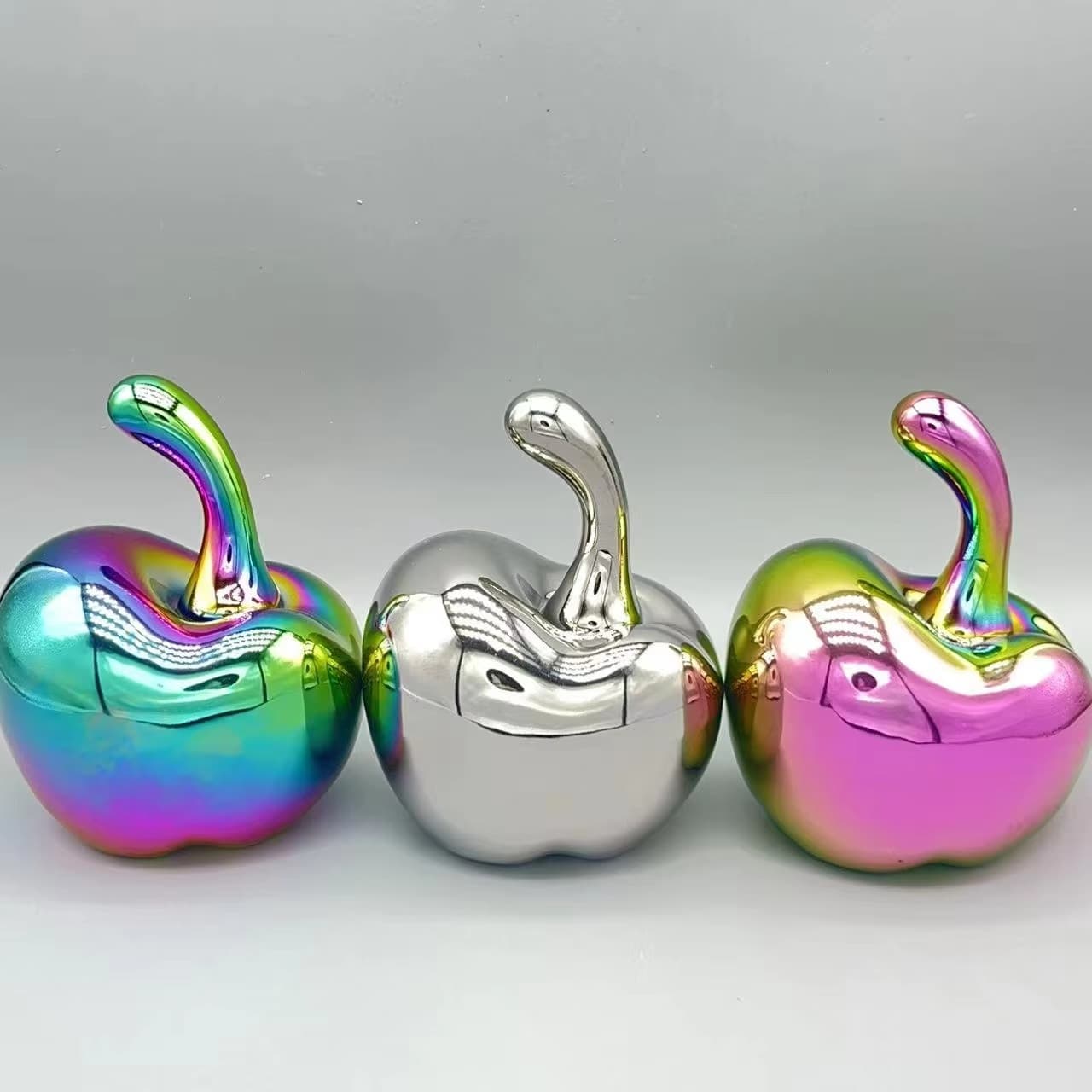
Decorative Coating Production Lines
Typical applications include hardware, Sanitärartikel, Edelstahlprodukte, und consumer goods.
- Key priority: color consistency and surface appearance
- Main technology: Magnetronzerstäubung or hybrid systems
- Critical risk: uneven color distribution in batch production
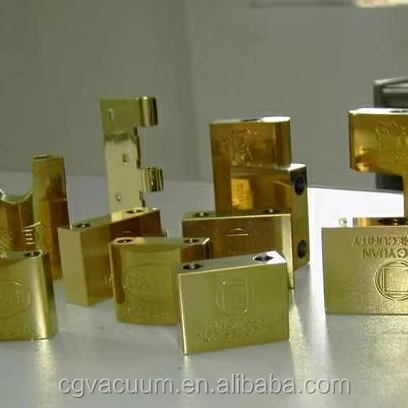
Functional Coating Production Lines
Typical applications include tools, molds, and wear-resistant industrial components.
- Key priority: adhesion strength and hardness
- Main technology: multi-arc ion vacuum coating technology
- Critical risk: coating cracking due to internal stress imbalance
High-Mix Industrial Production Lines
For manufacturers producing multiple product types, flexibility becomes the most important requirement.
- Key priority: process flexibility and system stability
- Common solution: hybrid PVD systems (sputtering + arc)
- Critical risk: poor process switching consistency
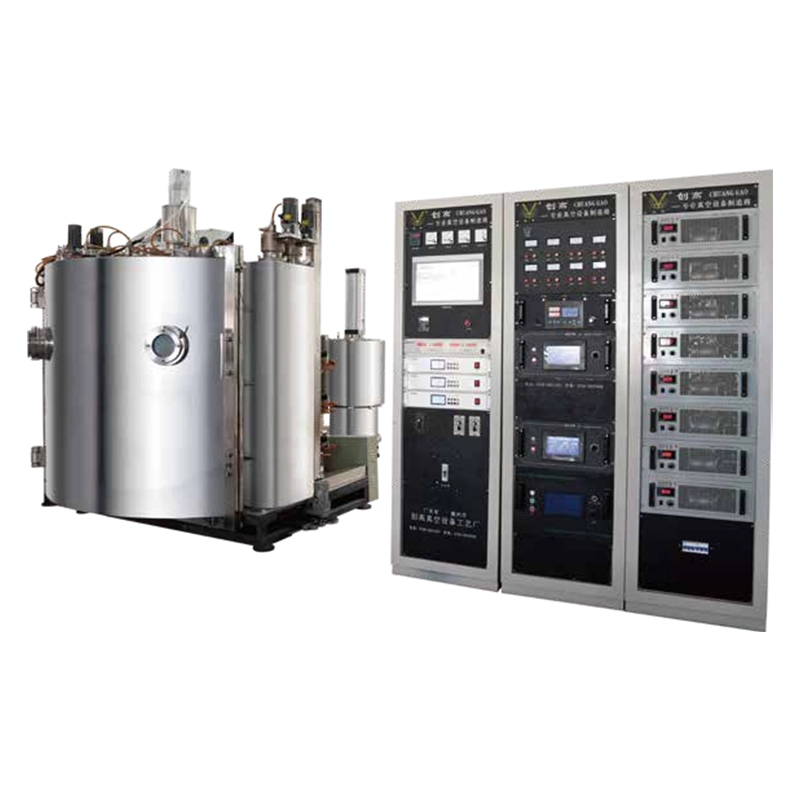
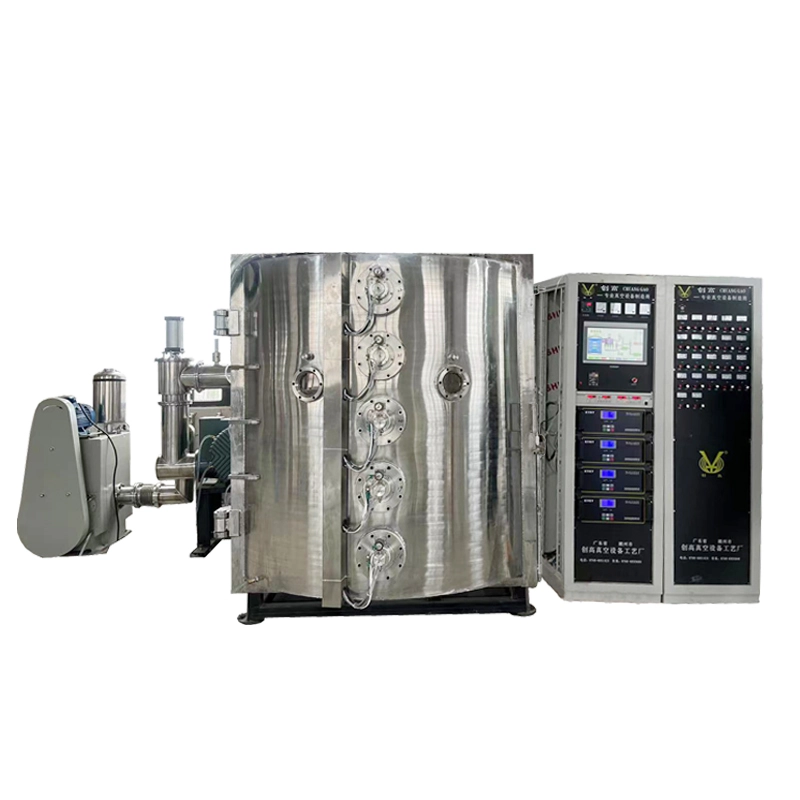
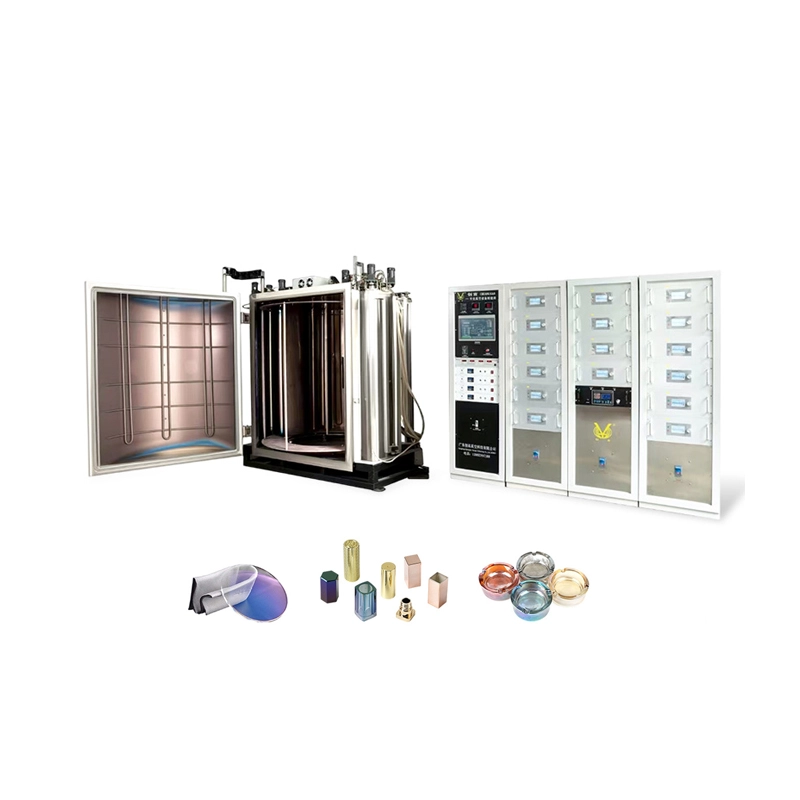
The Most Important Evaluation Principle: System Stability, Not Individual Machine Features
A common mistake among buyers is evaluating vacuum coating machines as standalone equipment. In reality, a PVD production line behaves as a complete system.
A reliable vacuum coating machine manufacturer must ensure coordination between:
- Vacuum chamber performance
- Plasma generation stability
- Power supply matching
- Gas flow control system
- Substrate rotation and automation logic
If these systems are not well integrated, even advanced individual components cannot guarantee stable coating quality.
Technical Factors That Directly Affect Coating Yield
Vacuum Stability Under Continuous Production
In industrial production, vacuum performance must remain stable over long cycles, not just reach a target level once.
- Pressure recovery time between batches
- Leakage rate under thermal load
- Stability during continuous operation
Practical insight: If vacuum stabilization time varies between batches, coating thickness and color consistency will also fluctuate, even if the ultimate vacuum level is acceptable.
Plasma Stability and Process Trade-Offs
Plasma conditions directly affect both coating adhesion and surface appearance.
- Lower fluctuation plasma → better color consistency
- Higher ion energy → stronger adhesion but higher stress risk
Key decision point: Many production issues come from over-optimizing plasma strength without considering internal stress balance.
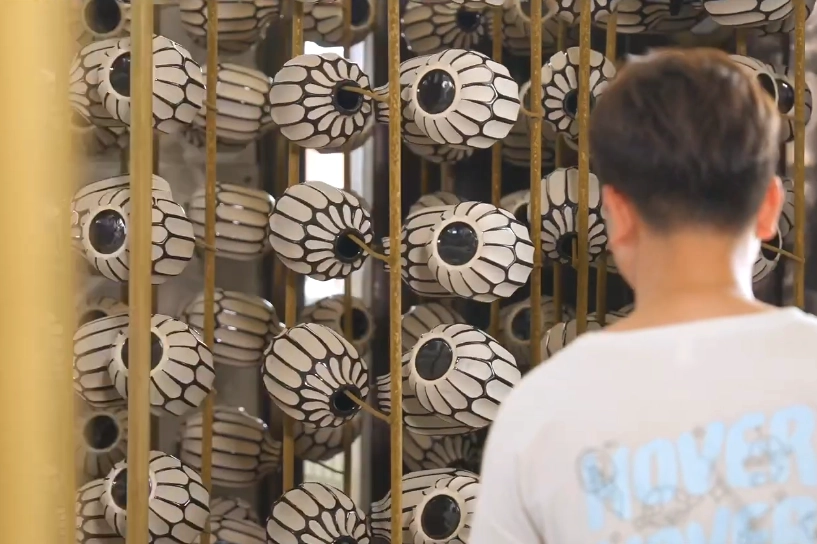
Substrate Handling and Positioning Accuracy
Even with stable deposition parameters, poor substrate movement can lead to uneven coating results.
- Planetary rotation accuracy
- Loading consistency between batches
- Fixture design repeatability
Hidden production risk: Inconsistent positioning is one of the most overlooked causes of thickness variation in mass production.
Process Integration and Control Logic
A high-quality PVD production line must operate as a synchronized system rather than independent modules.
This includes coordination between vacuum pumping, power delivery, gas flow, and substrate movement.
Industry reality: Many coating defects are caused not by single component failure, but by poor system-level synchronization.
Manufacturer Capability: What Actually Differentiates Suppliers
Process Engineering Experience
Manufacturers with strong process experience can better match equipment design to real production requirements such as coating type, substrate material, and batch size.
System Customization Ability
A capable manufacturer should be able to adjust system design for:
- Dekorative Beschichtungen
- Functional coatings
- Hybrid production lines
Production Stability in Real Factory Environments
The most important indicator is not lab performance, but consistency in long-term industrial operation.
- Stable batch-to-batch output
- Low downtime during continuous production
- Predictable maintenance cycles

Common Buyer Mistakes in Equipment Selection
- Focusing only on vacuum level instead of system stability
- Choosing equipment based on single sample results instead of batch performance
- Ignoring substrate handling and automation accuracy
- Underestimating process integration complexity
Schlussfolgerung
Selecting a PVD-Vakuum-Beschichtungsanlage Hersteller for a PVD production line requires a system-level evaluation approach. The key is not individual machine specifications, but overall production stability, process integration capability, and real industrial experience.
A well-designed system can significantly improve coating yield, reduce defects, and ensure consistent performance across large-scale production.
CGVAC ist spezialisiert auf vacuum coating machine solutions for industrial PVD production lines, including magnetron sputtering systems, multi-arc ion plating equipment, and hybrid coating systems. Contact our engineering team to discuss your production requirements and receive a tailored vacuum coating line solution.