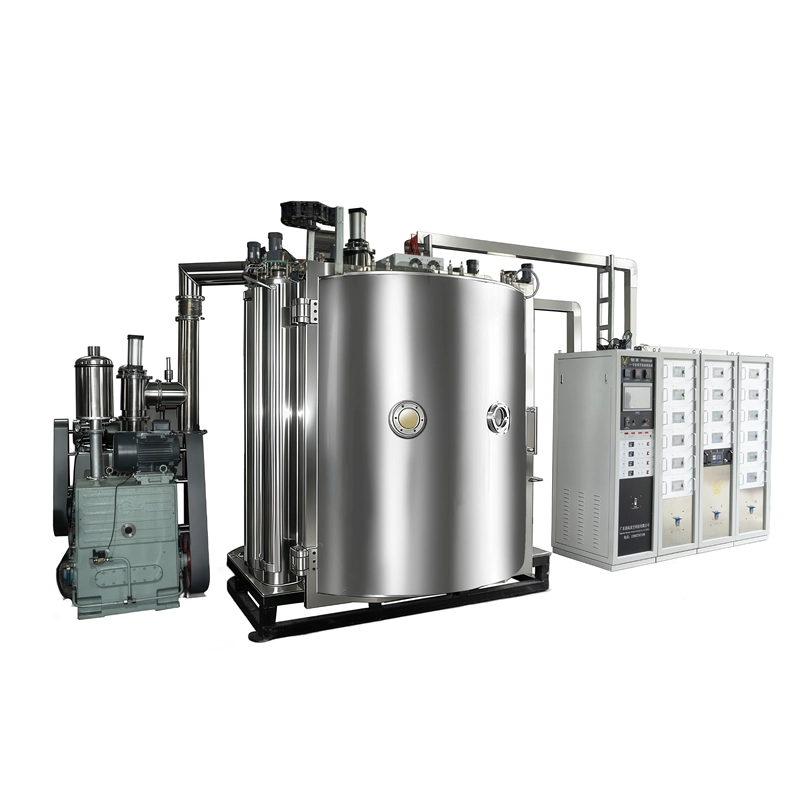
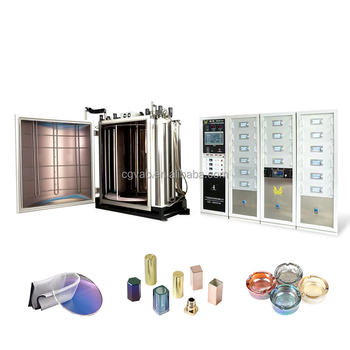
Common surface treatments include PVD multi-arc coating, evaporation PVD coating, electroplating, and spray painting. However, if you are seeking higher coating uniformity, wear resistance, and functional coatings, magnetron sputtering is a technology worth exploring. As a leading PVD coating machine manufacturer, CGVAC provides a practical guide to magnetron sputtering, its industrial applications, and how to choose the right equipment, helping manufacturers make informed decisions and improve production efficiency.
What Is Magnetron Sputtering?
Magnetron sputtering is an advanced vacuum coating technology. It works by bombarding a target material with ions, causing atoms or molecules to be ejected and deposited onto the surface of a workpiece, forming a thin film.
Magnetron sputtering can be classified into DC (Direct Current) and RF (Radio Frequency) types:
- DC Magnetron Sputtering: Suitable for conductive targets like copper, aluminum, and titanium, offering high deposition rates and efficiency.
- RF Magnetron Sputtering: Suitable for insulating targets or composite materials, allowing transparent or functional coatings.
Compared to traditional electroplating or spray painting, magnetron sputtering offers:
- Uniform film thickness with strong adhesion
- Capability to deposit functional coatings (scratch-resistant, conductive, anti-corrosion, etc.)
- Environmentally friendly, with no wastewater or harmful emissions
- Compatibility with automated production lines for high-volume manufacturing
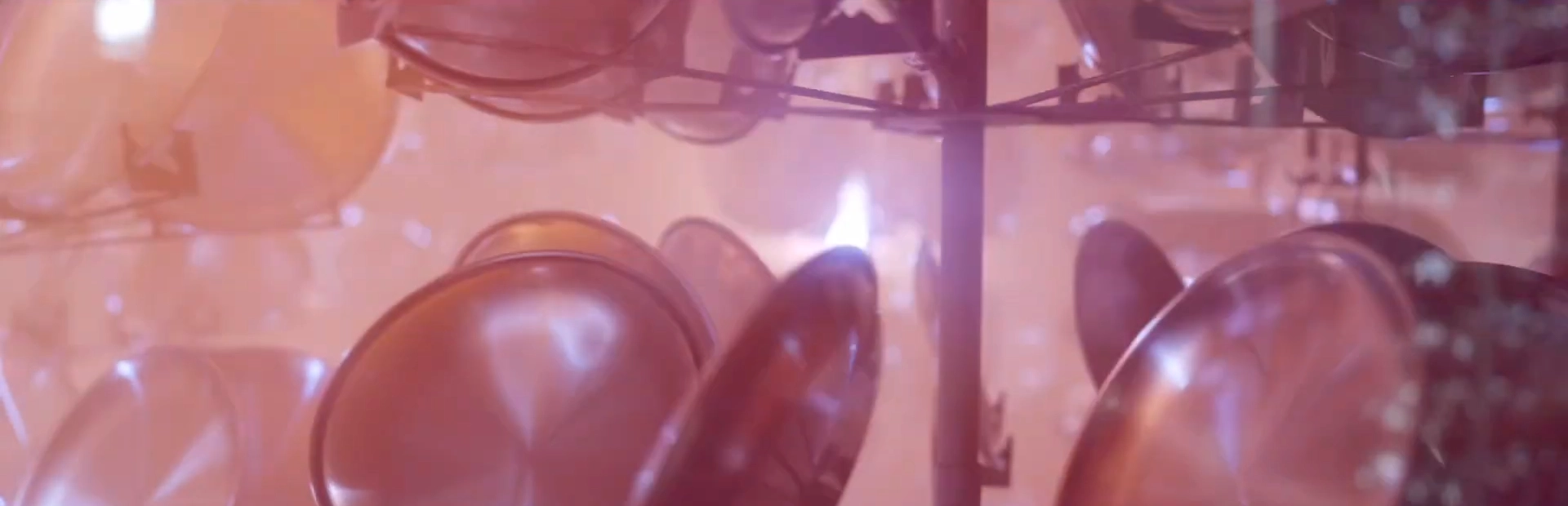
Industrial Applications of Magnetron Sputtering
Magnetron sputtering is widely applied across multiple industries:
- Sanitary Ware / Hardware: Corrosion protection, decorative finishes, wear-resistant coatings
- Stainless Steel Daily Products: Scratch-resistant and decorative coatings, complying with food safety and environmental standards
- Ceramics / Glass: Transparent coatings, decorative and functional films, such as anti-reflective or antibacterial layers
- Optical & Electronic Components: ITO conductive films, DLC hard coatings, and other functional thin films for precision devices

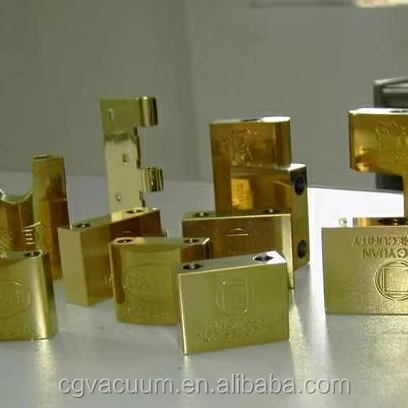

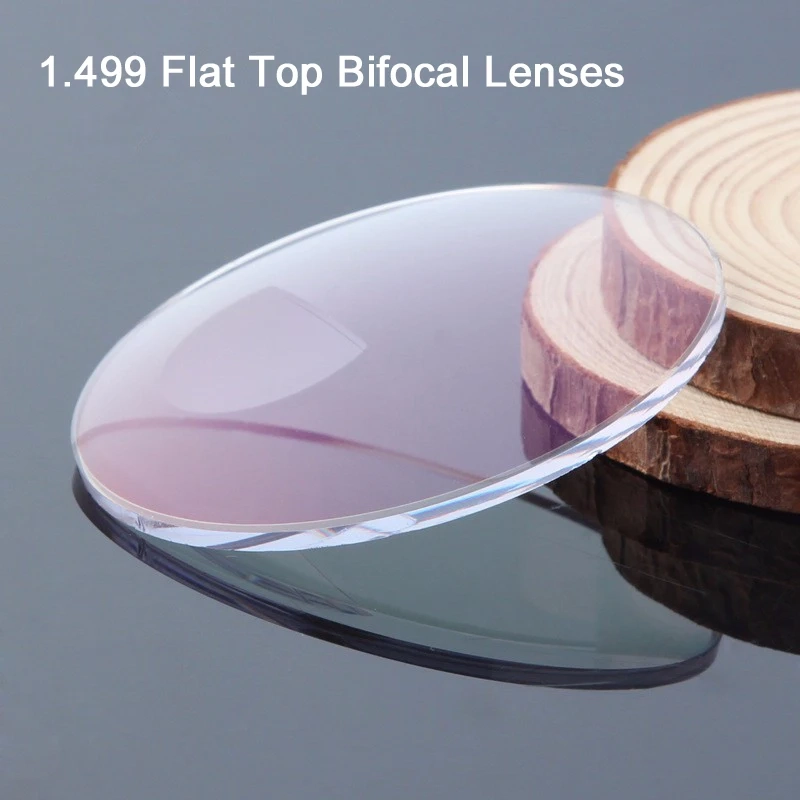
Different products require different levels of coating uniformity, thickness, and functionality, making equipment selection and customization critical.
Key Parameters When Choosing Magnetron Sputtering Equipment
When selecting magnetron sputtering equipment, industrial manufacturers should consider:
Equipment Type
- Batch systems: Suitable for small-to-medium production or multi-batch runs
- Inline / Multi-chamber systems: Suitable for large-volume production to maximize efficiency
Target Material & Replacement
- Supports various metals and functional targets
- Quick target replacement reduces downtime
Vacuum System Capability
- High vacuum ensures coating quality
- Efficient pumps increase throughput
Control System & Automation
- Precise control over film thickness, power, and deposition time
- Supports automated production lines, reducing human errors
Customization Options
- Adjustable film thickness and material selection
- Support for functional coatings like wear-resistant, anti-corrosion, conductive, antibacterial
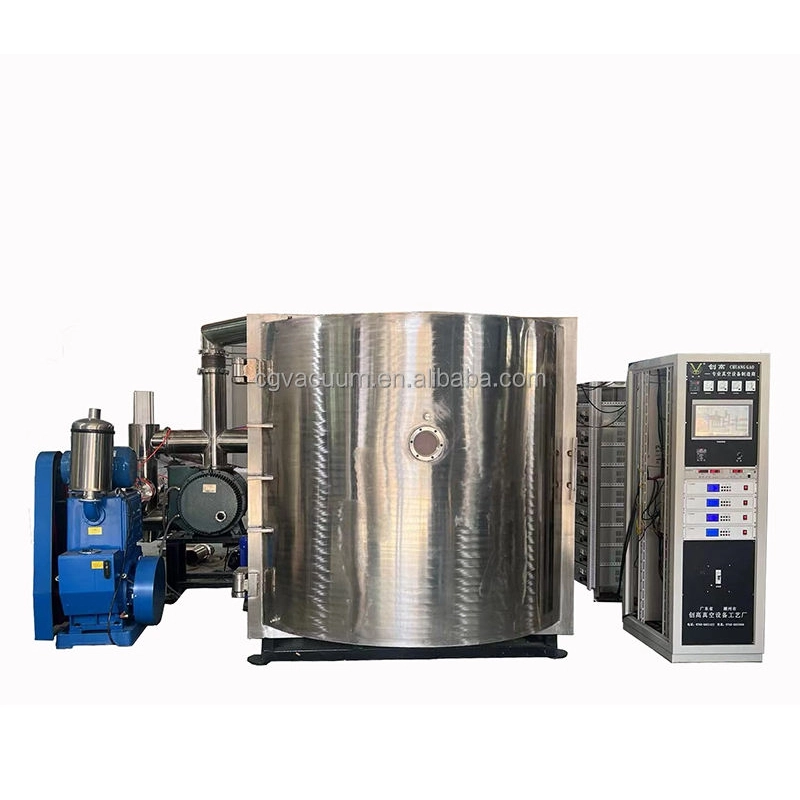
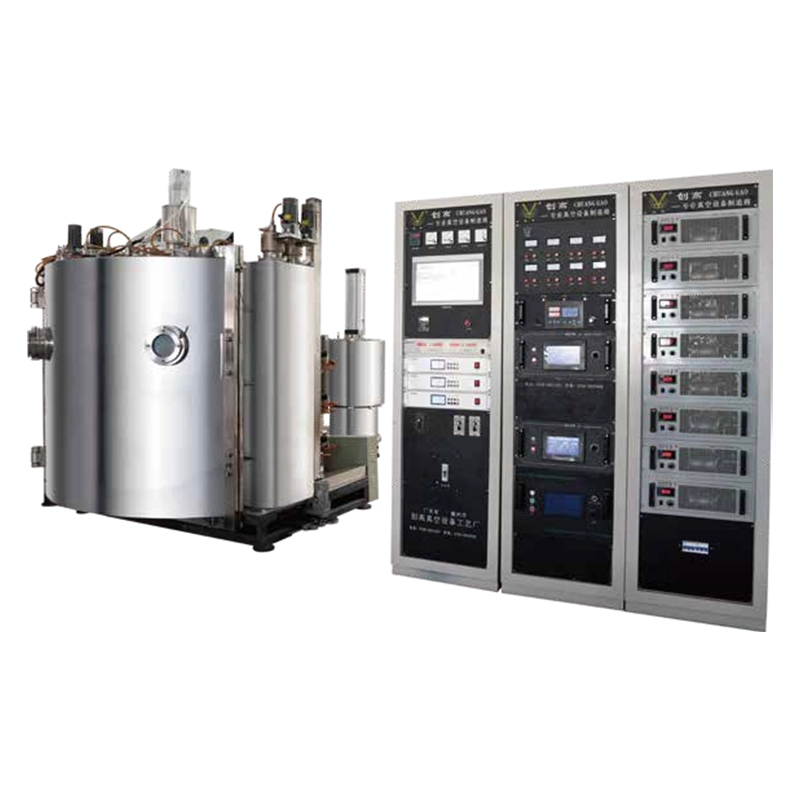
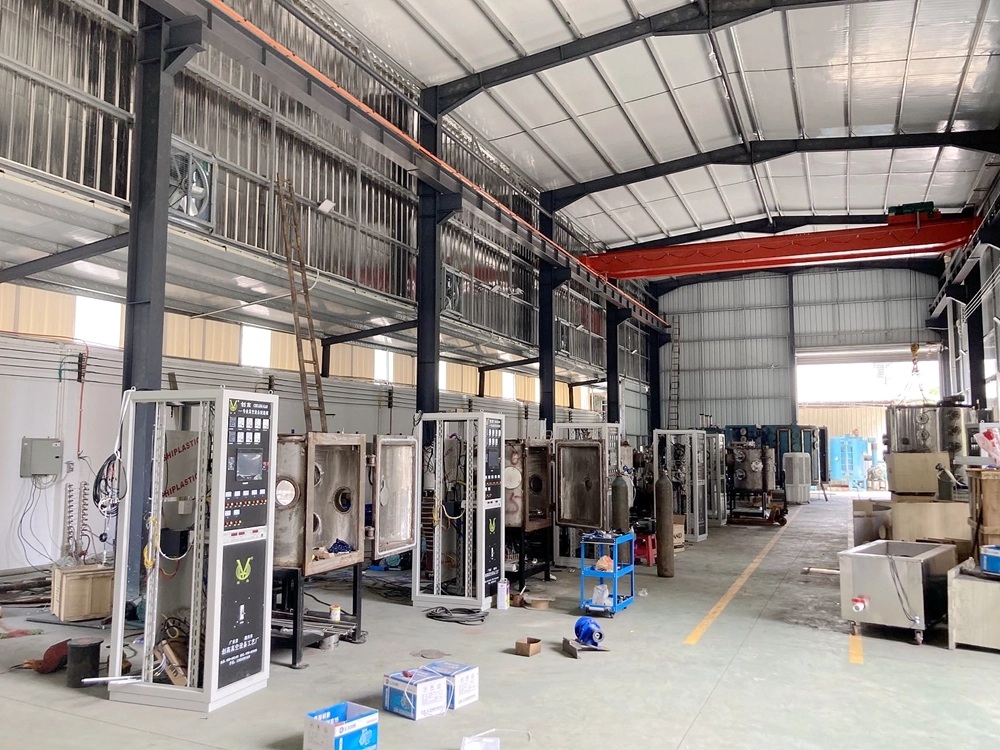
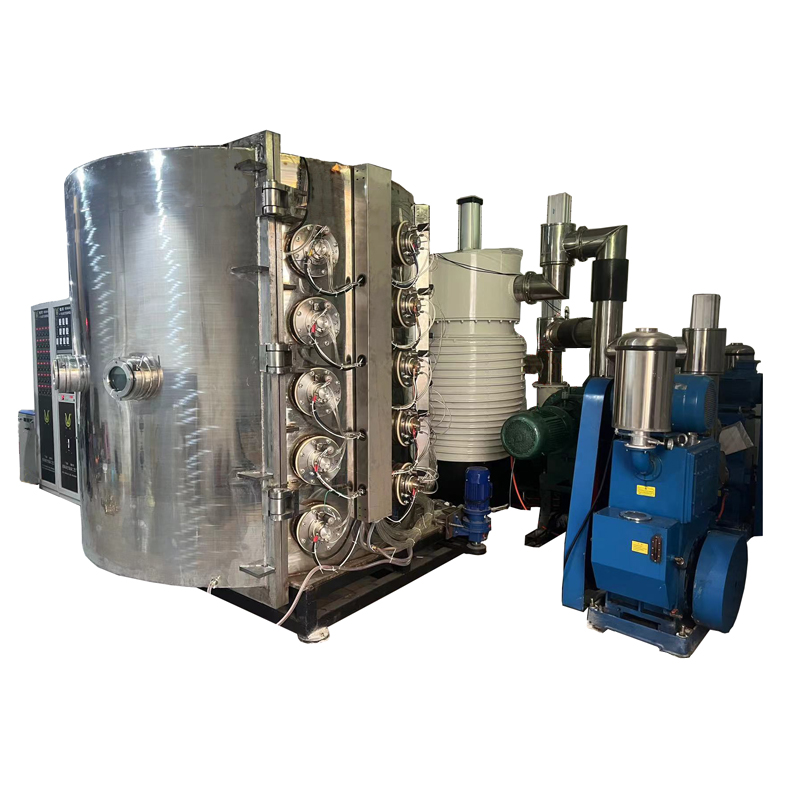
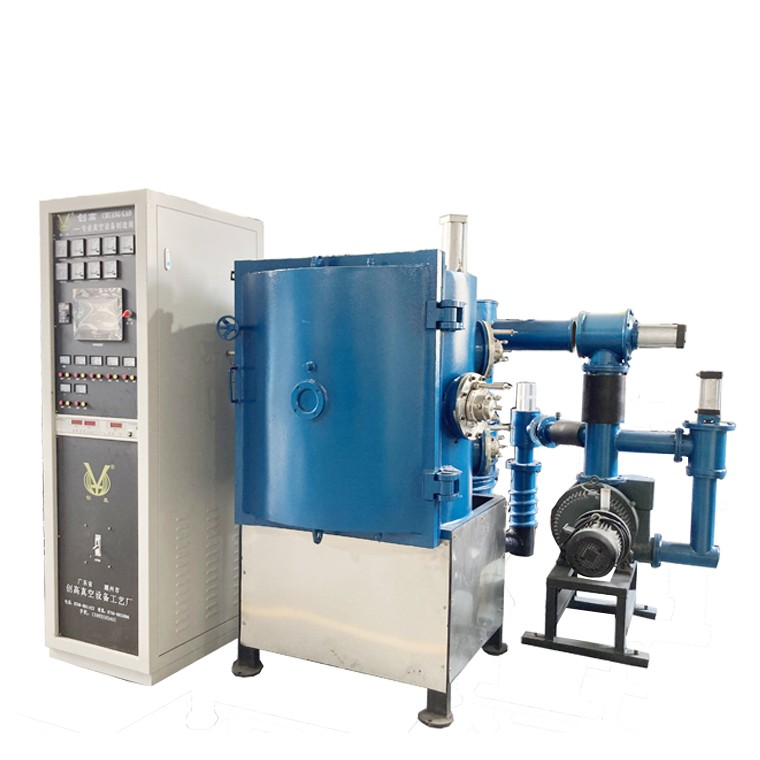
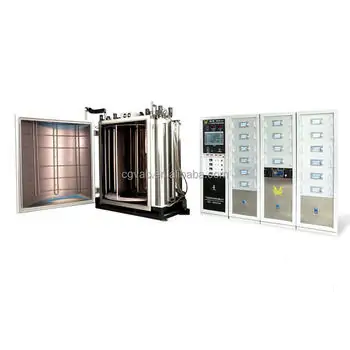
CGVAC provides a full range of magnetron sputtering systems, from single-chamber to multi-chamber designs, standard configurations to fully customized solutions, tailored to different industrial needs.
Magnetron Sputtering vs Other Coating Methods
| Coating Method | Advantages | Limitations | Typical Applications |
|---|---|---|---|
| Magnetron Sputtering | Uniform films, versatile functionality, environmentally friendly, automation compatible | Higher initial investment, requires vacuum equipment | High-end sanitary ware, hardware, stainless steel products, optical components |
| Multi-ion Arc Vacuum Coating | Fast deposition, colorful finishes | Slightly lower adhesion, higher cost | Decorative metal surfaces |
| Evaporation Vacuum Coating | Simple process, fast deposition, suitable for metals or transparent films | Lower adhesion and wear resistance; not ideal for complex shapes | Optical coatings, decorative metal films, flat components |
| Electroplating | Low cost, mature process | Environmental concerns, limited functional coatings | Mass-market hardware, consumer goods |
| Spray Painting | Rich colors, flexible application | Low durability, uneven film thickness | Home decor, plastic products |
- Magnetron sputtering is ideal for products requiring high uniformity, durability, and functional coatings.
- Evaporation coating is suitable for large, flat surfaces or optical components, but has limited durability and functionality.
- Other methods are suitable for different use cases depending on product requirements and production needs.
Why Choose the CGVAC Magnetron Sputtering Vacuum Coating Machine?
CGVAC specializes in customized vacuum coating equipment, with key advantages:
- Multi-chamber magnetron sputtering systems for batch or continuous production
- Functional coating capabilities: wear-resistant, anti-corrosion, conductive, antibacterial films
- Automation & stability: precise control of film thickness, power, and production pace
- Custom solutions: tailored to product size, material, and industry requirements, with full support from design to installation
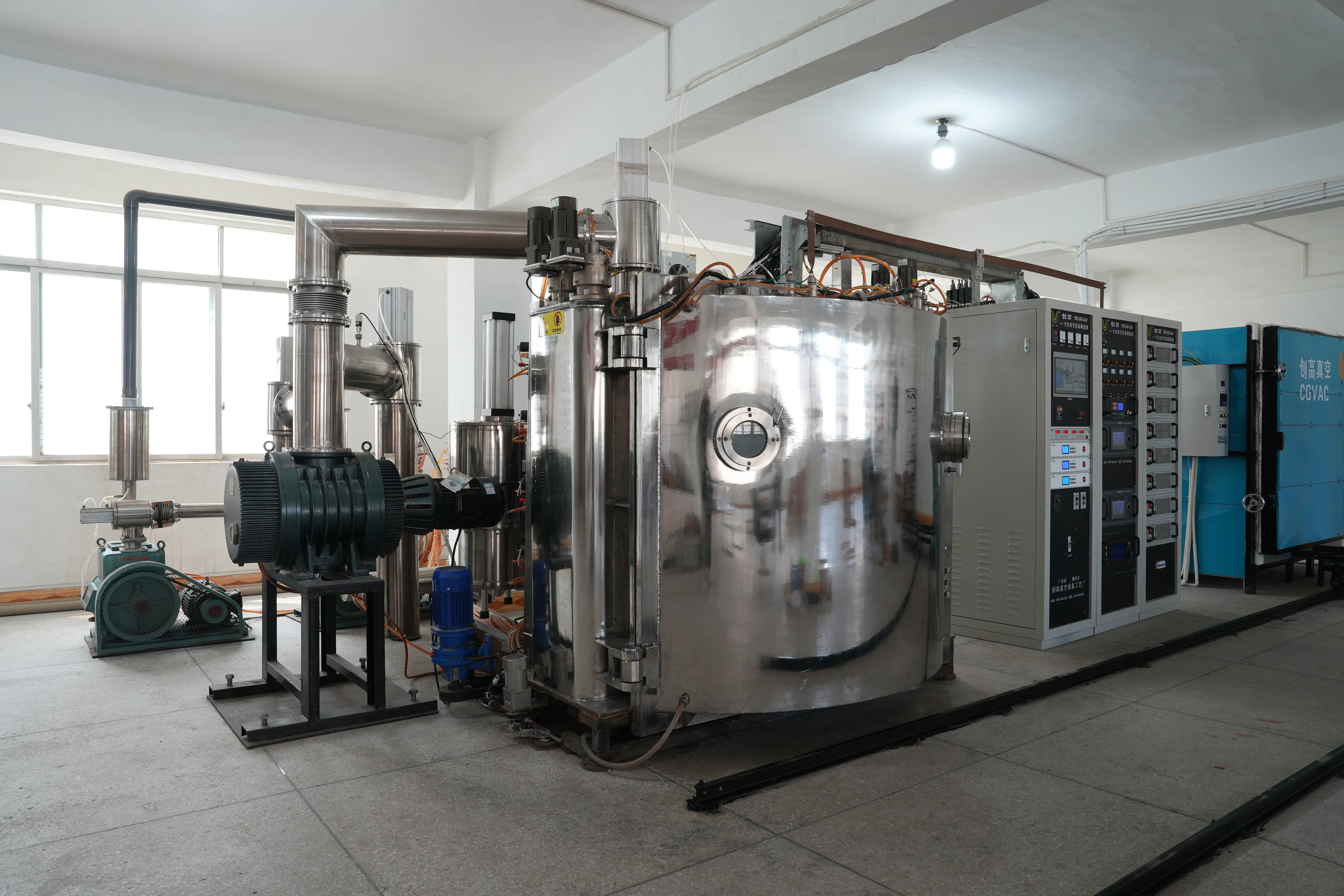
Choosing CGVAC enables manufacturers to improve production efficiency, product competitiveness, and reduce long-term operating costs.
Conclusion
The combination of aesthetic engravings created by magnetron sputtering with practical performance makes magnetron sputtering systems ideal for industries involving sanitary ware, hardware, stainless steel, ceramics, glass, optics, and electronics. Adjusting the systems for magnetron sputtering allows for a greater advancement in the products and the tools for competing with others in the market. When considering the selection or upgrading of systems for magnetron sputtering, contact us to explore a customized solution to meet your production needs.