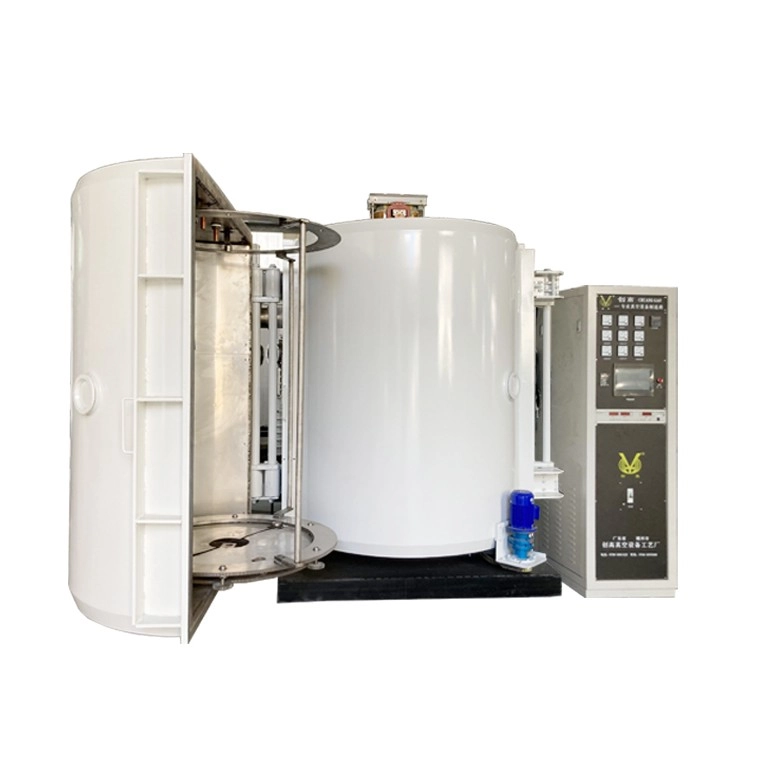
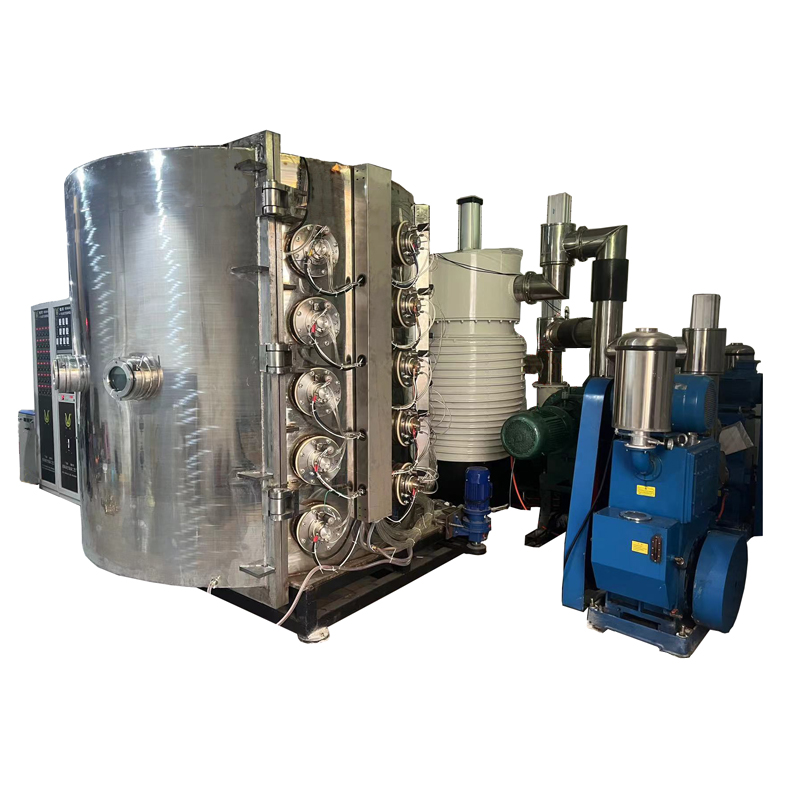
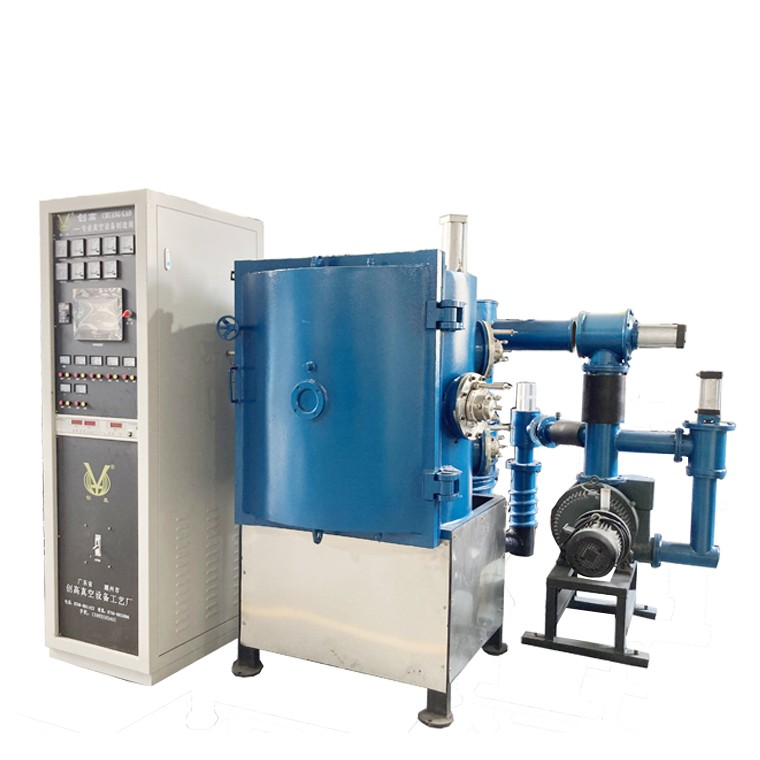
In decorative PVD (Physical Vapor Deposition) coating, engineers often face a recurring challenge: achieving stable gold or silver finishes is relatively straightforward, whereas producing consistent blue, pink, or purple coatings is far more difficult. Even minor fluctuations in process parameters can result in visible color variation, sometimes leading to complete batch rejection. This difference is not merely a matter of process tuning; it stems from fundamental distinctions in optical mechanisms, material behavior, and process sensitivity. As a professional PVD coating machine manufacturer in China, CGVAC analyzes the PVD coating color stability in PVD sputtering to help you deal with the problem.
Factor 1: Intrinsic Color vs. Interference Color
The stability of coating color begins with how the color is physically generated.
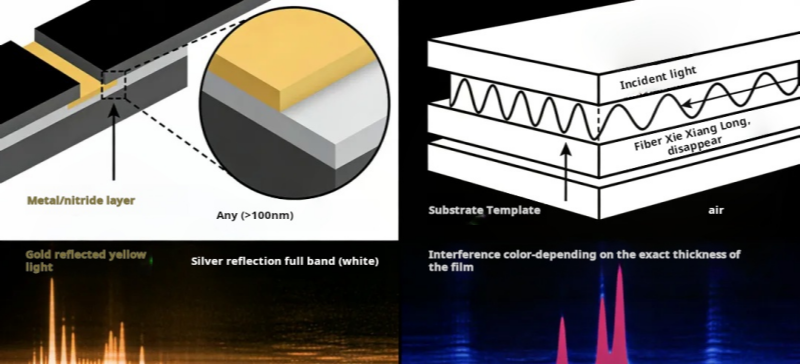
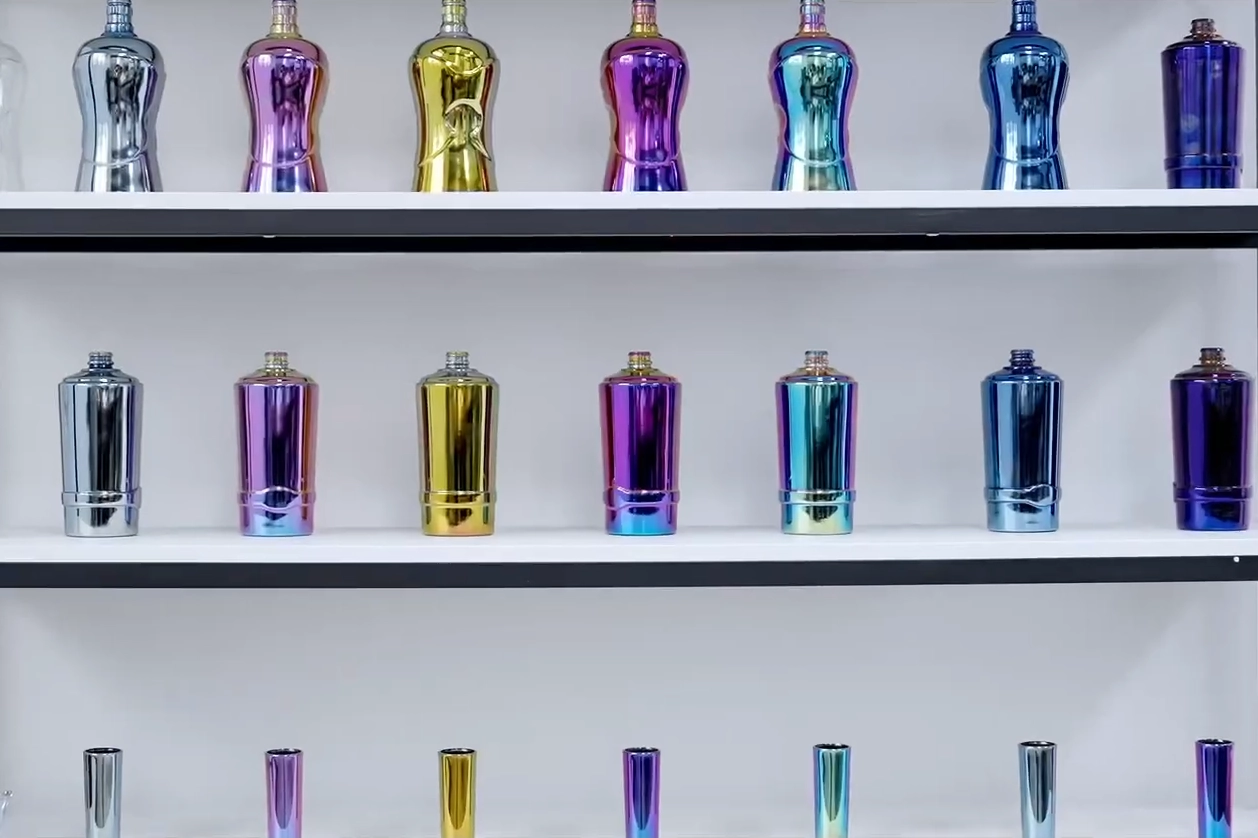
Gold and silver coatings derive their color from the intrinsic optical properties of the material itself. Metals such as gold (Au), silver (Ag), or compounds like titanium nitride (TiN) reflect and absorb visible light based on their electronic structure. Because this mechanism is largely independent of film thickness within practical ranges, small variations in deposition conditions produce only gradual, often imperceptible color shifts. This results in a relatively forgiving process window for these coatings.

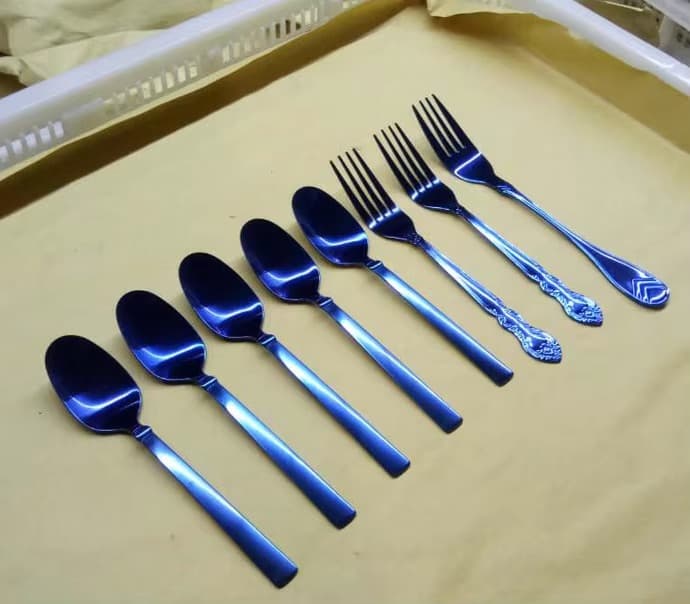
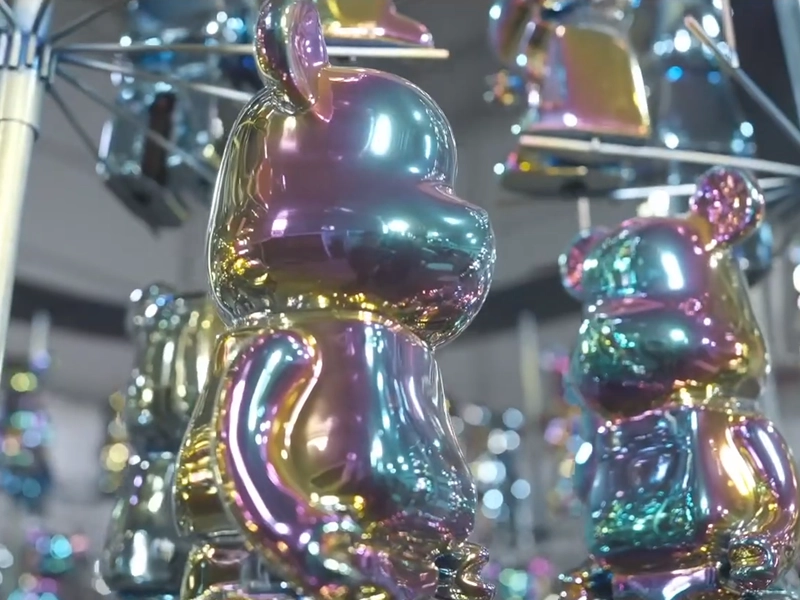
By contrast, blue, pink, and purple coatings are typically interference colors. These colors emerge when the thickness of the deposited film is comparable to the wavelength of visible light, producing constructive and destructive interference. Even nanometer-scale changes in thickness can dramatically shift the reflected wavelength spectrum. Consequently, these colors exist on a very narrow “process slope,” where precise control becomes critical.
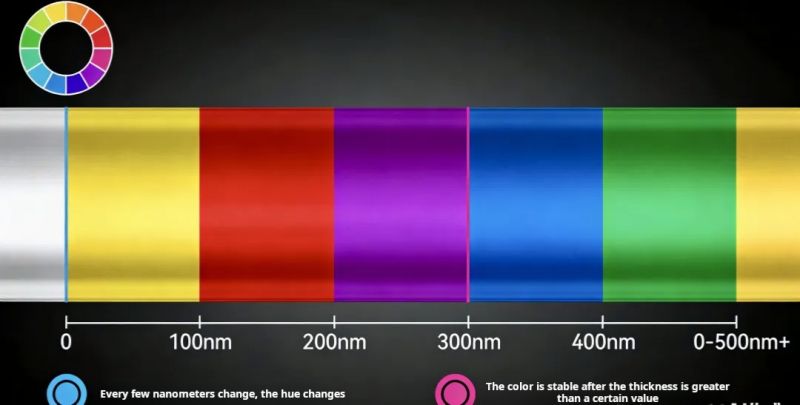
Factor 2: Process Window, From Tolerant to Extremely Sensitive
The difference in color formation mechanisms directly affects process control requirements.
Gold and silver coatings benefit from a broad process window. In non-reactive sputtering, such as depositing pure silver in an argon atmosphere, the resulting color is highly stable because no chemical reaction occurs. Even in reactive sputtering for compounds like TiN, once the chemical composition stabilizes, the optical properties remain consistent. Although reactive gas control is important to avoid issues like target poisoning, color transitions are generally gradual rather than abrupt.
Blue and pink coatings, however, are produced in inherently unstable process regions. These colors often appear near the transition between metallic and poisoned target states, making them highly sensitive to minor variations in reactive gas flow. Small changes can shift the target into a poisoned state, reducing deposition rate and altering film composition, which can lead to sudden, unpredictable color changes.
Additionally, higher reactive gas partial pressures can destabilize the plasma. Micro-arcing may occur, ejecting particles onto the substrate and disrupting the interference effect. The result is hazy or desaturated colors. Maintaining stable interference colors, therefore, requires precise deposition control and a highly stable plasma environment.
Factor 3: Sensitivity to Composition and Microstructure
The chemical composition and microstructure of the film also play a critical role in color consistency.
Alloy-based coatings, such as rose gold, are particularly sensitive. Copper content can oxidize when exposed to residual oxygen or moisture, gradually altering the color over time. Interference-based coatings are even more demanding: stoichiometry, film density, and structural uniformity must be tightly controlled. Slight variations in temperature distribution, post-deposition treatment, or crystallinity can result in visible banding, patchiness, or inconsistent color across the surface.
Factor 4: Environmental and Process Sensitivity
Environmental factors can further influence color stability. Residual gases like oxygen and water vapor affect film growth dynamics. In interference-based coatings, trace amounts of contaminants can alter the refractive index or absorption properties, effectively shifting the perceived color. These impurities can also act as unintended dopants, further complicating optical behavior.
Intrinsic-color coatings, such as noble metals like gold and silver, are far less affected by environmental variations. Their optical properties remain robust even with minor changes in vacuum quality or background gas composition, contributing to overall process stability.
PVD Coating Color Stability in PVD Sputtering Comparison
| Factor | Gold & Silver Coatings | Blue & Pink Coatings |
|---|---|---|
| Color Mechanism | Intrinsic material color | Optical interference |
| Process Window | Wide | Extremely narrow |
| Sensitivity | Low | Very high |
| Main Risks | Target poisoning | Plasma instability, thickness variation |
| Stability | High | Low |
| Control Requirement | Standard | Advanced precision control |
How to Achieve Stable Interference Colors in PVD Coating Production?
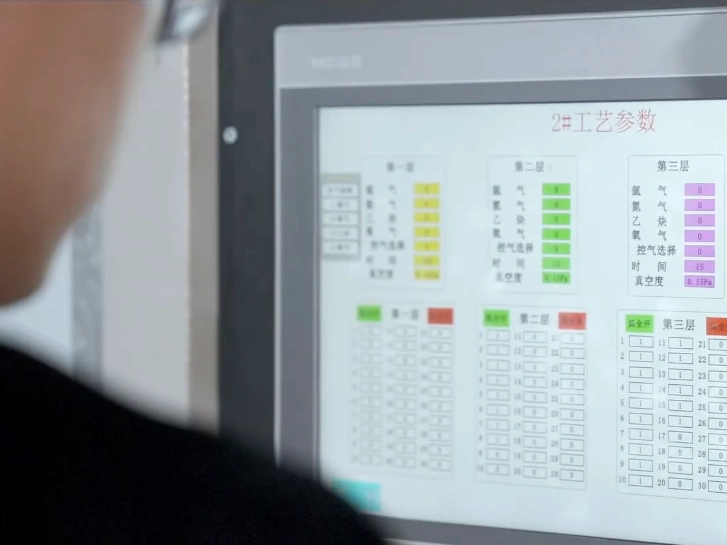
Industrializing blue and pink coatings requires advanced control systems, including:
- Closed-loop thickness monitoring
- Precise reactive gas flow control
- Stable power supply systems
- High-vacuum environment
- Uniform substrate temperature management
These measures help maintain consistent optical interference, reduce defects, and improve yield.
CGVAC Magnetron Sputtering Vacuum Coating Solutions for Color-Stable PVD Coating
CGVAC, a leading vacuum coating machine manufacturer and supplier, provides magnetron sputtering vacuum coating machines designed for high-precision decorative coating applications. Key features include:
- Real-time process control for stable film growth
- Optimized plasma stability to reduce arcing
- Advanced gas flow regulation for consistent stoichiometry
- High-uniformity coating for complex substrates
The result is improved color consistency, reduced defect rates, and higher yield in mass production.
Conclusion
Gold and silver coatings remain stable because they rely on intrinsic material properties and operate within a forgiving process window. Blue and pink coatings, however, depend on interference effects and precise structural control, making them highly sensitive to even minor process variations. Achieving stable interference colors is therefore not just a deposition challenge; it is a system capability challenge. For reliable industrial production of both stable and interference-based colors, contact CGVAC to learn how our PVD coating systems can ensure consistent, high-quality results.

References: WeChat Official Account “PVD Technology Department”, Article“The ‘personality’ difference of colors: Why are gold and silver films stable in magnetron sputtering, while blue and pink are elusive?”, Original link:https://mp.weixin.qq.com/s/hWK2Re_VzGCkMpRdvrN9AA