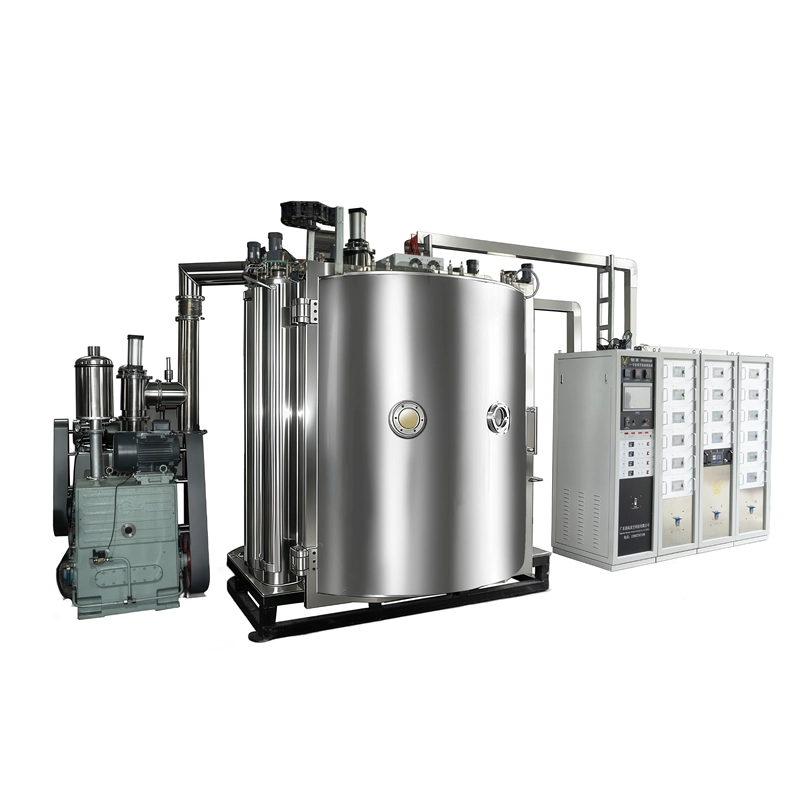
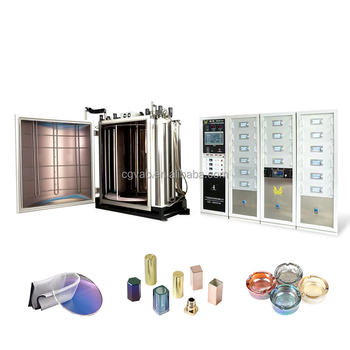
“¿Es tóxico el revestimiento PVD?” es una pregunta que se hacen a menudo los clientes cuando compran productos de acero inoxidable, artículos de baño, cerámica, vidrio, plástico, óptica y electrónica de gama alta. Esta pregunta es cada vez más pertinente debido a la creciente concienciación sobre la seguridad alimentaria, la normativa medioambiental y la conformidad industrial. Como Fabricante profesional de máquinas de recubrimiento PVD, CGVAC ofrece una guía práctica sobre la seguridad de los recubrimientos PVD, que abarca los principios del proceso, la selección de materiales, las aplicaciones industriales y las consideraciones sobre los equipos para ayudar a fabricantes y compradores a tomar decisiones con conocimiento de causa.
¿Qué es el recubrimiento PVD? Comprender la seguridad del proceso
El PVD (depósito físico en fase vapor) es una tecnología que deposita materiales metálicos o cerámicos sobre un sustrato mediante métodos físicos. A diferencia del chapado químico tradicional, la galvanoplastia o la pintura por pulverización, el PVD se produce en un entorno de vacío y no implica reacciones químicas ni disolventes residuales.
Entre los procesos de PVD más comunes se incluyen:
- PVD multiarco al vacío: Deposición rápida con acabados coloridos, muy utilizada para componentes decorativos y cubertería de alta gama.
- Recubrimiento por magnetrón sputtering al vacío: Adecuado para revestimientos funcionales como películas resistentes al desgaste, anticorrosión o conductoras, aplicables a metales, cerámica y vidrio.
- Recubrimiento al vacío por evaporación: Ideal para revestimientos ópticos o superficies decorativas planas; produce películas uniformes y funcionales.
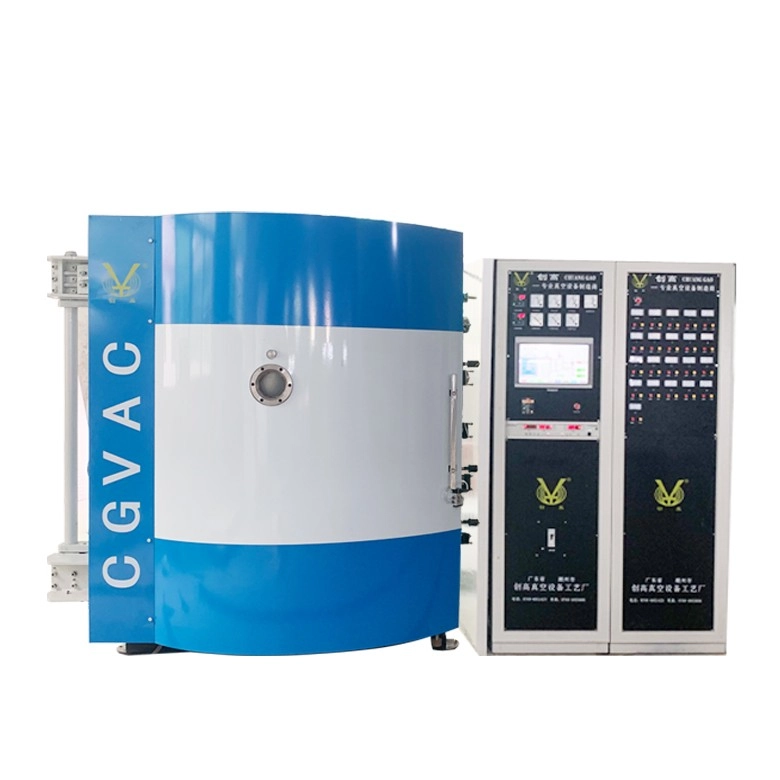
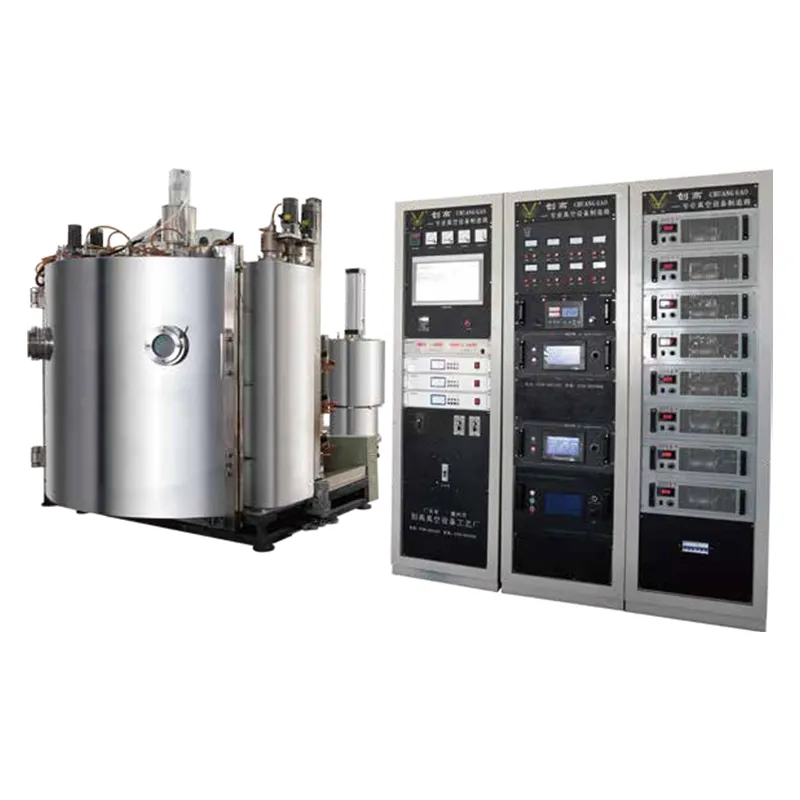
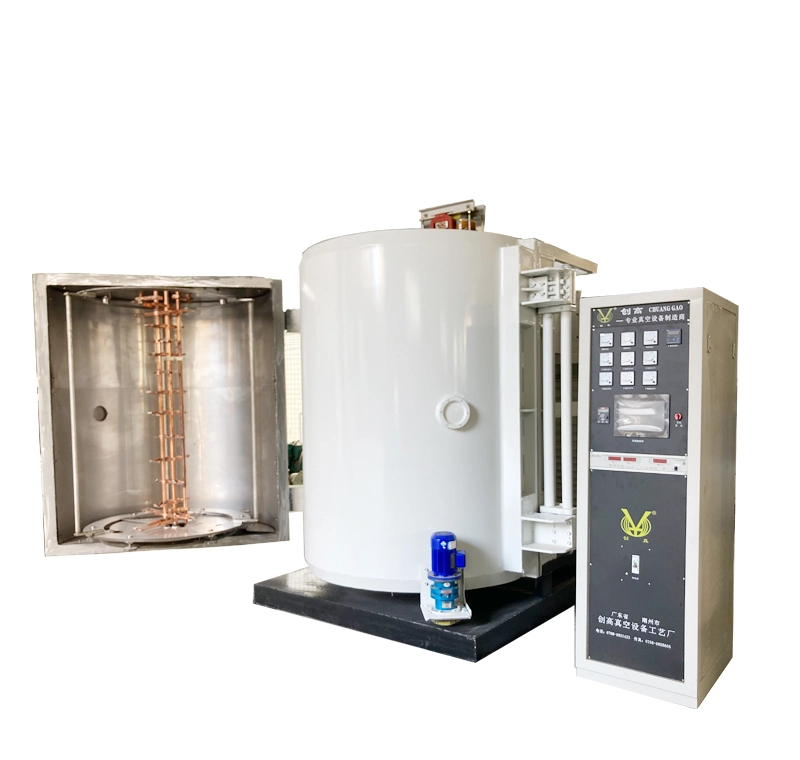
Los distintos procesos se adaptan a diferentes materiales y aplicaciones, pero su principio de seguridad es el mismo: Los revestimientos PVD no liberan sustancias tóxicas durante su uso final.
¿Es tóxico el revestimiento PVD? Una explicación científica
P1: ¿Son tóxicos los materiales de revestimiento?
Entre los materiales objetivo de PVD más comunes se encuentran el Ti, el Cr, el Zr, el Al, el TiN y el CrN. Estos materiales son estables en forma de película sólida y se utilizan ampliamente en:
- Lavabos, inodoros y herrajes
- Joyas y abalorios de alta gama
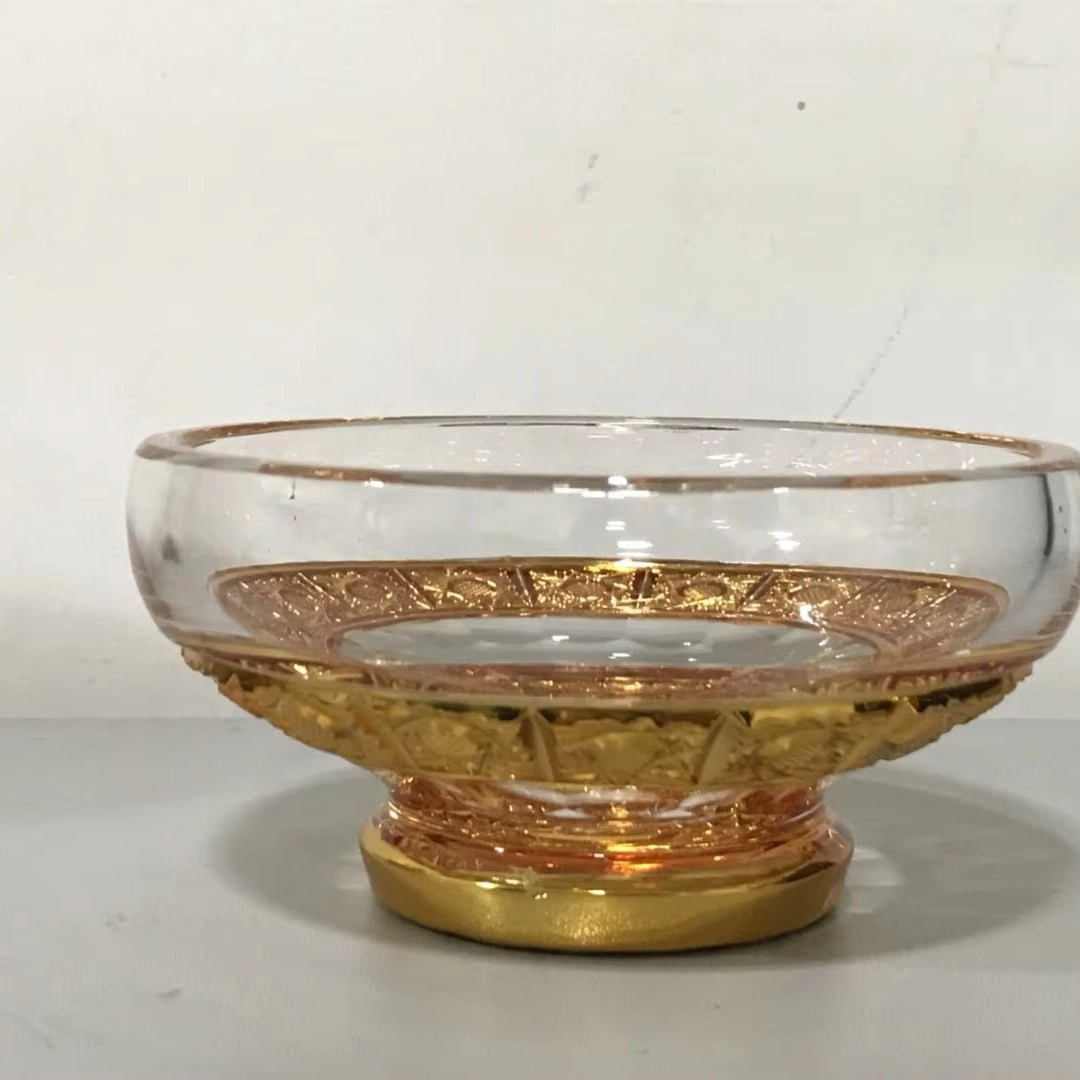
- Vajilla y decoración de cerámica
- Cubertería y menaje de acero inoxidable
- Componentes ópticos y electrónicos

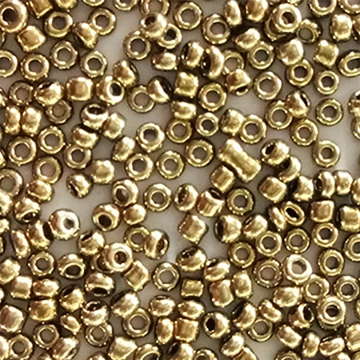

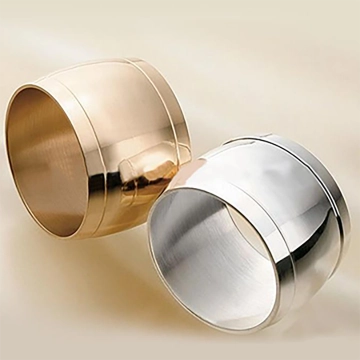
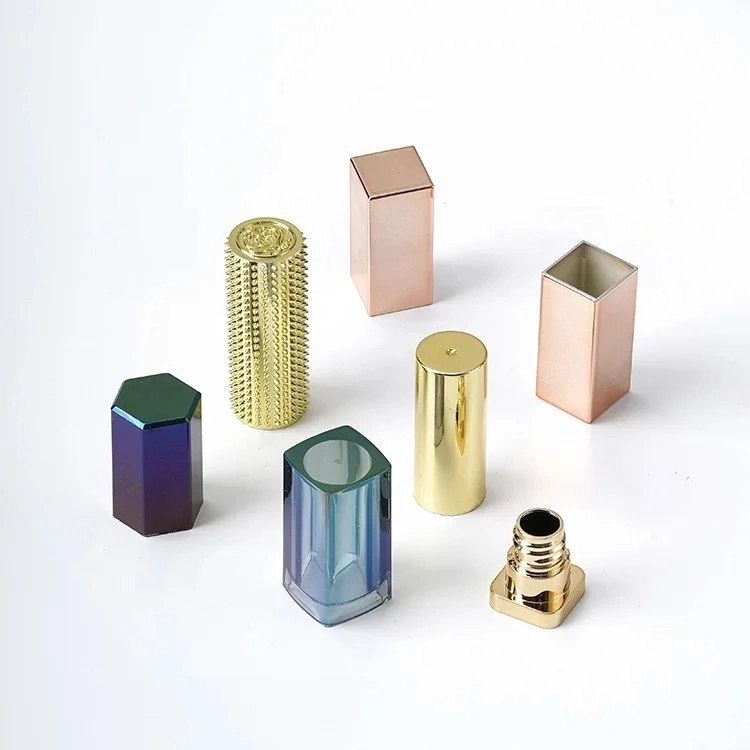
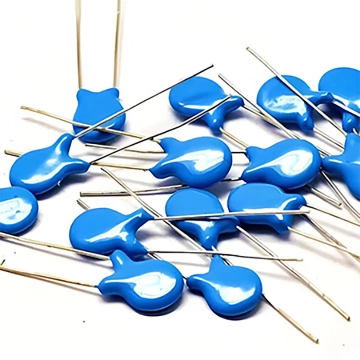
Cuando se seleccionan de acuerdo con las normas del sector, los revestimientos de PVD son químicamente inertes y no liberan sustancias nocivas.
P2: ¿Existe algún riesgo durante el proceso de recubrimiento?
- El PVD se realiza en un entorno de vacío
- No intervienen ácidos, álcalis ni soluciones químicas
- Las películas depositadas son densas y estables
Por lo tanto, no hay riesgo de residuos de sustancias químicas tóxicas en el producto acabado.
Q3: Contacto con alimentos y productos de consumo
- Las películas de PVD son resistentes a la corrosión, al desgaste y fáciles de limpiar
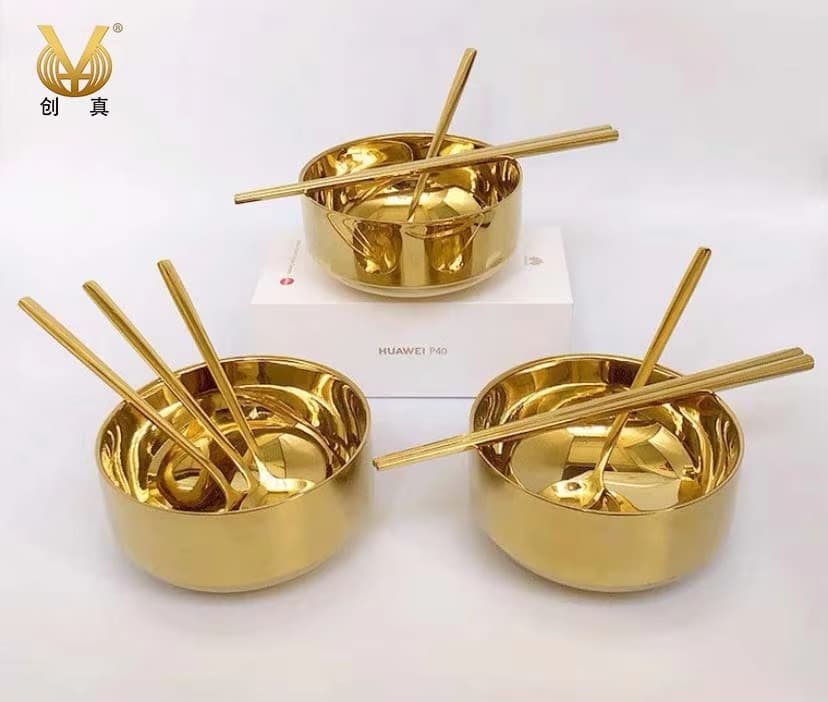
- Adecuado para cubiertos de acero inoxidable, utensilios de cocina y otros productos de consumo
- La seguridad depende de:
- Selección del material de destino (metales o cerámicas de calidad alimentaria)
- Control de los parámetros del proceso (espesor de la película, uniformidad)
- Estabilidad y repetibilidad del equipo
Conclusión: Con los materiales, el control del proceso y el equipo adecuados, los revestimientos PVD no plantean riesgos de toxicidad.

Recubrimiento PVD frente a otros tratamientos superficiales: Comparación de seguridad y medio ambiente
| Proceso | ¿Involucra productos químicos peligrosos? | Seguridad de los usuarios finales | Respeto del medio ambiente | Aplicaciones típicas |
|---|---|---|---|---|
| PVD por pulverización catódica con magnetrón | No | Muy alta | Alto | Láminas funcionales, médicas, ópticas |
| Arco PVD | No | Alto | Alto | Piezas decorativas de alta gama, cubertería, accesorios de baño |
| Recubrimiento por evaporación | No | Alto | Alto | Revestimientos ópticos, superficies decorativas planas |
| Galvanoplastia | Sí (soluciones químicas) | Varía | Medio | Productos metálicos de gran consumo |
| Pintura en aerosol | Posible (disolventes) | Medio | Medio | Plásticos, artículos de decoración |
Resumen: Las tecnologías de PVD al vacío son prácticamente atóxicas en las aplicaciones finales y más seguras que los revestimientos tradicionales basados en disolventes o productos químicos húmedos.
Factores clave que afectan a la seguridad del recubrimiento PVD
- Material de destino y diseño de la película: Los productos médicos o que entran en contacto con alimentos requieren materiales seguros y estables.
- Control de parámetros de proceso: La potencia, la temperatura y la velocidad de deposición influyen en la densidad y la durabilidad de la película.
- Estabilidad del equipo: Los sistemas de alto vacío y los controles precisos garantizan una calidad constante en todos los lotes de producción.
Acerca de CGVAC, Su Fabricante Profesional de Máquinas de Recubrimiento PVD
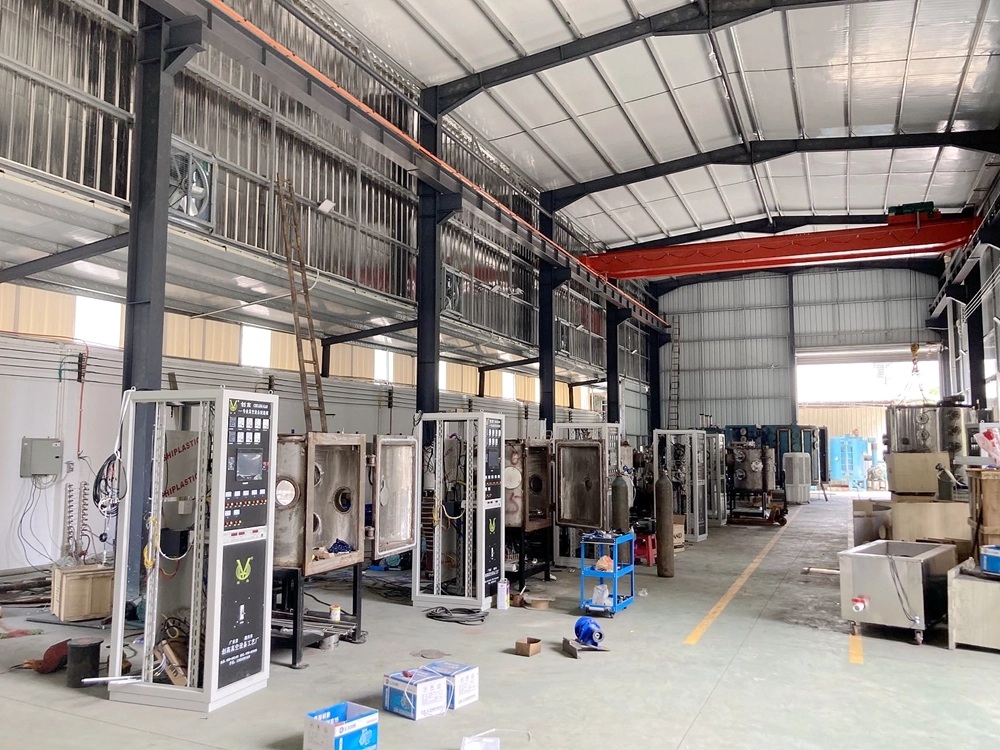
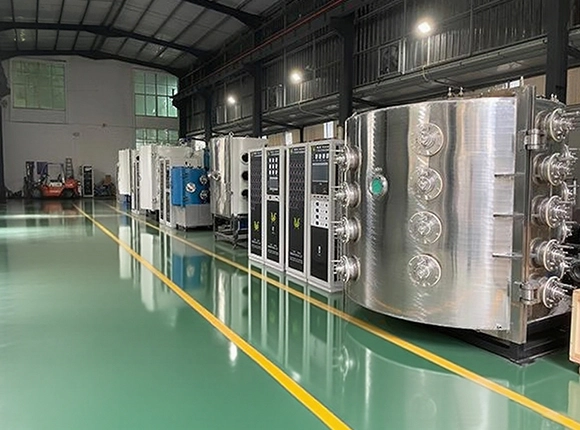
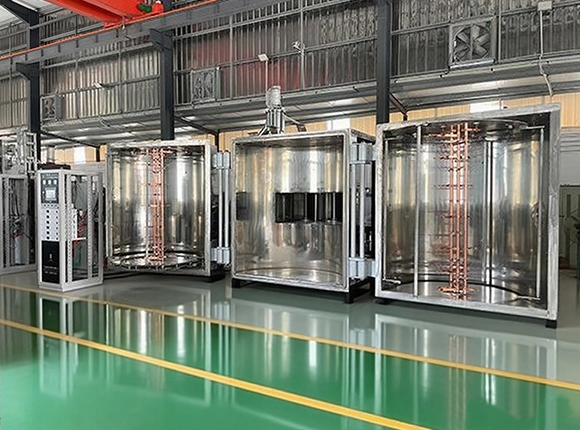
CGVAC, líder en la fabricación de máquinas de revestimiento al vacío, ofrece una gama completa de soluciones:
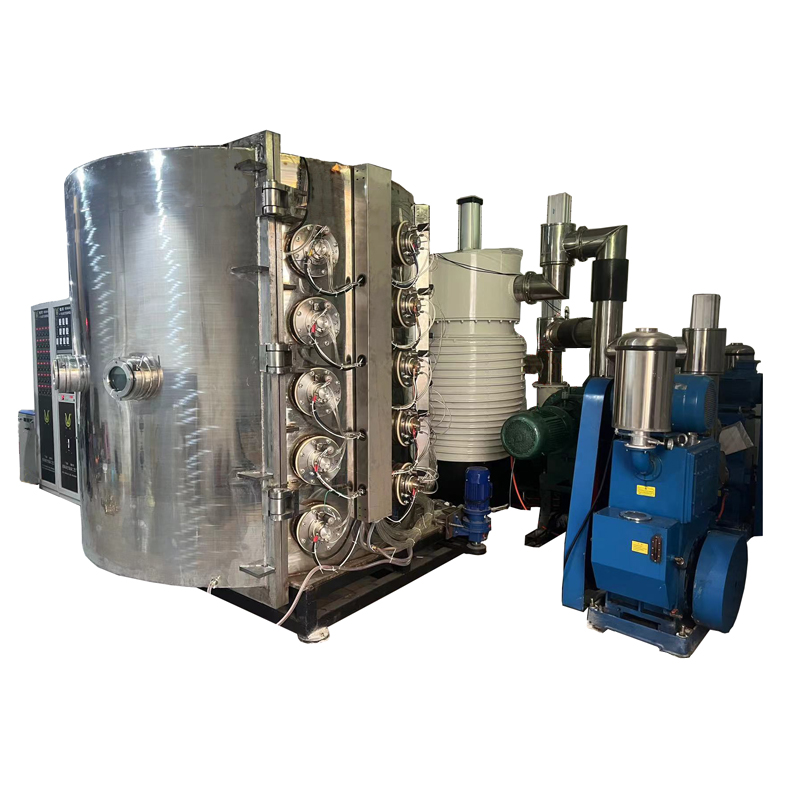
- Máquinas de recubrimiento PVD por arco de iones múltiples para una alta productividad y acabados decorativos
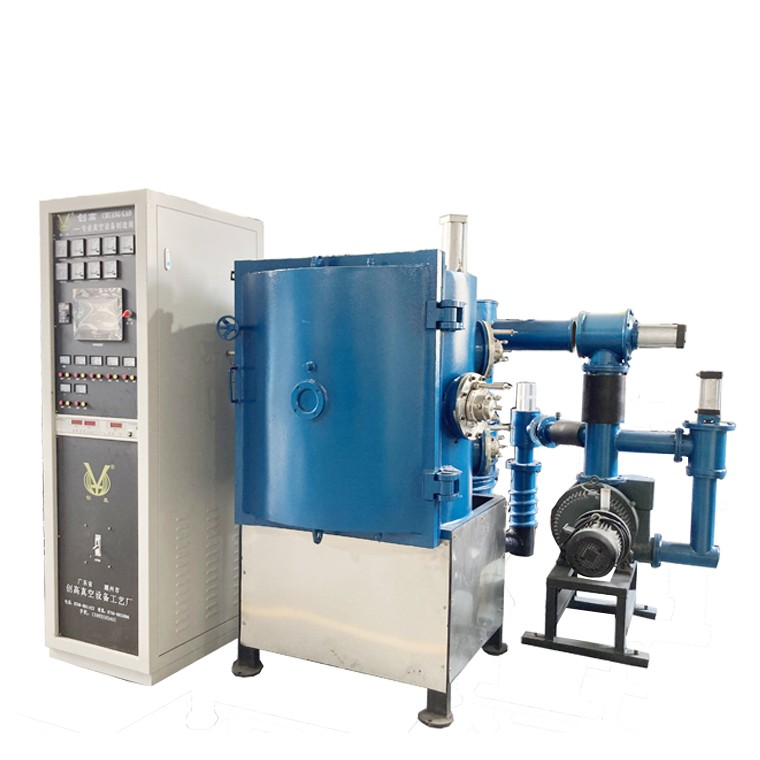
- Máquina de recubrimiento por magnetrón sputtering en vacío para películas funcionales
- Máquinas de revestimiento al vacío por evaporación para películas ópticas y superficies planas
- Máquinas funcionales de revestimiento PVD soporte de películas resistentes al desgaste, anticorrosión, conductoras y antibacterianas
Servicios de personalización:
- Equipos adaptados al tamaño del producto, el material y la aplicación industrial
- Sistemas de producción por lotes, multicámara o en continuo
- Orientación técnica, instalación y asistencia posventa
Aplicaciones industriales:
- Artículos sanitarios
- Joyas y abalorios
- Cerámica, vidrio y plástico
- Bienes de consumo de acero inoxidable
- Componentes ópticos y electrónicos
Trabajar con CGVAC, fabricante profesional, garantiza revestimientos de PVD estables, seguros y conformes a las normas para cualquier producto.
Preguntas frecuentes
- ¿Se pueden utilizar revestimientos PVD para productos en contacto con alimentos? Sí, con objetivos de calidad alimentaria y un control estable del proceso.
- ¿Se despegará la película de PVD? No, las películas son estables si se procesan correctamente.
- ¿Qué es más seguro: el sputtering por magnetrón o el PVD por arco? Ambos son muy seguros; la elección depende de la función de la película y de las necesidades de producción.
- ¿Es el revestimiento PVD respetuoso con el medio ambiente? Sí, la deposición en vacío no produce residuos químicos ni emisiones de disolventes.
Conclusión
El revestimiento PVD no plantea riesgos de toxicidad en condiciones normales de uso. Los verdaderos factores que afectan a la seguridad son la selección del material, los parámetros del proceso y la calidad del equipo. Si está pensando en aplicar el recubrimiento por PVD, sputtering por magnetrón, PVD por arco o recubrimiento por evaporación en vacío en su producción, CGVAC puede proporcionar soluciones personalizadas de máquinas de recubrimiento PVD, La formación, la orientación técnica y las cotizaciones de equipos mejoran la seguridad, la funcionalidad y el aspecto de los productos.