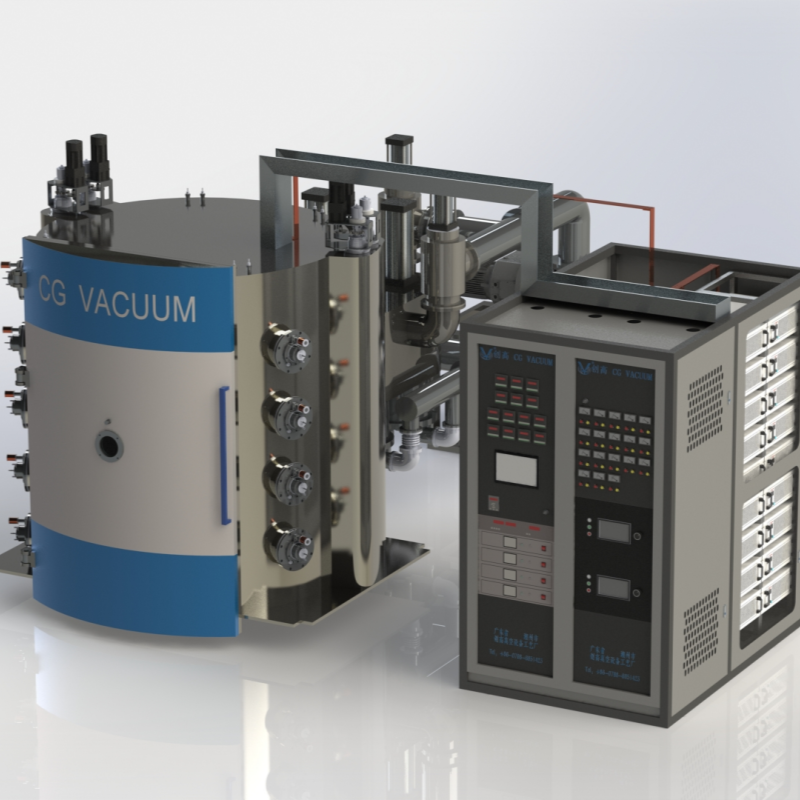
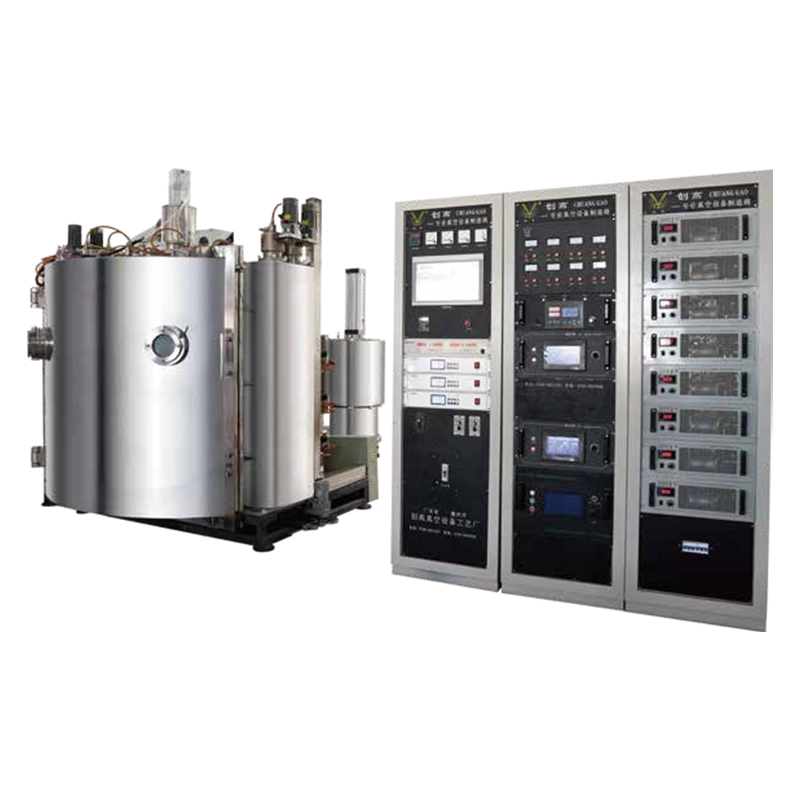
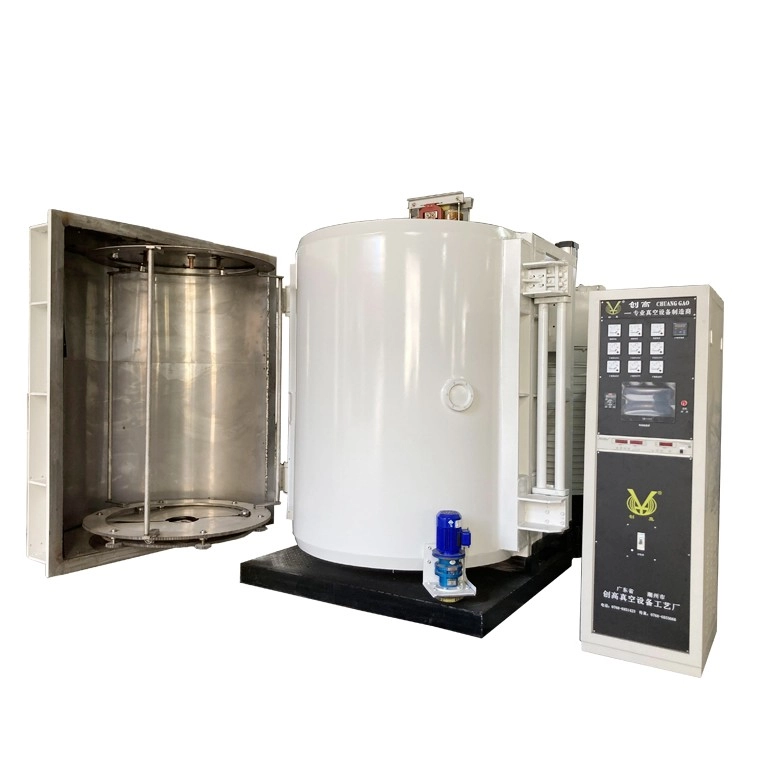
Das Abblättern von PVD-Beschichtungen ist eines der kritischsten Probleme bei der industriellen Oberflächenbehandlung. Es beeinträchtigt nicht nur die Qualität des Aussehens, sondern auch die Haltbarkeit des Produkts, die Korrosionsbeständigkeit und die langfristige Leistung. Warum blättert eine PVD-Beschichtung ab? Unter Die Erfahrung von CGVAC als Hersteller von PVD-Vakuum-Beschichtungsanlagen, Die Delamination von Beschichtungen wird selten durch einen einzelnen Faktor verursacht. Stattdessen ist sie in der Regel das Ergebnis eines Systemfehlers, der die Substratvorbereitung, die Prozesssteuerung und die Stabilität der Anlagen betrifft.
Was ist PVD-Beschichtungs-Peeling? Adhäsionsversagen erklärt
Die PVD-Beschichtung (Physical Vapor Deposition) ist ein vakuumbasiertes Verfahren, bei dem Atome auf einer Substratoberfläche abgeschieden werden, um einen dünnen Funktionsfilm zu bilden. Wenn sich die Beschichtung ablöst, ist sie nicht einfach nur beschädigt. Es handelt sich um ein Adhäsionsversagen an der atomaren Grenzfläche.
Zu den wichtigsten Fehlerarten gehören:
- Grenzflächenversagen zwischen Beschichtung und Substrat
- Kohäsives Versagen innerhalb der Deckschicht
In der industriellen Produktion ist das Versagen von Grenzflächen die häufigste Art und deutet oft auf verfahrens- oder anlagenbedingte Probleme hin.
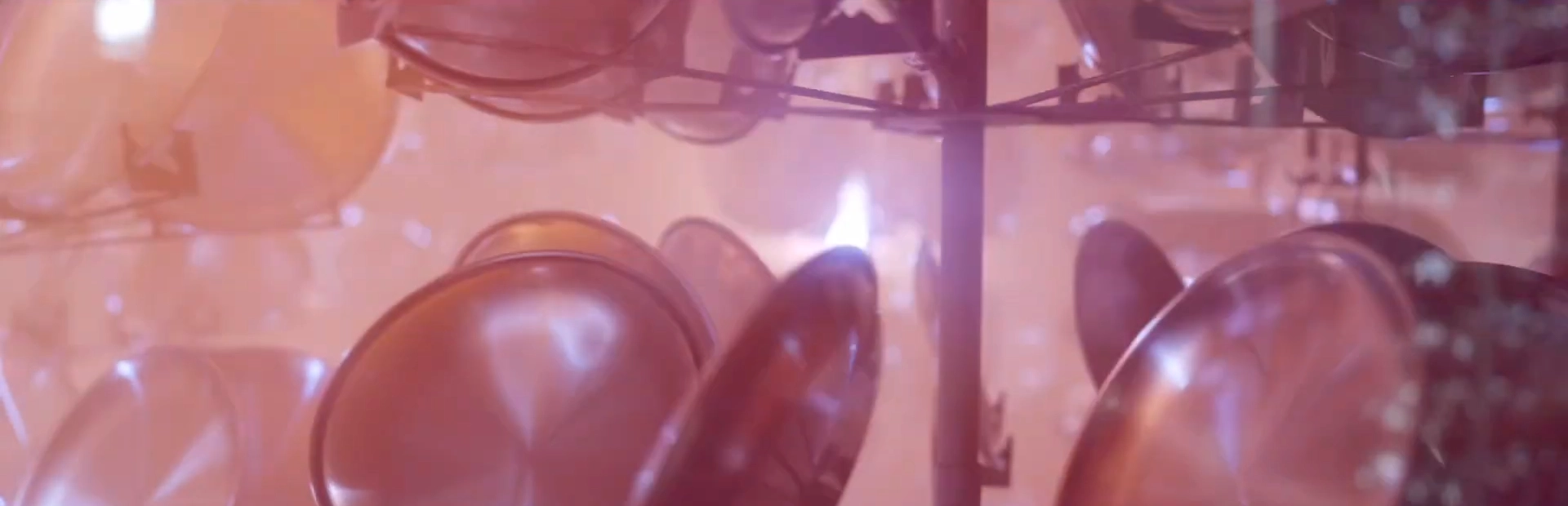
Warum löst sich eine PVD-Beschichtung ab: Ursachen und Versagensmechanismen
Schlechte Oberflächenvorbereitung des Substrats
Mehr als die Hälfte der Probleme mit dem Abblättern von Beschichtungen in Produktionsumgebungen sind auf Probleme bei der Oberflächenvorbereitung zurückzuführen. Zu den häufigsten Problemen gehören:
- Ölverschmutzung, Polierwachs oder Oxidationsschichten
- Unvollständige Reinigungsverfahren, wie Ultraschallreinigung oder Entfettung
- Unzureichende Ionenätzung vor der Abscheidung
Diese Verunreinigungen bilden eine mikroskopisch kleine Sperrschicht, die eine Bindung auf atomarer Ebene zwischen Beschichtung und Substrat verhindert. Das Ergebnis ist eine schwache Haftung von Beginn des Prozesses an.
Materialverträglichkeit und thermische Belastung
Selbst bei ordnungsgemäßer Oberflächenvorbereitung können Beschichtungsfehler aufgrund von Materialfehlern auftreten. Zu den wichtigsten Faktoren gehören:
- Ungleiche Wärmeausdehnungskoeffizienten
- Härteunterschiede zwischen Beschichtung und Substrat
- Ungeeigneter Aufbau der Mehrlagenbeschichtung
Diese Probleme erzeugen beim Abkühlen innere Spannungen, die zu Rissen oder Delaminationen führen können.
Prozess- und Anlageninstabilität
Die Qualität der PVD-Beschichtung hängt in hohem Maße von der Prozess- und Anlagenstabilität ab. Zu den wichtigsten Faktoren gehören:
- Unzureichendes Vakuum verursacht Sauerstoff- und Feuchtigkeitskontamination
- Unsachgemäße Steuerung der Vorspannung führt zu porösen oder überbeanspruchten Schichten
- Instabile Abscheidungsrate mit Auswirkungen auf die Filmdichte
- Plasmainstabilität verursacht ungleichmäßige Energieverteilung
Diese Probleme führen zu einer uneinheitlichen Beschichtungsqualität und instabiler Haftung.
Wie diagnostiziert man die Ursachen für das Abblättern der PVD-Beschichtung?
Analyse der Versagensmorphologie
- Abblättern der Kanten zeigt Spannungskonzentration an
- Großflächige Delamination deutet auf Grenzflächenkontamination hin
- Punktuelle Ausfälle deuten auf lokale Prozessinstabilität hin
Labor-Testmethoden
- SEM-Analyse zur Beobachtung der Grenzflächenstruktur
- EDS-Analyse zum Nachweis von Sauerstoff- und Kohlenstoffverunreinigungen
- Adhäsionstests, einschließlich Kratztest, Kreuzschraffur-Test und Rockwell-Test
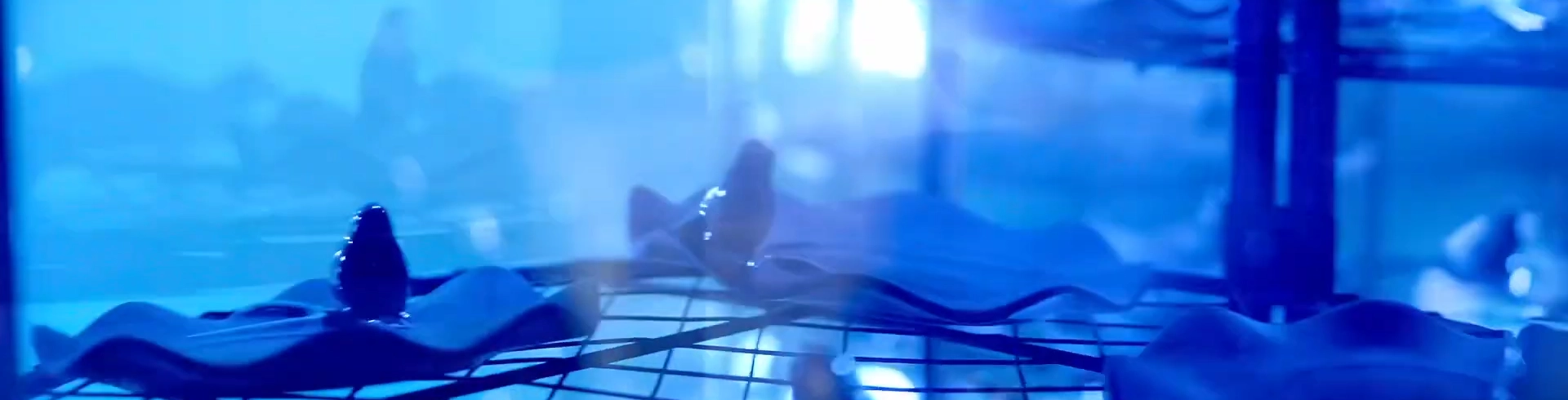
Warum bestimmt die Vakuum-Beschichtungsanlage die Beschichtungsstabilität?
In der industriellen Produktion definiert der Prozess die untere Grenze, während die Anlage die obere Grenze definiert. Selbst bei optimierten Parametern kann eine instabile Anlage immer noch zu Beschichtungsfehlern führen.
Zu den üblichen Einschränkungen der Ausrüstung gehören:
- Instabilität des Vakuumsystems verursacht Chargenschwankungen
- Ungleichmäßige Plasmaverteilung führt zu ungleichmäßiger Beschichtungsdichte
- Unzureichende Energiekontrolle führt zu unkontrolliertem innerem Stress
- Geringe langfristige Betriebsstabilität beeinträchtigt die Wiederholbarkeit
Wie löst CGVAC das PVD-Beschichtungspeeling systematisch?
Bei industriellen Vakuumbeschichtungsanwendungen ist das Abblättern der Beschichtung kein einzelnes Prozessproblem. Es handelt sich um eine Systemfehlanpassung zwischen Anlagenstabilität, Energiekontrolle und Prozesswiederholbarkeit. Eine zuverlässige Beschichtungslösung muss Anlagen-, Prozess- und Produktionsstabilität integrieren.
Beschränkungen herkömmlicher PVD-Systeme
Viele herkömmliche PVD-Systeme sind aufgrund struktureller Beschränkungen nicht in der Lage, eine langfristige Haftfestigkeit aufrechtzuerhalten. Typische Probleme sind:
- Instabile Vakuumumgebung und Restgasverschmutzung
- Ungleichmäßige Energieverteilung im Plasma
- Begrenzte Kontrolle der Prozessfenster und schlechte Reproduzierbarkeit
Diese Einschränkungen erschweren eine stabile Massenproduktion.
CGVAC PVD-Beschichtungssystem Vorteile
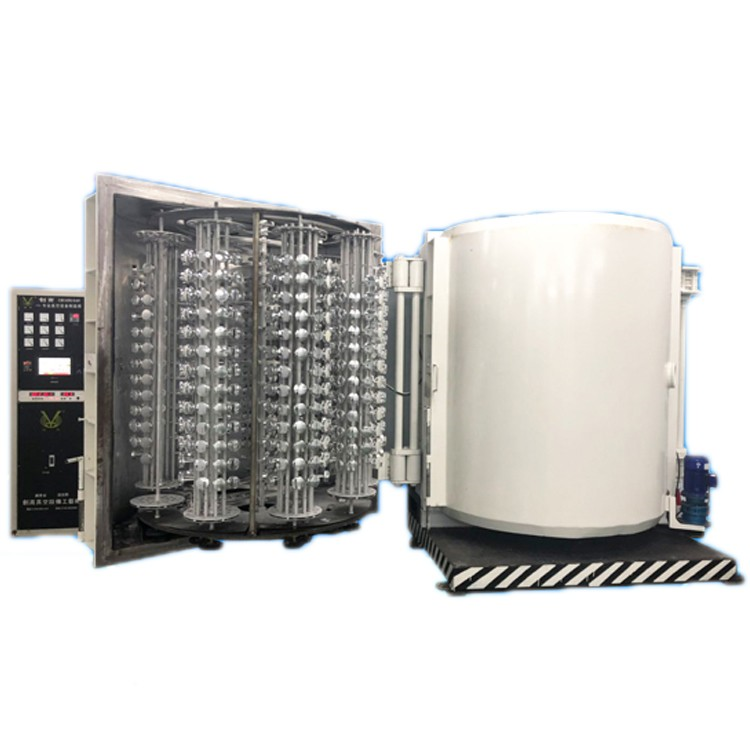
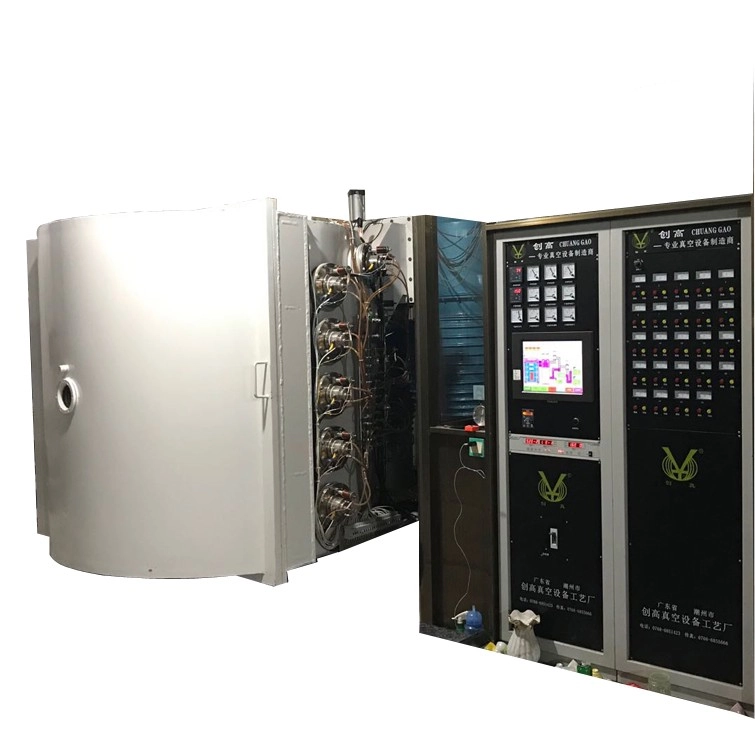
Als Professioneller Hersteller von PVD-Beschichtungsanlagen, CGVAC bietet Lösungen auf Systemebene zur Verbesserung der Beschichtungsstabilität und Haftungsleistung.
Hochstabile Vakuumarchitektur
Verbesserte Kammerversiegelung und Vakuumkontrolle reduzieren Kontaminationen und verbessern die Qualität der Schnittstellen.
Magnetron-Sputterquelle mit hoher Dichte
Die optimierte Plasmagleichmäßigkeit verbessert die Filmdichte und die strukturelle Konsistenz.
Präzises Vorspannungs- und Energiesteuerungssystem
Die stabile Steuerung der Ionenenergie reduziert die innere Spannung und verbessert die Haltbarkeit der Beschichtung.
Entwurf der Stabilität der industriellen Produktion
Gewährleistet Konsistenz von Charge zu Charge und langfristige Betriebsstabilität.
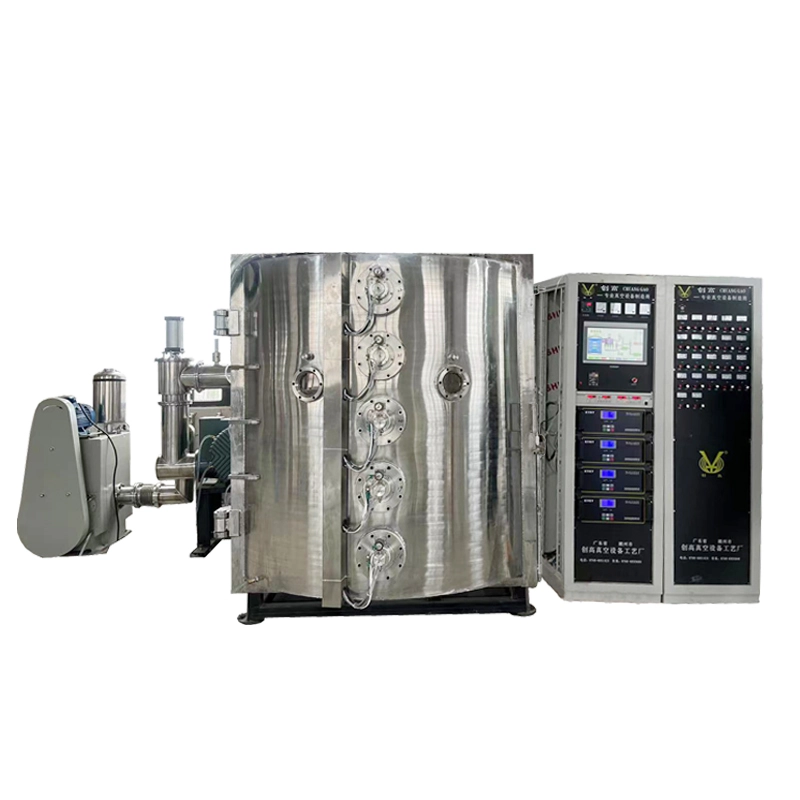
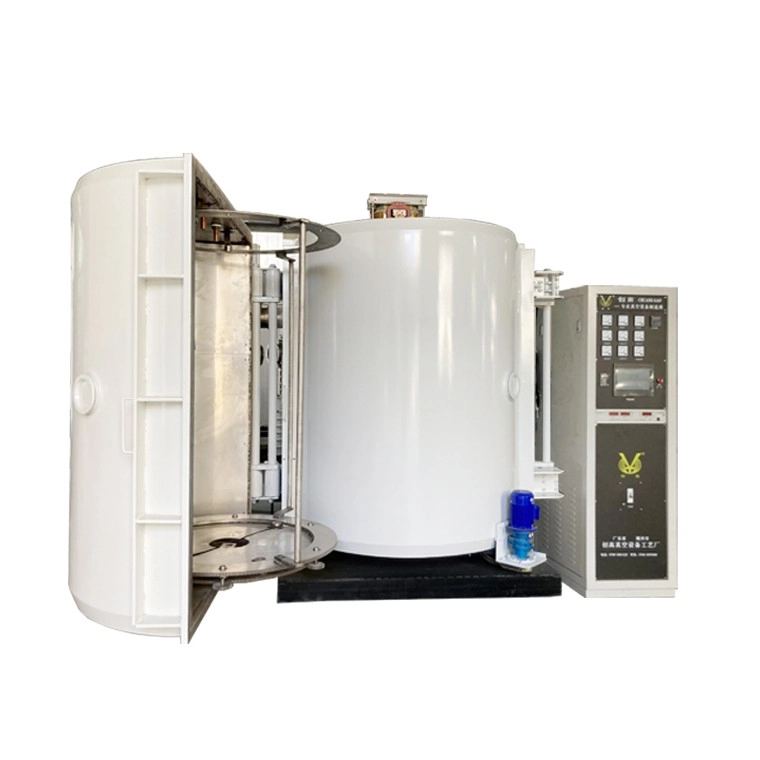
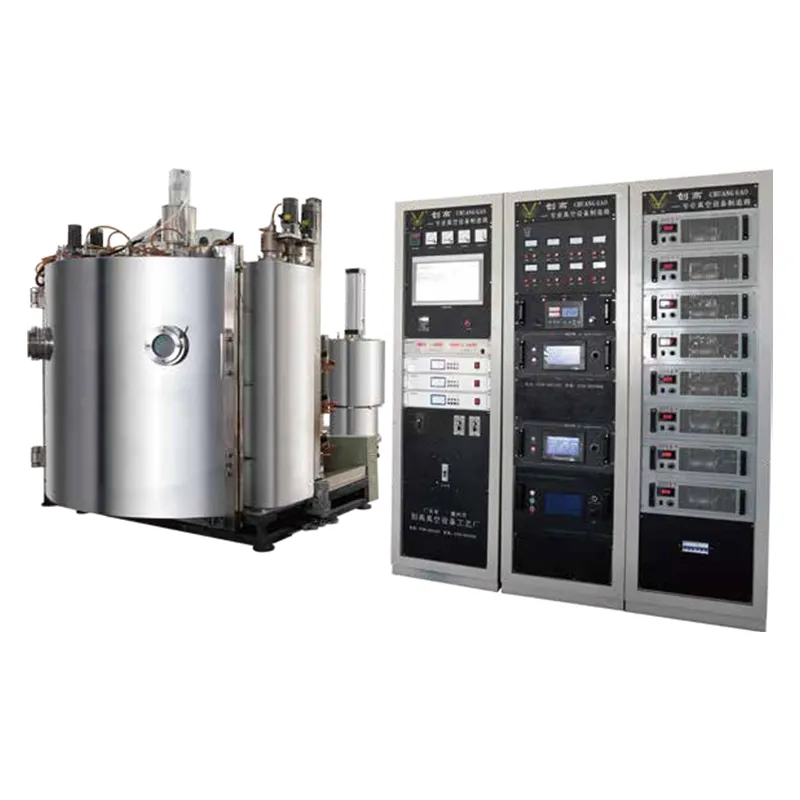
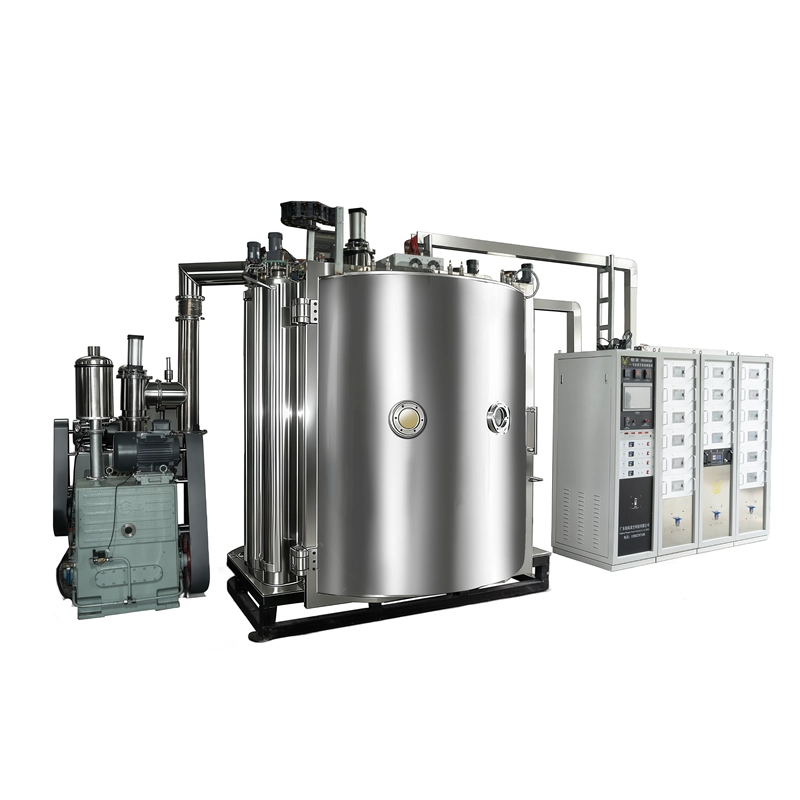
Vom Ausrüstungslieferanten zum Anbieter von Systemlösungen
CGVAC bietet nicht nur Anlagen, sondern auch komplette PVD-Beschichtungslösungen an.
Die Dienstleistungen umfassen:
- Breite Palette von Vakuumbeschichtungsmaschinen
- Prozessoptimierung und technische Unterstützung
- Entwicklung von Beschichtungslösungen für spezifische Anwendungen
- Integration schlüsselfertiger Produktionslinien
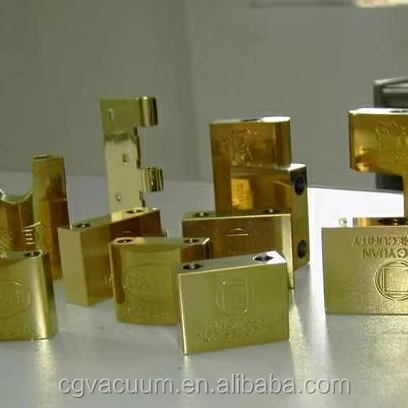
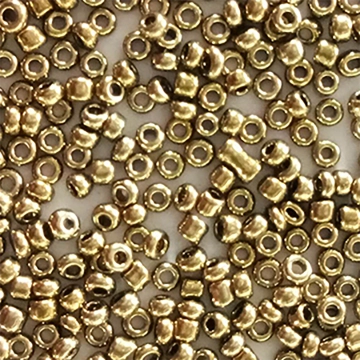
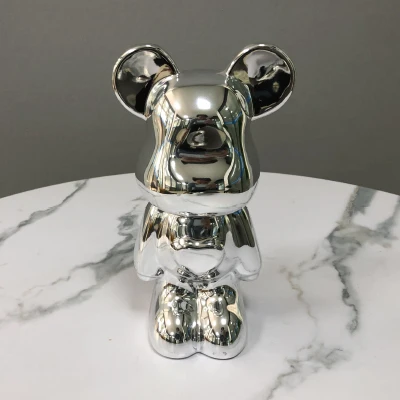
Anwendungsbereiche der PVD-Beschichtungsanlage Dazu gehören Sanitärkeramik, Schmuck und Perlen, Keramik, Edelstahlprodukte, Eisenwaren, Elektronik, Glas und Kunststoffe. Das Wertversprechen verlagert sich von der Beschichtungsfähigkeit zur stabilen industriellen Massenproduktion.


Schlussfolgerung
Das Abblättern von PVD-Beschichtungen ist eher ein systemtechnisches Problem als ein Einzelfaktordefekt. Es wird in der Regel durch eine Kombination aus Problemen bei der Substratvorbereitung, Prozessinstabilität und Anlagenbeschränkungen verursacht. Eine stabile industrielle PVD-Produktion erfordert leistungsstarke Anlagen, eine standardisierte Prozesssteuerung und ein systemtechnisches Design.
Wenn sich die Beschichtung ablöst, die Haftung instabil ist oder die Produktion inkonsistent ist, CGVAC kann Ihnen bei der Bewertung Ihres Prozesses helfen und geeignete Vakuumbeschichtungslösungen empfehlen. Kontakt für technische Unterstützung oder Beratung über Geräte