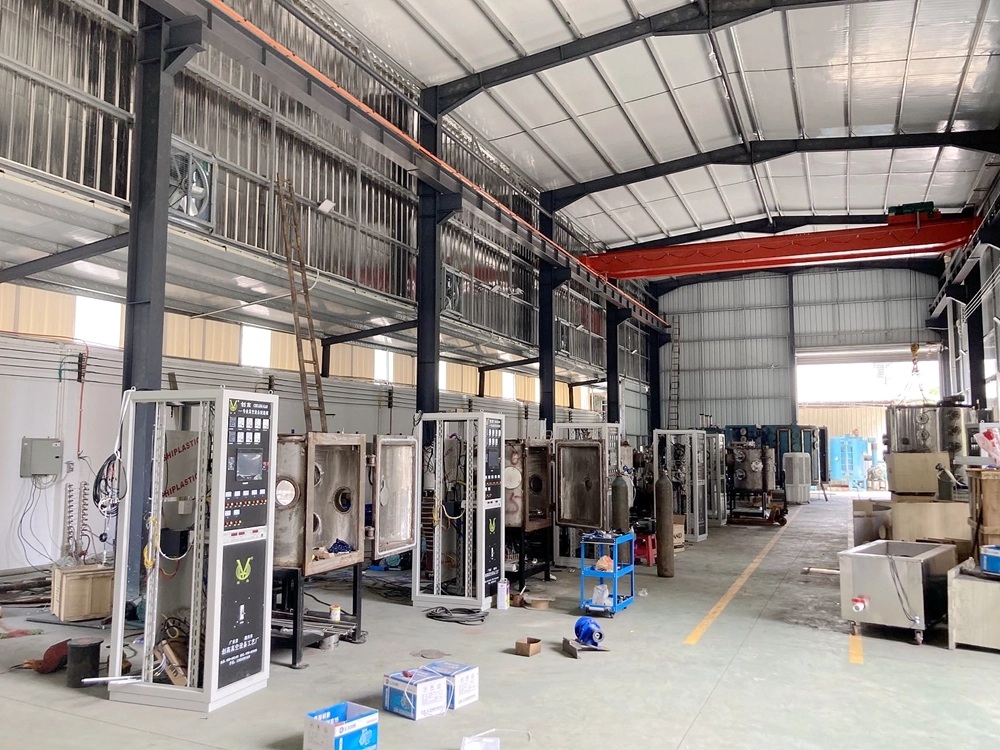
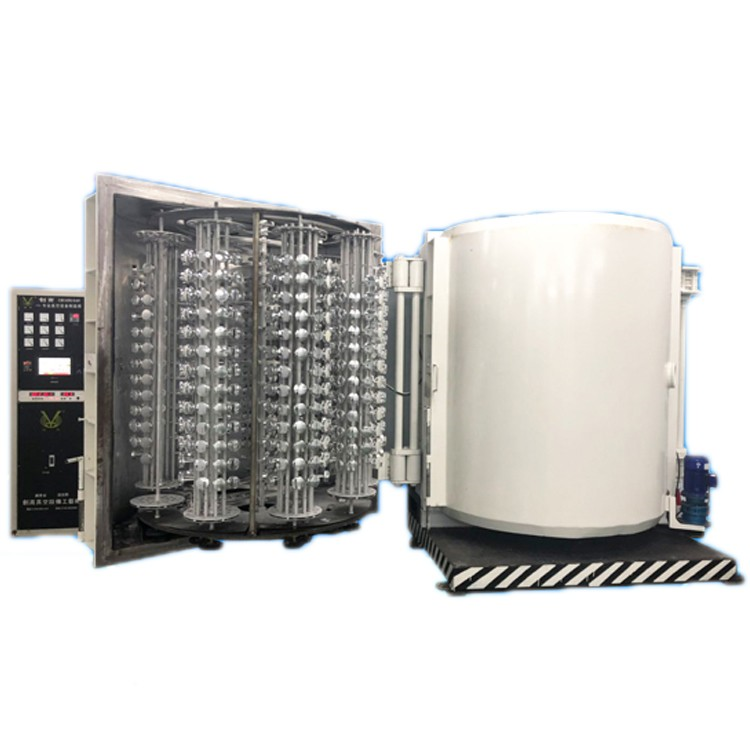
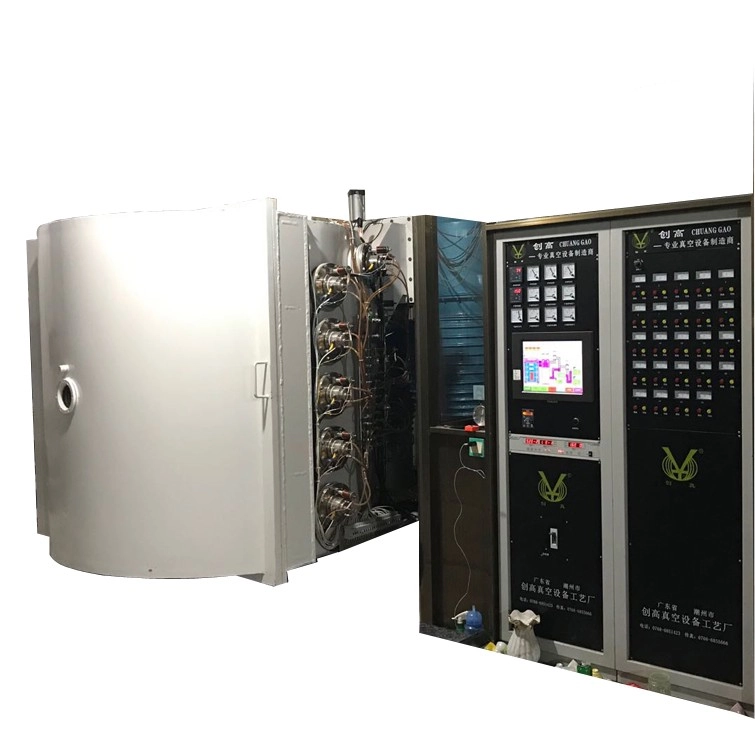
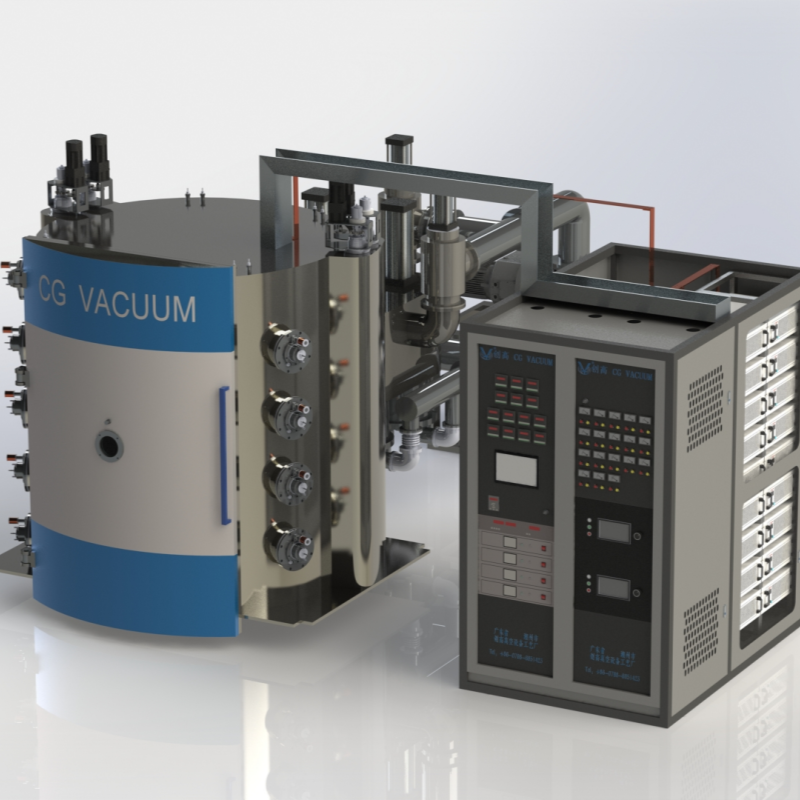
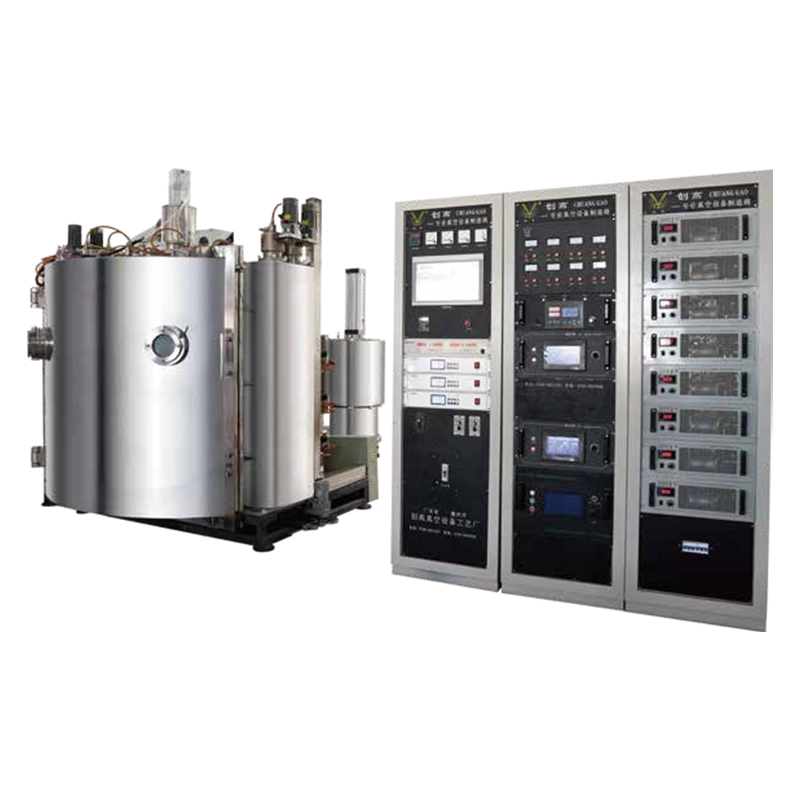
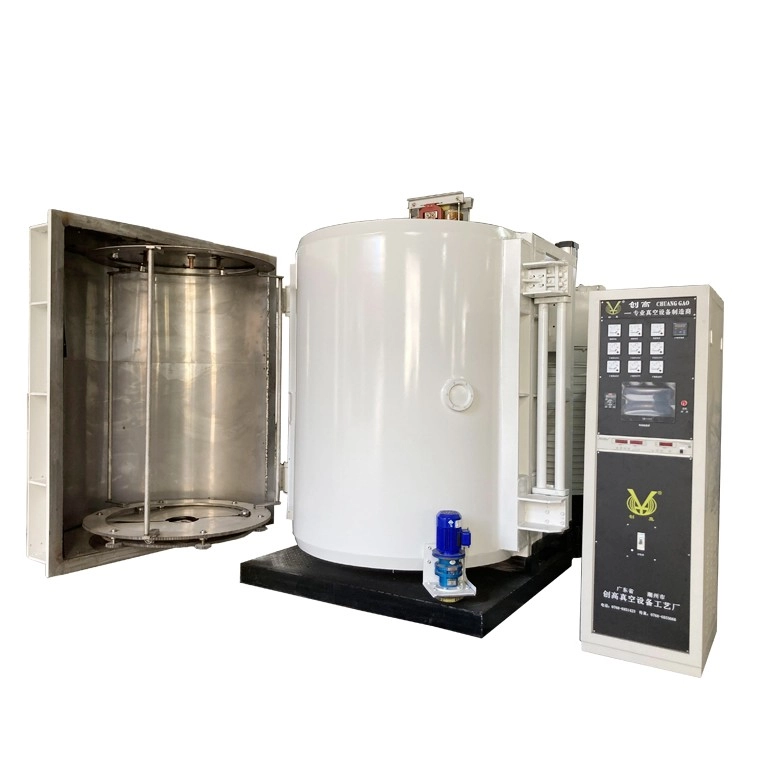
“Ist die PVD-Beschichtung giftig?” ist eine Frage, die Kunden häufig stellen, wenn sie Produkte aus rostfreiem Stahl, Badezimmerzubehör, Keramik, Glas, Kunststoff, Optik und hochwertige Elektronik kaufen. Diese Frage ist aufgrund des wachsenden Bewusstseins für Lebensmittelsicherheit, Umweltvorschriften und industrielle Compliance immer wichtiger geworden. Als Professioneller Hersteller von PVD-Beschichtungsanlagen, CGVAC bietet einen praktischen Leitfaden zur Sicherheit von PVD-Beschichtungen, der Verfahrensgrundsätze, Materialauswahl, industrielle Anwendungen und Ausrüstungsüberlegungen behandelt, um Herstellern und Käufern zu helfen, fundierte Entscheidungen zu treffen.
Was ist PVD-Beschichtung? Die Sicherheit des Prozesses verstehen
PVD (Physical Vapor Deposition) ist eine Technologie, bei der metallische oder keramische Materialien durch physikalische Methoden auf ein Substrat aufgebracht werden. Im Gegensatz zum herkömmlichen chemischen Beschichten, Galvanisieren oder Sprühlackieren findet PVD in einer Vakuumumgebung statt und erfordert keine chemischen Reaktionen oder Restlösungsmittel.
Zu den gängigen PVD-Verfahren gehören:
- Multi-Arc-Vakuum-PVD: Schnelle Abscheidung mit farbigen Oberflächen, weit verbreitet für dekorative Komponenten und hochwertiges Besteck.
- Magnetron-Sputtering-Vakuum-Beschichtung: Geeignet für funktionelle Beschichtungen wie verschleißfeste, korrosionsschützende oder leitfähige Filme, die auf Metallen, Keramik und Glas anwendbar sind.
- Verdampfungs-Vakuum-Beschichtung: Ideal für optische Beschichtungen oder flache dekorative Oberflächen; erzeugt gleichmäßige und funktionelle Filme.
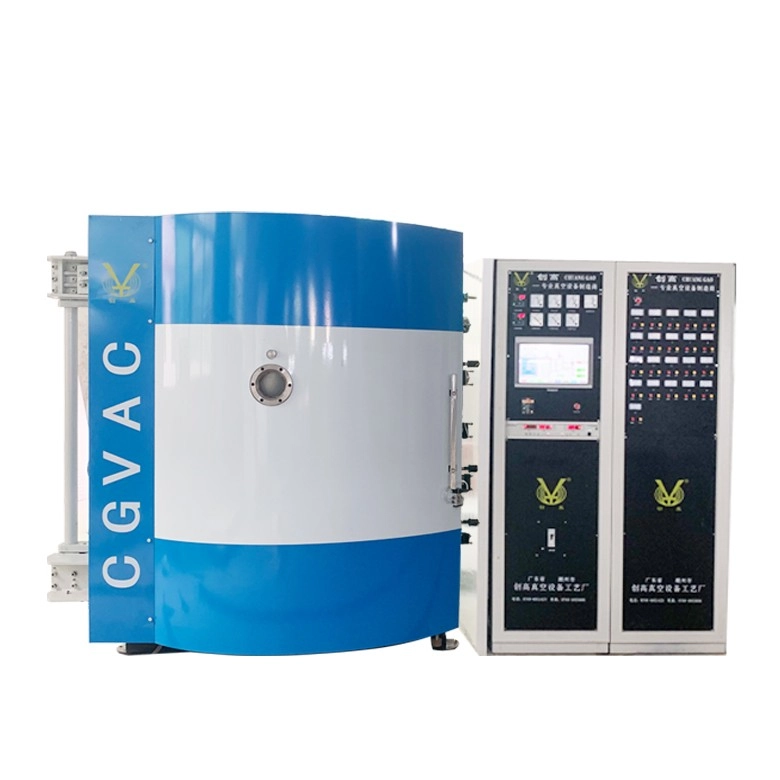
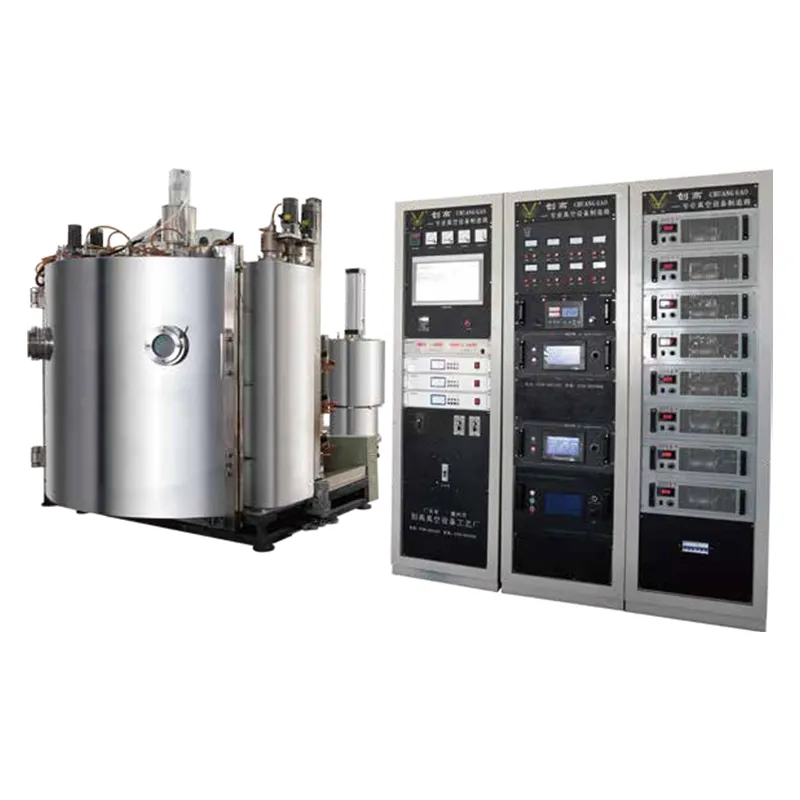
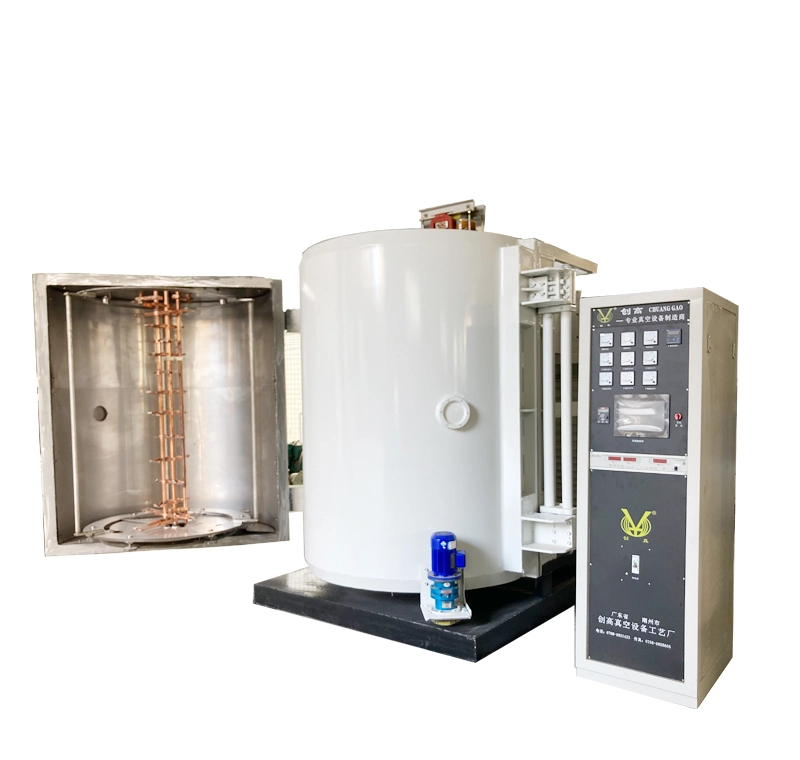
Die verschiedenen Verfahren eignen sich für unterschiedliche Materialien und Anwendungen, ihr Sicherheitsprinzip ist jedoch das gleiche: PVD-Beschichtungen setzen bei der Endanwendung keine toxischen Stoffe frei.
Ist die PVD-Beschichtung giftig? Eine wissenschaftliche Erläuterung
Q1: Sind Beschichtungsmaterialien giftig?
Zu den gängigen PVD-Targetmaterialien gehören Ti, Cr, Zr, Al, TiN und CrN. Diese Materialien sind in fester Schichtform stabil und werden häufig verwendet:
- Waschbecken, Toiletten und Beschläge im Bad
- Hochwertige Schmuckstücke und Perlen
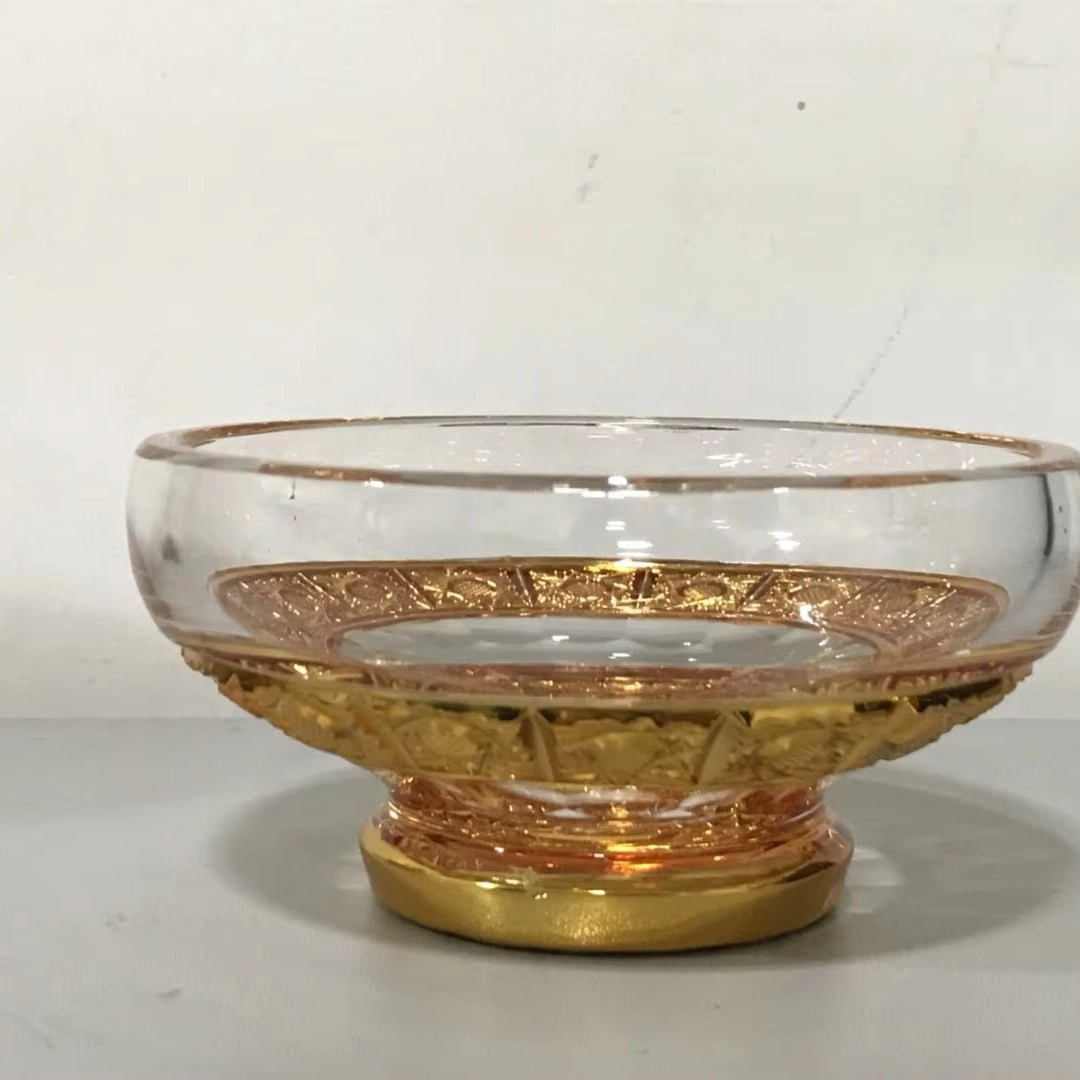
- Keramikgeschirr und Wohnkultur
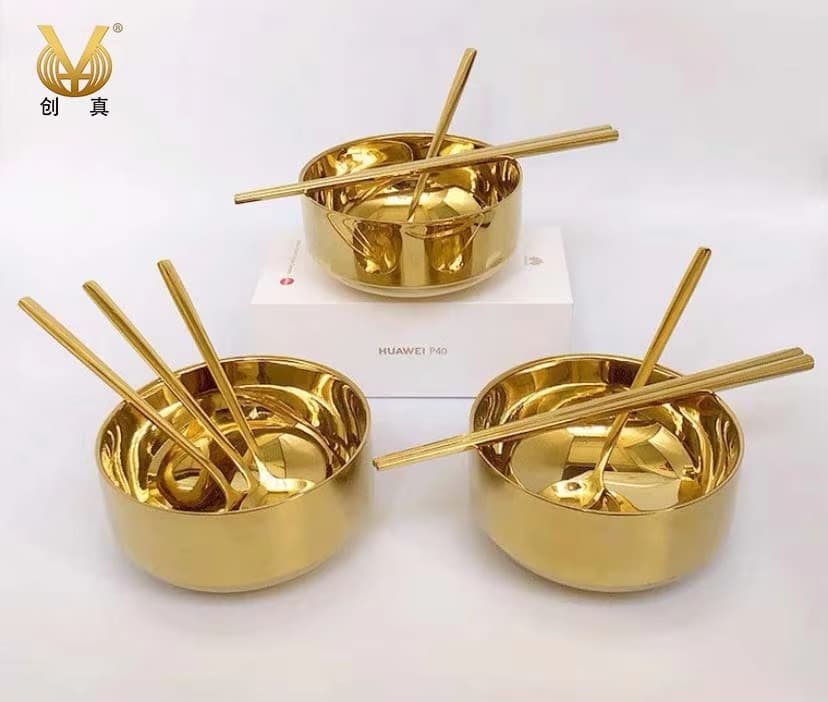
- Besteck und Küchengeräte aus Edelstahl
- Optische und elektronische Komponenten

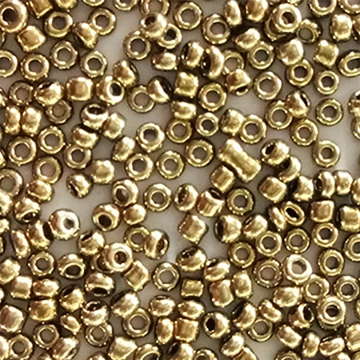

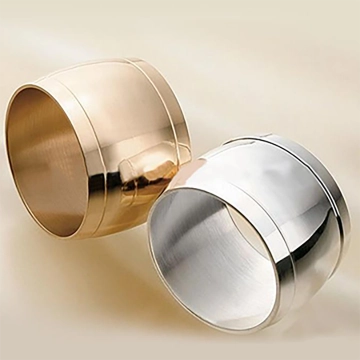
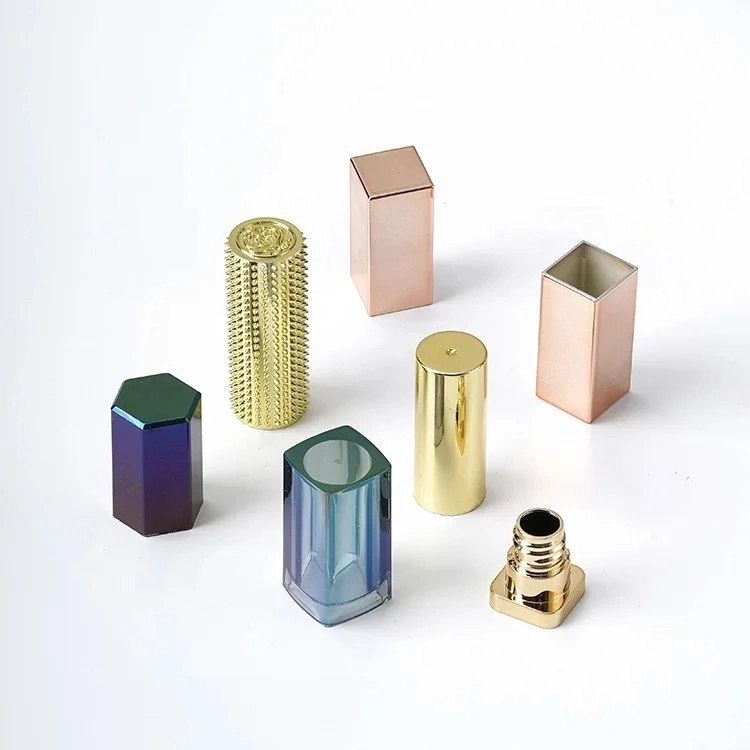
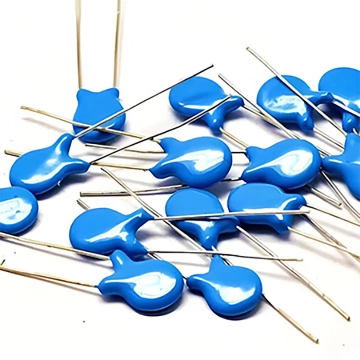
PVD-Beschichtungen sind, wenn sie nach Industriestandards ausgewählt werden, chemisch inert und setzen keine schädlichen Substanzen frei.
F2: Gibt es Risiken während des Beschichtungsprozesses?
- PVD wird in einer Vakuumumgebung durchgeführt
- Es sind keine Säuren, Laugen oder chemische Lösungen beteiligt.
- Die abgeschiedenen Schichten sind dicht und stabil
Daher besteht kein Risiko von Rückständen giftiger Chemikalien auf dem Endprodukt.
Q3: Lebensmittelkontakt und Konsumgüter
- PVD-Schichten sind korrosionsbeständig, verschleißfest und leicht zu reinigen
- Geeignet für Edelstahlbesteck, Küchenutensilien und andere Konsumgüter
- Die Sicherheit hängt davon ab:
- Auswahl des Zielmaterials (lebensmittelgeeignete Metalle oder Keramiken)
- Kontrolle der Prozessparameter (Schichtdicke, Gleichmäßigkeit)
- Stabilität und Wiederholbarkeit der Ausrüstung
Schlussfolgerung: Mit den richtigen Materialien, der richtigen Prozesssteuerung und Ausrüstung können PVD-Beschichtungen stellen kein Toxizitätsrisiko dar.

PVD-Beschichtung vs. andere Oberflächenbehandlungen: Vergleich von Sicherheit und Umwelt
| Prozess | Enthält gefährliche Chemikalien? | Sicherheit der Endanwendung | Umweltfreundlichkeit | Typische Anwendungen |
|---|---|---|---|---|
| Magnetronzerstäubung PVD | Nein | Sehr hoch | Hoch | Funktionsfolien, medizinisch, optisch |
| Bogen PVD | Nein | Hoch | Hoch | Hochwertige dekorative Teile, Besteck, Badezimmerzubehör |
| Verdunstungsbeschichtung | Nein | Hoch | Hoch | Optische Beschichtungen, flache dekorative Oberflächen |
| Galvanisieren | Ja (chemische Lösungen) | Variiert | Mittel | Metallprodukte für den Massenmarkt |
| Spritzlackierung | Möglich (Lösungsmittel) | Mittel | Mittel | Kunststoffe, Dekorationsartikel |
Zusammenfassung: Vakuum-PVD-Technologien sind in der Endanwendung praktisch ungiftig und sicherer als herkömmliche nasschemische oder lösungsmittelbasierte Beschichtungen.
Schlüsselfaktoren, die die Sicherheit von PVD-Beschichtungen beeinflussen
- Zielmaterial und Filmdesign: Produkte, die mit Lebensmitteln in Berührung kommen, oder medizinische Produkte erfordern sichere und stabile Materialien.
- Kontrolle der Prozessparameter: Leistung, Temperatur und Abscheiderate beeinflussen die Schichtdichte und die Haltbarkeit.
- Stabilität der Ausrüstung: Hochvakuumsysteme und präzise Kontrollen gewährleisten eine gleichbleibende Qualität über alle Produktionschargen hinweg.
Über CGVAC, Ihren professionellen PVD-Beschichtungsmaschinenhersteller
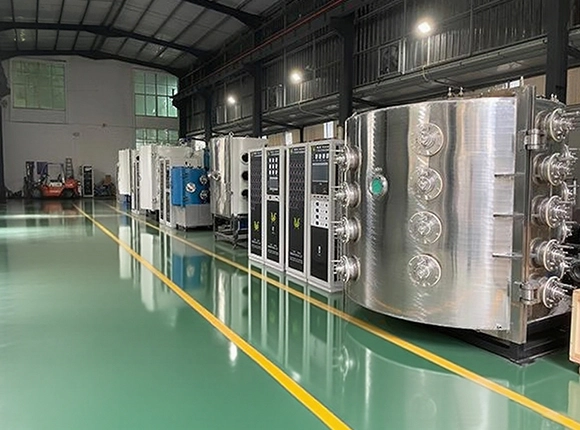
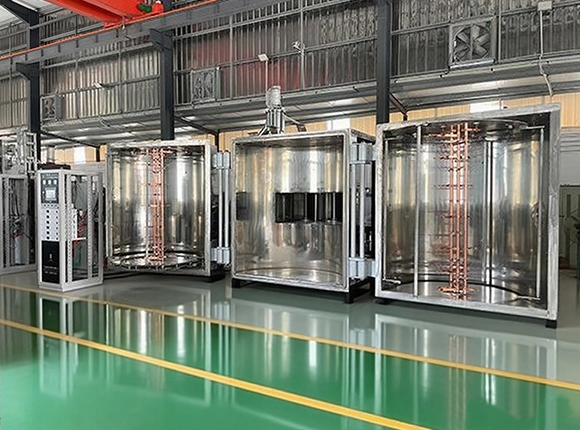
CGVAC, ein führender Hersteller von Vakuumbeschichtungsanlagen, bietet eine breite Palette von Lösungen:
- Multi-Ionen-Bogen-PVD-Beschichtungsanlagen für hohe Produktivität und dekorative Veredelung
- Magnetron-Sputtering-Vakuum-Beschichtungsanlage für Funktionsfolien
- Aufdampf-Vakuum-Beschichtungsmaschinen für optische Folien und ebene Oberflächen
- Funktionelle PVD-Beschichtungsanlagen Unterstützung von verschleißfesten, korrosionsschützenden, leitfähigen und antibakteriellen Schichten
Anpassungsdienste:
- Auf Produktgröße, Material und Industrieanwendung zugeschnittene Ausrüstung
- Chargen-, Mehrkammer- oder kontinuierliche Produktionssysteme
- Technische Beratung, Installation und Kundendienst
Industrieanwendungen:
- Sanitärartikel
- Schmuck & Perlen
- Keramik, Glas und Kunststoff
- Konsumgüter aus rostfreiem Stahl
- Optische und elektronische Komponenten
Arbeiten mit CGVAC, ein professioneller Hersteller, gewährleistet stabile, sichere und vorschriftsmäßige PVD-Beschichtungen für jedes Produkt.
Häufig gestellte Fragen
- Können PVD-Beschichtungen für Produkte mit Lebensmittelkontakt verwendet werden? Ja, mit lebensmitteltauglichen Zielen und stabiler Prozesskontrolle.
- Kann die PVD-Folie abblättern? Nein, Filme sind bei richtiger Verarbeitung stabil.
- Was ist sicherer: Magnetronsputtern oder Arc PVD? Beide sind sehr sicher; die Wahl hängt von der Funktion des Films und den Produktionsanforderungen ab.
- Ist die PVD-Beschichtung umweltfreundlich? Ja, bei der Vakuumbeschichtung entstehen keine chemischen Rückstände oder Lösungsmittelemissionen.
Schlussfolgerung
PVD-Beschichtung birgt keine Toxizitätsrisiken bei normalem Gebrauch. Die wahren Faktoren, die die Sicherheit beeinflussen, sind die Materialauswahl, die Prozessparameter und die Qualität der Anlagen. Wenn Sie planen, PVD, Magnetron-Sputtern, Arc-PVD oder Aufdampf-Vakuumbeschichtung in Ihrer Produktion einzusetzen, CGVAC kann bieten Kundenspezifische Lösungen für PVD-Beschichtungsanlagen, technische Beratung und Angebote für Geräte zur Verbesserung der Produktsicherheit, der Funktionalität und des Aussehens.