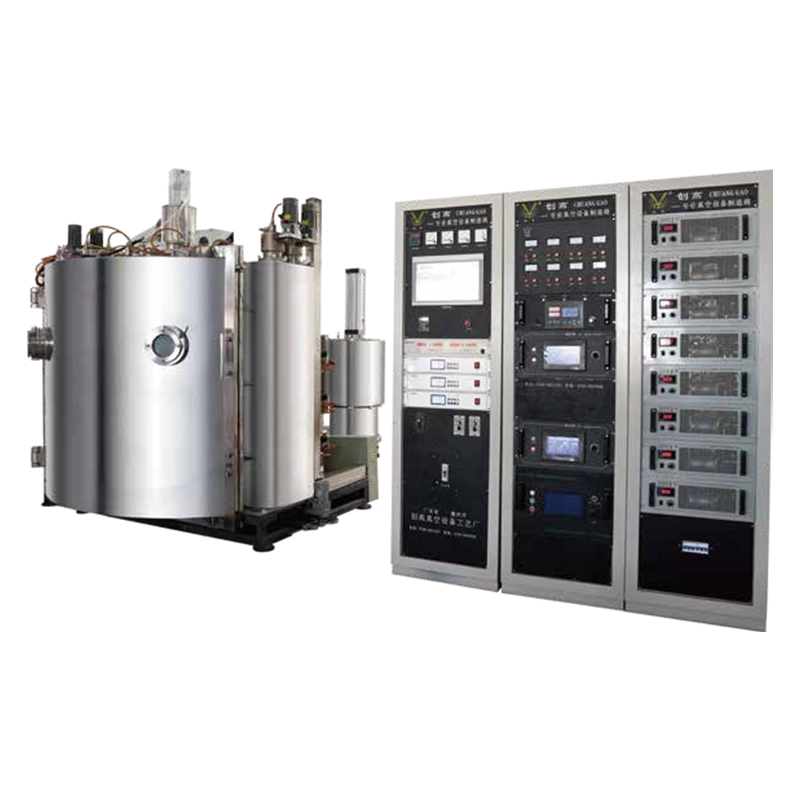
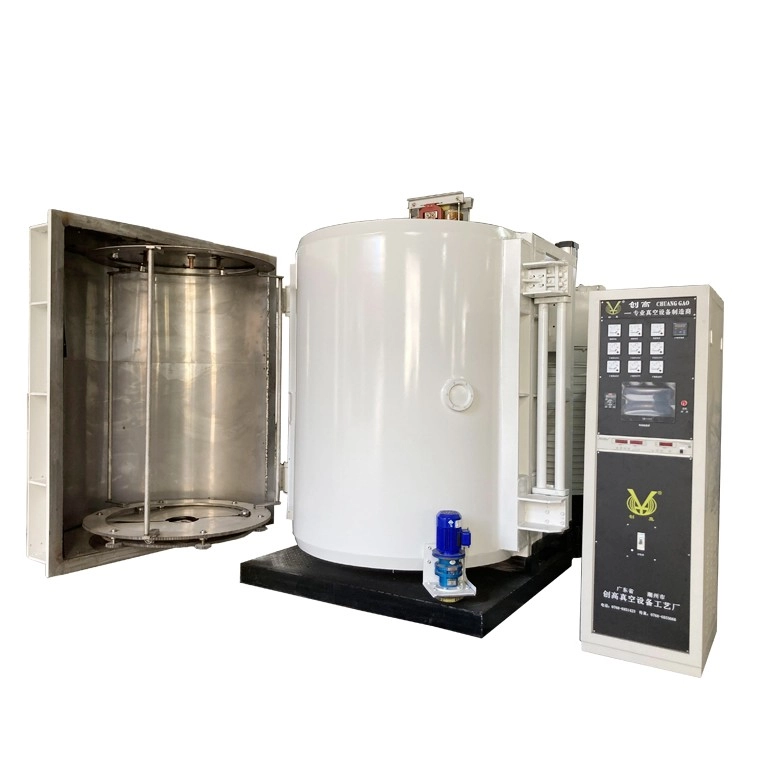
In today’s manufacturing, surface treatments influence not only the look and performance of the product but also compliance with environmental regulations and operational costs. Traditional electroplating or spray coating usually produces wastewater, involves handling of chemicals, and creates environmental issues. This poses a big question to manufacturers: Is PVD coating environmentally friendly? As a professional PVD coating machine manufacturer, CGVAC explains how PVD coating technology harmonizes long-lasting, high-quality finishes with environmentally friendly processes, while efficiently meeting production needs.
What is PVD Coating and How Does It Work?
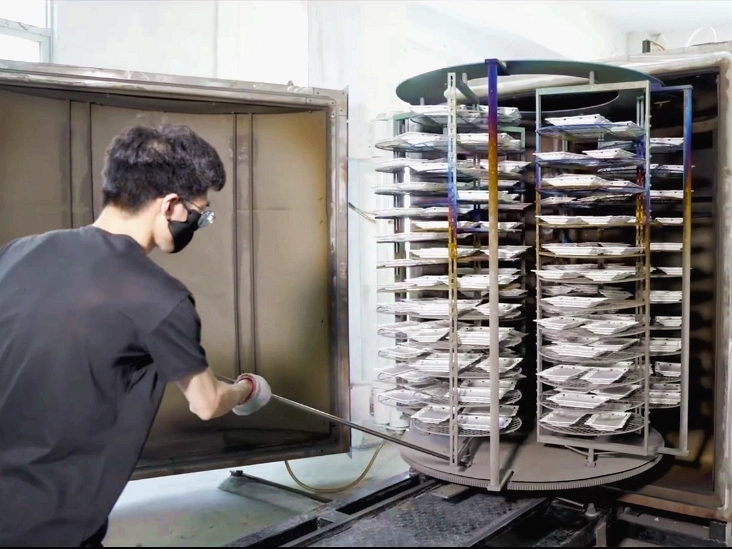
Physical Vapor Deposition (PVD) is a vacuum-based surface treatment that deposits metals or ceramics onto a substrate through physical vaporization. Unlike traditional electroplating or spray painting, PVD coating:
- Requires no chemical solutions or solvents
- Produces no wastewater
- Emits no harmful residues, making it highly compliant with international environmental standards
This makes PVD coating a sustainable choice for stainless steel, ceramics, sanitary ware, glass, plastic, industrial components, and more.
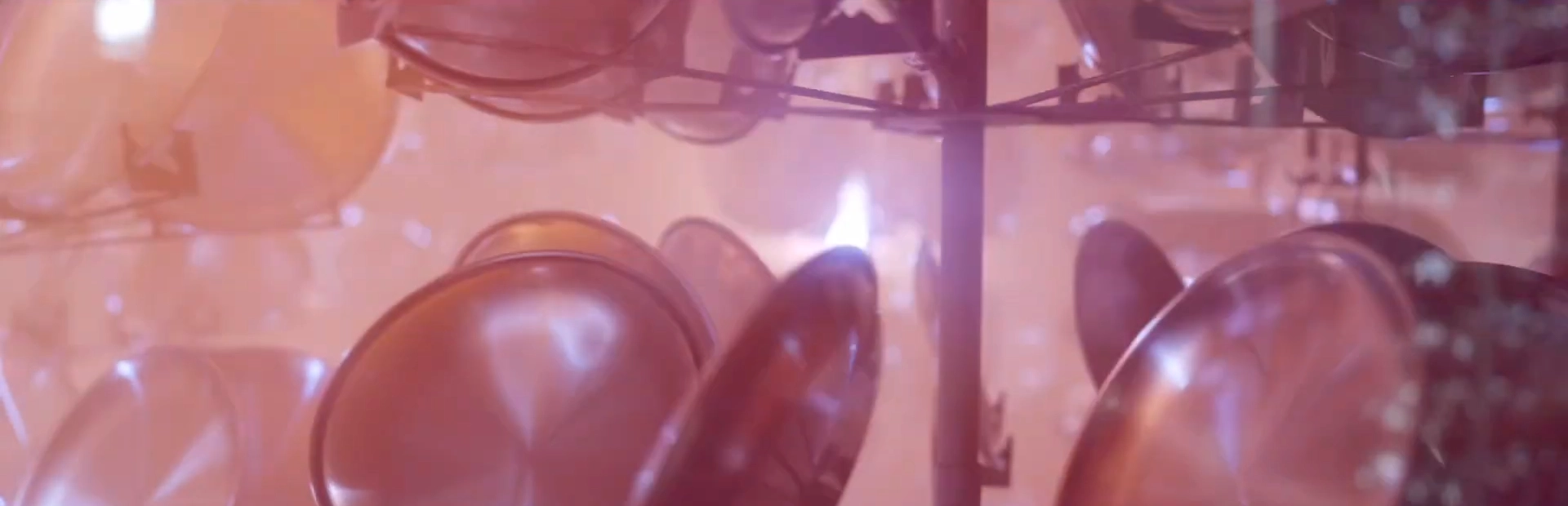
Environmental Comparison: PVD vs Traditional Surface Treatments
| Coating Method | Uses Hazardous Chemicals? | End-Use Safety | Environmental Impact | Typical Applications |
|---|---|---|---|---|
| PVD (Vacuum) | No | High | Minimal emissions, no wastewater | Stainless steel utensils, bath hardware, and industrial components |
| Electroplating | Yes (acids/alkalis/heavy metals) | Medium | High wastewater and chemical discharge | Metal parts, consumer goods |
| Spray Coating | Possible (solvents) | Medium | VOC emissions, ventilation required | Plastics, decorative panels |
| Chemical Plating | Yes | Medium | Wastewater and chemical handling are required | Functional coatings, large metal components |
As the table shows, PVD coating is safer and more environmentally friendly compared to conventional wet chemical processes.
Key Environmental Advantages of PVD Vacuum Coating
Durability and Corrosion Resistance
Dense and stable PVD films extend product life without affecting base material properties.
Color Stability and Aesthetics
Uniform PVD coatings maintain consistent color and finish over long-term use.
Green Production Process
Automated vacuum coating reduces chemical handling and wastewater, lowering environmental costs.
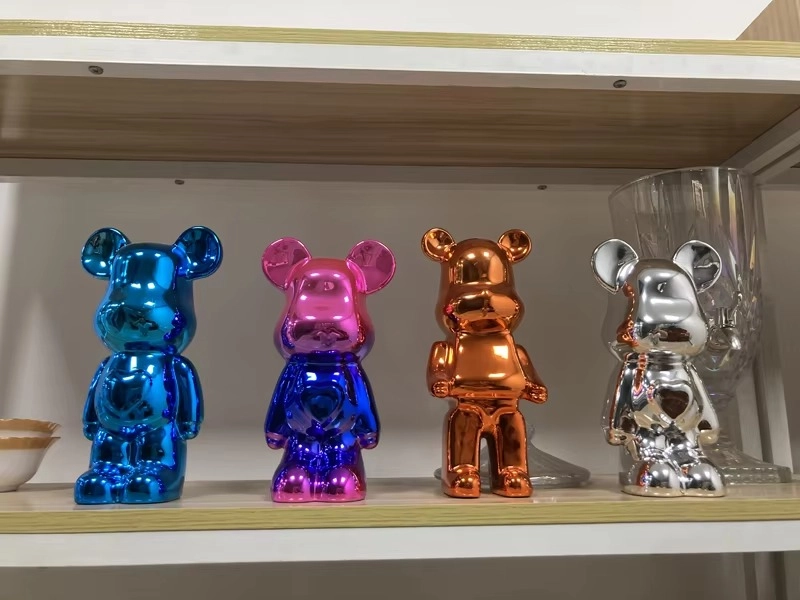
Wide Range of PVD Coating Applications
- Sanitary ware: sinks, toilets, shower panels
- Jewelry and beads: rings, bracelets, necklaces
- Daily-use ceramics: tableware, decorative items, mugs
- Stainless steel: kitchenware, utensils, cookware
- Glass: decorative glass, mirrors, architectural panels
- Plastic: electronic housings, decorative parts, consumer products
- Electronic & Optical Components: lenses, sensors, semiconductor parts
How to Choose an Eco-Friendly PVD Coating Machine?
To achieve truly green manufacturing, selecting the right equipment is essential. Manufacturers should consider:
- Machine type: batch, multi-chamber, or inline production
- Coating functionality: wear-resistant, corrosion-resistant, decorative, conductive, or antibacterial
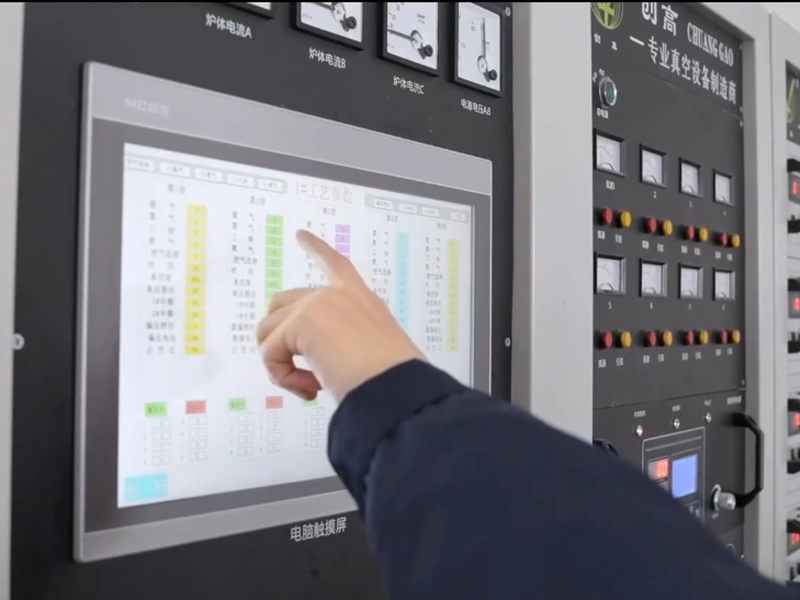
- Automation level: automated loading/unloading and precise process control for consistent quality
- Energy efficiency and vacuum system design: reduce power consumption and emissions
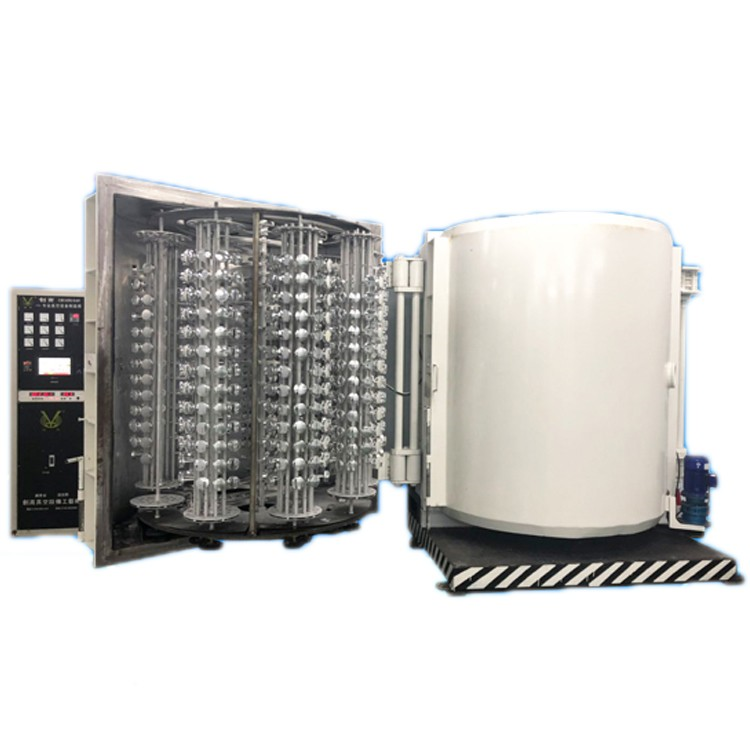
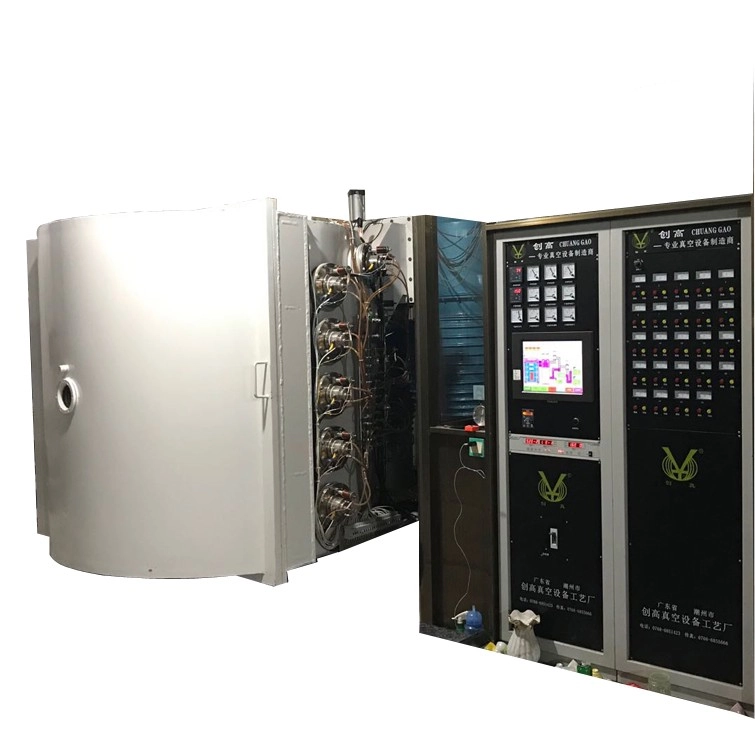
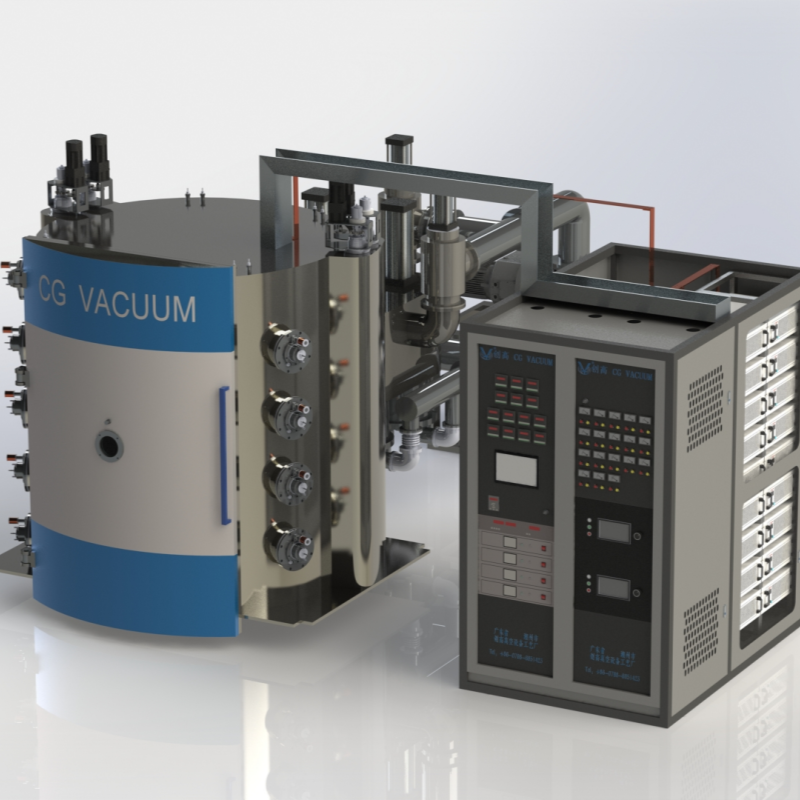
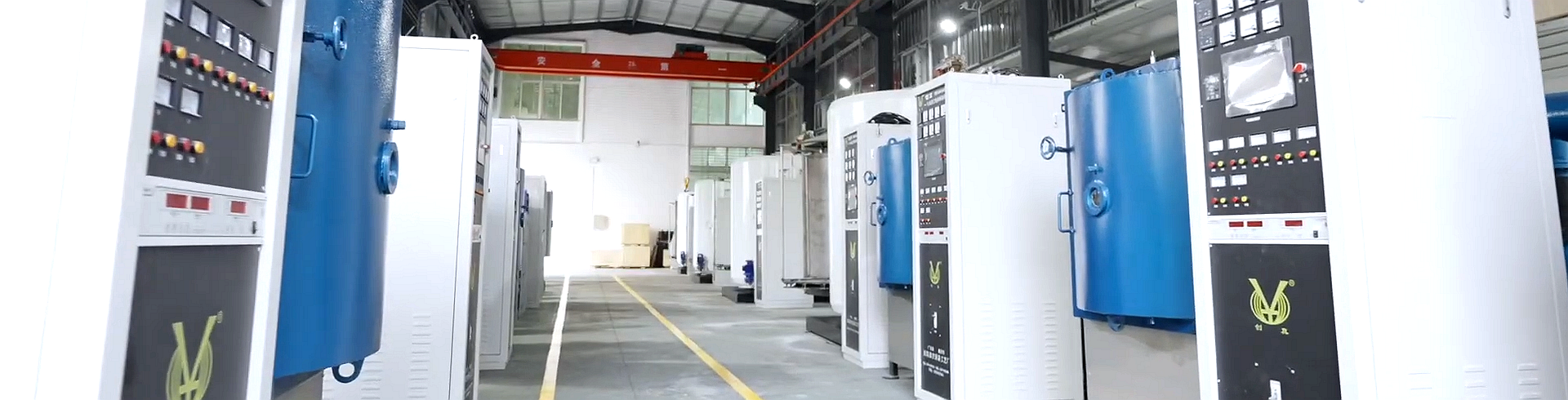
CGVAC provides a full range of PVD coating machines, including multi-arc ion PVD coating machines, magnetron sputtering vacuum coating machines, and evaporation vacuum systems. Each machine can be customized based on product size, coating type, and production volume. CGVAC also offers installation, commissioning, technical training, and long-term support to ensure stable and environmentally responsible operations.
Conclusion
PVD coating is an environmentally friendly, safe, and long-lasting surface treatment method, with wide applications in sanitary ware, jewelry & beads, ceramics, stainless steel, glass, plastic, and industrial electronic fields. Using professional PVD coating machines from CGVAC allows manufacturers to achieve green production, reduce environmental impact, and enhance product value.
If you are planning to add PVD coating capabilities or expand your production line, contact us for custom vacuum coating solutions and technical assistance to ensure long-term success.