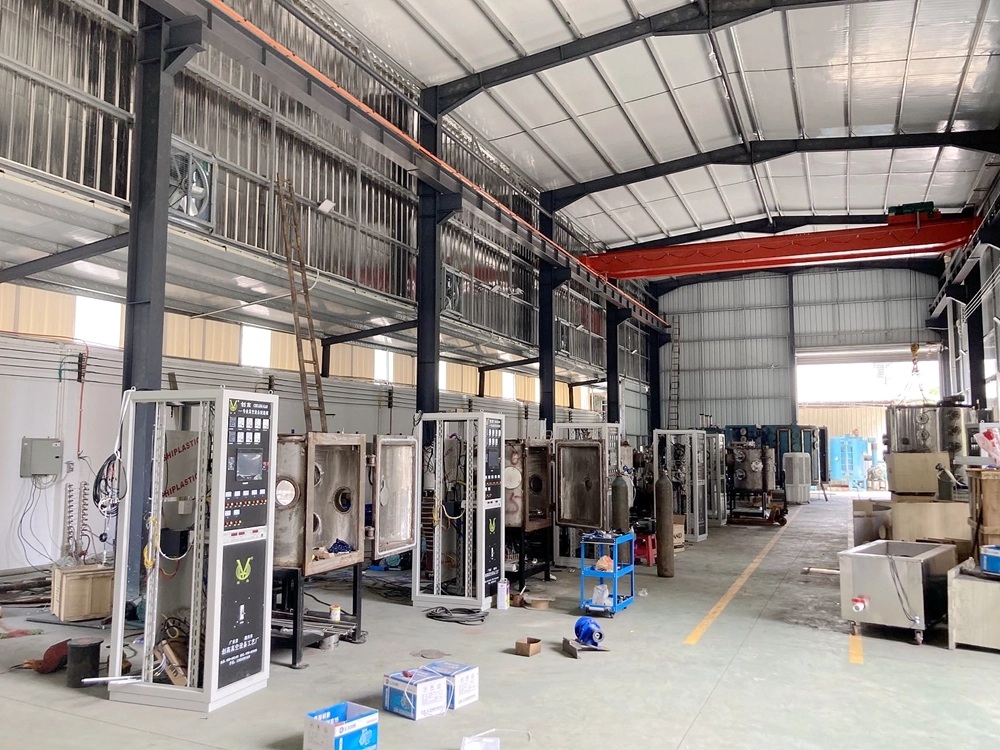
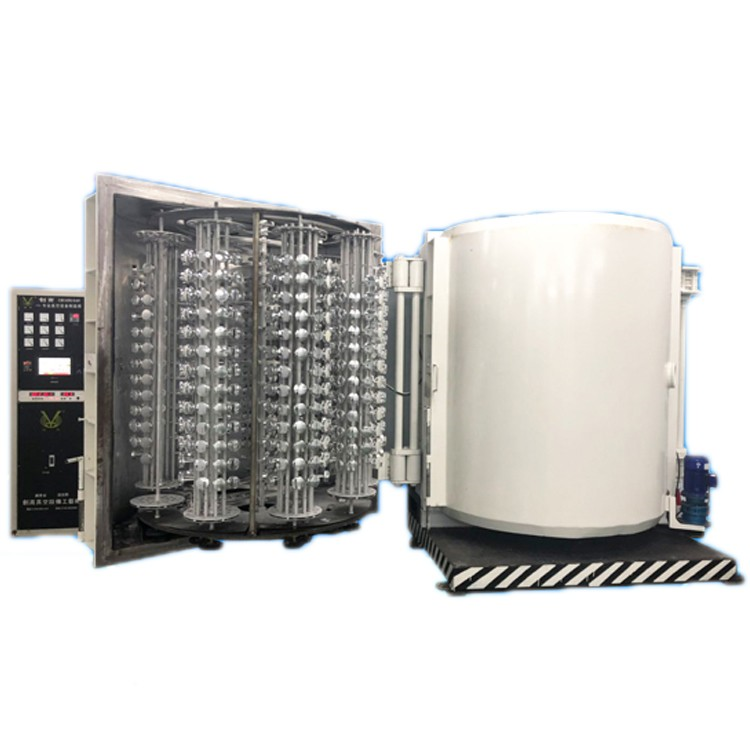
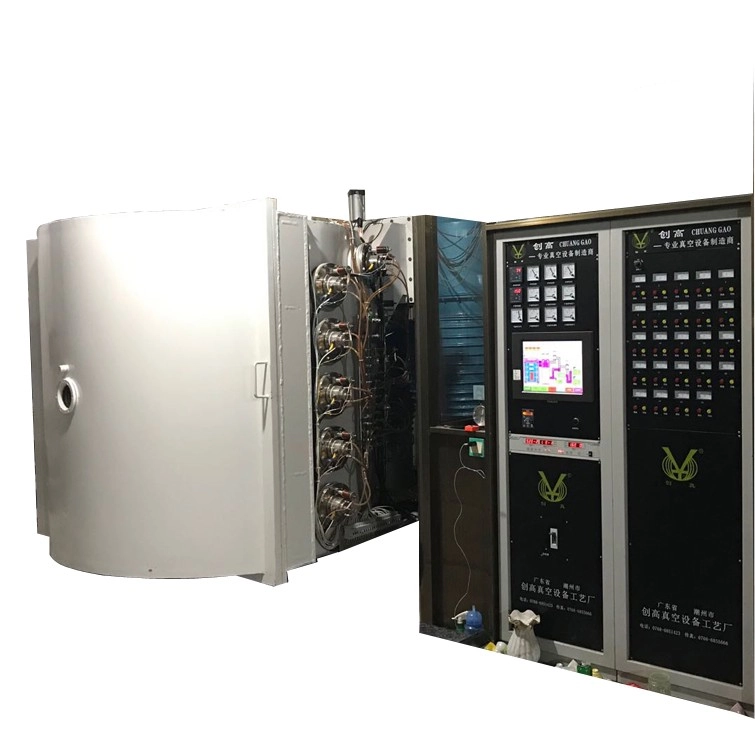
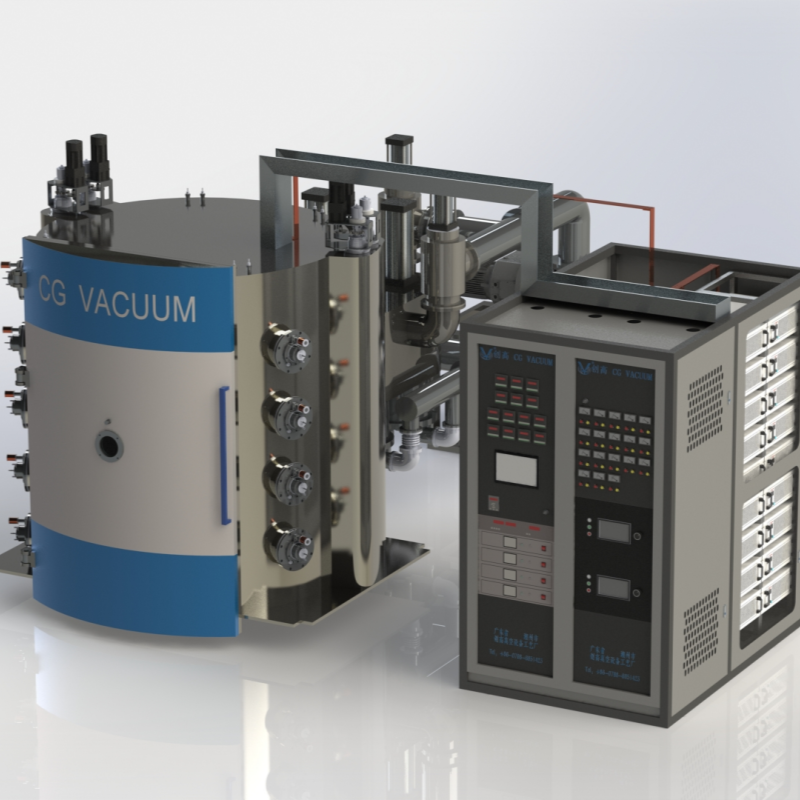
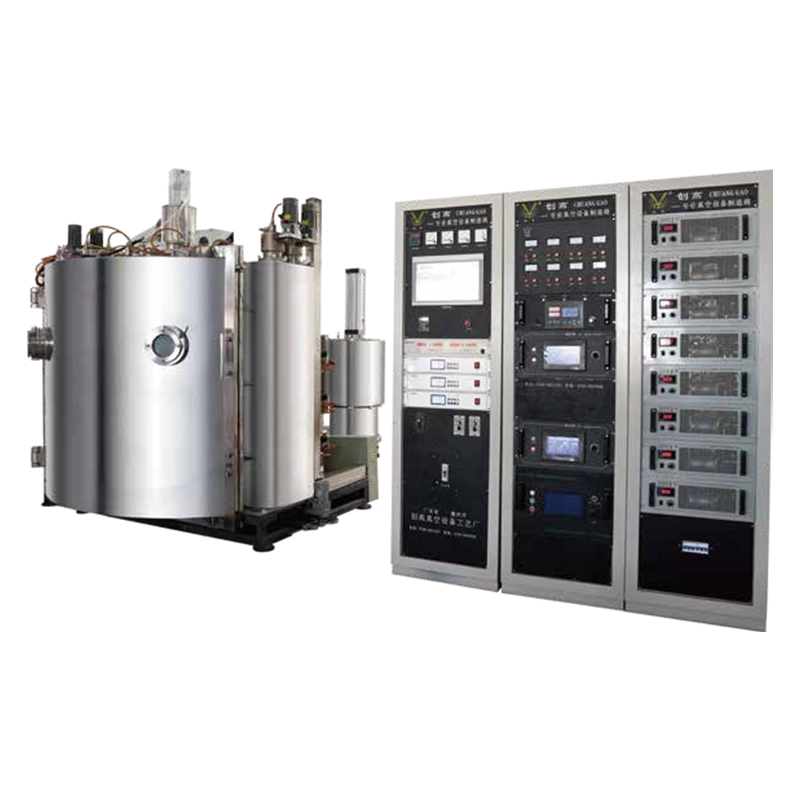
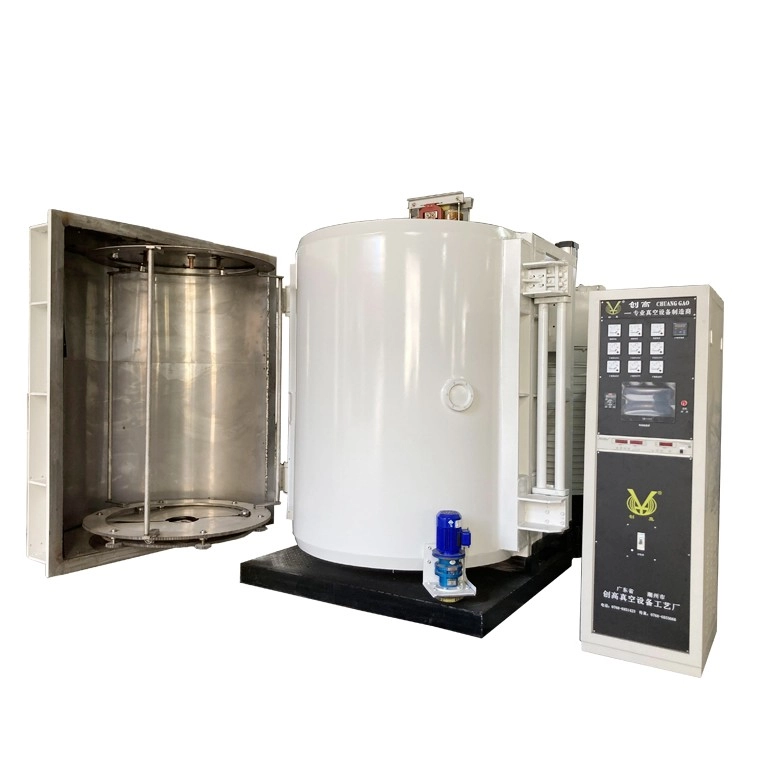
“Is PVD Coating Toxic?” is a question often asked by customers when buying stainless steel products, bathroom hardware, ceramics, glass, plastic, optics, and high-end electronics. This query has become increasingly relevant due to growing awareness of food safety, environmental regulations, and industrial compliance. As a professional PVD coating machine manufacturer, CGVAC provides a practical guide to the safety of PVD coatings, covering process principles, materials selection, industrial applications, and equipment considerations to help manufacturers and buyers make informed decisions.
What is PVD Coating? Understanding Safety from the Process
PVD (Physical Vapor Deposition) is a technology that deposits metal or ceramic materials onto a substrate through physical methods. Unlike traditional chemical plating, electroplating, or spray painting, PVD occurs in a vacuum environment and does not involve chemical reactions or residual solvents.
Common PVD processes include:
- Multi-Arc Vacuum PVD: Fast deposition with colorful finishes, widely used for decorative components and high-end cutlery.
- Magnetron Sputtering Vacuum Coating: Suitable for functional coatings such as wear-resistant, anti-corrosion, or conductive films, applicable to metals, ceramics, and glass.
- Evaporation Vacuum Coating: Ideal for optical coatings or flat decorative surfaces; produces uniform and functional films.
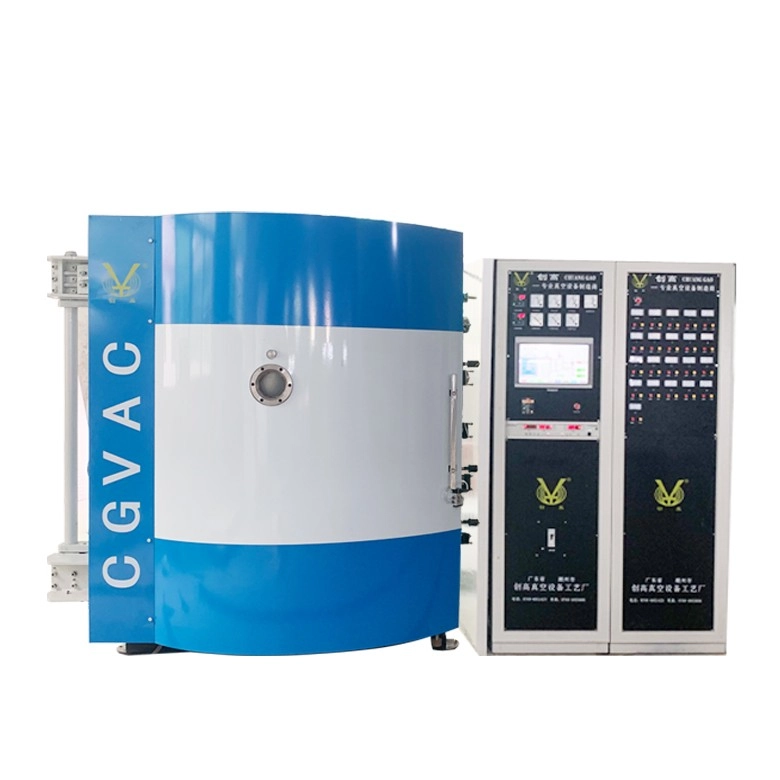
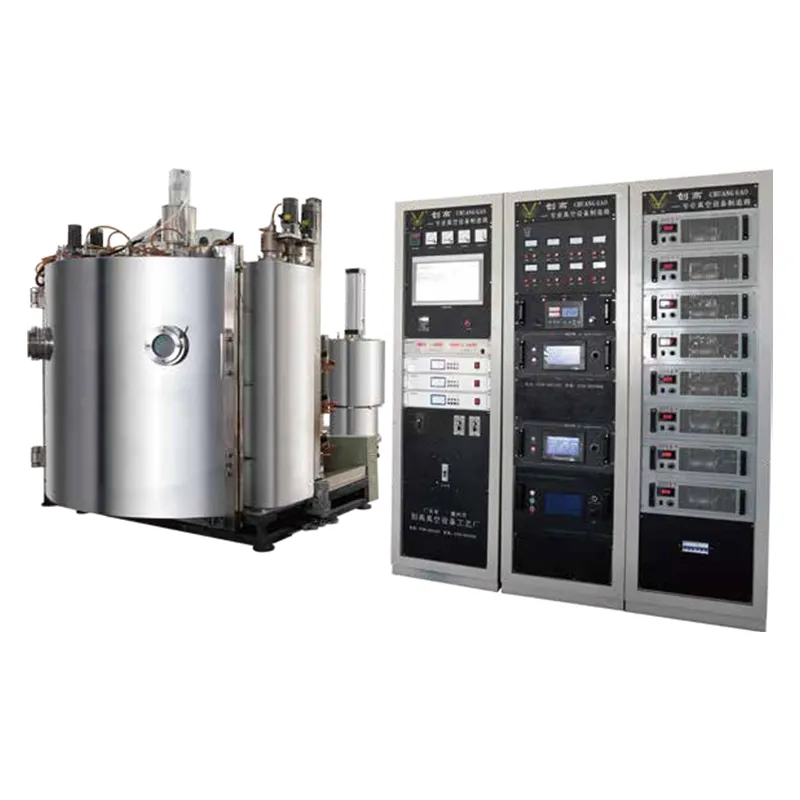
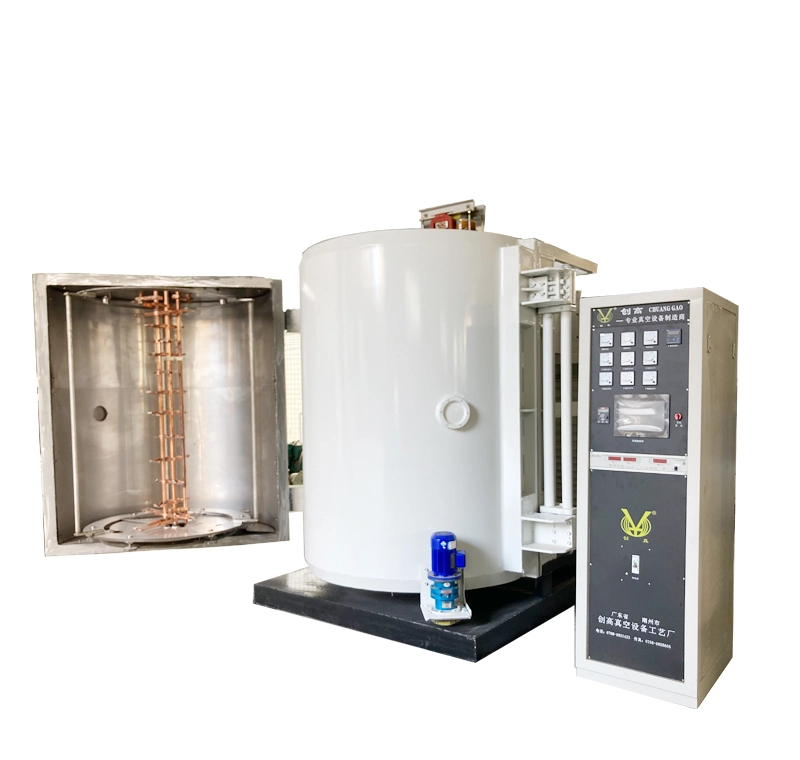
Different processes suit different materials and applications, but their safety principle is the same: PVD coatings do not release toxic substances during end-use.
Is PVD Coating Toxic? A Scientific Explanation
Q1: Are Coating Materials Toxic?
Common PVD target materials include Ti, Cr, Zr, Al, TiN, and CrN. These materials are stable in solid film form and widely used in:
- Bathroom basins, toilets and hardware
- High-end jewelry and beads
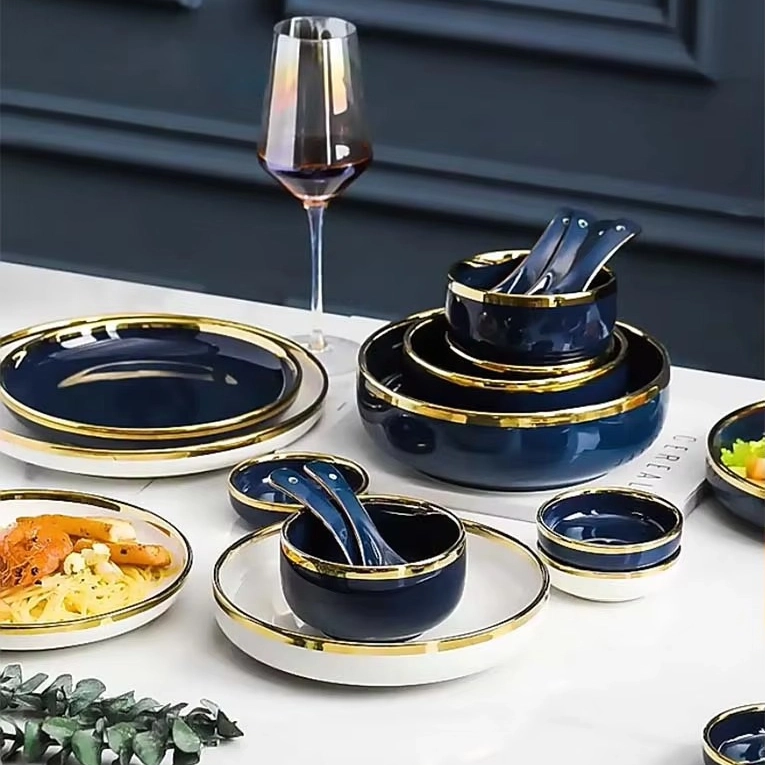
- Ceramic dinnerware and home decor
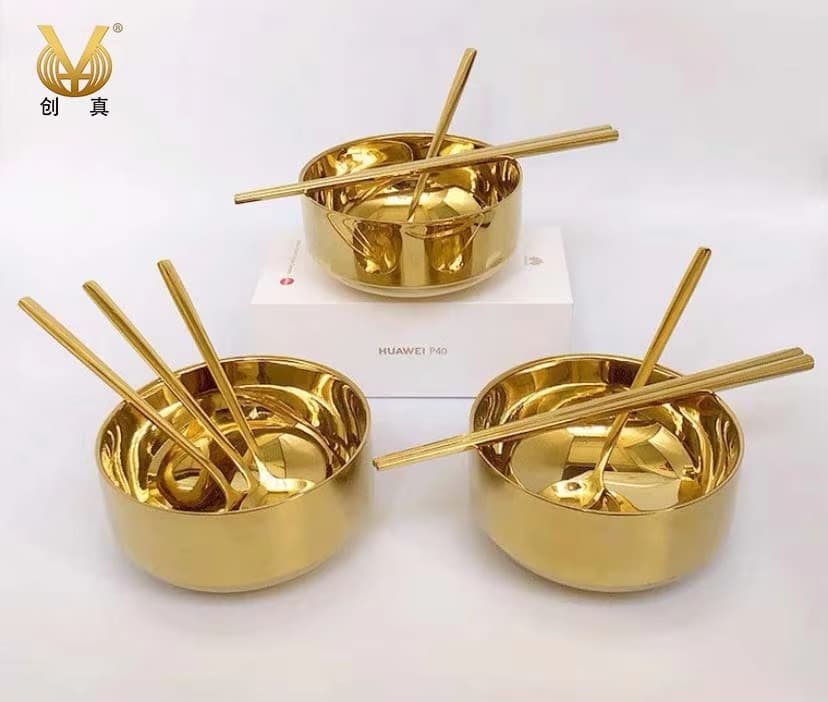
- Stainless steel cutlery and kitchenware
- Optical and electronic components

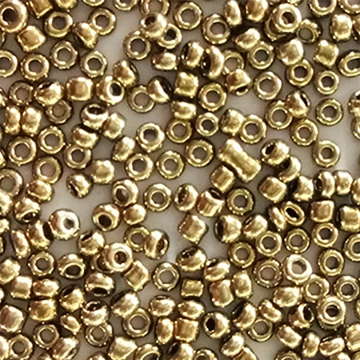

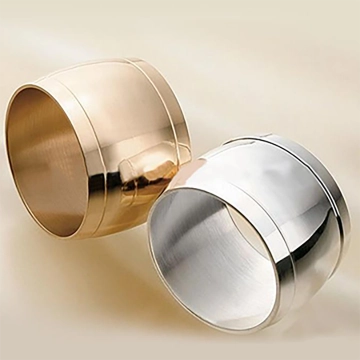
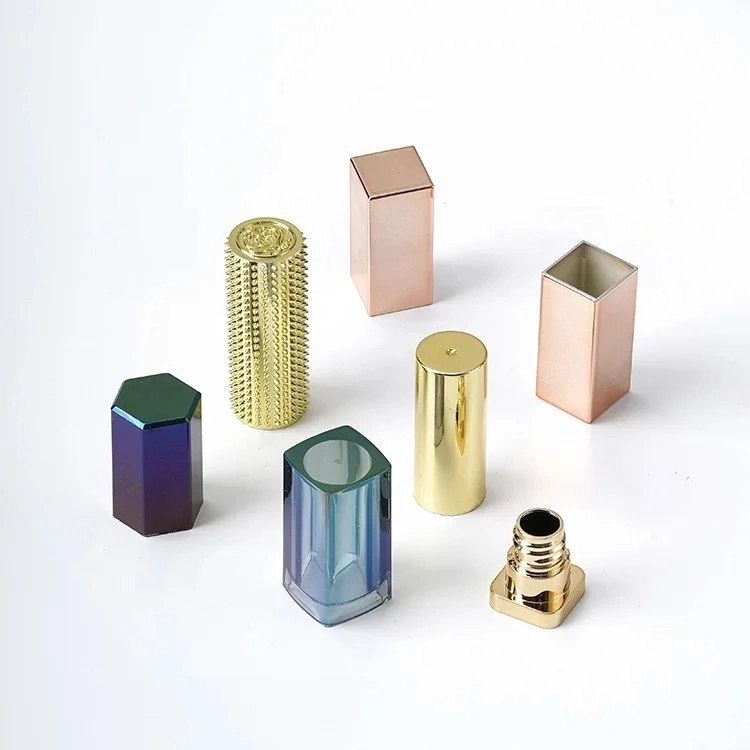
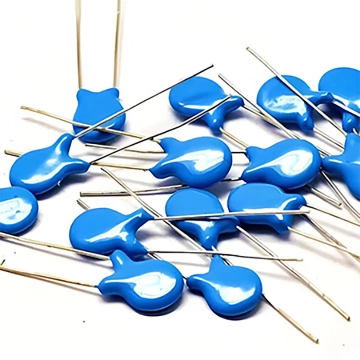
When selected according to industry standards, PVD coatings are chemically inert and do not release harmful substances.
Q2: Are There Any Risks During the Coating Process?
- PVD is performed in a vacuum environment
- No acids, alkalis, or chemical solutions are involved
- The deposited films are dense and stable
Therefore, there is no risk of residual toxic chemicals on the finished product.
Q3: Food Contact and Consumer Products
- PVD films are corrosion-resistant, wear-resistant, and easy to clean
- Suitable for stainless steel cutlery, kitchen utensils, and other consumer products
- Safety depends on:
- Target material selection (food-grade metals or ceramics)
- Process parameter control (film thickness, uniformity)
- Equipment stability and repeatability
Conclusion: With proper materials, process control, and equipment, PVD coatings do not pose toxicity risks.
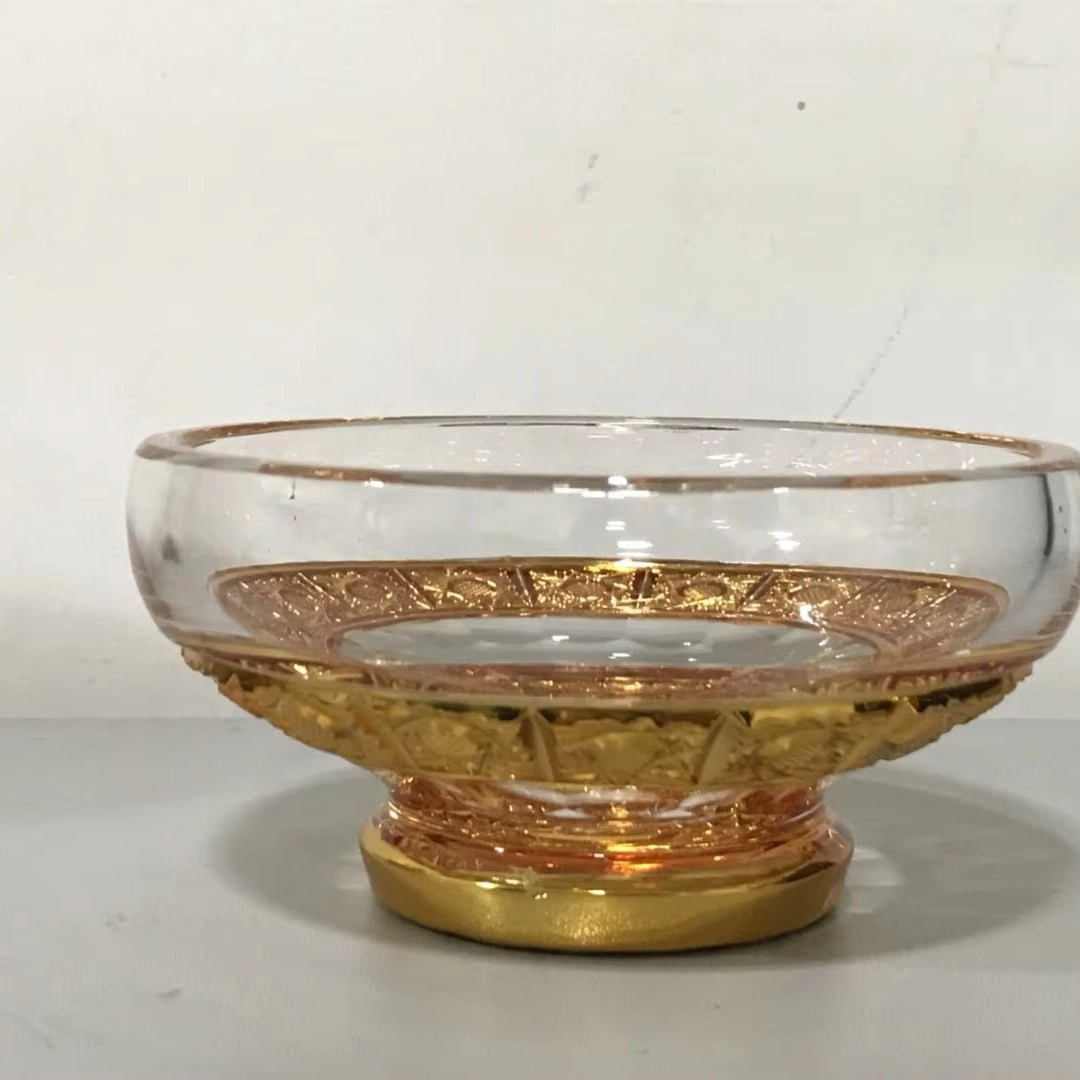
PVD Coating vs. Other Surface Treatments: Safety and Environmental Comparison
| Process | Involves Hazardous Chemicals? | End-Use Safety | Environmental Friendliness | Typical Applications |
|---|---|---|---|---|
| Magnetron Sputtering PVD | No | Very High | High | Functional films, medical, optical |
| Arc PVD | No | High | High | High-end decorative parts, cutlery, bathroom hardware |
| Evaporation Coating | No | High | High | Optical coatings, flat decorative surfaces |
| Electroplating | Yes (chemical solutions) | Varies | Medium | Mass-market metal products |
| Spray Painting | Possible (solvents) | Medium | Medium | Plastics, decorative items |
Summary: Vacuum PVD technologies are virtually non-toxic in end-use applications and safer than traditional wet chemical or solvent-based coatings.
Key Factors Affecting PVD Coating Safety
- Target Material & Film Design: Food-contact or medical products require safe and stable materials.
- Process Parameter Control: Power, temperature, and deposition rate influence film density and durability.
- Equipment Stability: High vacuum systems and precise controls ensure consistent quality across production batches.
About CGVAC, Your Professional PVD Coating Machine Manufacturer
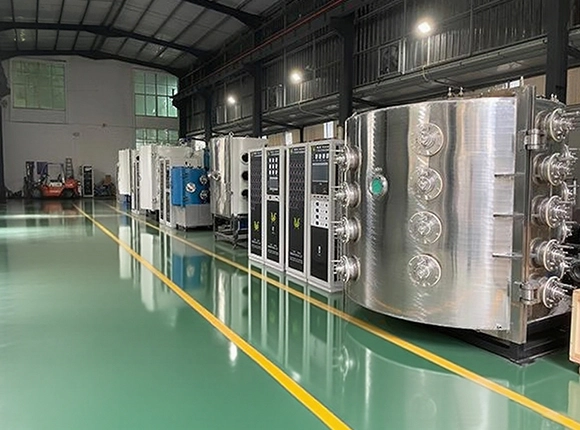
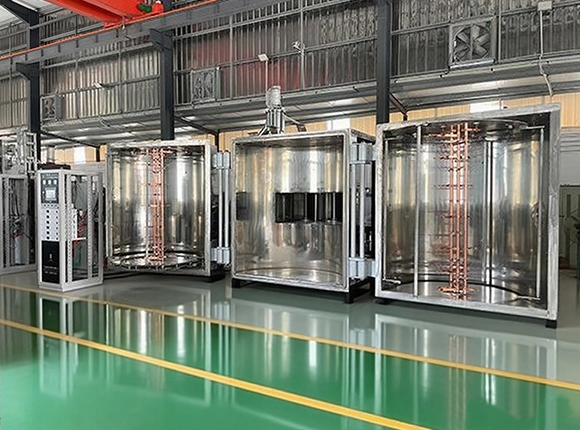
CGVAC, a leading vacuum coating machine manufacturer, offers a full range of solutions:
- Multi-Ion arc PVD coating machines for high productivity and decorative finishes
- Magnetron sputtering vacuum coating machine for functional films
- Evaporation vacuum coating machines for optical films and flat surfaces
- Functional PVD coating machines supporting wear-resistant, anti-corrosion, conductive, and antibacterial films
Customization Services:
- Equipment tailored to product size, material, and industry application
- Batch, multi-chamber, or continuous production systems
- Technical guidance, installation, and after-sales support
Industry Applications:
- Sanitary ware
- Jewelry & beads
- Ceramics, glass, and plastic
- Stainless steel consumer goods
- Optical and electronic components
Working with CGVAC, a professional manufacturer, ensures stable, safe, and compliant PVD coatings for any product.
Common FAQs
- Can PVD coatings be used for food contact products? Yes, with food-grade targets and stable process control.
- Will the PVD film peel off? No, films are stable when processed correctly.
- Which is safer: magnetron sputtering or arc PVD? Both are highly safe; the choice depends on the film’s function and production needs.
- Is PVD coating environmentally friendly? Yes, vacuum deposition produces no chemical residues or solvent emissions.
Conclusion
PVD coating does not pose toxicity risks under normal use. The true factors affecting safety are material selection, process parameters, and equipment quality. If you are planning to implement PVD, magnetron sputtering, arc PVD, or evaporation vacuum coating in your production, CGVAC can provide custom PVD coating machine solutions, technical guidance, and equipment quotes to enhance product safety, functionality, and appearance.